
Comparative Analysis of the EFQM Excellence Model and Total Quality Management
A Comprehensive Evaluation of Organizational Excellence Frameworks
Key Takeaways
- Holistic vs. Process-Oriented Approaches: The EFQM model provides a comprehensive framework covering various organizational aspects, while TQM focuses primarily on process and quality improvements.
- Implementation Roadmaps: Both models emphasize leadership and continuous improvement but differ in their specific implementation strategies and focus areas.
- Critical Success Factors: Leadership commitment, employee involvement, and robust measurement systems are essential for the successful implementation of both models.
Abstract
The pursuit of organizational excellence has led many businesses to adopt frameworks such as the EFQM Excellence Model and Total Quality Management (TQM). This report provides a comprehensive comparison between these two prominent quality management approaches. By examining their core concepts, implementation roadmaps, and critical success factors, the analysis highlights the strengths and limitations of each model. The EFQM model offers a holistic framework encompassing leadership, strategy, and stakeholder satisfaction, whereas TQM emphasizes continuous improvement and process optimization. Utilizing insights from academic journals, conference papers, and industry articles, this report aims to guide organizations in selecting the most appropriate framework based on their specific needs and strategic objectives.
Introduction
In today's rapidly evolving business environment, organizations strive for sustainable growth and competitive advantage through effective quality management practices. Two widely recognized frameworks that facilitate this pursuit are the European Foundation for Quality Management (EFQM) Excellence Model and Total Quality Management (TQM). While both aim to enhance organizational performance and customer satisfaction, they differ in scope, methodology, and implementation strategies. Understanding these differences is crucial for organizations seeking to adopt a quality management system that aligns with their strategic goals and operational realities.
Core Concepts of the Models
EFQM Excellence Model
Overview
The EFQM Excellence Model is a comprehensive framework designed to assess and improve organizational performance. Established in 1989 by European business leaders, the model is grounded in nine criteria that provide a holistic view of an organization's operations and strategic direction.
Fundamental Elements
The model divides its criteria into Enablers and Results:
- Enablers:
- Leadership
- Strategy
- People
- Partnerships & Resources
- Processes, Products & Services
- Results:
- Customer Results
- People Results
- Society Results
- Business Results
Holistic Assessment and Continuous Improvement
The EFQM model employs the RADAR logic (Results, Approach, Deployment, Assessment, and Refinement) to facilitate continuous improvement. Organizations conduct self-assessments to identify strengths and areas for enhancement, thereby fostering a culture of excellence and strategic agility.
Total Quality Management (TQM)
Historical Background and Philosophy
TQM emerged in the 1980s as a systematic approach to long-term success through customer satisfaction. Influenced by quality pioneers like Deming, Juran, and Crosby, TQM emphasizes organizational transformation through employee involvement, process management, and continuous improvement.
Principles and Tools
TQM is built on several key principles:
-
Customer Focus
-
Total Employee Involvement
-
Process-Centered Thinking
-
Integrated System
-
Strategic Approach
-
Continual Improvement
Common tools and techniques in TQM include the PDCA (Plan-Do-Check-Act) cycle, Six Sigma, Lean principles, benchmarking, Quality Function Deployment (QFD), and Root Cause Analysis methods like the "5 Whys."
Roadmap to Implementation
EFQM Excellence Model Implementation
Initial Assessment and Gap Analysis
The first step involves a comprehensive self-assessment using the EFQM Radar tool to evaluate performance against the nine model criteria. This phase establishes baseline metrics and identifies gaps between current practices and excellence standards.
Strategic Planning and Leadership Commitment
Developing a strategic plan aligned with EFQM criteria is essential. Leadership must demonstrate commitment by articulating a clear vision, securing buy-in, and allocating necessary resources to support quality initiatives.
Deployment of Enablers
Implementing changes across leadership, strategy, people management, partnerships, and processes ensures that the organization aligns its operations with excellence standards. This includes redesigning processes, enhancing employee training, and fostering strategic alliances.
Monitoring, Measurement, and Feedback Loops
Continuous monitoring through key performance indicators (KPIs) and regular self-assessments helps track progress. Feedback mechanisms facilitate ongoing refinements to strategies and processes, ensuring sustained improvement.
TQM Implementation
Creating a Quality-Centric Culture
Successful TQM implementation begins with fostering a culture that prioritizes quality and continuous improvement. This involves leadership commitment, clear communication of quality values, and comprehensive employee training programs.
Process Mapping and Analysis
Identifying and analyzing key processes is crucial. Tools such as flowcharts and value stream mapping are used to visualize and evaluate current operations, pinpointing areas for improvement and inefficiency.
Implementation of Quality Tools
Deploying quality improvement tools like the PDCA cycle, Six Sigma, Lean principles, benchmarking, and quality circles helps structure and sustain continuous improvement efforts across the organization.
Establishing Feedback and Reinforcement Mechanisms
Robust feedback systems, including customer feedback, internal audits, and performance metrics, are essential for identifying improvement areas and reinforcing quality initiatives.
Critical Success Factors for Implementation
Leadership and Commitment
Both EFQM and TQM emphasize the pivotal role of leadership in driving quality initiatives. Leaders must not only endorse but actively participate in quality management, setting a precedent for the entire organization.
Employee Empowerment and Involvement
Engaging employees at all levels is critical. Empowered employees are more likely to contribute to quality improvements, fostering a sense of ownership and accountability.
Clear Strategic Vision and Alignment
A shared vision that aligns quality initiatives with organizational goals ensures cohesive efforts towards excellence. Strategic alignment facilitates effective resource allocation and prioritization of quality projects.
Robust Measurement and Continuous Feedback
Implementing reliable measurement systems and feedback loops allows organizations to track progress, identify gaps, and make informed decisions for continuous improvement.
Cultural Preparedness and Organizational Readiness
The organization's readiness to embrace cultural changes associated with quality management significantly impacts the success of implementation. A supportive culture minimizes resistance and accelerates adoption.
Integration with Existing Processes and Systems
Seamless integration of quality frameworks with existing processes and systems ensures minimal disruption and enhances the sustainability of quality initiatives.
Comparative Analysis
Philosophical Differences and Similarities
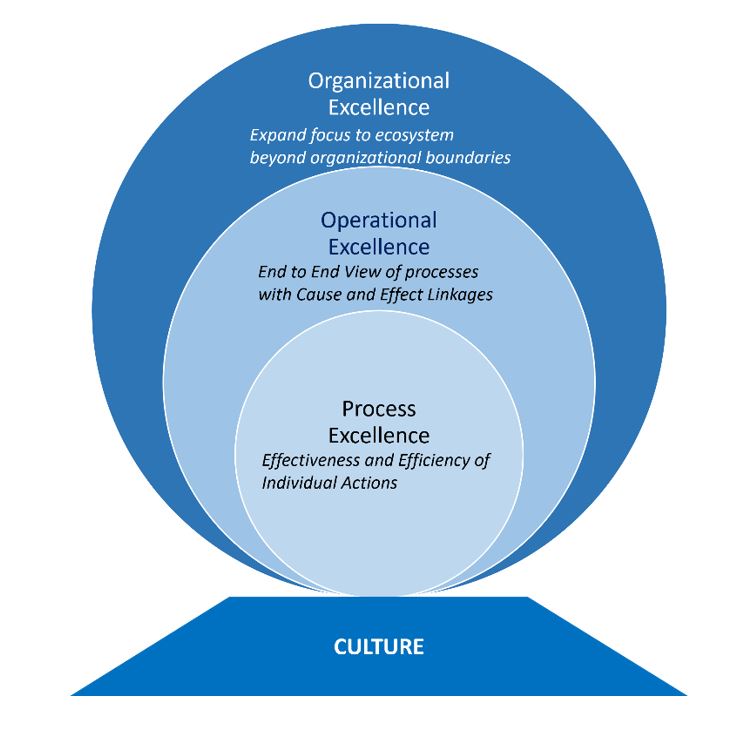
While both EFQM and TQM are committed to quality and continuous improvement, their philosophical approaches differ. The EFQM model offers a broader, more holistic framework encompassing leadership, strategy, and stakeholder satisfaction, whereas TQM is more focused on operational processes and customer-centric quality improvements.
Implementation Approaches
EFQM typically adopts a top-down approach, initiating changes from the leadership level and cascading through the organization. In contrast, TQM often employs a bottom-up strategy, emphasizing process improvements and employee-driven initiatives.
Critical Success Factors and Their Impact
Both models rely heavily on leadership commitment and employee involvement. However, EFQM places additional emphasis on external partnerships and societal impacts, while TQM focuses more on process stability and customer satisfaction through statistical controls.
Strengths and Limitations
The EFQM model's comprehensive nature is a strength, providing a broad assessment framework, but it may be complex to implement in organizations seeking immediate, focused improvements. On the other hand, TQM's detailed methodologies and established tools facilitate easier implementation in specific operational areas but may overlook broader strategic and societal factors.
Comparative Table
| Aspect | EFQM Excellence Model | Total Quality Management (TQM) |
|---|---|---|
| Focus | Comprehensive framework covering leadership, strategy, and stakeholder satisfaction | Process and quality-focused with emphasis on customer satisfaction |
| Key Elements | Enablers and Results across nine criteria | Customer focus, employee involvement, process-centered thinking |
| Implementation Roadmap | Self-assessment, strategic planning, deployment of enablers, monitoring | Cultural transformation, process analysis, quality tools implementation, continuous monitoring |
| Critical Success Factors | Leadership commitment, stakeholder engagement, continuous improvement | Employee involvement, customer focus, continuous learning |
| Strengths | Holistic approach, strategic alignment, comprehensive assessment | Detailed methodologies, established quality tools, process stability |
| Limitations | Complexity in implementation, broad scope may dilute focus | Potential neglect of strategic and societal factors, may become mechanically focused |
Conclusion
The EFQM Excellence Model and Total Quality Management represent two robust approaches to achieving organizational excellence. While both frameworks share common goals of continuous improvement and customer satisfaction, they differ in their scopes and methodological emphases. The EFQM model's holistic framework is well-suited for organizations seeking comprehensive strategic alignment and stakeholder satisfaction. In contrast, TQM's focus on process optimization and employee involvement makes it ideal for organizations aiming for operational efficiency and quality enhancements.
Ultimately, the choice between EFQM and TQM should be guided by an organization's specific needs, strategic objectives, and cultural readiness for change. In some cases, integrating elements from both models can provide a balanced approach, leveraging the strengths of each to foster sustained excellence and competitive advantage.
References
Conclusion and Recommendations
Achieving organizational excellence is a multifaceted endeavor that requires the adoption of appropriate quality management frameworks. The EFQM Excellence Model and Total Quality Management each offer unique strengths and cater to different organizational needs. By understanding their core concepts, implementation strategies, and critical success factors, organizations can make informed decisions on which model best aligns with their strategic objectives and operational contexts.
It is recommended that organizations conduct thorough assessments of their current practices and cultural readiness before selecting a framework. In some cases, a hybrid approach that integrates elements from both EFQM and TQM can provide a balanced strategy, leveraging the comprehensive assessment capabilities of EFQM with the process-oriented strengths of TQM. Continuous adaptation and commitment to quality culture are essential for sustaining improvements and achieving long-term excellence.
Last updated February 14, 2025