
Unveiling the Mechanism Behind Electronic Hydraulic Brake Systems in Solar Vehicles
Explore the intricate blend of electronics and hydraulics that power modern braking systems in solar vehicles.
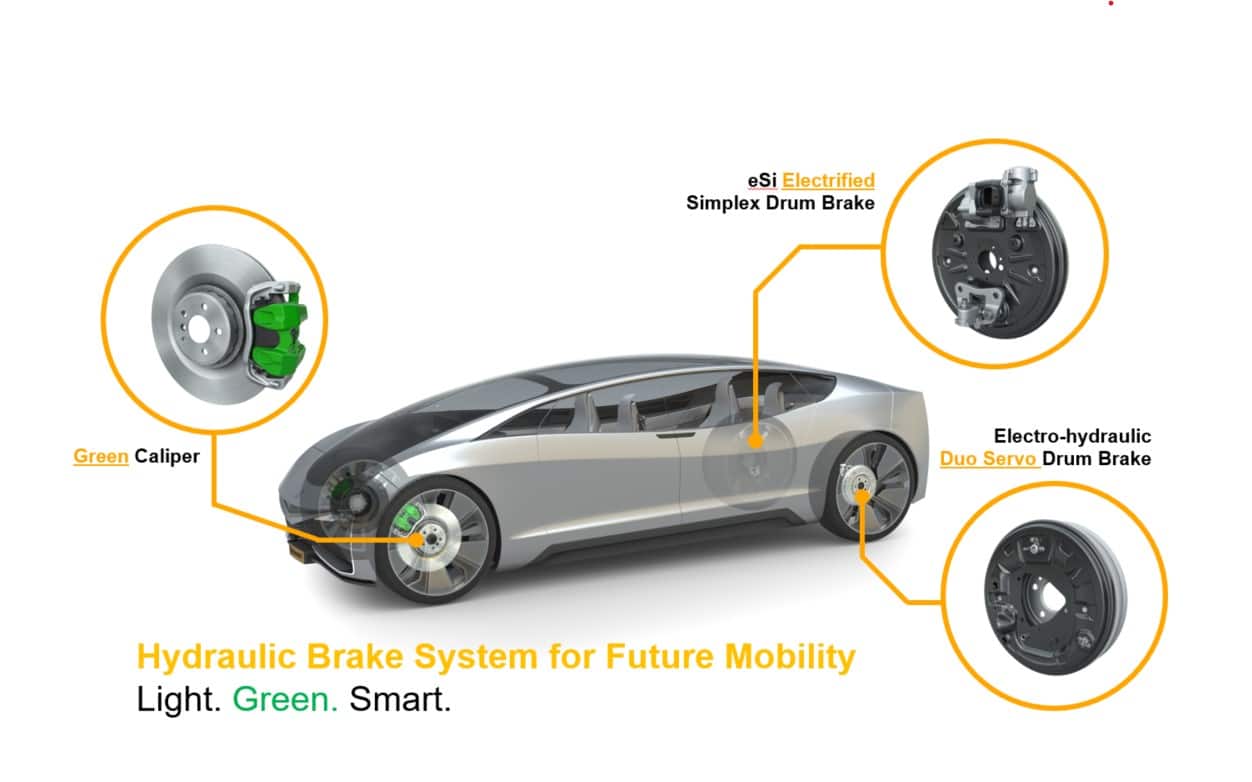
Key Highlights
- Integration of Electronic Controls and Hydraulic Actuation: Seamless coordination for precise braking.
- Regenerative Braking Combination: Enables energy recovery, boosting vehicle efficiency.
- Advanced Safety Features: Incorporates sensors, feedback loops, and redundancy for enhanced safety and stability.
Overview of the Electronic Hydraulic Brake System (EHBS)
The Electronic Hydraulic Brake System (EHBS) in solar vehicles represents an evolution over traditional braking systems by merging electronic control units with hydraulic mechanisms. This configuration ensures a high degree of braking precision, rapid system response, and improved energy efficiency, particularly significant in vehicles powered by renewable sources. Designed with a brake-by-wire approach, these systems minimize the reliance on mechanical linkages, thereby offering advantages in weight reduction, maintenance, and integration with advanced driver-assistance systems.
Detailed Working Mechanism
1. Driver Input and Initial Sensing
Brake Pedal Sensor
The process begins when the driver applies pressure to the brake pedal. Unlike conventional systems that rely on a direct mechanical connection, the EHBS uses a brake pedal sensor to capture the degree and speed of the pedal depression. This sensor converts the mechanical input into an electrical signal which is then transmitted to the Electronic Control Unit (ECU).
Wheel Speed Sensors
In parallel, wheel speed sensors continuously monitor the rotational speed of each wheel. This information is crucial for the ECU to evaluate braking conditions and adjust the distribution of hydraulic pressure accordingly. By having a constant stream of data, the system ensures wheel lockup is avoided, enhancing overall vehicle stability.
2. Electronic Control Unit (ECU) Processing
Signal Processing and Decision Making
Serving as the system’s brain, the ECU receives and analyzes signals from both the brake pedal and wheel speed sensors along with other vehicle dynamics data. It calculates the optimal braking force required based on multiple factors such as current speed, pedal pressure, and road conditions. The ECU’s advanced algorithms ensure that braking is not only prompt but also modulated precisely to avoid sudden deceleration.
Electronic Feedback Loop
A continuous electronic feedback loop is established where the ECU monitors the system’s performance in real-time. This loop allows the ECU to adjust hydraulic pressure dynamically, ensuring that braking remains consistent and efficient. Additionally, the feedback mechanism enhances the overall safety by allowing the system to engage corrective actions if any discrepancies arise in braking performance.
3. Hydraulic Actuation and Brake Application
Hydraulic Pump Activation
Once the ECU determines the necessary braking force, it sends a precise command to activate the hydraulic pump. The electronic signal to the pump starts the generation of hydraulic pressure. This pressure is then routed through the brake master cylinder, which functions as the distribution hub for the hydraulic force.
Hydraulic Calipers and Brake Discs
The distributed hydraulic pressure reaches the brake calipers at individual wheels. At the calipers, hydraulic actuators convert this pressure into a mechanical force, causing the brake pads to clamp down on the discs. The friction created by this prolonged contact slows down the rotation of the wheels, thereby reducing the vehicle's speed. The precise modulation of hydraulic pressure provided by the EHBS ensures exceptional braking performance and consistency.
4. Integration with Regenerative Braking
Energy Recovery Process
A distinctive advantage of the EHBS in solar vehicles is its ability to integrate with regenerative braking systems. During deceleration, the kinetic energy, which would typically be lost as thermal energy, is captured by the electric motor working in reverse as a generator. This recovered energy is then fed back into the vehicle’s battery, thus complementing the solar power system. The process not only enhances fuel efficiency but also extends the range of the vehicle by recycling energy that would otherwise be wasted.
Seamless System Coordination
The blending of traditional hydraulic braking with regenerative techniques requires a highly coordinated effort from the ECU. The unit continuously balances the hydraulic pressure needed for immediate stopping power while simultaneously maximizing energy recovery during light to moderate braking situations. This dual-mode operation exemplifies the sophistication and adaptability of modern solar vehicle technologies.
Advantages and Benefits
Enhanced Safety and Reliability
The electronic integration allows for real-time monitoring and adjustments, significantly reducing the risk of wheel lock-up and improving overall vehicle stability. Furthermore, redundancy in sensor and actuator design helps maintain braking efficiency even if one component fails, a vital feature for modern vehicles.
Improved Brake Performance
With the ability to finely tune braking force, EHBS systems provide shorter stopping distances and reduce brake wear. The seamless communication between sensors, the ECU, and hydraulic elements translates into a highly responsive system that adapts to varying driving conditions.
Energy Efficiency and Sustainability
By efficiently capturing kinetic energy during braking through regenerative systems, these brakes contribute substantially to the overall energy management of solar vehicles. Reduced reliance on traditional vacuum pumps or purely mechanical systems also means lower maintenance needs and improved long-term reliability.
Comprehensive Overview Table
| Component | Function |
|---|---|
| Brake Pedal Sensor | Converts mechanical brake pedal input into an electronic signal for the ECU. |
| Wheel Speed Sensors | Monitors individual wheel speeds to assist in dynamic force distribution. |
| Electronic Control Unit (ECU) | Processes sensor data to determine the appropriate braking force and controls hydraulic actuation. |
| Hydraulic Pump | Generates hydraulic pressure in response to ECU signals. |
| Brake Master Cylinder | Distributes hydraulic pressure uniformly to the calipers. |
| Hydraulic Calipers | Apply mechanical force via brake pads to contact the discs, slowing the vehicle. |
| Regenerative Braking Integration | Converts kinetic energy into electrical energy to recharge the vehicle’s battery. |
References
- A Review of One-Box Electro-Hydraulic Braking System ... - MDPI
- What is Electro-Hydraulic Braking? PH Explains - PistonHeads
- Hydraulic Disc Braking System of Electric Solar Car - ResearchGate
-
Electro-hydraulic Compound Braking System Coordinated Control - ScienceDirect
- Braking Evaluation of Integrated Electronic Hydraulic Brake System - IEEE Xplore
Recommended Further Exploration
Last updated March 23, 2025