
Upskilling Organizational E&I Competency & Enhancing Effectiveness and Efficiency
Empowering technical teams to meet modern challenges through strategic training and process improvement
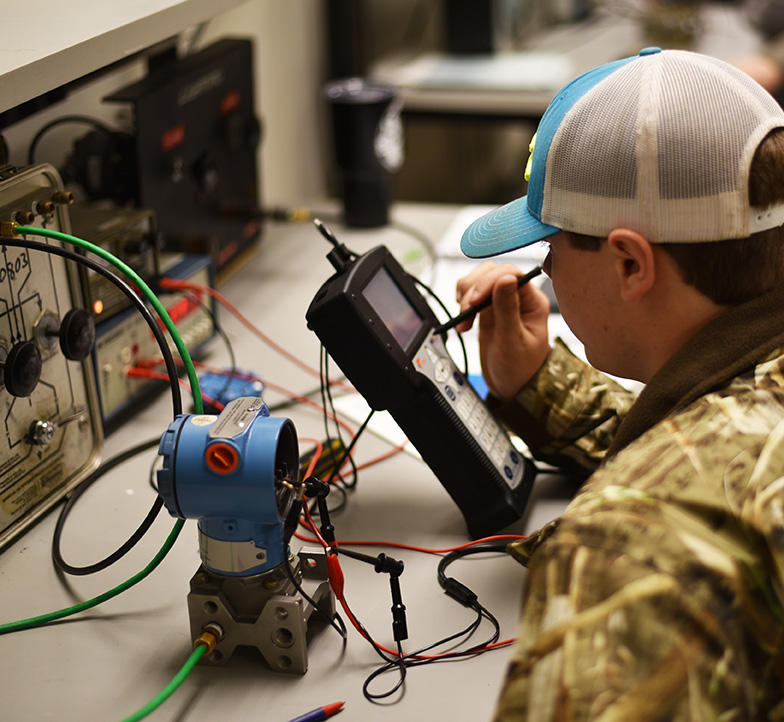
Highlights
- Strategic Assessment: Identify skill gaps using structured audits and skills matrices.
- Customized Learning Programs: Tailor training programs and mentorship initiatives to industry trends and team needs.
- Efficiency Through Technology: Leverage automation, LMS, and data analytics to streamline workflows and track performance.
Introduction
In today’s rapidly evolving industrial landscape, organizations must continuously enhance their Electrical and Instrumentation (E&I) competencies to maintain a competitive edge. Upskilling in E&I is not merely an investment in technical training—it is a comprehensive strategy that boosts overall organizational effectiveness and efficiency. This involves a holistic approach that tackles both the technical expertise inherent in electrical systems and instrumentation as well as practical processes that optimize operational workflows. By enhancing these areas, organizations can reduce downtime, cut operational costs, and as a result, foster a culture of continuous learning and performance improvement.
Assessing Current Skill Levels and Identifying Gaps
The foundational step in any upskilling initiative begins with an in-depth assessment of current competencies versus future strategic needs. Organizations can conduct a skills audit using surveys, performance indicators, and structured feedback sessions. By mapping out a skills matrix, it is possible to systematically identify both individual and team-level gaps in specific E&I areas.
Conducting a Thorough Skills Audit
Begin by defining a clear framework that outlines the required technical and soft skills specific to your organization. This includes:
- Technical expertise in electrical systems, instrumentation, control systems, and automation.
- Knowledge of the latest technological standards and industry best practices.
- Practical problem-solving skills and on-the-job decision making.
By aligning these requirements with real-time employee performance data, leadership can pinpoint the areas that will benefit the most from targeted upskilling efforts.
Using Competency Models and Skills Matrices
One effective tool is the skills matrix—a visual representation of current and required skills across various roles and teams. Competency models further provide tailored roadmaps for career progression, ensuring training initiatives are directly tied to both short-term performance improvements and long-term career development.
A typical competency evaluation might include measurements of technical proficiency, practical application, and problem-solving ability. This assessment lays the groundwork for a well-structured upskilling program that aligns with organizational goals.
Developing Tailored Training and Upskilling Programs
After identifying the current skills landscape and the gaps that exist, the next phase involves designing and implementing targeted training programs. These should be tailored to address the specific needs of your teams, whether through traditional in-person workshops, online courses, simulation-based training, or hands-on practical learning.
Tailored Training Programs
Customized training is essential to effectively upskill in the E&I domain. Programs should support both theoretical foundations and practical applications of electrical and instrumentation engineering. Training might include:
- Industry-specific certifications and professional courses that focus on the latest standards.
- In-house workshops and practical simulations that offer hands-on learning experiences.
- Online training modules available on flexible learning management systems (LMS) for remote accessibility.
Tailoring these programs allows organizations to target specific competency gaps while also building on existing strengths.
Integrating Soft Skills and Mentorship Programs
Upskilling should not be limited to technical skills alone. Soft skills such as communication, problem-solving, and teamwork are equally important in fostering efficient operational environments. Implementing mentoring pairs experienced professionals with newer employees, facilitating knowledge transfer and incorporating reverse mentoring to keep all team members up-to-date with modern technologies.
Organizational success in E&I also depends on creating a culture of continuous improvement. Encouraging peer learning sessions and regular knowledge sharing events not only boosts technical proficiency but fosters collaboration and innovative thinking.
Leveraging Technology for Enhanced Learning and Efficiency
Technology is an enabler in modern upskilling and operational efficiency strategies. Implementing digital learning platforms and automating routine tasks can significantly reduce bottlenecks and free up essential human capital for more complex, value-added activities.
Adopting Modern Learning Platforms
Learning management systems (LMS) and e-learning portals provide scalable, on-demand training with structured learning pathways. These platforms make it easier for employees to track their progress and for management to monitor training effectiveness through key performance indicators (KPIs). Modern systems also allow incorporation of blended learning methods that combine online training with practical, in-person experiences.
Automating Processes to Enhance Efficiency
Automation in E&I practices is critical for operational efficiency. By automating routine tasks, such as code linting, build processes, or data collection through internet-of-things (IoT) sensors in instrumentation systems, employees can focus their energies on solving complex challenges and innovating new solutions. This not only reduces operational downtime but also minimizes human error.
Utilizing Data Analytics and Performance Metrics
Data-driven strategies further enhance both upskilling efforts and efficiency. By tracking KPIs such as project completion rates, error rates, and employee proficiency levels, organizations can continuously refine both their training programs and operational processes. Advanced analytic tools can also predict maintenance needs and detect inefficiencies before they become critical issues.
Enhancing Engineering Efficiency through Upskilling
E&I upskilling translates directly into improved engineering efficiency. As employees gain advanced technical knowledge and practical experience, several benefits materialize:
Boosting Technical Capabilities
Advanced training enables engineers and technicians to handle more sophisticated technologies and complex projects. This upgraded technical proficiency leads to faster problem solving, innovation in system design, and more reliable operational outcomes. Constantly updated skills ensure that teams remain candidates for the latest technologies and industry standards, further pushing the boundaries of what is possible within the field.
Streamlining Workflows
Well-trained teams can better optimize E&I systems, resulting in reduced downtime and operational inefficiencies. Through thoughtful process enhancements—such as standardized methodologies, automation of routine tasks, and clear communication channels—organizations can bolster their overall performance. Effective training ensures that teams are familiar with best practices and capable of using modern tools to their full potential.
Improving Cross-Functional Collaboration
Upskilling initiatives encourage cross-departmental collaboration since a shared technical understanding allows different teams to communicate their needs and capabilities more effectively. Whether it is engineering, operations, or maintenance, integrated teams contribute to a well-coordinated and agile organizational structure.
Fostering a Culture of Continuous Improvement
An organizational culture that values and invests in upskilling naturally supports ongoing development. This culture not only motivates employees to seek continual improvement but also triggers innovative ideas to enhance operational workflows. Organizations that embed learning into their daily routines are better positioned to adapt to changes and rapidly evolving technological landscapes.
Implementing and Monitoring Upskilling Initiatives
The implementation phase involves rolling out the training programs across the organization and integrating them into regular workflows. Effective implementation requires clear communication, established timelines, and measurable performance indicators. It is crucial to continually monitor the progress of upskilling initiatives and refine the approach based on feedback and measurable outcomes.
Steps to Implement and Monitor Success
The following steps provide a roadmap for successful implementation:
- Set Clear Objectives: Define learning outcomes and align them with strategic organizational goals.
- Utilize Learning Management Systems: Deploy an LMS to host training materials, track learner progress, and manage course iterations.
- Conduct Periodic Evaluations: Regularly assess employee progress through tests, feedback forms, and performance metrics.
- Iterate Based on Performance Data: Leverage data analytics to identify what is working and where course corrections are needed.
Continuous evaluation ensures that upskilling initiatives remain relevant, agile, and attuned to both employee needs and organizational goals.
Example Table: Upskilling Implementation Roadmap
| Phase | Description | Key Actions | Performance Metrics |
|---|---|---|---|
| Assessment | Identify current skills and gaps | Conduct surveys, skills matrix, competency mapping | Skill gap analysis report |
| Design | Create tailored training modules | Develop courses, choose LMS, schedule workshops | Course completion rates, feedback scores |
| Implementation | Roll out training programs | Launch online modules, conduct in-person sessions, pair mentors | Employee performance improvements, reduced error rates |
| Evaluation | Monitor and refine training | Collect KPIs, employee feedback, review project outcomes | ROI on training, improved project efficiency |
Best Practices for Sustaining an Upskilling Culture
Committing to a long-term upskilling strategy is essential to maintain advantages in an ever-evolving technical field. Cultivating an environment where continuous learning is encouraged supports both individual career development and organizational resilience.
Align Training with Career Progression
Integrating upskilling with career development plans ensures employees see the value in their training. Clear pathways for advancement, combined with targeted training modules, help retain talent by offering both immediate and long-term career benefits. When employees understand that their efforts directly contribute to career growth, motivation and engagement rise significantly.
Promote Knowledge Sharing and Collaboration
Encouraging a collaborative environment where individuals share insights, innovative ideas, and technical know-how can multiply the benefits of the training programs. Regular cross-departmental meetings, technical seminars, and peer reviews nurture a knowledge-sharing culture that permeates the organization.
Invest in Continuous Technology Upgrades
As technology evolves, so should the tools and training platforms used within your organization. Regular updates to learning content, adaptation of new technologies, and leveraging state-of-the-art tools such as simulation software or augmented reality training modules keep employees well-prepared to face emerging challenges.
Incorporate Feedback Mechanisms for Ongoing Improvement
Feedback from employees involved in training sessions is critical to the evolution of upskilling programs. Constructive feedback not only highlights areas for improvement in curriculum design but also provides insights on how to better align the training content with real-world applications. Periodic reviews and adjustments based on performance data ensure the training remains effective and efficient.
Integrating E&I Upskilling with Organizational Strategy
Aligning E&I upskilling initiatives with the broader organizational strategy ensures that training investments deliver tangible business results. When upskilling programs are directly connected to business outcomes, such as improved project timelines, reduced operational costs, and enhanced innovation, the return on investment becomes clear. Senior leadership should be actively involved in crafting strategies that not only prioritize training but also integrate technology, process improvements, and feedback loops to drive continuous progress.
Linking Upskilling with Business Objectives
By setting clear organizational goals related to operational efficiency and technical excellence, training programs can be tailored to address specific challenges. For instance, improving technical proficiency might lead to fewer system downtimes or optimized energy usage, directly contributing to cost savings and improved productivity. Establishing measurable KPIs across these domains allows you to periodically celebrate successes and refine strategies as needs evolve.
Strategic Partnerships and External Certifications
Developing connections with external training organizations and securing industry certifications can further boost credibility and provide employees with access to a broader spectrum of resources. Industry-recognized certifications signal to both employees and external stakeholders that the organization is committed to maintaining exemplary standards in E&I practices. Apart from internal training, partnerships with academic institutions or professional bodies offer a continuous stream of updated knowledge and training opportunities.
Measuring the Success of Upskilling Initiatives
The success of any upskilling program can be gauged through a methodical assessment of performance metrics. These metrics not only determine the effectiveness of the training but also provide insights into future improvements. Key metrics to consider include:
Key Performance Indicators (KPIs)
- Improvement in technical proficiency and error reduction.
- Feedback scores from peer reviews and mentorship sessions.
- ROI from training investments reflected in project efficiency and lower downtime.
- Productivity enhancements and faster resolution times for technical issues.
By setting these quantitative targets, organizations can monitor progress in real-time and adjust strategies to meet evolving industry demands.
Continuous Evaluation and Program Refinement
Regular evaluations ensure that the upskilling initiatives continue yielding benefits. The incorporation of data analytics in assessing training effectiveness leads to dynamic program adjustments. This iterative process fosters an environment where improvements are continuously identified and implemented, ultimately enhancing both technical prowess and overall process efficiency.
Conclusion
In conclusion, the upskilling of organizational E&I competencies is a multifaceted process that requires systematic assessment, tailored training, and the strategic integration of technology. Organizations investing in E&I upskilling create not only a technically proficient workforce but also streamline operations, reducing inefficiencies and fostering an innovative, collaborative culture. By leveraging targeted training programs, automation, continuous evaluation, and clear alignment with business objectives, companies pave the way for sustained improvement and long-term success. Upskilling is more than just a training exercise—it is a strategic commitment to excellence that drives both individual development and overall organizational growth.
Embracing a comprehensive upskilling strategy in Electrical and Instrumentation not only minimizes downtime and enhances productivity but also ensures that your organization is resilient in a rapidly changing technological landscape. This integrated approach, built on continuous learning, data-driven decision making, and active mentorship, holds the potential to transform operational efficiency and competitiveness, enabling organizations to meet and exceed both current and future challenges.
References
- Upskill in Pipeline Design and Oil and Gas Facilities - EIT
- Energy Institute - EI Academy - Energy Institute
- EI Academy Learning Platform - Energy Institute
- How to Build a Successful Upskilling Program - Harvard Business Review
- What is Upskilling and Why is it Important for Your Team? - UPenn
- How to Improve Engineering Efficiency - Testrigor
Recommended
Last updated February 26, 2025