
Unlocking Well-being in Later Life: Essential Support Needs for Elderly Individuals
A comprehensive look at the vital physical, mental, and emotional pillars that sustain health and happiness in older adults.
As individuals age, their support needs evolve. Ensuring a high quality of life for elderly people involves a holistic approach that addresses their physical capabilities, mental acuity, and emotional equilibrium. Understanding these multifaceted needs is the first step towards providing effective and compassionate care.
Key Insights: Supporting Our Seniors
- Physical vitality is paramount: Regular, appropriate exercise and assistance with daily activities are crucial for maintaining independence and physical health.
- Mental well-being requires active engagement: Access to mental health services and consistent cognitive stimulation can significantly impact an older adult's psychological health and resilience.
- Emotional connection is a lifeline: Meaningful social interactions and consistent emotional support are fundamental to preventing isolation and fostering a sense of belonging and self-worth.
Nourishing the Body: Physical Health Imperatives
Maintaining physical health is a cornerstone of well-being in the elderly. As the body ages, various physiological changes occur, making certain support needs particularly important.
The Crucial Role of Regular Exercise
One of the most significant physical health support needs for elderly individuals is regular exercise. Engaging in physical activity tailored to their abilities is vital for maintaining strength, flexibility, mobility, and cardiovascular health. It helps improve muscle tone, joint flexibility, and balance, which in turn reduces the risk of falls – a common concern for older adults. Activities can range from walking and stretching to light weightlifting or specialized senior fitness classes. Support systems, including family and caregivers, play a key role in encouraging and facilitating these activities, ensuring they are safe and consistent.
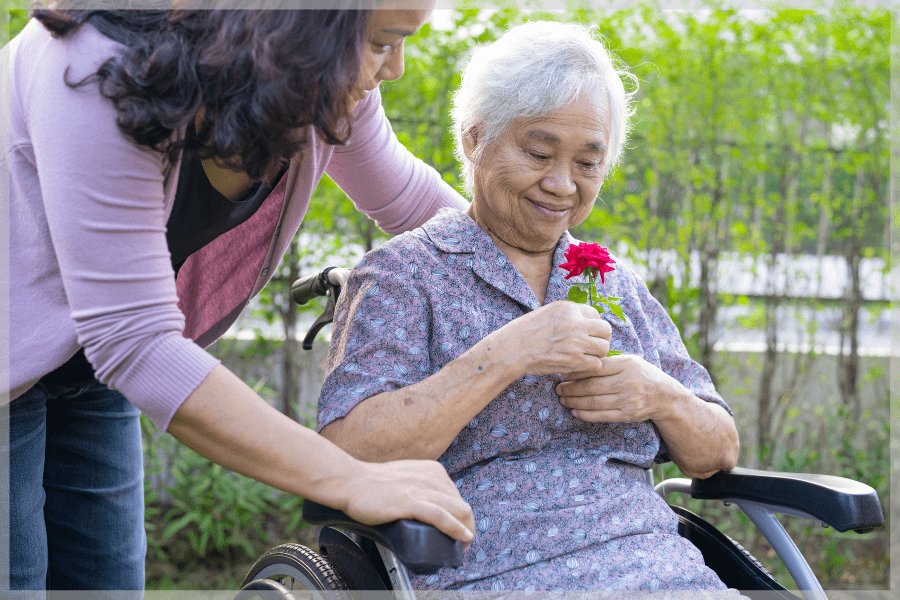
Supportive activities, like sharing simple joys, are important alongside physical exercise for seniors.
Benefits of Staying Active:
- Improved cardiovascular health and circulation.
- Enhanced muscle strength and bone density.
- Better balance and coordination, reducing fall risks.
- Increased energy levels and reduced fatigue.
- Positive impact on mood and cognitive function.
Assistance with Activities of Daily Living (ADLs)
Many elderly individuals may experience a decline in their ability to perform basic self-care tasks, known as Activities of Daily Living (ADLs). These include bathing, dressing, grooming, eating, and mobility (e.g., moving around the home, transferring from a bed to a chair). Providing respectful and appropriate assistance with ADLs is a critical physical support need. This support can come from family members, professional caregivers, or through modifications in the living environment. Ensuring these needs are met helps maintain dignity, safety, and a reasonable level of independence for as long as possible.
Sharpening the Mind: Mental Health and Cognitive Support
Mental well-being is just as important as physical health, especially as older adults navigate life changes, potential cognitive decline, and various emotional stressors.
Access to Mental Health Professionals and Services
A significant mental health support need for the elderly is access to mental health professionals and appropriate services. Older adults may face unique challenges such as coping with loss, chronic illness, retirement, social isolation, anxiety, or depression. Conditions like depression and anxiety are common but often go undiagnosed or untreated in this population. Ensuring timely access to geriatric psychiatrists, psychologists, counselors, or support groups is crucial. These services can provide diagnoses, therapeutic interventions (like counseling or therapy), and medication management if necessary. Scalable psychological interventions and support for self-management, often combined with follow-up, can be highly beneficial.

Engaging in group activities provides cognitive stimulation and vital social interaction for seniors.
The Importance of Cognitive Stimulation
Alongside professional help, cognitive stimulation plays a vital role in maintaining mental sharpness and potentially slowing cognitive decline. Engaging the mind through various activities helps keep neural pathways active and can improve memory, attention, and problem-solving skills. This doesn't always require formal programs; simple, enjoyable activities can be very effective.
Examples of Cognitive Stimulation:
- Reading books, newspapers, or magazines.
- Solving puzzles (crosswords, Sudoku, jigsaw puzzles).
- Playing board games or card games.
- Learning a new skill or hobby (e.g., painting, a musical instrument, a new language).
- Engaging in discussions and reminiscence therapy.
- Using brain-training apps or online courses.
Nurturing the Heart: Emotional Well-being and Social Connection
Emotional health is intricately linked to overall quality of life. For elderly individuals, feeling connected, valued, and understood is fundamental.
Meaningful Social Interaction and Connection
A primary emotional health support need for older adults is meaningful social interaction and connection. Loneliness and social isolation are significant risk factors for depression, anxiety, cognitive decline, and poorer physical health outcomes. As life circumstances change (e.g., retirement, loss of spouse or friends, mobility issues), opportunities for social engagement can diminish. Therefore, fostering connections is vital. This can involve regular visits from family and friends, participation in community groups, senior center activities, volunteering, or even interactions within a care facility. The quality of these interactions matters; they should provide a sense of belonging and mutual enjoyment.

Social activities are crucial for the emotional well-being of elderly individuals, fostering connection and joy.
Emotional Support, Validation, and Companionship
Beyond social interaction, emotional support, validation, and companionship are crucial. This involves providing a compassionate and empathetic presence. Active listening—truly hearing what an elderly person has to say without interruption or unsolicited advice—can make them feel valued and understood. Validating their feelings, experiences, and memories acknowledges their life's journey and worth. Companionship, whether from family, friends, caregivers, or even pets, helps alleviate feelings of loneliness and provides a sense of security and comfort. Affirming their value and empathizing with their struggles are key components of robust emotional support.
Providing Effective Emotional Support:
- Active Listening: Pay full attention, show interest, and respond thoughtfully.
- Empathy: Try to understand and share their feelings.
- Validation: Acknowledge their emotions and experiences as real and important.
- Regular Contact: Consistent calls, visits, or messages.
- Encouragement: Support their interests and participation in activities.
- Respect: Honor their autonomy and choices.
Interconnectedness of Elderly Support Needs
It's important to recognize that physical, mental, and emotional health needs are not isolated; they are deeply interconnected. For example, regular physical exercise (a physical need) can significantly improve mood and reduce symptoms of depression (mental/emotional needs). Similarly, strong social connections (emotional need) can motivate an individual to stay physically active and mentally engaged. A decline in one area can negatively impact others, highlighting the importance of a holistic approach to elderly care.
The following chart illustrates a conceptual view of how different support dimensions can contribute to various aspects of an older adult's well-being. The scores (1-10, with 10 being highest impact) are illustrative, suggesting relative importance based on common understanding rather than specific research data.
This chart aims to visually represent the multifaceted impact of these support needs, emphasizing that a comprehensive strategy addressing all areas is most effective for promoting overall health and happiness in later life.
Visualizing Holistic Elderly Care Needs
To further understand the interconnected support systems for elderly individuals, the following mindmap outlines the key categories and specific examples of needs within physical, mental, and emotional domains. This visualization helps to grasp the breadth and depth of care required for healthy aging.
(Mobility, Strength, Cardiovascular Health)"] ADL["Assistance with ADLs
(Bathing, Dressing, Daily Tasks)"] Nutrition["Balanced Nutrition
(Essential Vitamins, Minerals, Protein)"] MentalNeeds["Mental Needs"] MHServices["Access to Mental Health Services
(Depression, Anxiety, Grief Support)"] CognitiveStim["Cognitive Stimulation
(Puzzles, Learning, Reading, Hobbies)"] SocialEngageMental["Social Engagement
(Reduces Cognitive Decline Risk)"] EmotionalNeeds["Emotional Needs"] SocialConnect["Meaningful Social Interaction
& Connection (Combating Loneliness)"] EmoSupport["Emotional Support & Validation
(Active Listening, Empathy, Feeling Valued)"] Companionship["Companionship
(Reduces Isolation, Provides Security)"]
This mindmap illustrates how various components contribute to a comprehensive support structure, ensuring that care addresses the full spectrum of an older person's well-being.
Summary of Key Support Needs
Addressing the diverse needs of elderly individuals requires a multifaceted approach. The table below summarizes the essential physical, mental, and emotional support needs, their importance, and examples of how they can be met.
| Need Category | Key Support Need | Importance for Well-being | Examples of Support |
|---|---|---|---|
| Physical | Regular Exercise | Maintains mobility, strength, balance; reduces fall risk; improves cardiovascular health and mood. | Guided walking programs, gentle aerobics or yoga, strength training with light weights, balance exercises, chair exercises. |
| Physical | Assistance with ADLs | Ensures personal hygiene, safety, adequate nutrition, and ability to manage daily life with dignity. | Help with bathing, dressing, grooming, toileting, meal preparation, medication reminders, mobility assistance. |
| Mental | Access to Mental Health Services | Addresses conditions like depression, anxiety, grief, and cognitive disorders; improves coping mechanisms and overall psychological health. | Counseling sessions, psychotherapy, support groups (in-person or virtual), psychiatric evaluations, memory care programs. |
| Mental | Cognitive Stimulation | Helps maintain brain health, memory, and cognitive functions; can slow cognitive decline and provide mental engagement. | Reading, puzzles (crosswords, Sudoku), learning new skills or languages, playing strategic games, engaging in stimulating conversations. |
| Emotional | Meaningful Social Interaction | Combats loneliness and isolation, fosters a sense of belonging and community, enhances mood and life satisfaction. | Regular family visits, participation in senior centers or social clubs, volunteering, group outings, intergenerational programs. |
| Emotional | Emotional Support & Validation | Provides comfort, security, and a sense of being understood and valued; helps manage stress and affirms self-worth. | Active listening, expressing empathy and compassion, validating feelings and experiences, providing companionship, offering encouragement. |
Insights on Elderly Care
The following video provides a general overview of caring for the elderly, touching upon many of the physical, emotional, and social needs discussed. It can offer further perspectives on how to provide comprehensive support.
This video discusses essential aspects of elder care, covering physical, emotional, and social well-being.
Understanding these broader aspects of care can help individuals, families, and caregivers create a supportive environment that promotes health, dignity, and happiness for older adults. It emphasizes that care extends beyond medical needs to encompass the whole person.
Frequently Asked Questions (FAQ)
Why is regular exercise so important for seniors?
Regular exercise is vital for seniors because it helps maintain muscle strength, bone density, and flexibility, which are crucial for mobility and preventing falls. It also improves cardiovascular health, boosts mood, enhances cognitive function, and can help manage chronic conditions like arthritis, diabetes, and heart disease. Staying active contributes significantly to overall independence and quality of life in later years.
What are common signs that an elderly person might need mental health support?
Common signs include persistent sadness or hopelessness, loss of interest in previously enjoyed activities, changes in appetite or sleep patterns, increased anxiety or worry, social withdrawal, difficulty concentrating or making decisions, unexplained physical complaints, and increased irritability. Any significant and prolonged change in behavior or mood warrants a conversation and potentially professional consultation.
How can I provide effective emotional support to an elderly loved one?
Effective emotional support involves active listening without judgment, showing empathy for their feelings and experiences, and validating their emotions. Regular companionship, whether through visits, calls, or shared activities, is crucial. Encourage them to express themselves, share memories, and maintain social connections. Respect their autonomy and involve them in decisions concerning their life as much as possible. Sometimes, simply being present and offering a comforting presence makes a significant difference.
Are physical, mental, and emotional needs interconnected in older adults?
Yes, these needs are highly interconnected. For instance, physical activity can improve mental health by reducing stress and anxiety. Social engagement (an emotional need) can positively impact cognitive function (a mental need) and motivate individuals to be more physically active. Conversely, poor physical health can lead to depression or social isolation, and untreated mental health issues can exacerbate physical ailments. A holistic approach that addresses all three areas is essential for overall well-being.
Recommended Further Exploration
To delve deeper into supporting the well-being of elderly individuals, consider exploring these related topics:
- What specific exercises are best suited for seniors with limited mobility?
- How can technology be used to improve social engagement for the elderly?
- What community resources are available for elderly mental health support?
- What are the nutritional considerations crucial for maintaining health in older age?
References
Last updated May 19, 2025