
When Words Wound: Can You Sue an Elected Official for Threats?
Exploring the complex legal landscape surrounding an official's accountability for threatening a citizen and the potential for seeking damages.
The question of whether an elected official can be held liable for damages after threatening a citizen is multifaceted, involving a careful balance between an individual's right to safety and freedom from intimidation, and the legal protections afforded to public officials performing their duties. While accountability is a cornerstone of a democratic society, navigating the legal system to hold an official liable presents significant challenges, primarily due to doctrines like qualified and absolute immunity. This response will delve into the circumstances under which an official might face liability, the types of legal actions available, and the hurdles a citizen might encounter.
Key Insights: Navigating Official Liability
- Immunity Hurdles: Elected officials often possess forms of legal immunity, such as qualified or absolute immunity. These doctrines can shield them from lawsuits for damages unless their threatening conduct violates "clearly established" statutory or constitutional rights and they acted outside the scope of their lawful duties, with clear incompetence, or with knowing violation of the law.
- "True Threats" vs. Protected Speech: A critical factor in determining liability is whether the official's statement constitutes a "true threat." A true threat is a serious expression of intent to commit an act of unlawful violence against a particular individual or group. Such threats are not protected by the First Amendment, unlike general political discourse, harsh criticism, or offensive speech.
- Avenues for Redress: If a threat meets certain legal criteria, a citizen may have several avenues for seeking redress. These can include civil lawsuits for damages (often under federal civil rights statutes like 42 U.S.C. § 1983), criminal charges if the threat constitutes a crime, and administrative or disciplinary actions against the official.
Understanding the Legal Maze: When Can an Official Be Held Liable?
Holding an elected official liable for damages due to threats is not straightforward. Several legal principles come into play, each adding layers of complexity to such cases. The outcome often depends on the specific nature of the threat, the context in which it was made, and the existing legal frameworks governing official conduct and immunity.
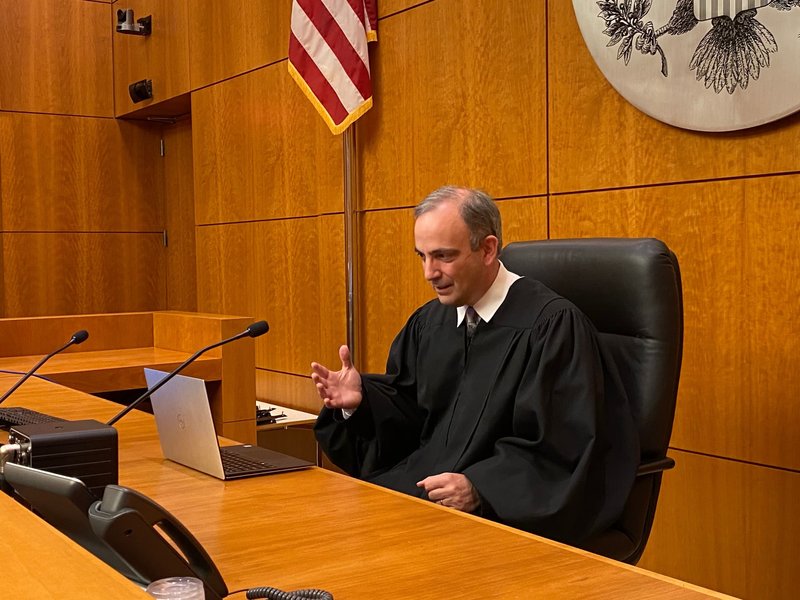
A courtroom setting, symbolizing the legal examination of an official's conduct.
The Nature of the Threat: A Critical Distinction
The First Amendment protects a wide range of speech, even if it is offensive or unpopular. However, this protection is not absolute. For an official's threat to result in liability, it typically must go beyond mere political rhetoric or harsh language.
"True Threats" of Violence
Courts distinguish between protected speech and "true threats." A true threat is a statement where the speaker means to communicate a serious expression of intent to commit an act of unlawful violence to a particular individual or group of individuals. For a threat to be considered a "true threat" and thus lose First Amendment protection, it often needs to be unequivocal, unconditional, immediate, and specific, conveying a gravity of purpose and an imminent prospect of execution. The specific intent of the official to place the citizen in fear is a crucial element to prove.
Harassing or Intimidating Speech
Even if a threat does not rise to the level of a "true threat" of violence, if it is part of a pattern of harassment or intimidation that infringes upon a citizen's constitutional rights (e.g., the right to vote, freedom of speech, or equal protection), it could potentially lead to civil liability, especially if it causes demonstrable harm like emotional distress.
The Shield of Immunity: Qualified and Absolute Protections
Government officials, including elected ones, are often protected by legal immunities that can shield them from lawsuits for damages. These immunities are intended to allow officials to perform their duties without the constant fear of litigation and to avoid inhibiting their discretionary decision-making.
Qualified Immunity Explained
Qualified immunity is a legal doctrine that protects government officials from liability in civil lawsuits unless their conduct violates "clearly established statutory or constitutional rights of which a reasonable person would have known." This means an official is generally immune unless:
- Their actions were clearly incompetent or a knowing violation of the law.
- The right they violated was "clearly established" at the time of the conduct. Proving a right is "clearly established" often requires a plaintiff to point to a prior court decision with "functionally identical facts" or a very similar factual scenario where such conduct was deemed unlawful. This can be a high bar for plaintiffs.
Qualified immunity applies to officials sued in their individual capacity and aims to protect them from the burdens of litigation, not just from paying damages if found liable.
Absolute Immunity: A Rarer Shield
Absolute immunity provides a complete shield from liability for certain official acts, regardless of motive or reasonableness. This type of immunity is typically granted to officials performing functions integral to the judicial process (like judges and prosecutors in their official capacities) or to legislators for actions taken during legislative activities. While high-level executive officials (like the President of the United States) may have absolute immunity for acts within the "outer perimeter" of their official duties, it is less common for other elected officials, especially concerning conduct like making personal threats against citizens.
When Immunity May Not Apply
Immunity, particularly qualified immunity, is not an impenetrable barrier. It may not apply if:
- The official's actions were outside the scope of their discretionary authority or official duties (e.g., a threat made in a purely personal capacity).
- The conduct was a willful or malicious violation of rights.
- The threat constitutes a criminal act.
- The right violated was so clearly established that any reasonable official would have understood their conduct was unlawful.
Avenues for Seeking Justice: Legal Pathways for Citizens
If an elected official's threat causes harm and potentially falls outside immunity protections, several legal avenues may be available to the affected citizen.
Civil Liability and Damages
A citizen harmed by an official's threat may file a civil lawsuit seeking monetary damages. These damages can be:
- Compensatory: To cover actual losses, such as medical bills (for physical or psychological treatment), lost wages, or compensation for emotional distress, pain, and suffering.
- Punitive: Intended to punish the official for egregious conduct and deter similar actions in the future. These are typically awarded only in cases of malicious or reckless behavior.
- Nominal: A small sum awarded when a legal right has been violated, but little to no actual financial harm has occurred.
Civil Rights Lawsuits: Section 1983 and Bivens Actions
A primary tool for suing state and local officials for constitutional violations is 42 U.S.C. § 1983. This federal statute allows individuals to sue government officials acting "under color of law" who deprive them of rights, privileges, or immunities secured by the Constitution and federal laws. If an official's threat infringes on a citizen's constitutional rights (e.g., First Amendment rights, Due Process, Equal Protection), a Section 1983 lawsuit may be appropriate.
For threats made by federal officials, a similar type of lawsuit, known as a Bivens action (stemming from the Supreme Court case Bivens v. Six Unknown Named Agents), may allow for suits for damages for constitutional violations. However, the Supreme Court has become more restrictive in allowing Bivens actions in new contexts.
Criminal Liability: When a Threat Crosses the Line
If an official's threat is severe enough to constitute a "true threat" of violence or falls under specific criminal statutes (e.g., related to intimidation, coercion, or extortion), the official could face criminal prosecution. Federal law (e.g., 18 U.S.C. § 115, which primarily addresses threats *against* federal officials but provides context on what constitutes a serious threat) and state laws criminalize various forms of threatening behavior. A criminal conviction does not automatically result in damages for the victim, but it can be a separate consequence for the official.
Administrative and Disciplinary Actions
Beyond legal liability for damages, an elected official who makes improper threats may face administrative or disciplinary consequences. These can include censure by their legislative body, ethics investigations, recall elections, or, in extreme cases, removal from office, depending on the rules and procedures of the specific governmental body and jurisdiction.
Comparative Overview: Official Liability for Threats
The following table summarizes the different types of potential liability an elected official might face for threatening a citizen, along with key considerations:
| Type of Liability | Description | Primary Legal Basis | Potential Outcomes for Official | Key Considerations for Citizen |
|---|---|---|---|---|
| Civil Liability | Lawsuit for monetary damages due to harm caused by the threat (e.g., emotional distress, reputational damage). | Tort law (e.g., intentional infliction of emotional distress, assault); Civil rights statutes (e.g., 42 U.S.C. § 1983). | Payment of compensatory, punitive, or nominal damages. | Must prove harm; Overcome immunity defenses (qualified/absolute); "Clearly established" right violation. |
| Criminal Liability | Prosecution by the state or federal government if the threat constitutes a crime. | Federal and state criminal statutes (e.g., laws against "true threats," intimidation, extortion). | Fines, imprisonment, probation, loss of office. | Relies on prosecutor's discretion; Focus is on punishment, not direct victim compensation (though restitution may be ordered). |
| Administrative/Disciplinary Action | Non-judicial sanctions imposed by the relevant governmental body or ethics committee. | Rules of conduct for public officials, ethics codes, legislative rules. | Censure, suspension, fines, removal from office, recall. | May not result in monetary damages for the citizen but can hold the official accountable. |
Factors Influencing Liability: A Visual Analysis
Several interconnected factors determine whether an elected official's threat will lead to liability. The radar chart below provides an illustrative assessment of how different elements might weigh in such a legal analysis. Higher values (further from the center) generally suggest an increased likelihood of liability or successful legal action against the official.
This chart illustrates that when a threat is severe, clearly violates established rights, is made with malicious intent, causes demonstrable harm, and falls outside the official's legitimate duties, the chances of overcoming immunity defenses and establishing liability are significantly higher.
Navigating the Legal Landscape: A Mindmap Overview
The process of determining an official's liability for threats involves multiple layers of legal analysis. The mindmap below outlines the key considerations and potential pathways in such cases.
This mindmap illustrates the interconnected elements, from the initial threat to the various legal considerations and potential outcomes, highlighting the complexity involved in holding an elected official accountable.
Understanding Immunity: A Deeper Dive
The concept of immunity is central to cases involving alleged misconduct by government officials. The following video provides a concise explanation of absolute immunity, one of the protective doctrines that can shield officials from lawsuits.
This video explains the legal concept of absolute immunity, which, while less common than qualified immunity for general threats, is an important aspect of official protections.
While this video focuses on absolute immunity, qualified immunity is more frequently invoked in cases of alleged threats by elected officials. Both doctrines aim to balance the need for government officials to perform their duties effectively with the imperative to hold them accountable for unlawful actions.
Frequently Asked Questions (FAQ)
What is a "clearly established right" in the context of qualified immunity?
Can an official be liable if the threat was made on social media?
What if the threat was vague or conditional?
Does it matter if the official was "on duty" or "off duty" when making the threat?
Is suing the government entity itself different from suing the official?
Conclusion
In conclusion, an elected official who threatens a citizen can indeed be held liable for damages, but the path to such an outcome is fraught with legal complexities, most notably the doctrine of qualified immunity. Liability hinges on the specific nature of the threat, whether it violates clearly established constitutional or statutory rights, the intent and actions of the official, and the ability of the citizen to demonstrate harm. While protections exist to ensure officials can perform their duties without undue fear of litigation, these protections are not absolute and do not shield conduct that is clearly unlawful or malicious. Citizens facing such situations should consider seeking legal counsel to understand their rights and the viability of pursuing a claim.
Recommended Further Exploration
- What are the specific elements of a 'true threat' under U.S. law?
- How has the Supreme Court interpreted qualified immunity in recent years?
- What constitutes 'acting under color of law' for a Section 1983 claim against an official?
- Can emotional distress alone be sufficient for damages in a lawsuit against a public official?
References
Last updated May 21, 2025