
Elections During Wartime in Europe
Understanding the Challenges and Historical Contexts
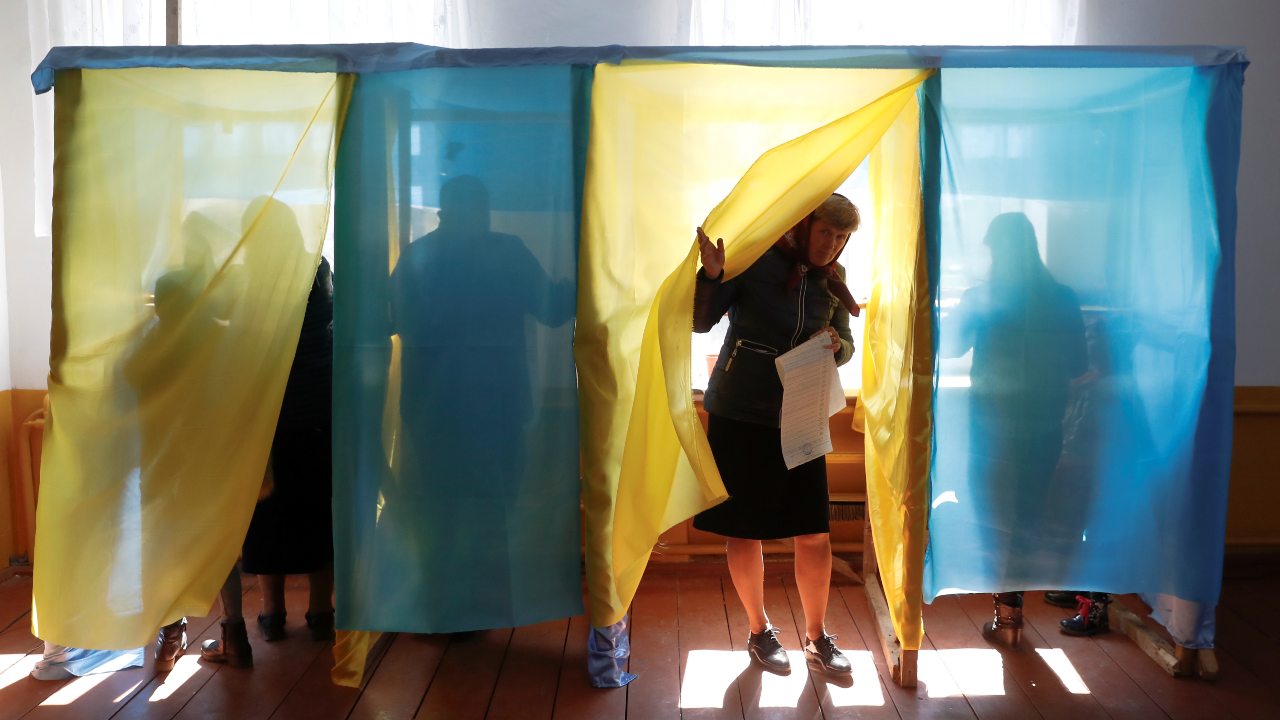
Highlights
- Security and Legal Constraints: Wartime environments impose extreme security risks and legal restrictions that often lead to the postponement or modification of elections.
- Historical Precedents: European democracies, including the UK and France during World War II, provide key examples of how elections were managed or suspended in response to conflict.
- Practical and Logistical Challenges: Issues such as voter displacement, disrupted infrastructure, and ongoing armed conflict complicate the full and fair administration of elections.
Overview
Elections during wartime, particularly within Europe where many conflicts have had deeply disruptive impacts, are characterized by a set of inherent challenges. These include legal constraints imposed by martial law, the difficulty in ensuring voter safety, maintaining the integrity of electoral processes, and addressing the practical implications of nation-wide displacement. This analysis focuses on the experiences of European countries during periods of conflict, drawing on historical instances such as World War II, as well as current challenges in nations like Ukraine.
Security and Constitutional Constraints
Martial Law and Legal Provisions
One of the primary constraints in conducting elections during wartime is the imposition of martial law, which is a common legal instrument used by governments to manage security and order during significant conflicts. Under martial law, many constitutional rights, including the right to hold regular elections, can be suspended. For instance, in Ukraine, the constitution explicitly forbids holding elections while martial law is in effect. This legal barrier is designed to prioritize national security over the regular functioning of democratic processes.
In such contexts, the emphasis shifts from maintaining routine political activities to ensuring that state functions focus on defense and survival during hostilities. The legal justification for postponing elections rests on the argument that fair and free electoral process cannot be guaranteed when security conditions deteriorate and the standard operational framework of governance is disrupted.
Impact on Political Freedoms and Civil Liberties
Wartime conditions not only restrict the scheduling of elections but also affect broader civil liberties. During intense military conflict, media freedoms may be limited, oppositional political forces restrained, and public discourse curtailed. This reduction in political competition stems from the need to project national unity and ensure that decision-making remains cohesive in the face of external and internal threats. When the media is constrained and public debate is muted, the principles of open democratic elections are compromised even further.
Historical Context: European Experiences
World War II: Case Studies
The period of World War II provides several instructive examples of how European nations adjusted or suspended elections in response to their wartime circumstances.
In the United Kingdom, scheduled general elections were postponed during World War II. The National Government adopted the strategy of forming a wartime coalition, emphasizing stability and centralized management of the crisis rather than holding potentially divisive electoral contests. The regular electoral cycle was resumed only after hostilities had ceased, with the general election of 1945 reflecting a return to peacetime democratic processes.
France, another prominent European democracy, faced similar challenges during the war. With the German occupation leading to the collapse of traditional governance structures, scheduled elections were entirely suspended. It was only after the liberation and subsequent re-establishment of democratic institutions that elections resumed in 1945, marking a deliberate transition from a state of war to that of peace and reconstruction.
Denmark presents an interesting contrast within the context of wartime democracy in Europe. Despite undergoing German occupation during World War II, Denmark managed to hold elections during the conflict. However, these instances are notable exceptions rather than the rule. In Denmark’s case, smaller-scale voting under occupation was possible due to unique political negotiations and a relatively less totalitarian environment. Nevertheless, such cases remain rare.
Comparative Analysis Across European Nations
Across Europe, the approach to wartime elections has varied. Many nations face a strategic decision: either postpone elections entirely or modify the electoral process to cope with the security and logistical challenges on the ground.
While some countries have, under duress, attempted to maintain a semblance of democratic processes even during hostilities, these efforts often come with compromised conditions that affect the legitimacy and effectiveness of the electoral outcome. The core argument for postponement or modification is to prevent further destabilization of the state when resources and institutional capacities are already severely strained.
Practical and Logistical Challenges
Ensuring Voter Safety
One of the foremost challenges in conducting elections during a military conflict is ensuring the safety of all participants in the electoral process. When hostilities are active, voters, candidates, and election officials become vulnerable to violence or other forms of disruption. Ensuring secure polling stations, particularly in areas surrounded by active conflict or military engagements, becomes nearly impossible, consequently undermining the integrity of the electoral process.
Governments must weigh the risks associated with conducting elections under these conditions, as the imminent danger to citizens often requires a focus on safety rather than political competition. The central tenet of democratic governance—fair and accessible elections—is compromised when physical security cannot be guaranteed.
Displacement of the Electorate
War invariably leads to displacement of large segments of the population. The mass movement of people, whether due to forced migration or voluntary evacuation, disrupts the voter registration process, complicates the logistics of national voting, and sometimes leaves certain segments permanently disenfranchised. In Ukraine, for example, widespread displacement coupled with the obstacles of administering elections under martial law creates a situation where a significant portion of the electorate cannot exercise their democratic rights.
Displacement not only diminishes the reliability of electoral outcomes but also poses risk challenges in establishing temporary yet secure polling domains for internally displaced populations. The need to accurately track and accommodate a mobile electorate further strains governmental capacities during times of crisis.
Infrastructure and Logistical Barriers
Conducting an election requires a robust infrastructure to support voting operations, including functional polling stations, reliable transportation, competent staff, and secure communication channels. Wartime conditions often lead to significant disruptions in these critical areas. Damaged communication networks, reduced personnel available to manage elections, and jeopardized transportation systems together hamper the timely and effective conduct of elections.
The logistical impossibility of arranging secure, wide-ranging electoral processes serves as a strong justification for the postponement or modification of elections during armed conflicts. Governments in war scenarios usually prefer to concentrate their limited resources on essential military and civil services rather than on the standard electoral process.
Impact on Charges and Political Composition
Electoral Outcomes and Shifts in Political Dynamics
When elections are conducted during wartime under pressing conditions, the political outcomes often reflect the changing priorities of the regime in power. Historical analyses have shown that although the overall distribution of seats might remain relatively unchanged, the profiles and backgrounds of elected officials can shift to better align with wartime governance priorities.
For example, even if the proportional representation of political parties does not significantly differ from peacetime rounds, the skill sets, loyalty cards, and wartime credentials of the elected representatives come to the forefront as essential criteria. In such instances, the electoral process indirectly endorses the wartime stance of governance, often at the cost of traditional democratic competition that favors policy debates over crisis management.
Role of International Oversight
In contexts where elections are still conducted amidst hostilities—whether in modified forms or under restricted conditions—the role of international observers becomes crucial. Election monitoring agencies and international democratic organizations work to ensure that, to the extent possible, the elections remain free and fair. They evaluate the security arrangements, the transparency of the process, and the measures taken to protect voters.
Such oversight, however, can be challenging to implement consistently due to the fluid and dangerous nature of warzones. Despite these challenges, the presence of international observers provides an added layer of legitimacy which might otherwise be lost in the absence of strict adherence to democratic protocols.
Comparative Insights and Lessons Learned
Table: Key Challenges and Responses in Wartime Elections
| Challenge | Description | Typical Response |
|---|---|---|
| Security Risks | Direct threats to voters, candidates, and officials in conflict zones. | Postponing elections to safeguard citizens. |
| Legal Constraints | Martial law and constitutional provisions that limit electoral activities. | Suspension of regular elections; modification of electoral processes. |
| Displacement of Electorate | Mass migration of citizens, complicating voter registration and participation. | Establishing temporary voting systems, although often insufficient. |
| Infrastructure Damage | Compromised logistical support including damaged polling stations and communication networks. | Resource reallocation towards security and essential services. |
| Political Dynamics | Shifts in elected profiles to favor wartime credentials over standard political expertise. | Emergence of coalition governments or modified electoral procedures that emphasize stability. |
This table encapsulates some of the fundamental challenges and common responses associated with wartime elections in Europe. As evident, each point underscores a delicate balance between maintaining democratic institutions and addressing immediate security and logistical needs.
Modern-Day Considerations
In modern contexts, such as in Ukraine where active conflict persists and martial law is in effect, there is a strong consensus that postponing elections is both legally and practically justified. Despite advancements in communication technologies and rapid international coordination, the basic challenges of voter safety, displacement, and infrastructure limitations remain.
Additionally, pragmatic decision-making during wartime often necessitates a temporary shift in priorities. Governments are compelled to focus on national security, ensuring survival and stability, rather than on idealistic adherence to traditional electoral timelines. This pragmatic approach is supported by both historical precedents and contemporary analyses which affirm that holding elections under such dire conditions may undermine the overall democratic credibility of the process.
International Perspectives and Future Implications
Global Comparisons and Learning Opportunities
Looking beyond Europe, various democracies have also faced similar dilemmas regarding elections during wartime. In the United States during the Civil War and in several instances during the World Wars, adaptations had to be made to balance the need for democratic continuity with the imperatives of security. These global examples provide valuable lessons on how states can navigate such tumultuous times.
International institutions and democratic oversight bodies emphasize that while the postponement of elections might be necessary, efforts should continue to uphold democratic norms. For example, international observers often advocate for transitional measures that allow affected populations to plan for future electoral cycles once stability is restored.
Looking Ahead
As European nations and others confront future conflicts, the challenges documented in recent and historical situations will continue to inform policy decisions. Transformative strategies might include investing in robust emergency electoral infrastructures, leveraging technology to reach displaced voters, and ensuring that constitutional frameworks are adaptable enough to retain democratic legitimacy even amidst crisis.
It is paramount for governments to consider these lessons and integrate contingency planning for elections as part of broader national resilience measures. This involves not only legal reforms and secure electoral designs but also clear communication with the public to build consensus on the temporary nature of such measures. By doing so, states can ensure that once conflict subsides, the restoration of conventional democratic processes is both swift and credible.
References
- Explainer: Conducting elections during war - International IDEA
- How common is it for democracies to postpone elections during wartime? - Full Fact
- Elections in wartime - Publications Office of the EU
- 1945 United Kingdom general election - Wikipedia
- Are elections held during wartime - Babel
Recommended Queries
Last updated March 6, 2025