
Electric Cars - Purchase Guidance
Find the Best Electric Car for Your Needs
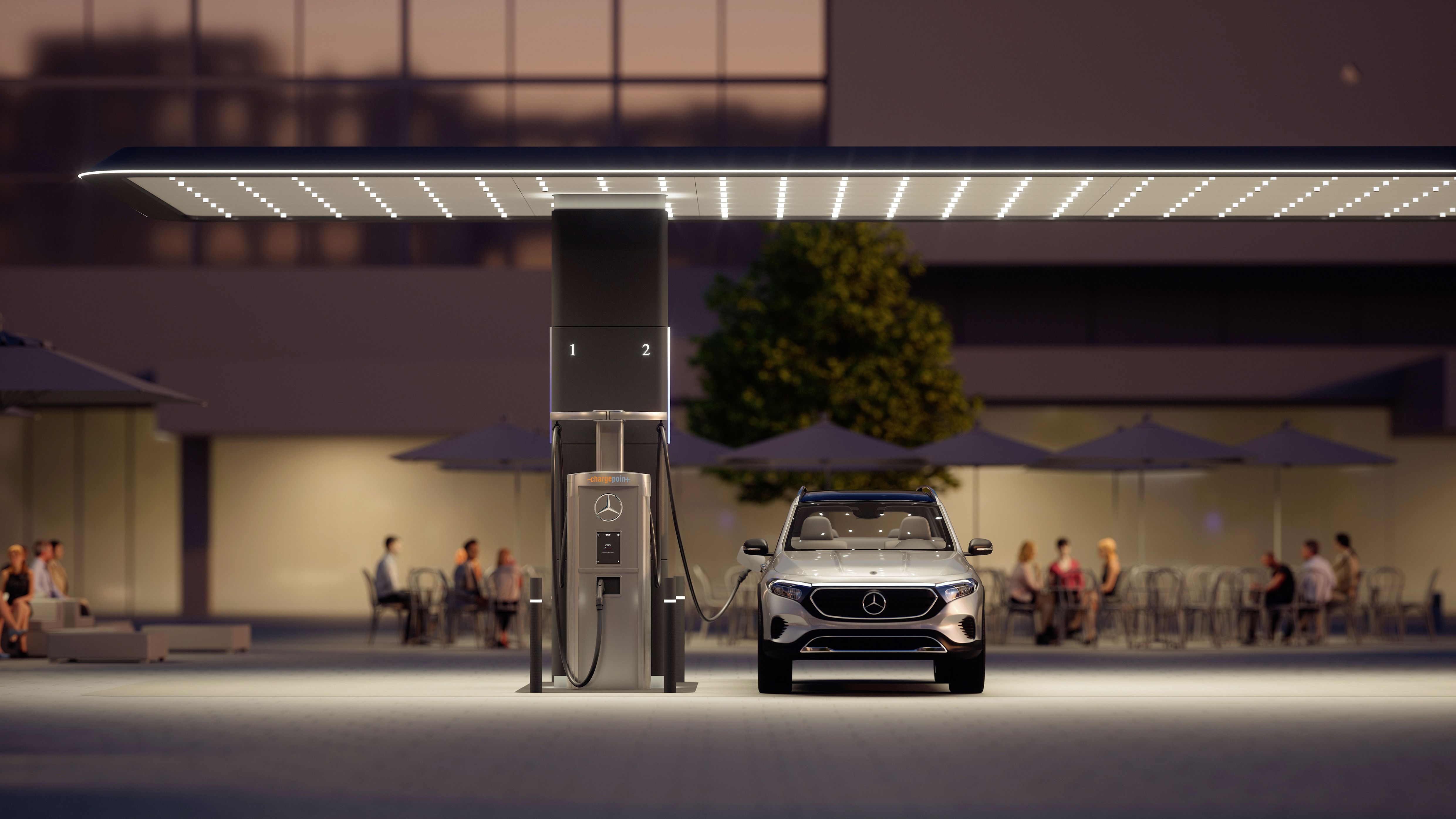
Highlights
- Tailored Selection: Choose based on personal priorities including budget, range, and performance.
- Sector Leaders: Models like the Hyundai Ioniq 6, Tesla Model 3, and Lucid Air excel in design, efficiency, and comfort.
- Diverse Categories: There's an electric car for every need – from affordable compact models to high-performance luxury vehicles.
Understanding Your Priorities
Before deciding on which electric car to buy, it is essential to understand that the best electric vehicle for you is highly dependent on your individual circumstances. Buyers often weigh several factors such as budget, driving range, performance, design, and the available charging infrastructure. An informed decision requires clarity on what you need most from your vehicle.
Budget and Incentives
One of the first considerations for any car purchase is the budget. Electric vehicles (EVs) span a wide range of price points and come with different financing options, government incentives, and potential tax rebates depending on where you live. For instance, if you are looking at a cost-effective option, there are several models under $35,000, which include vehicles like the Nissan Leaf and Hyundai Kona Electric. However, if you are inclined towards luxury and performance, vehicles such as the Lucid Air or Tesla Model 3 offer a more premium package, albeit at a higher initial cost.
Additionally, local and federal incentives might significantly bring down the effective purchase price. Incentive programs that include tax rebates can make even a more expensive, high-end model more affordable in the long term.
Example Incentive Considerations
Buyers should check regional guidelines and online resources to understand the available tax credits or rebates that might apply to their purchase. Consider choosing a model with state-specific incentives and environmental benefits which can further reduce the overall cost of ownership.
Driving Range and Charging Infrastructure
The driving range and the ease of recharging are critical factors that come into play when purchasing an electric vehicle. Daily driving habits, regular commuting distances, and the availability of charging stations should guide your decision. For example, if you have a short daily commute, an EV with a moderate range may be sufficient. In contrast, if you regularly embark on long journeys, opting for a vehicle that has a significantly higher range and access to a robust fast-charging network is essential.
Range Variations Across Models
Many of the top-rated electric cars in the market today offer a range that comfortably meets daily driving needs. Luxury models like the Lucid Air can provide over 500 miles on a single charge, whereas more affordable options might offer between 200 to 300 miles. Overall, the wide range of options available ensures that there is an appropriate EV for every driver's needs.
Charging Options Explained
The charging infrastructure differs greatly between models and regions. Charging at home may be your primary method, but having access to public fast chargers is also important for long trips. Most modern EVs are now compatible with fast charging networks, yet it is wise to confirm if the charging connector and adapter specifications match your geographical area’s chargers.
Performance, Technology, and Comfort
Modern electric cars are not only about zero emissions; they are also known for their dynamic performance, innovative technology, and comfortable, often luxurious interiors. Performance metrics such as acceleration, top speed, and handling are vital factors to consider. Many electric vehicles offer instant torque which provides swift acceleration, a trait that is appreciated by many auto enthusiasts.
Performance and Driving Experience
Vehicles like the Tesla Model 3 have gained a reputation for delivering impressive acceleration and a smooth, responsive driving experience. While some models emphasize pure performance, others balance performance with comfort and efficiency, targeting a broader audience. Features such as adaptive cruise control, regenerative braking, and advanced driver assistance systems have become standard and significantly enhance the overall driving experience.
Technology Integration
One of the most attractive features of today's EVs is the integration of advanced technology. From intuitive infotainment systems to over-the-air software updates, electric cars now feature cutting-edge tech that keeps drivers connected. For instance, Tesla’s continuous over-the-air updates ensure that the vehicle software is always current and can introduce new functionalities, while other manufacturers are rapidly bridging the gap in technological innovation.
Evaluation of Top Electric Vehicle Models for 2025
The current market comprises several highly rated electric cars. Each model has its distinctive strengths, making it fit into various niches depending on what the buyer values most. Here, we break down some of the leading contenders across different categories:
Best Overall and Best Luxury Options
Among the overall best, vehicles like the Hyundai Ioniq 6 have received consistent praise for their balanced performance, sleek design, and efficiency. With high ratings and favorable reviews from automotive experts, this model has become a benchmark for overall excellence. For buyers leaning toward the luxury segment, the Tesla Model 3 and Lucid Air stand out. The Tesla Model 3 offers a mix of modern technology, impressive range, and competitive pricing, while the Lucid Air boasts a luxurious design, cutting-edge tech, and an exceptional range that exceeds 500 miles.
Top Choices for Utility and SUV Categories
When it comes to electric SUVs, versatility and performance come to the forefront. The Hyundai Ioniq 5 is lauded for its range, performance, and practicality. Its modern design and strong market presence make it a popular choice among families and daily commuters alike. Similarly, models like the Kia EV9 and the emerging electric SUVs from renowned brands offer plenty of space, comfort, and advanced safety features.
Affordable Yet Efficient Electric Cars
Not all buyers need or desire the luxury or high-performance features that come with higher price tags. For those seeking affordability without sacrificing efficiency, models such as the Nissan Leaf and Hyundai Kona Electric provide competitive range and performance at lower prices. These vehicles are particularly suitable for urban environments where shorter daily commutes are the norm.
Specialty and Niche Models
Beyond the mainstream options, there are several specialty electric cars that target niche markets. For example, small electric vehicles like the Renault 5 E-Tech offer an engaging driving experience with a compact design and affordability. In the performance sector, models like the Hyundai Ioniq 5 N combine the practicality of an SUV with performance characteristics that cater to driving enthusiasts, offering the best of both worlds.
Side-by-Side Comparison Table
Below is a table summarizing key features and specifications of selected electric car models, which can help you make a more informed decision:
| Model | Category | Approx. Range (miles) | Starting Price (USD) | Key Feature |
|---|---|---|---|---|
| Hyundai Ioniq 6 | Overall Best | 300+ | $40,000 - $45,000 | Balanced Performance & Efficiency |
| Tesla Model 3 | Luxury/Performance | 350+ | $42,000 - $55,000 | Advanced Tech & Range |
| Lucid Air | Luxury | 500+ | $80,000+ | Exceptional Range & Luxury |
| Hyundai Ioniq 5 | SUV/Utility | 300-350 | $43,000 - $50,000 | Spacious Interior & Fast Charging |
| Nissan Leaf | Affordable | 150-226 | $28,000 - $32,000 | Great for Urban Driving |
Integrating Personal Priorities into Your Decision
Your personal needs and preferences should drive the process of selecting the best electric car. If you are looking for a daily commuter that has minimal environmental impact while keeping operational costs low, the available options span from affordable compact choices to models that incorporate the latest tech and design features.
Assessing Your Daily Commute
Consider the distance and intensity of your daily commute. For shorter commutes, an EV with a modest range may suffice, while longer trips might require a model that supports rapid charging or has an extended battery range. The nature of your trip – whether it’s predominantly city driving or long highway journeys – plays a crucial role in determining the ideal model.
Urban vs. Highway Charging
Urban environments often have a higher concentration of fast chargers and public charging stations, making it easier to find recharging facilities. In contrast, in rural or less populated regions, the range of your EV and availability of home charging become much more significant. This distinction impacts the overall ownership experience.
Reviewing the Technological Landscape
The technological advances in electric vehicles provide another compelling reason to consider certain models over others. The evolution of battery technology, autonomous driving systems, and in-car connectivity are influential factors. For instance, some brands offer robust over-the-air updates that continuously enhance vehicle performance and safety features. This ensures that your car remains up-to-date with the latest technological trends.
Embracing Modern Connectivity
Integrating mobile connectivity, sophisticated navigation systems, and personalized settings are now standard features in many high-end electric vehicles. This new generation of EVs is designed not just as a mode of transportation, but as a connected device that integrates into your daily digital lifestyle. The seamless interaction between mobile applications and the car’s control dashboard makes it easier to keep track of battery life, find nearby charging stations, and even schedule maintenance alerts.
Safety and Assistance Features
Beyond performance and technology, modern electric vehicles are equipped with a suite of safety features. Advanced driver assistance systems (ADAS), including adaptive cruise control, lane-keeping assist, and automated braking systems, significantly enhance driver safety. These features not only improve the driving experience but also offer an additional layer of protection in case of emergencies.
Environmental Impact and Sustainability
Sustainability is one of the core reasons why many buyers are turning to electric vehicles. The transition from internal combustion engines to electric cars represents a significant reduction in greenhouse gas emissions, contributing to a cleaner environment. Additionally, manufacturers are increasingly focusing on sustainable practices such as battery recycling and minimized use of non-renewable materials during production.
Green Technology Innovations
Many modern electric vehicles incorporate innovative green technologies that not only reduce the carbon footprint but also optimize energy usage. For environmentally conscious buyers, models that offer efficient energy recovery through regenerative braking and design innovations that lower aerodynamic drag are particularly appealing. In this era of rapid technological progression, the overall environmental benefits of owning an EV extend far beyond just reducing emissions to influencing the entire automotive industry's commitment to sustainability.
Lifecycle Considerations
When considering the environmental impact, it is important to evaluate the entire lifecycle of the vehicle. From the sourcing of raw materials to battery disposal or recycling, manufacturers’ commitment to sustainability is becoming a key decision factor for buyers. It encourages the growth of practices that promote a sustainable future for the automotive industry.
Practical Tips When Purchasing an Electric Vehicle
Beyond technical specifications and performance reviews, it is wise to adopt a practical approach when buying an electric car. Taking several steps before making a final decision can save you time and money in the long run.
Test Drives and Dealership Visits
Arranging test drives is critical. Not only does it allow you to experience firsthand the performance and comfort of a vehicle, but it also helps you understand real-world factors that technical reviews might not fully capture. Visiting multiple dealerships can provide a broader perspective on what each brand offers and help you negotiate the best possible deal.
Reviewing Ownership Costs
Consider long-term ownership costs such as maintenance, battery replacement, insurance, and charging equipment installation. Some electric models have lower maintenance costs because they have fewer moving parts than traditional combustion engines. However, understanding potential battery degradation and warranty offers is equally important.
It is advisable to consult consumer reports, professional reviews, and owner forums to gather insights into the reliability and cost-effectiveness of your shortlisted models.
Buying the Best Electric Car: A Recap
Determining the best electric car to buy is a highly personalized decision that depends on balancing several essential factors:
- Personal Priorities: Whether your priority is financial savings, long driving range, luxury features, or overall performance.
- Technological Advancements: The integration of modern technology and innovative functionalities sets different models apart and shapes the ownership experience.
- Environmental Impact: Sustainable design, green technology, and a commitment to reducing emissions are increasingly significant aspects to consider.
By carefully considering these factors, you can narrow down the options to a few top contenders that align with your lifestyle and budget. Whether you lean towards a luxury model like the Lucid Air, a performance-driven option like the Tesla Model 3, or a well-balanced choice like the Hyundai Ioniq 6, the important part is ensuring that your chosen vehicle meets your specific needs and delivers a satisfying driving experience for years to come.
Conclusion
In conclusion, the question "What electric car is best to buy?" hinges on personal preferences and practical requirements. The current landscape for electric vehicles is rich with options that cater to a wide variety of lifestyles and budgets. Buyers should prioritize factors such as their daily driving needs, performance expectations, available charging infrastructure, budget constraints, and the overall ownership experience. Top contenders like the Hyundai Ioniq 6, Tesla Model 3, and Lucid Air stand out for their balanced features, innovative technologies, and strong reputations.
It is essential to conduct comprehensive research, test drive multiple models, and consider both long-term costs and environmental sustainability before committing to a purchase. Whether you choose an affordable compact EV or a high-end luxury model, the advancements in electric vehicle technologies promise to offer an impressive driving experience and significant contributions to environmental conservation. Armed with the right information and a clear understanding of your priorities, you can confidently choose the best electric car that meets your lifestyle and values.
References
-
Best Electric Vehicles of 2025 - U.S. News
- The Best Electric Cars for 2025 - PCMag
- 13 Best Electric Cars of 2025 - Consumer Reports
- Electric Car Ratings - Kelley Blue Book
-
Top Electric Vehicles of 2025 - Cars.com
Recommended Searches
Last updated February 19, 2025