
Electric Scooter Market Size and Global Forecast 2024-2032
An in-depth analysis of growth drivers, trends, and future projections.
Key Takeaways
- Significant Growth Expected: The electric scooter market is projected to expand substantially by 2032, fueled by urbanization and sustainability initiatives.
- Asia Pacific Leads the Market: Dominant market share held by the Asia Pacific region, with continued growth expected throughout the forecast period.
- Technological Advancements and Government Support: Innovations in battery technology and favorable government policies are major catalysts driving market expansion.
Market Overview
The global electric scooter market has been witnessing robust growth, characterized by a surge in demand for sustainable transportation solutions. Electric scooters offer an eco-friendly alternative to traditional gasoline-powered vehicles, addressing urban mobility challenges such as traffic congestion and pollution. The market encompasses a wide range of products, including stand-up scooters, seated scooters, and specialized off-road models, catering to diverse consumer needs from personal commuting to shared mobility services.
Market Size & Growth Outlook
As of 2023, the electric scooter market was valued between USD 17.73 billion to USD 24.67 billion, with some estimates placing the figure at approximately USD 23.7 billion. Projections indicate that the market is set to grow at a compound annual growth rate (CAGR) ranging from 6% to 18.9% between 2024 and 2032. By 2032, the market is expected to reach valuations upwards of USD 50.78 billion, although some sources predict figures as high as USD 96.18 billion. This variance is attributed to differing methodologies and assumptions across market research reports. Nonetheless, the consensus underscores a significant upward trajectory for the electric scooter industry over the next decade.
Growth Drivers
The expansion of the electric scooter market is driven by several key factors:
- Environmental Sustainability: Increasing awareness about climate change and the need to reduce carbon emissions have propelled the adoption of electric scooters as a greener transportation option.
- Urbanization: Rapid urbanization has led to congested cities, making electric scooters an attractive solution for last-mile connectivity and personal mobility.
- Technological Advancements: Innovations in battery technology, such as lithium-ion batteries, have enhanced the performance and range of electric scooters, making them more viable for everyday use.
- Government Policies: Supportive regulations and incentives, including subsidies for electric vehicles and investments in charging infrastructure, have bolstered market growth.
- Expansion of Charging Infrastructure: The development of widespread and accessible charging networks has alleviated range anxiety and facilitated the proliferation of electric scooters.
- Increased Adoption in Key Markets: Regions with high population densities and favorable economic conditions, particularly in the Asia Pacific, have seen substantial uptake of electric scooters.
Major Trends Shaping the Market
Micromobility Ecosystems
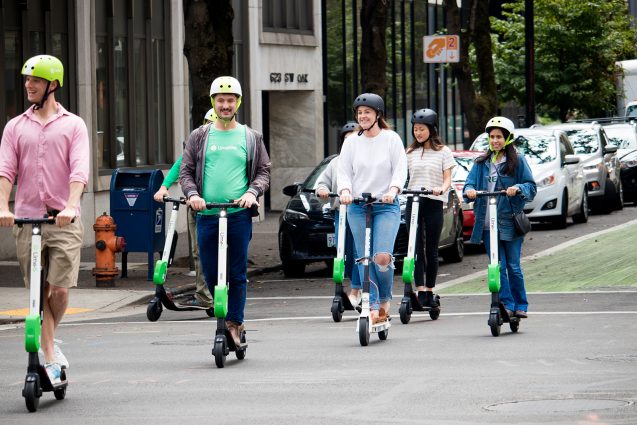
One of the prominent trends driving the electric scooter market is the rise of micromobility ecosystems. Shared scooter services operated by startups and established transportation companies are becoming integral to urban mobility plans. These services provide convenient, on-demand transportation options that complement public transit systems, reducing the reliance on personal vehicles and mitigating traffic congestion.
Technological Integration
The integration of advanced technologies is enhancing the functionality and user experience of electric scooters. Features such as GPS tracking, IoT connectivity, and mobile payment systems streamline operations and offer users seamless interaction with scooter services. Additionally, the incorporation of AI-based route optimization and collision detection sensors improves safety and efficiency.
Design and Innovation
Manufacturers are focusing on innovative designs that emphasize safety, comfort, and portability. Enhancements in battery efficiency, lightweight materials, and ergonomic designs make electric scooters more appealing to a broader consumer base. Improvements such as extended battery life, faster charging times, and rugged builds for off-road usage are key areas of innovation.
Expansion in Emerging Markets
Emerging markets in regions like Asia-Pacific, Latin America, and Africa present significant growth opportunities for electric scooter manufacturers. Rising disposable incomes, increasing urbanization, and governmental support for green mobility initiatives are driving the adoption of electric scooters in these regions.
Market Segmentation
By Product Type
The electric scooter market can be segmented based on product type as follows:
- Stand-up Electric Scooters: Designed for personal commuting, these scooters are lightweight, portable, and ideal for short-distance travel.
- Seated Electric Scooters: Equipped with a seat, these scooters offer enhanced comfort for longer rides and are often used for last-mile connectivity.
- Off-road and Specialty Electric Scooters: Built for rugged terrains and specialized applications, these scooters cater to niche markets requiring durability and performance in challenging environments.
By Battery Type
Electric scooters are also categorized based on the type of battery used:
- Lithium-ion Batteries: Predominantly used due to their high energy density, longer lifecycle, and lighter weight, making scooters more efficient and easier to handle.
- Alternative Battery Technologies: Emerging technologies aiming to improve energy storage, reduce costs, and enhance environmental sustainability are being explored in newer models.
By End-User
The market caters to various end-user segments:
- Private Consumers: Individuals using electric scooters for personal mobility and commuting purposes.
- Rental & Fleet Operators: Companies providing shared scooter services for urban transportation.
- Commercial Enterprises: Businesses utilizing electric scooters for logistics, employee mobility, and last-mile delivery services.
By Region
Regional segmentation highlights the geographical distribution and market dynamics:
- North America: High demand in urban centers with initiatives focused on smart city projects and sustainable transportation.
- Europe: A mature market influenced by stringent emission regulations and integrated urban mobility strategies.
- Asia-Pacific: Rapidly growing due to dense urban populations, rising incomes, and substantial investments in electric mobility infrastructure.
- Rest of the World: Includes emerging economies in Africa and Latin America, where urbanization and economic development are driving electric scooter adoption.
Market Segmentation Table
| Segmentation Criteria | Sub-segments | Description |
|---|---|---|
| Product Type | Stand-up Electric Scooters | Lightweight, portable scooters for short-distance travel |
| Seated Electric Scooters | Scooters with seats for enhanced comfort during longer rides | |
| Off-road and Specialty Electric Scooters | Designed for rugged terrains and specialized applications | |
| Battery Type | Lithium-ion Batteries | High energy density, longer lifecycle, lighter weight |
| Alternative Battery Technologies | Emerging technologies aiming for improved energy storage and sustainability | |
| End-User | Private Consumers | Individuals using scooters for personal mobility |
| Rental & Fleet Operators | Companies providing shared scooter services | |
| Commercial Enterprises | Businesses using scooters for logistics and employee mobility | |
| Region | North America | High urban demand with smart city initiatives |
| Europe | Mature market with stringent emission regulations | |
| Asia-Pacific | Rapid growth due to dense populations and rising incomes | |
| Rest of the World | Emerging markets in Africa and Latin America |
Regional Performance
Asia Pacific Dominance
The Asia Pacific region continues to hold a dominant position in the electric scooter market, accounting for approximately 83.08% of the global market share in 2023. This dominance is driven by factors such as large population bases, rapid urbanization, and supportive government policies promoting electric mobility. Countries like India, China, and various Southeast Asian nations are at the forefront of this growth, with significant investments in infrastructure and a cultural shift towards sustainable transportation solutions.
North America
In North America, the electric scooter market is experiencing strong demand in urban centers, supported by smart city projects and initiatives aimed at reducing carbon emissions. The presence of key market players and increasing consumer awareness about environmental sustainability contribute to the region's market growth.
Europe
Europe represents a mature market with well-established regulations and integrated urban mobility plans. Stringent emission standards and incentives for adopting electric vehicles have spurred the adoption of electric scooters across European cities. Additionally, the focus on enhancing public transportation systems with micromobility solutions has further fueled market expansion.
Rest of the World
Emerging economies in Africa and Latin America present substantial growth opportunities for the electric scooter market. Rising disposable incomes, increasing urban populations, and governmental support for green mobility initiatives are key drivers in these regions. However, challenges such as inadequate infrastructure and regulatory complexities need to be addressed to fully realize market potential.
Challenges and Opportunities
Regulatory Complexities
One of the primary challenges facing the electric scooter market is the varying regulatory frameworks across different regions and cities. Regulations pertaining to speed limits, helmet requirements, parking restrictions, and usage zones necessitate manufacturers and service providers to adapt their products and strategies accordingly. Navigating these regulatory landscapes requires robust compliance mechanisms and proactive engagement with policymakers.
Infrastructure Limitations
In many urban areas, the lack of dedicated scooter lanes and parking facilities impedes the widespread adoption of electric scooters. Developing comprehensive infrastructure that supports safe and efficient scooter usage is crucial for market growth. Investments in charging stations, docking points, and maintenance facilities are essential to enhance user convenience and mitigate range anxiety.
Competition & Market Saturation
As the electric scooter market matures, competition among numerous players intensifies, particularly in established markets. This heightened competition can lead to pricing pressures and thinner profit margins for manufacturers and service providers. Differentiating offerings through technological innovation, superior design, and value-added services becomes imperative to maintain a competitive edge.
Environmental and Recycling Concerns
The environmental impact of electric scooters extends beyond their usage. The lifecycle management of batteries, particularly lithium-ion variants, and the end-of-life recycling of scooters pose significant sustainability challenges. Developing eco-friendly manufacturing processes, promoting battery recycling initiatives, and adopting circular economy principles are critical to minimizing the ecological footprint of electric scooters.
Opportunities
Despite the challenges, the electric scooter market offers numerous opportunities:
-
Technological Innovation: Advancements in battery technology, IoT integration, and AI-driven functionalities can enhance performance and user experience.
-
Expansion into Emerging Markets: Untapped markets in developing regions present lucrative growth prospects for manufacturers and service providers.
-
Partnerships and Collaborations: Strategic alliances between scooter manufacturers, technology firms, and local governments can drive the development of comprehensive mobility solutions.
-
Customization and Personalization: Offering customizable features and personalized services can cater to diverse consumer preferences, fostering brand loyalty.
-
Sustainable Practices: Emphasizing eco-friendly materials and sustainable manufacturing processes can enhance brand reputation and appeal to environmentally conscious consumers.
Investment & Innovation Outlook
Partnerships & Collaborations
The future of the electric scooter market is likely to be shaped by strategic partnerships and collaborations. Manufacturers are increasingly partnering with technology startups to integrate advanced features such as GPS tracking, IoT connectivity, and AI-based route optimization into their products. Collaborations with local governments and municipalities are essential for developing supportive infrastructure and regulatory frameworks that facilitate the adoption of electric scooters.
Research & Development Focus
Investment in research and development (R&D) is pivotal for driving innovation in the electric scooter market. Key areas of focus include enhancing battery performance to extend range and reduce charging times, incorporating advanced safety features like collision detection sensors, and developing lightweight yet durable materials to improve scooter portability and ride comfort. Continuous R&D efforts are crucial for maintaining technological leadership and meeting evolving consumer demands.
Expansion Strategies
Companies in the electric scooter market are adopting various expansion strategies to increase their market presence. Geographic expansion into new regions, both in developed and emerging markets, allows companies to tap into diverse consumer bases. Vertical integration, such as diversifying service offerings through mobility-as-a-service (MaaS) bundles and subscription models, enables companies to cater to different customer segments and generate multiple revenue streams.
Investment Trends
Investment in the electric scooter sector is on the rise, with venture capital firms and strategic investors recognizing the growth potential of micromobility solutions. Funding is being directed towards startups developing innovative scooter designs, advanced battery technologies, and comprehensive mobility platforms. Additionally, established automotive and technology companies are diversifying their portfolios by entering the electric scooter market through acquisitions and joint ventures.
Conclusion
The electric scooter market is poised for remarkable growth from 2024 to 2032, driven by factors such as increasing urbanization, environmental sustainability, and technological advancements. The Asia Pacific region remains the dominant market, supported by rapid urbanization and substantial governmental support. Despite challenges like regulatory complexities and infrastructure limitations, the market presents significant opportunities for innovation, expansion into emerging markets, and strategic collaborations. Companies that prioritize R&D, sustainable practices, and customer-centric innovations are well-positioned to capitalize on the burgeoning demand for electric scooters. As cities continue to evolve towards smarter and more sustainable mobility solutions, the electric scooter will play a pivotal role in shaping the future of urban transportation.
References
Last updated February 4, 2025