
Quality Control in Electronics Production
Ensuring Reliability and Excellence in Every Step
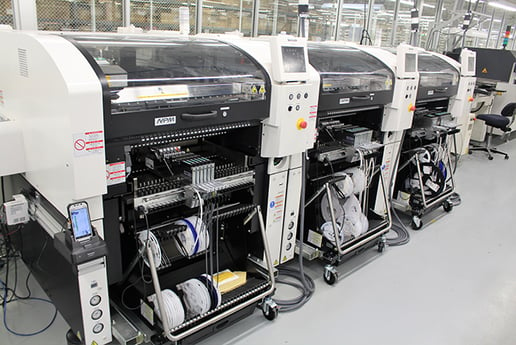
Key Insights
- Standardization: Defining clear quality standards ensures consistency and sets performance benchmarks.
- Process Monitoring: Continuous inspections, from incoming materials to final testing, guarantee product reliability.
- Employee Involvement: Comprehensive training and data analysis empower teams and enhance production efficiency.
Overview of Quality Control in Electronics Production
Quality control in electronics production is a meticulously planned process that aims to ensure that every product manufactured adheres to the strict standards set by industry regulations and customer expectations. Through a series of systematic inspections, testing procedures, and continuous monitoring, manufacturers can ensure that the components and final products perform as expected under diverse conditions. The integration of advanced inspection techniques, standardized protocols, and employee training plays a pivotal role in minimizing defects, reducing production costs, and enhancing overall product reliability.
The Importance of Standardization
Defining Quality Standards and Specifications
One of the foundational pillars of quality control in electronics manufacturing is the establishment of clear and concise quality standards. These standards serve multiple vital purposes:
- They define the desired characteristics of the components and products, ensuring uniformity throughout the production process.
- They establish performance benchmarks, offering measurable criteria that the products must meet before reaching the consumer.
- They provide a consistent framework that aligns manufacturing processes with regulatory and industry requirements such as ISO 9001, IPC-A-610, and RoHS.
Clear documentation of these standards helps guide the entire production process, from design and raw material procurement to the final quality checks. This standardization not only enhances reliability but also fosters a culture of continuous improvement within manufacturing teams.
Incoming Material Inspection
Inspection of Raw Materials and Components
The quality of a finished electronic product begins long before it reaches the assembly line. Thorough inspections of incoming materials are essential for identifying defects or counterfeit components that can compromise product performance. Key aspects of this process include:
- Detailed visual and electronic inspections to identify visual defects, wear, or signs of tampering.
- Utilizing advanced tools such as Automated Optical Inspection (AOI) to quickly and accurately assess component quality.
- Verifying compliance with the defined quality specifications to ensure that only validated, high-quality parts move forward in the process.
By establishing a rigorous incoming material inspection process, manufacturers can significantly reduce the chances of product failure and avoid the high costs associated with recalls and repairs. Early detection and correction also increase overall production efficiency.
Process Control in Manufacturing
Monitoring and Regulation Throughout Production
Process control is concerned with maintaining optimal operating conditions across all stages of production. This involves:
- Establishing protocols that dictate every step of the manufacturing process, ensuring that assembly lines operate at peak performance.
- Implementing Statistical Process Control (SPC) methods that leverage data to closely monitor the performance of production processes.
- Adjusting and calibrating equipment to maintain the desired operational levels and remedy any deviations as soon as they are detected.
The use of advanced process monitoring techniques is integral to detecting bottlenecks or errors early in the production cycle. Real-time adjustments help minimize downtime and avert the progression of minor issues into more significant defects.
In-Process and End-of-Line Testing
Layered Quality Checks for Maximum Assurance
Quality control in electronics production is not a single checkpoint activity; rather, it involves multiple layers of testing:
- In-Process Inspections: Regular checks conducted at various stages during the assembly process. These inspections aim to catch defects early on before they propagate further in the production chain.
- End-of-Line Testing: Comprehensive testing procedures for finished products before they are shipped. This final evaluation ensures that every item meets all specified performance benchmarks.
In addition to functional tests that assess the performance capabilities of a product, environmental and reliability testing is crucial. Such tests simulate real-world conditions (e.g., temperature fluctuations, humidity, shocks, and vibrations) to confirm that electronic products will operate reliably under various circumstances.
Crucial Components of an Effective Quality Control System
Employee Training and Involvement
Empowering the Manufacturing Workforce
A quality control system is only as strong as the people who implement it. Employee training is a vital component that ensures the proper execution of quality control measures. This training includes:
- Familiarizing staff with emerging technologies and modern inspection techniques.
- Equipping employees with the knowledge to effectively operate quality testing equipment.
- Encouraging proactive involvement in identifying and reporting any discrepancies or quality issues that arise during production.
Empowering the workforce through ongoing education and training drives a culture where quality is paramount. This proactive approach contributes significantly to reducing the incidence of defects and fosters continuous process enhancement.
Continuous Monitoring and Data Analysis
Using Data for Informed Decisions
Continuous monitoring plays an essential role in quality control by tracking key quality indicators (KPIs) across the production process. The systematic collection and analysis of data facilitate:
- Early identification of trends and emerging issues before they escalate into major problems.
- Implementation of corrective actions based on data-driven insights to quickly adjust processes.
- Long-term strategic improvements by benchmarking performance against industry standards.
Data analytics helps enable proactive management by providing detailed insights into the dynamics of the production process. Statistical tools and real-time monitoring systems ensure that manufacturers remain adaptive and responsive to any potential quality concerns.
Table: Quality Control Processes in Electronics Production
| Process Stage | Key Activities | Technologies & Techniques |
|---|---|---|
| Incoming Inspection |
|
|
| Process Control |
|
|
| In-Process Testing |
|
|
| End-of-Line Testing |
|
|
Compliance and Industry Standards
Adhering to Global Standards
Compliance with industry-recognized standards is integral to maintaining high quality and ensuring that products meet both customer and regulatory demands. Manufacturers typically adhere to standards and certifications such as:
- ISO 9001: A globally recognized standard that sets out the criteria for a quality management system, ensuring the consistent delivery of products that meet customer requirements.
- IPC-A-610: Focusing on the acceptability of electronic assemblies, this standard provides guidance on the requirements for soldered electrical and electronic assemblies.
- RoHS: Specifically targeting hazardous substances, RoHS (Restriction of Hazardous Substances) ensures products are free of materials that could have harmful environmental or health impacts.
Meeting these standards not only ensures that products are safe and reliable but also enhances the manufacturer’s reputation in a competitive market. Adherence to these guidelines is rigorously enforced through both internal audits and third-party assessments.
Benefits of a Robust Quality Control System
Advantages to Manufacturers and Consumers
An effective quality control system in electronics production provides numerous benefits that resonate throughout the manufacturing process and extend into market performance:
- Consistent Product Quality: Ensuring each unit meets predefined standards bolsters market confidence and drives customer satisfaction.
- Cost Reduction: Early identification and remediation of defects significantly reduce waste, rework, and costs associated with product recalls.
- Enhanced Reputation: Adherence to industry standards builds trust with clients, paving the way for stronger brand loyalty and market competitiveness.
- Operational Efficiency: Data-driven monitoring and process controls help streamline production processes, leading to higher overall efficiency and productivity.
Furthermore, these benefits create a ripple effect, leading to innovations in manufacturing practices and further improvements in quality control procedures. The long-term success of electronics manufacturers is closely tied to the consistent application of these robust quality control strategies.
Table: Comparative Analysis of Quality Control Benefits
| Benefit | Description | Impact |
|---|---|---|
| Product Consistency | Each product is crafted to meet the exact quality specifications consistently. | Increases customer trust and market demand. |
| Reduced Wastage | Effective early defect detection reduces material waste and rework efforts. | Improves cost efficiency and environmental impact. |
| Regulatory Compliance | Strict adherence to international standards ensures products meet regulatory marks. | Facilitates smoother market access and reduces legal risks. |
| Enhanced Market Reputation | High-quality products help build a reliable brand identity. | Leads to increased market share and customer loyalty. |
Implementing and Continuously Improving Quality Control
Strategies for Ongoing Improvement
Achieving excellence in quality control is not a static goal but a dynamic process that requires continuous improvement. This involves:
- Regular Audits: Both internal and external audits are essential to ensure compliance with established standards and to identify potential areas for improvement.
- Feedback Integration: Customer feedback plays an important role in refining quality control processes and addressing recurring issues.
- Technological Advancements: Embracing new testing methods and automation technologies can significantly enhance the precision and effectiveness of quality checks.
- Employee Empowerment: Continuous training and development programs ensure that employees are up to date with the latest quality trends and technologies.
Advanced analytics and real-time monitoring are intertwined with these strategies, creating a feedback loop that drives systematic improvements. Manufacturers are advised to invest not only in modern equipment but also in training personnel to fully leverage the benefits of technological advancements.
Integrating Quality Control in the Supply Chain
Collaborative Approach with Suppliers
Quality control extends beyond the factory floor. It is essential to involve suppliers as key partners in achieving overall production excellence. This includes:
- Setting standards that suppliers must adhere to, ensuring that raw materials meet the requisite quality.
- Conducting periodic reviews and quality tests on raw materials received from suppliers.
- Collaborating with suppliers to develop procedures that minimize errors and improve material quality.
Establishing a robust supply chain quality control strategy benefits manufacturers by reducing variability in product quality and enhancing the overall efficiency of the manufacturing process.
References
Recommended Related Queries
Last updated February 28, 2025