
Analyzing the Effects of Electrostatic Charges on Capacitive Sensor Performance in Touch-Based Systems
A comprehensive statement addressing the challenges and intricacies of maintaining sensor accuracy in dynamic electrostatic environments
Key Highlights
- Electrostatic Interference: Electrostatic charges induced by environmental factors and user interaction significantly impact sensor readings, causing false touches and degraded performance.
- Measurement and Stability Challenges: The presence of electrostatic disturbances can undermine sensor sensitivity and accuracy, leading to inconsistent responses and potential system instability.
- Design and Compensation Strategies: Robust engineering approaches, including advanced signal processing, careful PCB layouts, and compensation techniques, are essential to mitigate these effects.
Introduction
Capacitive sensors have become integral to modern touch-based systems, widely used in devices ranging from smartphones to industrial interfaces. These sensors detect user input by measuring variations in capacitance created when a conductive object (such as a human finger) approaches or contacts the sensor. However, one of the most significant challenges confronted by these systems stems from the influence of electrostatic charges. Electrostatic phenomena, whether arising from user interactions, environmental conditions, or inherent material properties, can disrupt sensor readings, ultimately affecting system reliability and performance.
Background
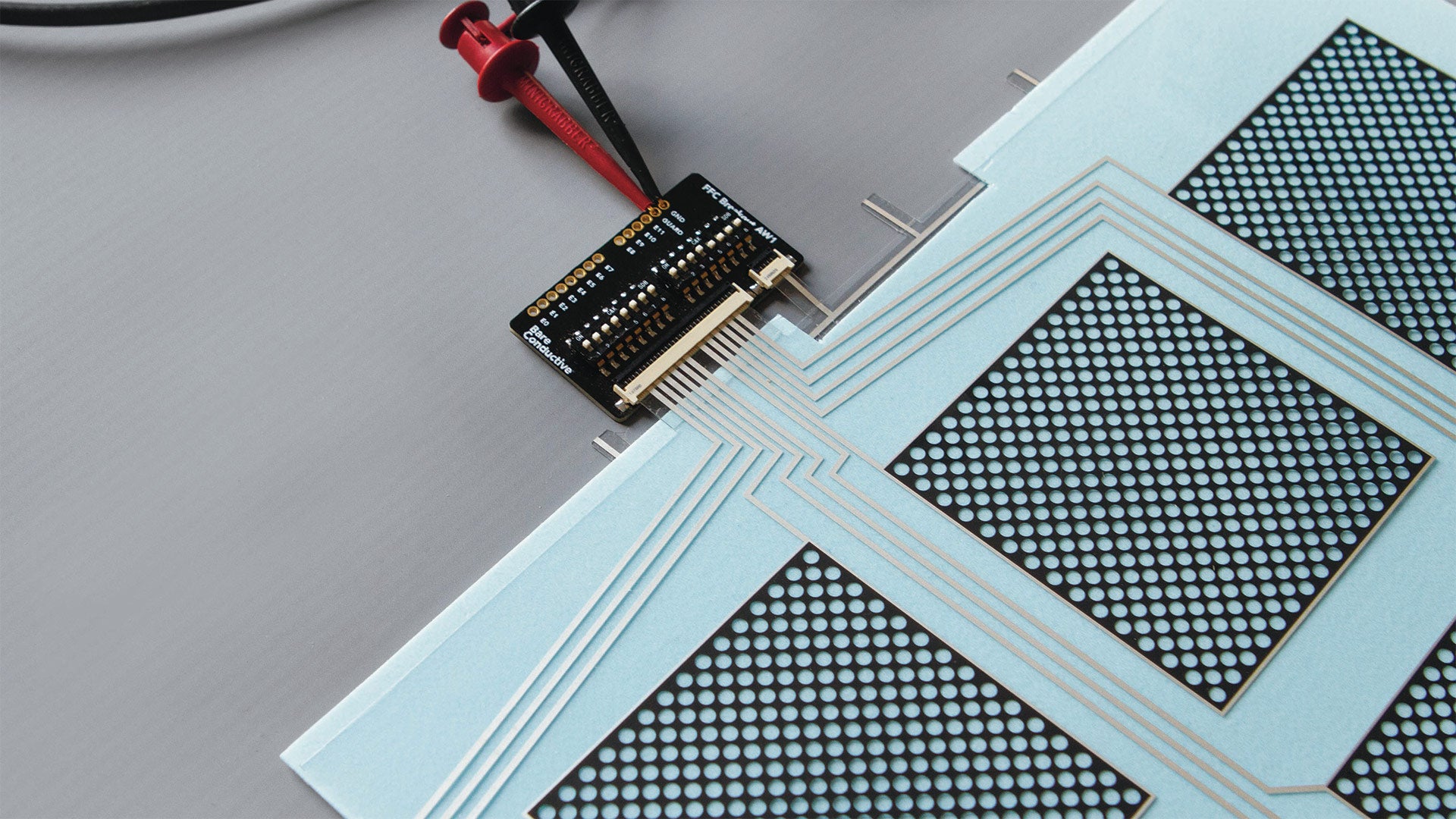
Capacitive touch sensors operate on the principle of detecting changes in electrical capacitance. Typically, these sensors consist of conductive layers arranged in a specific configuration to form capacitor plates. When a finger or another object enters the sensor's electric field, the resulting change in capacitance is detected and processed as a touch input. Despite their advanced design, these sensors remain highly sensitive to variations in their operating environment, particularly shifts in electrostatic charge distributions.
Understanding Electrostatic Effects
Electrostatic charges can be generated through various mechanisms, including triboelectric effects (contact and separation of different materials), ambient atmospheric conditions such as humidity, and even intentional charging events in industrial settings. When present, these charges distort the sensor’s baseline capacitance values, creating a background noise that interferes with the accurate detection of touch inputs. The complexity of these interactions necessitates a multi-faceted analysis to ensure that the reliability and accuracy of touch-based systems are maintained.
Problem Statement
The fundamental problem with capacitive touch sensors in contemporary electronic devices is that their performance is critically sensitive to fluctuations in electrostatic charges. In the presence of these charges, which may be introduced by human body interaction, environmental conditions, or external electromagnetic fields, the sensors experience unintended capacitance variations. These variations lead to inaccuracies in detecting touch events, including false positives, missed touches, and unpredictable sensor responses. Additionally, such disturbances can exacerbate the inherent noise level in the system, diminishing the sensor's signal-to-noise ratio and further undermining its precision.
In particular, the challenges presented by electrostatic effects include:
Interference Mechanisms
The interference caused by electrostatic charges can be attributed to several interrelated factors:
Environmental Influences
Factors such as humidity, temperature, and ambient electromagnetic fields can amplify the degree of electrostatic disturbances. For instance, high humidity levels may facilitate the accumulation of static charges on the sensor surface, while temperature gradients can affect the sensitivity and charge distribution of the materials involved.
User Interaction Effects
When a user touches the capacitive sensor, their body introduces its own electrostatic field. This interaction can lead to an enhancement or suppression of the sensor’s expected response, depending on the grounding conditions and the electrical properties of the materials involved. The variability introduced by different users and their interaction styles poses a significant challenge in standardizing sensor responses.
Electromagnetic Noise
External electromagnetic interference (EMI), from sources as diverse as nearby electronic devices and industrial machinery, can further compound the effects of ambient electrostatic charges. The resulting interference often manifests as erratic signal behavior, increased noise levels, and misinterpretation of touch events.
Performance Degradation
The adverse effects of electrostatic charges extend to various aspects of sensor performance:
False Touch Detection
Erroneous readings caused by random electrostatic spikes result in false touch detections. These false positives undermine user confidence in the system and can lead to a frustrating experience in devices that depend on precise touch interactions.
Reduced Sensitivity and Accuracy
Electrostatic interference introduces variability into the baseline capacitance measurements, reducing the sensor’s ability to accurately gauge touch intensity and location. This sensitivity decline is more pronounced in systems that require high-resolution touch data.
System Instability
In more extreme scenarios, the compounded static charges can cause system instability, where the sensor output becomes unpredictable. This instability can impact the overall performance of the touch-based system, leading to erratic behavior during operation.
Mitigation Strategies
To counteract the adverse effects of electrostatic charges on capacitive sensors, comprehensive mitigation strategies are required. These strategies focus on both the design and operational aspects of touch-based systems.
Design Considerations
Optimized Circuit Layout
The layout of printed circuit boards (PCBs) requires careful planning to minimize parasitic capacitance and electromagnetic interference. Shielding techniques and proper grounding can help stabilize the sensor’s baseline capacitance, ensuring more reliable readings.
Material Selection
Choosing appropriate materials for sensor construction is critical. Materials with minimal static susceptibility and favorable dielectric properties help in reducing the accumulation of unintended charges. Additionally, conductive coatings or treatments can be applied to mitigate surface charge build-up.
Signal Processing Enhancements
Advanced signal processing techniques are essential in differentiating genuine touch signals from noise induced by electrostatic disturbances. By employing adaptive filtering and compensation algorithms, systems can dynamically adjust to varying levels of static interference, thereby enhancing sensitivity and overall sensor performance.
Dynamic Compensation Techniques
Systems equipped with dynamic compensation can actively monitor environmental and baseline voltage changes, adapting in real time to mitigate the effects of transient electrostatic influences. This involves adjusting modulating signals and compensating for parasitic capacitances as they occur.
Enhanced Calibration Processes
Regular calibration routines can help ensure that sensor readings remain accurate despite fluctuating environmental conditions. These routines recalibrate the sensor’s baseline capacitance and correct for any drift caused by accumulated electrostatic charges.
Technological Complexity and Research Considerations
As touch-based systems evolve, the technical challenges associated with capacitive sensor performance become increasingly complex. The dual demand for miniaturization and high precision pushes current technologies to their limits. Thus, further research is necessary to better understand the underlying mechanisms of electrostatic interference and develop innovative solutions that can maintain sensor performance even in harsh static environments.
Research Focus Areas
Research efforts are directed toward a multi-disciplinary approach that bridges materials science, electrical engineering, and signal processing. Key focus areas include the development of new sensor architectures that inherently reduce electrostatic susceptibility, as well as the creation of predictive models that can forecast interference patterns based on changing environmental conditions.
Predictive Modeling and Simulation
Advanced computational models simulate the interaction between electrostatic fields and sensor geometry. These simulations provide insights into how various design parameters affect sensor performance, guiding the development of systems that inherently resist electrostatic disturbances.
Integration of Smart Materials
Incorporating smart materials that can respond dynamically to changing electrostatic conditions is another promising research direction. Such materials may adapt their dielectric properties in real time, thereby mitigating unwanted static effects and enhancing overall sensor reliability.
Comparative Analysis: Capacitance and Electrostatic Effects
The interplay between measured capacitance and the presence of electrostatic charges can be summarized through multiple performance parameters. The table below presents a comparative analysis of key factors influencing sensor performance in the context of electrostatic interference:
| Factor | Impact on Capacitive Sensors | Mitigation Techniques |
|---|---|---|
| Environmental Conditions | Humidity and temperature fluctuations increase charge accumulation. | Shielding, temperature compensation, and humidity control. |
| User Interaction | Variations in touch introduce unexpected capacitance changes. | Dynamic calibration and enhanced signal filtering. |
| Electromagnetic Interference (EMI) | External EMI adds noise and distorts signals. | Optimized PCB design, grounding practices, and EMI mitigation. |
| Material Properties | Intrinsic material susceptibilities affect charge accumulation. | Selection of low-charge materials and conductive coatings. |
| Sensor Architecture | Design complexity can exacerbate or minimize interference. | Innovative layouts and real-time compensation algorithms. |
Statement of the Problem in Summary
The performance of capacitive sensors in touch-based systems is critically impeded by the presence and fluctuation of electrostatic charges. These charges, which arise from a combination of environmental factors, user interactions, and external electromagnetic influences, introduce unpredictable variations in capacitance measurements. Such variations result in false touch detections, diminished sensitivity, and overall instability of sensor performance. Addressing this problem requires a detailed investigation into the mechanisms of electrostatic interference, the development of robust design and signal processing strategies to mitigate these effects, and ongoing research to innovate materials and architectures that can operate reliably under varied conditions. The ultimate goal is to enhance the reliability and precision of capacitive sensors in diverse applications, from consumer electronics to industrial systems, ensuring that touch-based interfaces function accurately regardless of the challenges imposed by electrostatic disturbances.
References
-
Electrostatic Interference Mechanisms - ScienceDirect
-
Capacitive Sensing Challenges - ScienceDirect
- ESD in Touchscreen Technology - TouchPro
- Electrostatic Charge Phenomena - ASME Digital Collection
- Capacitive Sensing Overview - Wikipedia
-
Performance Challenges in Capacitive Sensing - Embedded
- Projected Capacitive Touch Systems - Analog
- Touch Sensing Technology - Synaptics
-
Electrostatic Sensors Overview - ScienceDirect
-
Capacitive Sensor Optimization - Embedded
Recommended Further Queries
Last updated March 3, 2025