
Analyzing Electrostatic Effects on Capacitive Sensors
In-depth look at challenges in touch-based systems due to electrostatic charges
Key Highlights
- Electrostatic Interference: External charges can distort the sensor’s electric field, leading to false readings.
- Charge Accumulation: Buildup of static charges on surfaces alters the baseline capacitance, affecting sensor accuracy.
- Design and Calibration: Mitigation strategies require optimized materials, sensor geometry, and robust calibration methods.
Statement of the Problem: An Overview
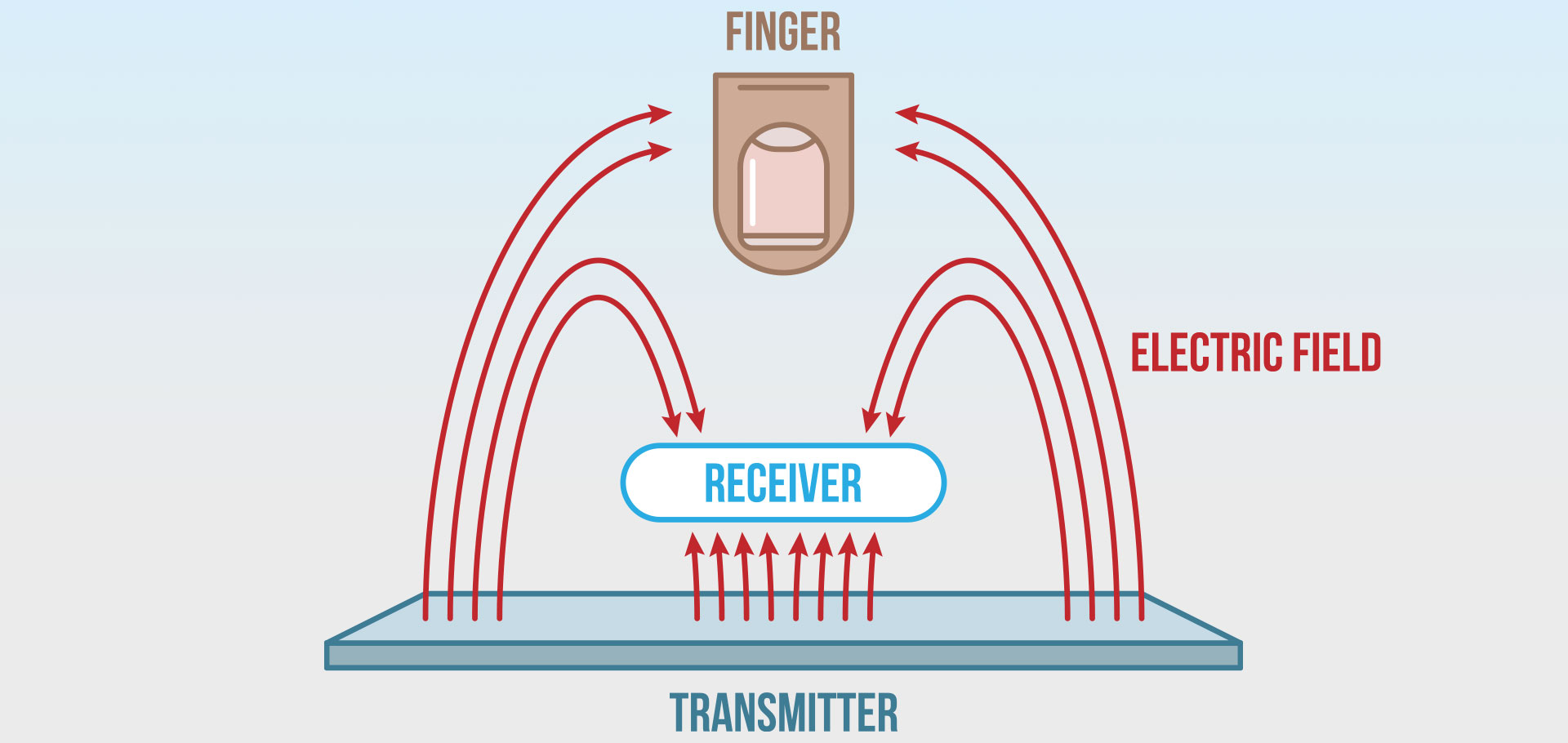
Capacitive sensors are at the core of many modern touch-based systems found in smartphones, tablets, interactive kiosks, and industrial monitoring applications. These sensors operate by detecting changes in the electric field caused by the proximity or contact of a conductive object, typically a human finger. In an ideal scenario, this change in capacitance is solely due to intended touch interactions. However, various environmental and material-related factors introduce additional complexity that interferes with the sensor’s ability to accurately measure these changes.
One primary challenge is the interference from electrostatic charges. Electrostatic forces, sometimes generated through triboelectric effects or environmental conditions, are an important factor that disturbs the delicate balance required for precise sensor operation. The presence of stray electrostatic charges, resulting from interactions with surfaces or ambient electric fields, creates unwanted variability in the capacitance measurements. This results in false positives, misread touch events, or even a complete failure of sensor functionality.
Detailed Problem Statements
1. Electrostatic Interference
Capacitive sensors are highly sensitive to variations in the local electric field. When electrostatic charges accumulate near or on the sensor surface, they can distort this field by either attracting or repelling free electrons. Such disturbances interfere with the measured capacitance and introduce measurement errors. This interference becomes especially problematic in environments where ambient electrostatic activity is high or when unintentional charges are generated by the user's interaction with the device.
The sensor's design typically assumes a stable baseline against which minute changes (e.g., the proximity of a finger) are detected. However, with the additional influence of these static charges, the expected variation is masked or exaggerated, leading to compromised sensitivity and reliability.
2. Charge Accumulation and Baseline Shifts
A significant problem in touch-based systems is the uncontrolled accumulation of electrostatic charge on surfaces. As materials interact, particularly in low-humidity environments, electric charges can build up over time. This accumulation modifies the inherent baseline capacitance of the system. It means that even in the absence of any user interaction, the baseline is shifted, and subsequent touch events cause changes that do not correspond to the expected capacitance variation.
When a device's protective layers or touch screen materials become charged, they directly alter the sensor reading in a way that is convoluted with the intended signal. Such baseline shifts necessitate continuous recalibration of the sensor. The result is a system that is less reliable, potentially leading to erratic touch responses and increased power consumption as correction techniques are employed.
3. Sensitivity and Accuracy Degradation
The performance of capacitive sensors is critically dependent on their sensitivity—the ability to detect low-level changes in capacitance. Electrostatic interference introduces noise and signal distortion that degrades the overall accuracy of the sensor. The main trouble arises when these minor changes, now cluttered by external electrostatic noise, are misinterpreted as valid touch inputs.
This issue is exacerbated in systems where high resolution and rapid response are required. For instance, applications such as interactive displays and real-time control systems demand that the sensor reliably distinguish genuine touch events from background noise. As electrostatic disturbances continue to affect sensor performance, false triggers become more common, potentially leading to a poor user interface experience.
4. Material and Surface Influences
The components used in a touch-based system, including the protective covers, sensor electrodes, and underlying circuitry, play a crucial role in how the sensor interacts with ambient electrostatic charges. Variations in material composition determine the degree to which surfaces can accumulate and retain static charges. For example, certain polymers or glass types may have high affinity for building up charges, while other materials incorporate anti-static properties that minimize such buildup.
These material properties require careful consideration during the design phase. The mismatch in the electrostatic behavior of different layers can lead to areas of concentrated charge accumulation. This phenomenon not only affects the local electric field but can also lead to irregular or asymmetric sensor responses. As such, addressing these issues involves both selecting appropriate materials and engineering the physical layout of the sensors to minimize unwanted electrostatic effects.
5. Environmental Factors
External environmental conditions significantly influence the behavior of static charges on capacitive sensors. Humidity is one of the most critical factors; low humidity levels are generally conducive to the buildup of static charges, as the lack of moisture in the air reduces the conductivity needed to dissipate these charges. Temperature variations and ambient electromagnetic noise further contribute to the dynamic nature of these electrostatic influences.
Additionally, environmental electromagnetic interference, which may originate from nearby electronic devices or power lines, can further compound the problem. The result is a sensor operating in a complex, multifaceted electrical environment. The design and calibration of these systems must, therefore, be robust enough to compensate for these environmental variations to maintain performance consistency.
6. Design and Calibration Challenges
An integral part of addressing the performance issues posed by electrostatic interference involves system design and calibration. Ongoing challenges include minimizing parasitic capacitance—the unwanted capacitance that occurs due to the proximity of sensor electronics to external objects or conductive materials. This necessitates that the sensing electronics are located as close as possible to the sensor electrodes. Additionally, designers must consider the optimization of modulating signals to counterbalance charge imbalances.
To ensure data integrity, sensors need sophisticated algorithms for real-time calibration that adjust for the shifts caused by electrostatic charges. These algorithms work by dynamically updating the baseline measurement, allowing the sensor to differentiate between true touch inputs and noise. However, this adds complexity to the sensor's circuitry and requires a careful balance between responsiveness and accuracy. In industrial applications or safety-critical touch systems, even a slight miscalibration can lead to significant operational issues.
Challenges in Practical Applications
Balancing Sensitivity and Robustness
A key issue in the field is balancing the need for high sensor sensitivity with the robustness against environmental noise. High sensitivity in capacitive sensors is desired for swift response times and accurate touch tracking. However, when increased sensitivity simultaneously raises the risk of false detections due to electrostatic noise, designers face a trade-off.
Effective sensor performance requires that the system be tuned to detect genuine touch events while dismissing extraneous electrostatic disturbances. This challenges engineers to explore innovative circuit techniques, such as advanced filtering and signal processing methods that specifically target noise cancellation without compromising the sensor's inherent responsiveness.
Complexity in Calibration Techniques
Continuous recalibration is one of the critical issues in capacitive sensor systems affected by stray electrostatic charges. As the sensor's baseline becomes unstable due to charge buildup, the system must frequently recalibrate to realign its measurements. While modern sensors implement both hardware (using shielding techniques) and software recalibration methods, achieving a robust solution that can dynamically adjust in diverse conditions remains a complex challenge.
The problem demands innovation not only in recalibration algorithms but also in new sensor designs that inherently reduce susceptibility to environmental variations. Techniques such as employing guard rings around sensitive sensor electrodes and incorporating differential measurement setups have been employed to mitigate parasitic capacitance effects. The effectiveness of these solutions varies based on the specific operational environment of the sensor, further underlining the need for tailored approaches in different applications.
Implications for User Experience and Safety
In consumer electronics, particularly smartphones and tablets, the performance of touch system sensors directly impacts the user's experience. Inaccurate touch detection or delayed responses can lead to frustration and reduced device usability. Moreover, in safety-critical systems such as industrial control panels or medical devices, false touch events could have severe consequences. Thus, ensuring the reliable operation of capacitive sensors is not just a technical challenge but also a critical design requirement for safety and customer satisfaction.
The implications extend to various applications including gesture recognition systems and smart home interfaces, where precise sensor operation is paramount. Ensuring that these touch systems can operate reliably amid the inevitable presence of electrostatic influences is essential for both everyday use and specialized industrial environments.
Consolidated Analysis and Strategic Considerations
Technical Considerations
Advanced capacitive sensing systems must account for multiple interfering factors simultaneously. Detailed studies of sensor response curves in various electrostatic environments indicate that the design strategy should encompass:
| Aspect | Description | Impact |
|---|---|---|
| Electrostatic Interference | External charges cause disruptions to the baseline electric field. | False positives and erroneous readings. |
| Charge Accumulation | Static buildup alters inherent capacitance over time. | Baseline drift, necessitating recalibration. |
| Material Properties | Different materials exhibit varied tendencies for charge retention. | Mechanical design constraints and varying sensor response. |
| Environmental Factors | Humidity, temperature, and ambient electromagnetic noise. | Fluctuating performance due to external conditions. |
| Design and Calibration | Strategies to minimize parasitic capacitance and interference. | Improved sensor stability and reduced error rates. |
Strategic Mitigation Approaches
To counter these challenges, system designers are adopting multiple mitigation strategies. These include enhanced sensor layouts with minimized distances between sensing electrodes and their associated electronics, leading to reduced parasitic capacitance. Moreover, material science innovations have led to the use of anti-static and low-charge-retention materials in constructing touch surfaces.
In addition to hardware modifications, advanced signal processing algorithms are being developed to dynamically calibrate sensors in real-time. These algorithms constantly adjust the sensor baseline to account for alterations induced by floating static charge levels. Integrating these techniques ensures that the sensor can discriminate between genuine touch events and background noise.
Consequently, the design strategies involve a concurrent emphasis on circuit optimization, such as adjusting modulating signals to counteract charge imbalances. The integration of guard rings around electrodes and the use of differential measurement systems also bolster sensor resilience to interference.
Future Directions in Research and Development
Innovative Materials and Designs
The future of capacitive sensor technology in touch-based systems will likely pivot on the development of advanced materials that inherently resist charge accumulation. Research into conductive polymers and novel coatings that reduce surface charge buildup is critical. Moreover, incorporating dynamic sensor architectures that adjust to changing external conditions without manual recalibration is an area of intense study.
Additionally, multi-layered sensor structures that combine both capacitive and resistive measurement techniques may offer heightened reliability. This hybrid approach can provide redundancy, ensuring that even if one sensor modality is compromised by static interference, others maintain overall system functionality.
Integration of Smart Calibration Systems
As systems become more sophisticated, the incorporation of smart, self-calibrating mechanisms will be critical. These systems leverage real-time data to predict and counteract the effects of electrostatic charges. By continuously learning from environmental variances, sensors can maintain high levels of precision even under fluctuating conditions.
The goal is to create a touch-based interface that remains consistently reliable, irrespective of external electrostatic disturbances. Such developments would not only enhance user satisfaction in consumer devices but also improve safety and accuracy in industrial and medical applications.
References
- Capacitive Sensor Fundamentals - MDPI
-
Electrostatic Effects on Sensor Performance - ScienceDirect
- Capacitive Sensor Operation - Fierce Electronics
-
Electrostatic Interference in Sensors - ScienceDirect
-
Sensor Calibration Note - STMicroelectronics
- Capacitive Sensing Overview - Wikipedia
- Projected Capacitive Touch Systems - Analog
- Introduction to Capacitive Touch Sensing - All About Circuits
- Capacitive Touch Sensors in Modern Applications - MDPI
- Electrostatic Charge on Smartphone Surfaces - ASME
Recommended Follow-Up Queries
Last updated March 3, 2025