
Electrostatic Charge Effects on Sensor Performance
Exploring the influence of electrostatic charge in touch-based sensor systems
Key Highlights
- Electrostatic Fundamentals: Understanding how charge generation and transfer impact sensor sensitivity and accuracy.
- Sensor Performance Challenges: Analyzing interference, noise, and design constraints in capacitive sensing.
- Opportunities for Future Research: Exploring advanced materials, robust sensor design, and interdisciplinary studies for improved technology.
Understanding Electrostatic Concepts in Touch-Based Sensors
Electrostatic Phenomena and Principles
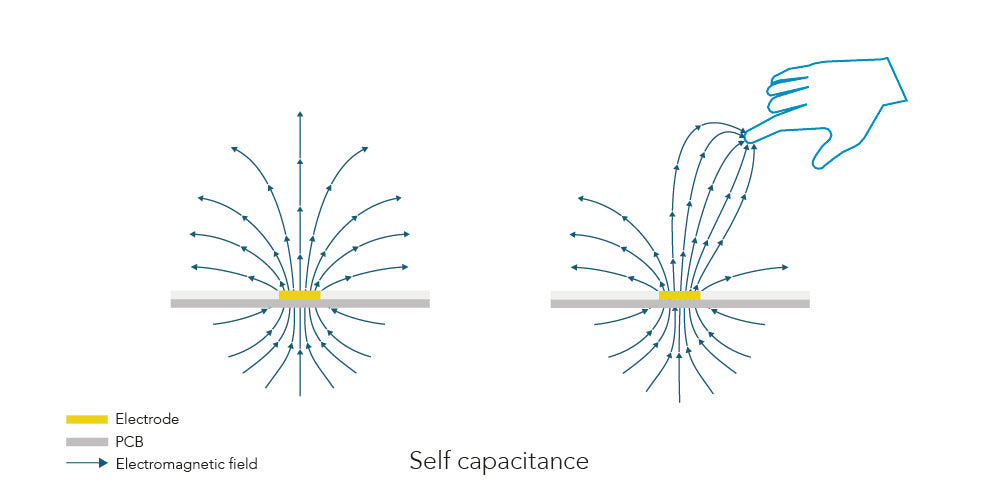
Electrostatic charge arises from the contact and separation of different materials, leading to an imbalance of electrons. In touch-based sensor systems, especially those using capacitive sensing, this charge plays a pivotal role. The fundamental mechanism involves electrostatic induction, where changes in the electric field occur when a finger or conductive object approaches a sensor.
Capacitive touch sensors work by detecting variations in capacitance due to the proximity of a human finger, acting as a conductive body. The human body effectively alters the electric field around the sensor’s electrode, which leads to an increased or decreased capacitance that the system measures. This sensitivity of the sensor enables accurate determination of touch events but also renders the sensor prone to interference from unwanted electrostatic charges.
Charge Generation and Transfer Mechanisms
The generation of electrostatic charge in these systems can be attributed to triboelectric effects—the process by which charge is transferred between surfaces when they make and break contact. When a finger touches or comes close to the sensor, small amounts of charge are exchanged, influencing the sensor’s output. These interactions rely heavily on the material properties and geometry of the sensor.
Understanding the underlying physics of electrostatic charge is crucial. When two materials interact, electrons can move from one surface to another, and this charge transfer impacts the sensor’s ability to detect touch. For instance, the magnitude of the generated charge is affected by both the electrical conductivity of the materials involved and environmental conditions such as humidity and temperature.
Impact on Sensor Performance
Sensitivity and Accuracy
Touch sensors are designed to detect minute changes in capacitance; therefore, their sensitivity is highly dependent on the control of unwanted electrostatic influences. Electrostatic charges can lead to false positives or diminish sensor reactivity by masking subtle changes in capacitance.
In scenarios where there is a high level of ambient or induced static, the precision of touch detection may be compromised. This can result in:
- Reduced sensitivity with a need for a stronger touch to trigger a response.
- False triggering when unexpected electrostatic discharges occur, leading to unreliable sensor behavior.
This sensitivity balance is fundamental in sensor design, as it needs to reliably differentiate between an intentional touch and background electrostatic noise.
Interference, Noise, and False Triggers
One of the primary challenges in capacitive sensor performance is mitigating interference from unwanted electrostatic charge. Electrostatic interference introduces noise into the signal that the sensor must interpret. This noise can be due to environmental factors such as:
- Humidity: Increased air moisture can facilitate charge transfer and affect capacitance values.
- Static Build-up: Environmental conditions in dry or static-prone environments lead to higher levels of ambient charge.
- Material Arrangements: The sensor's construction materials and supporting geometries can either dampen or exacerbate these effects.
In practice, these interferences can cause erratic sensor performance, where the sensor might erroneously register a false touch or misread the strength and location of a touch. Understanding these factors and their interplay is critical for designing systems with improved sensor accuracy.
Material Choices and Sensor Design
The design of capacitive sensors directly influences their vulnerability to electrostatic disturbances. Strategic selection of materials with optimal dielectric properties and conductivity can mitigate the risks posed by unwanted static. For instance:
- Dielectric Materials: Choosing materials that can either absorb or dissipate excess charge helps maintain a stable electric field.
- Electrode Geometry: The layout and shape of the electrodes can be optimized to reduce capacitance drift and false signals.
- Protective Shielding: Incorporating layers or external shielding can prevent the build-up of static or provide a controlled pathway for charge dispersion.
Such design iterations aim to uphold the reliability of touch sensors, ensuring that they remain responsive and accurate in various environmental conditions.
Future Research and Student Opportunities
Research Directions for Next-Generation Sensors
The challenges associated with electrostatic interference in touch-based sensors present significant research opportunities. Students and future researchers can contribute innovatively in several ways:
-
Advanced Material Science
Students can explore new composite materials and dielectric substances designed to minimize unwanted charge accumulation. Investigating materials with inherent electrostatic shielding properties or those that can dissipate charge quickly is a promising field and may lead to enhanced sensor durability.
-
Sensor Architecture Optimization
A comprehensive understanding of electrode geometry and sensor layout can lead to better designs that are inherently resistant to noise. Future research could involve simulation-driven modeling that predicts sensor behavior under varying electrostatic conditions, thereby guiding the creation of robust capacitive sensors.
-
Signal Processing Techniques
Developing advanced algorithms to differentiate between intentional touch signals and noise induced by stray electrostatic charges is essential. This interdisciplinary research, merging electrical engineering with computer science, can improve filter designs and signal processing methods to ensure accuracy in user interfaces.
Educational Impact and Student Engagement
In the academic realm, an understanding of electrostatic influences on touch sensor technology unlocks a myriad of study and research opportunities. For students in electrical engineering, materials science, and related fields, this area offers:
-
Interdisciplinary Learning
Combining principles from physics, material science, and digital electronics, students gain a comprehensive insight into how different fields converge to solve real-world challenges. This integrated knowledge base prepares students for innovative contributions in technology design.
-
Practical Experimentation
By developing laboratory experiments that focus on measuring and mitigating the impact of electrostatic charge, students gain hands-on experience. Such experimentation may include setting up controlled environments to observe electrostatic discharge (ESD) effects on sensor outputs.
-
Advanced Research Project Opportunities
Undergraduate and graduate students can embark on projects aimed at redesigning sensor systems to be resilient to environmental changes, exploring novel electrode geometries, or investigating the electronic response under varying humidity and temperature conditions.
Balancing Electrostatic Effects with Enhanced Capacity
Analyzing Sensor Capacity and Efficiency
Sensor capacity in touch-based systems refers to the ability of a sensor to accurately and efficiently detect a wide range of inputs without degradation of performance. The presence of electrostatic charge can influence sensor capacity by altering the effective operating range and response times of the sensor. In capacitive sensors, where sensing relies on detecting changes in capacitance, even small shifts due to undesired charges can lead to suboptimal performance.
Researchers need to balance the design such that the benefits of high sensitivity are not compromised by increased noise levels. A well-engineered system utilizes appropriate materials and circuit configurations to enhance the capacity of the sensor while safeguarding against the detrimental effects of electrostatic charge.
| Aspect | Impact of Electrostatics | Design Considerations |
|---|---|---|
| Sensitivity | High electrostatic interference may require stronger touch signals | Optimize electrode design and use shielding techniques |
| Noise & Interference | Ambient charge can cause false triggers and reduce accuracy | Incorporate filtering algorithms and advanced signal processing |
| Sensor Lifespan | Repeated ESD events may degrade components over time | Implement robust materials and protective electronic circuits |
| Environmental Adaptability | Humidity and temperature variations amplify charge effects | Select materials with stable properties in diverse climates |
Ensuring Robust Sensor Performance
Future sensor technologies must integrate robust design practices to mitigate the adverse effects of electrostatic charge. This involves:
- Developing circuit designs with integrated ESD protection to handle transient discharges effectively.
- Utilizing dielectric materials with low susceptibility to charge build-up.
- Implementing algorithmic filters that discern between true touch inputs and noise from stray charges.
- Enhancing the sensor architecture to adjust dynamically to changing environmental conditions.
Such innovations not only improve the current generation of touch sensors but also expand the range of their applications in diverse fields such as consumer electronics, automotive interfaces, and industrial control systems.
References
-
Electrostatic Sensors – Principles and Applications - ScienceDirect
- Understanding Electrostatic Discharge in Touchscreen Technology - TouchPro
-
Development of Haptic Touch Sensors Based on Static Electricity - Phys.org
-
Electrostatic Charge on Smartphone Surfaces - ASME Digital Collection
- Effects of Touch Force and Tactile Feedback in Touchscreens - ResearchGate
-
Introduction to Capacitive Sensors and Electrostatics - FieldScale
-
Capacitance Sensor Overview - ScienceDirect Topics
-
Fundamentals of Electrostatics & Capacitance - Infineon Community
-
Electrostatic Charge Analysis in Mobile Devices - ASME Digital Collection
-
Touch Sensing and Electrostatic Charge Effects - ScienceDirect
Recommended Searches
Last updated March 1, 2025