
Advancements in Electrostatic Sensor Touch Technology: Trends and Future Directions
Exploring innovative interaction paradigms in human-device interfaces
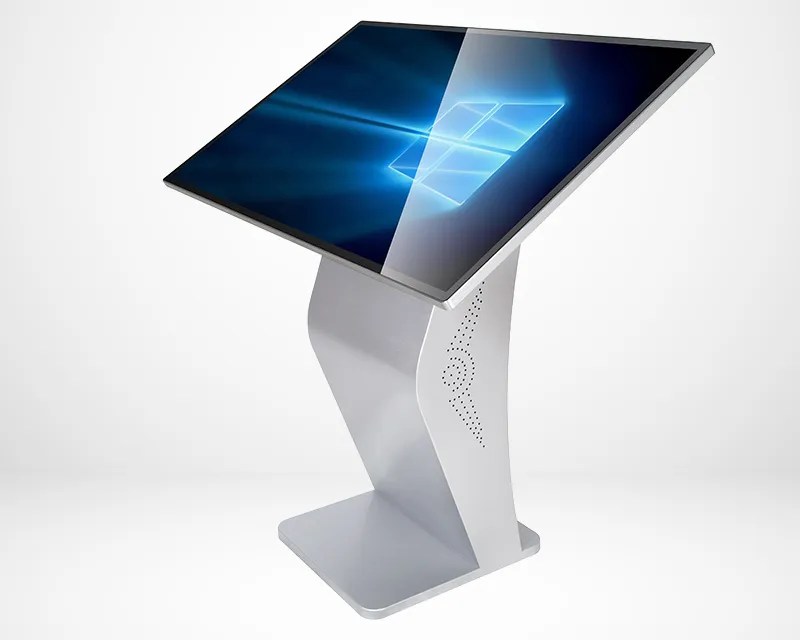
Highlights
- Touchless and Gesture-Based Interactions: Technologies advancing beyond traditional touch to enable non-contact inputs.
- Integration of AI & Advanced Materials: Enhanced sensor sensitivity and intelligent real-time data processing.
- Expansion Across Industries: Broad application in automotive, healthcare, smart homes, and wearable devices.
Introduction
In recent years, electrostatic sensor touch technology has undergone tremendous evolution, revolutionizing the way users interact with various devices. This technology is no longer limited to simple capacitive touchscreens; it is expanding into advanced methods that enable touchless controls, precise gesture recognition, and integration with emerging technologies such as artificial intelligence (AI) and the Internet of Things (IoT). With applications ranging from automotive interfaces to wearable devices, the relevance and impact of these sensors continue to grow as industries push towards more intuitive and efficient human-machine communication.
This comprehensive synthesis provides an in-depth exploration of current advancements, trends, and future directions in electrostatic touch sensor technology. It covers the key technological innovations, market dynamics, evolving design and material aspects, as well as the broadening applications across various sectors.
Key Trends and Technological Advances
Enhanced Sensor Capabilities and Touchless Control
A significant trend in the evolution of electrostatic sensor touch technology is the shift towards touchless control systems. Recent innovations have enabled sensors to detect proximity gestures and subtle movements without direct contact with the surface. This is particularly relevant in environments that demand high hygiene standards and minimal physical contact, such as healthcare facilities and public interactive kiosks.
Touchless Interaction
New sensor architectures can accurately detect the presence of a finger or hand even when it hovers near a surface. Some systems are developed to interact up to 10 cm away from the touchscreen, and in some advanced applications, non-contact sensors can detect objects at distances up to 100 mm. This evolution is partly driven by the need for greater interactivity in public devices and industrial safety applications, where contactless operations can reduce the spread of contamination.
Multi-Touch, Gesture Recognition, and Haptic Feedback
While the foundations of capacitive touch technology emphasized single-touch interactions, modern sensors are now capable of supporting complex multi-touch gestures. This functionality is critical for applications where users need to zoom, rotate, and swipe simultaneously. Additionally, gesture recognition is advancing to include customized inputs that intelligently interpret user intent.
Haptic Feedback and Realistic Tactile Sensations
Haptic feedback, an area of continuous research and development, is enhancing the overall user experience by providing tactile confirmation of interactions. This instant feedback is particularly useful for applications where visual signals might be insufficient, such as in wearables or mobile devices used in high-mobility situations. By incorporating sophisticated haptic responses, designers are able to simulate the sensation of pressing physical buttons, even on glass surfaces.
Integration of Artificial Intelligence and Edge Computing
The convergence of AI with electrostatic sensor touch technology has allowed for smarter, faster, and more contextual interactions. AI algorithms help process real-time sensor data efficiently, which in turn permits differentiation between deliberate user actions and inadvertent touches. This integration has improved the accuracy of gesture recognition and allowed for adaptive responses based on user behavior.
Real-Time Data Processing and Predictive Capabilities
By processing data on the edge, sensors are able to perform rapid analyses, thereby enhancing the responsiveness of devices. This setup not only reduces latency in user-interface interactions but also contributes to the system's ability to predict and preempt potential issues. Incorporating edge computing also means that devices can function more autonomously, which is crucial for applications like automotive systems and industrial control panels.
Advanced Materials and Flexible Design
Continuous advancements in materials science are paving the way for more resilient, flexible, and high-performance sensor designs. Innovations include the use of composite films with high dielectric constants, which offer superior sensitivity. In addition, the advent of flexible touch sensor technology has opened up new avenues for integrating sensors into curved and bendable surfaces.
Flexible and Bending Touch Surfaces
The push towards flexible technology is driven by the demand for next-generation devices that can seamlessly incorporate touch capabilities in various form factors. This includes not only mobile devices but also emerging applications within automotive interiors and wearable technology. Techniques such as 3D printing of sensors and the implementation of soft films enable these flexible surfaces to maintain high levels of interactivity without sacrificing durability.
Expanding Application Domains Across Industries
Electrostatic sensor touch technology is branching out beyond conventional consumer electronics such as smartphones and tablets. Its applications are now finding a solid footing in various industries, from automotive user interfaces and industrial control systems to healthcare devices and smart homes. This diversification is driven by the sensor’s ability to offer intuitive, reliable, and versatile input solutions that are adaptable to a range of environments.
Automotive and Transportation
In the automotive sector, electrostatic sensors are increasingly being used in vehicle dashboards, infotainment systems, and even within instrument panels. Touchless interfaces in vehicles offer improved safety by reducing driver distraction and enabling gesture-based controls, which can operate even when the driver’s hands are not actively on a conventional steering wheel.
Healthcare and Industrial Applications
In healthcare, the use of touchless sensor systems helps maintain sterility in clinical environments while providing precise tracking and monitoring capabilities. Similarly, in industrial settings, these sensors are deployed to monitor equipment performance, facilitate non-contact interactions in hazardous environments, and enhance the precision of automated systems.
Market Dynamics and Future Projections
With a robust compound annual growth rate (CAGR) forecasted to be around 6.8% over the next decade, the market for electrostatic touch sensors is witnessing substantial expansion. This growth is driven not only by increasing demand from the consumer electronics market but also by widespread adoption in industrial, automotive, and healthcare segments.
Economic Impact and Investment in R&D
As the market expands, investments in research and development are seeing an upswing, with companies channeling resources into innovative designs and more efficient manufacturing processes. This financial backing is crucial for sustaining long-term growth and technological evolution. The drive towards sustainability also means that future sensor designs are likely to incorporate eco-friendly materials and energy-efficient processes.
In-Depth Analysis and Data Overview
The following table provides a structured overview of major advancements across different aspects of electrostatic sensor touch technology. It details key innovations, their description, and the potential impact they have on various application domains.
| Advancement | Description | Potential Applications |
|---|---|---|
| Touchless Control | Sensors that detect proximity and gestures without physical contact, enhancing hygiene and accessibility. | Public kiosks, healthcare devices, automotive interfaces |
| Multi-Touch and Gesture Recognition | Advanced capabilities for recognizing multiple simultaneous inputs and complex gestures. | Smartphones, tablets, interactive displays |
| Integration of AI | Real-time data processing to interpret user behavior and improve accuracy in gesture detection. | Wearable devices, autonomous vehicles, smart home systems |
| Flexible Sensor Designs | Use of new materials and manufacturing techniques to create bendable and resilient sensors. | Wearables, curved displays, automotive instrumentation |
| Haptic Feedback | Development of systems providing tactile responses to simulate physical sensations. | Mobile devices, gaming systems, virtual reality interfaces |
This table underscores the multifaceted improvements in sensor technology and how they broaden the scope of applications. The innovations are directly linked to enhanced user experiences and greater operational efficiency across a spectrum of industries.
Future Directions: Innovations and Expectations
Integration with Emerging Technologies
As we look ahead, the trajectory of electrostatic sensor touch technology is set to intersect with several cutting-edge fields. One of the most promising intersections is with augmented reality (AR) and virtual reality (VR) environments, where precise touch and gesture recognition are essential for immersive experiences. Additionally, the synergy with IoT devices facilitates the creation of smart environments where sensors not only respond to touch but also provide contextual data for system-wide automation.
Edge Computing and Data-Driven Insights
The local processing of sensor data using edge computing methodologies dramatically improves the speed and reliability of user interactions. This is especially important in safety-critical applications, such as in automotive systems, where latency reduction can be a matter of life and death. In this context, sensors that can process information independently and interact with other smart devices will become the backbone of responsive control systems.
Expanding Industrial and Commercial Applications
The versatility of electrostatic sensors is leading to their increased adoption across various non-traditional sectors. In manufacturing, for example, sensors capable of detecting subtle changes in electrical fields are being used to monitor machinery conditions in real time. This predictive maintenance can significantly reduce downtime and optimize production lines. In commercial settings, retail and hospitality sectors are beginning to see the potential of these sensors in creating interactive displays and self-service kiosks.
Sustainability and Eco-Friendly Manufacturing
A growing emphasis on sustainability is also shaping future developments. Manufacturers are increasingly investing in eco-friendly materials and processes that reduce waste and energy consumption. This sustainable approach not only benefits the environment but also creates new market opportunities for companies committed to green technology.
Innovations in Sensor Materials and Structural Designs
Future research in electrostatic touch sensors is heavily invested in exploring new materials and structural designs that can further boost sensor performance. Innovations include the use of composite materials that combine flexibility with high sensitivity, as well as the integration of nanotechnology to enhance responsiveness. The anticipated improvements in sensor longevity, durability, and environmental resilience are set to expand their utility across extremely demanding applications like biomedical devices and outdoor interactive installations.
3D Functionality and Beyond
Another exciting direction is the potential integration of 3D functionality into sensor technology. By advancing touch sensing beyond two-dimensional interactions, future sensors might enable users to navigate and manipulate objects in three-dimensional space with unprecedented ease. Such enhancements promise to transform user interfaces in gaming, simulation, and complex control systems.
Systematic Overview and Future Impact
Summarizing the synthesized insights, the continuous advancements in electrostatic sensor touch technology are fundamentally altering human-machine interfaces. These advancements not only enhance user experiences through touchless interactions and improved tactile feedback but also drive the expansion of sensor applications into diverse domains. The intersection of AI, edge computing, and innovative material science is creating a landscape where sensors are smarter, more adaptable, and more integral to the function of modern electronic systems.
Moreover, as these sensors become more miniaturized and embedded into everyday objects, the classical boundaries of human-device interactions are being redrawn. Companies and researchers are investing substantial resources into not only improving the technical performance of these sensors but also ensuring that they are sustainable and adaptable to evolving user needs. Whether in personal devices, vehicles, industrial setups, or healthcare systems, the deployment of next-generation electrostatic sensor technologies is paving the way for a more connected, responsive, and intuitive digital future.
Conclusion and Final Thoughts
In conclusion, the landscape of electrostatic sensor touch technology is undergoing a transformative shift, characterized by the integration of advanced AI, flexible and durable sensor designs, and expanded application areas. As the technology moves from simple touch detection to full-fledged touchless and gesture-based interfaces, the potential for innovation in human-machine interaction appears boundless.
With an emphasis on improved sensitivity, rapid data processing through edge computing, and sustainable manufacturing practices, this evolving technology is well poised to meet the growing demands of various industries. Whether enhancing the in-car user experience, revolutionizing the healthcare environment, or powering the next generation of wearable devices, electrostatic touch sensors are at the forefront of a technological revolution. In moving toward a future where devices intuitively understand and respond to our gestures and even our proximity, the advancements in this field promise to redefine how we interact with our digital world.
References
- Capacitive Technology - tech.alpsalpine.com
- Capacitive Sensors Market Insights - globeNewswire
- The Future of Sensor Technology in 2025 - Octiot
- Future Touch Screen Technology - szdingtouch.com
-
Touch Panel Tech Trends - ivs-t.com
Recommended
Last updated February 28, 2025