
Variety of Genres and Styles for Elementary Literature
Exploring multiple storytelling forms to inspire young readers
Key Highlights
- Diverse literary genres provide the foundation for enhanced reading engagement.
- Explicit and interactive teaching strategies allow students to grasp vital literary features.
- Integrating discussions, activities, and reading experiences nurtures critical literacy skills and a lifelong love for literature.
Introduction to Literary Genres and Styles in Elementary Education
Literature in the elementary classroom is far more than just a medium for storytelling; it is a vibrant educational tool. Engaging young minds with a variety of literary genres and styles plays a pivotal role in developing early reading skills, enhancing critical thinking, and fostering cultural sensitivity. Through exposure to different genres such as fiction, nonfiction, poetry, and drama, educators can introduce students to a broad spectrum of narratives and writing styles. This diversity not only aids in identifying individual preferences but also promotes the understanding of narrative structures, character development, and thematic elements.
In today’s literate society, it is crucial for educators to create dynamic learning environments where students are constantly encouraged to explore new forms of literature. This structured approach ensures that every student finds a medium that speaks to their interests and learning styles. The key lies in balancing explicit genre instruction with student-centered activities that make the learning process interactive and enjoyable.
Understanding the Variety of Literary Genres
Fiction
Fiction is a broad category that encompasses several subgenres, each offering a unique narrative experience. In elementary classrooms, it is essential to introduce key subgenres with age-appropriate materials.
Fantasy
Fantasy literature involves magical worlds, mythical creatures, and imaginative settings that capture the imagination of young readers. Books in this category, like popular series that transport children to enchanted lands, demonstrate the power of creativity and offer lessons in problem-solving and adventure.
Realistic Fiction
Realistic fiction provides narratives that mirror real-life experiences. These stories help children build empathy and understanding as they relate to characters facing challenges similar to their own. Educators use these narratives to discuss everyday problems, social situations, and moral lessons in an accessible manner.
Historical Fiction
Historical fiction combines a factual past with crafted stories. It serves as a portal to historical events, giving students insights into different eras and cultures. This genre is particularly valuable in making history resonate with younger audiences by blending learning with engaging storylines.
Mystery
Mystery stories captivate students with narratives centered around puzzles, secrets, and problem-solving. They encourage critical thinking as students piece together clues and follow intricate plots, enhancing analytical skills valuable for academic success.
Nonfiction
Nonfiction texts offer factual information and real-life stories, helping students connect with the world around them. This genre elevates learning by introducing factual narratives through biographies, informational books, and reference materials.
Biographies and Autobiographies
True accounts of individuals' lives inspire students by highlighting the achievements and challenges of people from various backgrounds. These texts encourage a respect for history and provide role models that students can look up to.
Informational Texts
Informational books, such as those found in children’s encyclopedias and scientific journals, offer a window into specific topics. Detailed illustrations, captions, and factual descriptions help students gather accurate information and develop research skills.
Poetry and Drama
Poetry and drama engage students through rhythmic language, emotional expression, and performative elements. These genres are particularly effective in enhancing language skills, memory retention, and creative expression.
Poetry
Poetry’s unique structure and rhythmic patterns allow students to experience language differently. Exposure to various poetic forms helps in understanding metaphors, similes, and creative wordplay, all of which enhance vocabulary and analytical skills.
Drama
Drama bridges the gap between literature and performance. Reading plays and engaging in dramatic reenactments build confidence, public speaking skills, and a deeper understanding of dialogue and character interplay. Drama activities often encourage teamwork and creative expression.
Strategies for Teaching Genres and Styles in the Elementary Classroom
Progressive Introduction and Continuous Exposure
One of the most effective ways to engage elementary students is by introducing genres gradually. Educators should design a progressive curriculum where students are teased out of basic understanding into more complex explorations over time. Initially distinguishing between broad categories such as fiction and nonfiction, educators can, as students become more adept readers, dive into the nuanced elements of each genre.
This approach, which accumulates understanding over years, ensures that by the time students progress to higher grades, they have built a comprehensive appreciation of a wide range of literary styles. Confidence in reading is nurtured through repetitive and varied exposure, ultimately sparking curiosity and analytical skills.
Interactive and Collaborative Learning
Interactive learning environments and collaborative classroom activities are essential tools when teaching literary genres. Encouraging students to engage in group discussions about genre characteristics deepens their understanding and promotes critical engagement. When students discuss different narratives and compare story elements, they naturally develop analytical skills.
Discussion-Based Learning
Structured discussions provide an opportunity for students to voice their insights and share interpretations of various texts. Teachers can facilitate guided questions that prompt students to identify key features such as setting, character, plot, and conflict resolution within different genres. This method not only supports comprehension but also builds social skills and fosters an inclusive learning environment.
Cooperative Activities
Hands-on activities such as book sorting games, genre-based scavenger hunts, and literature circles allow students to interact directly with texts. In these activities, books are categorized based on cover design, summaries, or thematic content, reinforcing the idea of genre characteristics in a fun and engaging manner.
Use of Visual Aids and Anchor Charts
Visual aids are vital in conveying abstract literary concepts to young learners. Anchor charts, multimedia presentations, and posters that illustrate genre elements serve as constant reminders and references for students. These tools enable educators to distill complex information into visual cues that improve retention and promote understanding.
Creating Anchor Charts
Anchor charts list genre characteristics including themes, settings, plot structures, and vocabulary specific to each genre. By displaying these charts prominently in the classroom, teachers help students internalize what defines different literary styles. These charts serve as reference points for when students embark on independent reading projects or participate in discussions.
Interactive Visual Stations
Interactive visual stations allow students to examine and manipulate genre-related content through puzzles, sorting activities, and digital presentations. By engaging visual and kinesthetic learning styles, these stations contribute to a more dynamic and inclusive classroom environment.
Implementing Activities and Exercises for Enhanced Engagement
Genre Sorting and Book Clubs
Bringing practical activities into the learning process is crucial for reinforcing theoretical knowledge about genres. Two prime examples of effective strategies are genre sorting activities and book clubs.
In genre sorting games, students are provided with a collection of books or stories which they then classify based on identified genre features. This not only helps cement their understanding of genre characteristics but also develops categorization skills and critical thinking.
Book clubs facilitate discussion and sharing among peers. Students read a book from a selected genre and then gather in small groups to discuss themes, character development, and the overall narrative structure. This not only helps students improve their comprehension skills but also allows them to practice evidence-based discussions and collaborative learning.
Integrative Lessons and Creative Writing
Lessons that combine reading, discussion, and creative writing exercise multiple cognitive skills simultaneously. By assigning creative writing projects in which students are asked to craft their own stories within a specific genre, educators encourage practice in narrative structure, vocabulary use, and creative expression.
For instance, teachers can prompt students to write a mystery story that incorporates clues, red herrings, and a thoughtful resolution. Alternatively, students might take on the task of creating a dramatic dialogue that reflects a historical setting or a fantastical world. Such variety not only reinforces their understanding of genre elements but also nurtures a sense of ownership over their work, thereby increasing motivation and engagement.
Incorporating Technology and Multimedia Resources
Modern teaching strategies often incorporate technology to complement traditional teaching methods. Digital libraries, interactive reading apps, and online storytelling platforms offer diverse ways for students to explore literature. Multimedia resources, such as video adaptations of popular books or interactive genre lessons, allow students to see literature come to life. This integrated approach caters to the varied learning styles prevalent in elementary classrooms, ensuring that every student is provided with an engaging learning experience.
Digital Libraries and Interactive Apps
Digital libraries provide an easily accessible repository of books across multiple genres. Interactive apps can feature games that challenge students to identify genre elements or even allow them to create digital stories, reinforcing the lessons covered in the classroom. This technological integration helps modernize literature education and makes learning more accessible and fun.
Video Lessons and Dramatic Read-Alouds
Using video lessons to highlight literary features and dramatic read-alouds are effective methods for reinforcing concepts visually and aurally. Teachers can pause during a story to discuss a character's decision or to elaborate on a turning point in the narrative, ensuring deeper comprehension and retention of genre characteristics.
Organizing and Utilizing a Classroom Library
Structured Library Setup
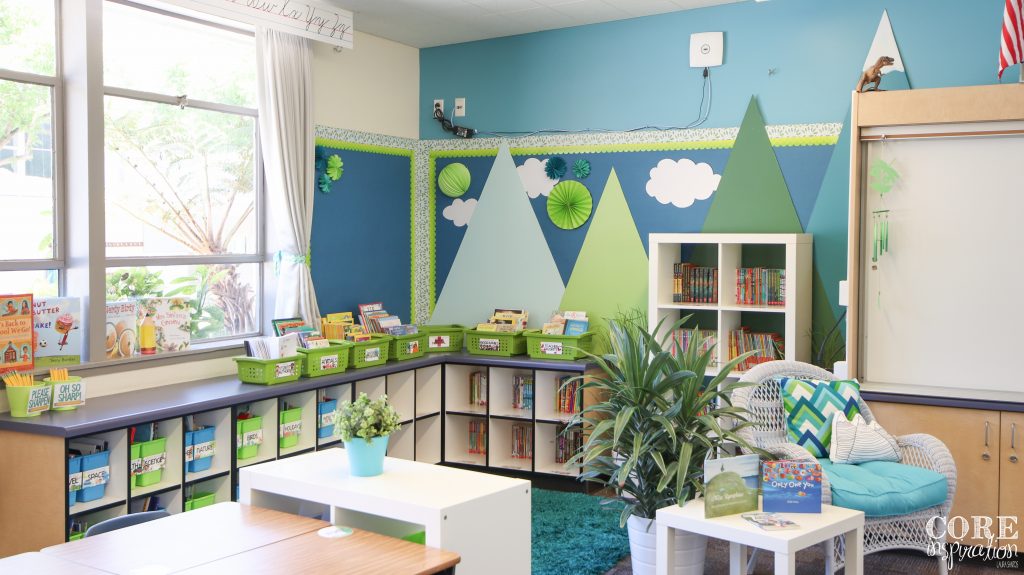
An effectively organized classroom library is a fundamental asset in the teaching of genres. Books should be arranged clearly by genre, with labeled sections that invite students to explore new genres on their own. A well-curated library serves not only as a source of reference but also as a gateway to independent exploration.
In classrooms where literature is centered around exploration and self-discovery, an organized library promotes autonomy by allowing students to choose reading materials that best suit their interests. Displaying genre definitions alongside each section reinforces the knowledge delivered during lessons and assists students in choosing books that match both their current understanding and evolving preferences.
Interactive Displays and Genre Definitions
Creating interactive displays that define and illustrate each genre is another effective strategy. For example, using visuals such as posters or interactive digital boards where students can see images and keywords associated with each genre helps cement the learning objectives. Displaying specific elements—like narrative arcs in fiction or factual summaries in nonfiction—enables students to continually revisit and reinforce their understanding.
| Genre | Key Characteristics | Example Activity |
|---|---|---|
| Fantasy | Imaginary worlds, magical elements, mythical creatures | Creative storytelling session; draw your own fantasy realm |
| Realistic Fiction | True-to-life scenarios, relatable characters, realistic conflicts | Book discussion and role-play real-life scenarios |
| Nonfiction | Fact-based, informative texts, biographies | Library scavenger hunt using informational books |
| Poetry | Rhythmic language, emotive expressions, creative structure | Rhyming games and poetry slam sessions |
| Drama | Dramatic dialogue, performative aspects, script writing | Classroom skits and script readings |
Benefits of a Multifaceted Approach to Literary Genres
Enhancing Reading Engagement and Comprehension
When teachers incorporate a mixture of genres and teaching styles, engagement levels among students tend to soar. This multifaceted approach mitigates the risk of monotony and allows students to experience diverse literary pleasures. The subsequent benefits include:
- Increased Motivation: Offering a wide range of genres, such as fairy tales paired with historical narratives and modern informational texts, helps capture the interests of every student. By providing choices that appeal to varied tastes, reluctant readers can discover texts that they relate to and appreciate.
- Improved Literacy Skills: Different genres require the application of distinct literary skills. Fiction and drama emphasize character development, setting, tone, and dialogue, while nonfiction and biographies introduce factual reasoning and critical analysis. This balanced skill set fosters overall literacy, preparing children for more advanced reading tasks in the future.
- Cultural and Contextual Awareness: Exposure to literature from varied cultures and time periods broadens students’ worldviews. By reading stories embedded with cultural nuances and historical references, students develop empathy and an understanding of diversity, essential qualities in our global community.
- Critical Thinking and Analytical Skills: By discussing, comparing, and contrasting different texts, students develop their analytical skills. They learn not just to absorb information, but to question and interpret it, laying the groundwork for advanced communication and problem-solving abilities.
Fostering a Lifelong Love of Reading
One of the ultimate aims of integrating diverse genres into the elementary curriculum is to nurture a lifelong passion for reading. When students are given the freedom to explore different genres and write creatively, they establish a personal connection with literature. This connection makes them more likely to pursue reading voluntarily outside the classroom, enriching their personal and academic growth well into the future.
Furthermore, when literature becomes a tool for self-expression as well as learning, students appreciate its multifaceted nature. They learn that literature is not just text on a page but a mirror reflecting their own potential – a vehicle for understanding others, expressing ideas, and even inventing new worlds.
Conclusion
In summary, teaching a variety of literary genres and styles in elementary classrooms is a dynamic, multifaceted approach that greatly benefits students' academic and personal development. By exposing young readers to a balanced mix of fiction, nonfiction, poetry, drama, and more, educators can tap into diverse learning styles, boost reading engagement, and build critical literacy skills.
Through interactive strategies such as discussion-based learning, cooperative classroom activities, and the utilization of both analog and digital resources, teachers create an environment where every child is encouraged to engage with literature. The principle of progressive exposure ensures that students gradually deepen their understanding of narrative structures and genre-specific elements—thus paving the way for well-rounded and confident readers.
This comprehensive approach not only stimulates the mind but also instills a lifelong love for reading. Students learn to appreciate the richness of literature, transforming reading from a compulsory task into an enjoyable journey of discovery and self-expression. By establishing an organized classroom library and integrating multimedia and interactive lessons, educators empower young learners to explore the vast and vibrant landscape of literature, setting a robust foundation for future academic success and personal enrichment.
References
- Teaching Genres to Elementary Students: What Teachers Need to Know in 2025 - Jodi Durgin
- How to Teach Genres to Engage Your Upper Elementary Readers - Kristine Nannini
- Exploring Literature Genres in the Elementary Classroom - Model Teaching
- Teaching Reading Genres: From Setting up a Classroom Library to ... - Raise The Bar Reading
- 5 Tips for Teaching Reading Genres - Stella Teacher
Recommended Queries for Further Exploration
Last updated February 20, 2025