
Unveiling the Joyful Reunion of Elephants
Discover the depth of elephant communication and reunion behaviors
Key Insights
- Rich Emotional Expression: Elephants display multifaceted behaviors during reunions.
- Complex Communication: Vocalizations like trumpeting and physical gestures work together to convey joy.
- Social Bonds Matter: The reunion rituals reflect strong, enduring familial and herd connections.
Deep Dive into Elephant Reunion Behavior
Elephants are renowned for their intricate communication systems and deeply social nature. When separated elephants are reunited, they do not merely reassemble as if by chance—each encounter is filled with elaborate vocal and physical displays that articulate the joy, excitement, and relief of reconnecting with loved ones. This behavior is not only a matter of instinct but is also reflective of their advanced emotional intelligence and social bonding.
Vocalizations: The Language of Reunion
One of the most notable manifestations of their reunion behavior is vocal communication. Elephant vocalizations, especially trumpeting, play a pivotal role in conveying emotions. When the elephants forcefully expel air through their trunks, it results in a loud, resonant trumpet sound. This sound often varies in intensity and modulation:
Trumpeting as an Expression of Joy
Trumpeting is typically associated with high arousal states. This form of vocalization can indicate excitement, alarm, or aggression; however, within the context of a reunion, it overwhelmingly signifies joy and exuberance. The high-pitched, forceful sound serves as an auditory cue to other members of the herd, proclaiming that an emotional and meaningful reconnection is taking place.
Research and observations have documented these trumpet calls as a natural response when elephants meet friends or family members after a long period of separation. The sound waves generated travel across considerable distances, ensuring that even distant members of the herd are aware of the reunion.
Additional Vocal Nuances
Besides trumpeting, elephants employ a variety of low-frequency sounds, such as rumbles and sometimes even screams, to further emphasize their emotional state. These sounds are part of a broader spectrum of intonations that can convey reassurance, comfort, and even playful excitement. Notably, scientists have compared these vocal signals to aspects of human language, underscoring the intricacy and sophistication of elephant communication.
Physical Gestures and Social Rituals
In addition to their vocal displays, elephants engage in an array of physical behaviors that are integral to their greeting rituals. These actions, which include ear flapping, trunk intertwining, and affectionate touches, create a holistic mode of communication that goes far beyond simple vocal sound.
Rituals Marking Reunion
Trunk Touching and Embracing
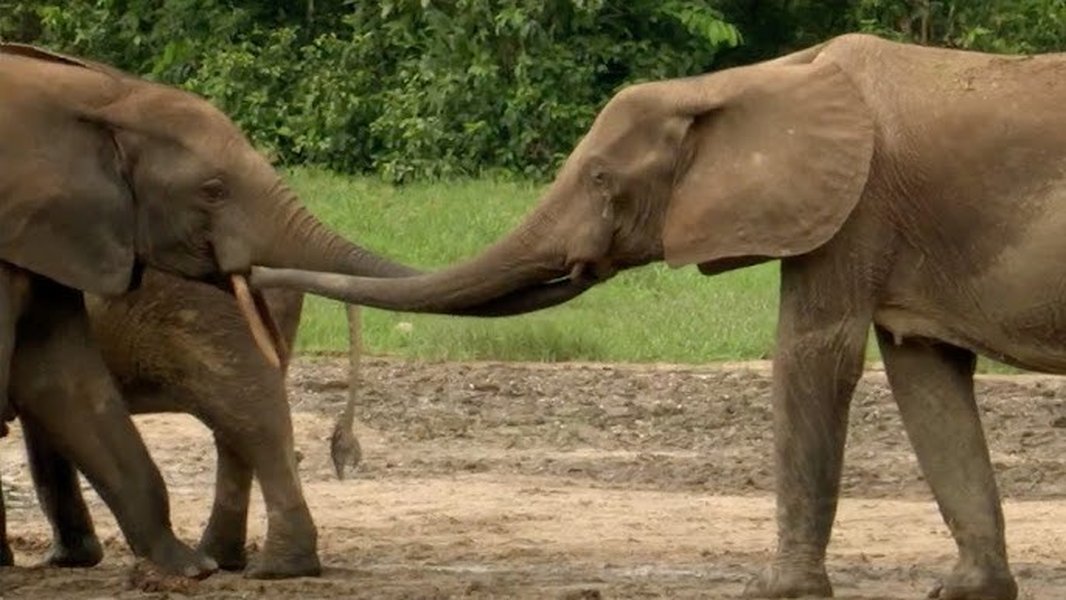
A hallmark of elephant reunions is the use of trunks as a tool for both exploration and affection. When elephants meet, they often extend their trunks to touch or intertwine with each other, in a manner similar to a warm embrace. This action not only serves as a greeting but also as a reaffirmation of their bond. The trunk touch can be seen as a non-verbal message of recognition and love, akin to the way humans hug each other as a symbol of connection.
Ear Flapping and Body Language
Alongside trunk touching, elephants also display their feelings through distinct body language. Flapping ears, for example, is a common behavior during these reunions. This gesture is both a physical sign of happiness and an essential component of their communication repertoire. The ear movements might also help in dissipating heat and spreading pheromones, further enabling them to share their physical presence through subtle chemical signals.
The Science Behind the Social Bond
Beyond just a moment of reunion, these behaviors point to a much deeper social and emotional fabric that defines elephant communities. Within herds, elephants establish intricate hierarchies, often led by a matriarch who imparts wisdom and guidance. The connections formed within these family units are robust, lasting over many years or even decades. Their ability to remember and recognize each other, even after long absences, is a testament to the profound social memories embedded in these creatures.
Moreover, elephants have evolved not only to survive but to thrive through their social interactions. The reuniting process, which involves both vocalizations and physical gestures, effectively reduces stress and reinforces the social alliances that are vital for their survival in the wild. The display of affection and recognition during these reunions lays the groundwork for cooperative behaviors, which range from collaborative foraging to defensive maneuvers against predators.
Visualizing Elephant Reunion Dynamics
To better understand the various facets of elephant reunion behavior, we can look at a visual representation that synthesizes emotions, communication, and social actions into a coherent framework. The radar chart below illustrates five key dimensions of their behavior:
Multimodal Communication: Combining Sounds and Touch
The reunion of elephants highlights that communication is not restricted solely to auditory signals. The combination of physical gestures along with vocalizations forms a robust, multimodal communication system. For instance, while one elephant might blast a series of trumpets, another might respond with gentle trunk caresses or the soft flapping of large ears. Together, these signals create a rich narrative, conveying reassurance, joy, and the reaffirmation of social ties.
The physical interplay—be it the delicate touching of trunks or the enthusiastic flapping of ears—further emphasizes the complex layers of non-verbal communication present among these intelligent mammals. In many ways, these physical gestures are akin to the nuances of facial expressions in human interactions, offering subtle cues about the feelings and intentions behind every reunion.
Elephant Reunion in Real-Life Scenarios
Several documented cases have captured the extraordinary moments when separated elephants reunite. These real-life narratives underscore the importance of preserving their natural habitats and respecting the emotional needs of these colossal mammals. Two particularly moving examples include:
| Scenario | Key Behaviors | Observed Impact |
|---|---|---|
| Family Reunion | Trumpeting, trunk touching, ear flapping | Heightened emotional connection and reduced stress |
| Reunion with Caretaker | Mixed vocalizations, gentle physical gestures | Enhanced trust and recognition, bridging human-animal bonds |
| Reuniting After Long Separation | Exuberant trumpeting, rumbling, sparks of excitement | Demonstration of long-term memory and strong social cohesion |
This table summarizes the common observations and their significance. It reiterates that the reunion behavior of elephants does not exist in isolation, but rather as a critical component of their natural life cycle.
Embedded Visuals and Multimedia
Integrating visuals helps us better appreciate the emotional and physical expressions demonstrated by elephants during reunions. The following images and video offer a window into these behaviors, providing context to the rich narrative of elephant communication:
Gallery of Reunion Moments


The above images capture the intimate moments of elephant interactions—from the energetic displays of joy to the subtle, affectionate touches exchanged between these magnificent creatures.
A Touching Reunion: Watch the Elephant Reunion Video
This video encapsulates the profound emotional impact of reunions, showcasing an elephant reconnecting with a long-lost familiar presence. It’s a heartwarming testament to the memory and emotional depth of these creatures.
Frequently Asked Questions (FAQ)
References
- Elephant communication - Wikipedia
- Unforgettable Elephants ~ Crack the Code of Elephant Communication - PBS Nature
- Elephant Communication - Elephant World
- What Causes The Sound Of An Elephant Trumpeting? - Consensus Academic
- Elephant Sounds – Elemotion
- How Do Elephants Say Hello? Reunions Lead to Ear Flapping, Rumbling and Trunk Swinging in Greeting - Smithsonian Magazine
- Elephant Communication: Decoding Vocal and Social Signals - Call to Conserve
Recommended for Further Exploration
 thinkelephants.blogspot.com
Last updated April 3, 2025