

Key Insights for Culinary Elevation
- Master the Foundations: Prioritize essential skills like knife work, proper seasoning, and fundamental cooking methods before tackling complex recipes.
- Embrace "Mise en Place": Organize and prepare all ingredients before cooking to ensure efficiency, reduce stress, and improve consistency.
- Sensory Engagement & Continuous Learning: Actively taste, smell, and observe your food throughout the cooking process, and commit to ongoing practice and experimentation.
Elevating your cooking skills isn't about memorizing countless recipes; it's about understanding the core principles and techniques that underpin all great cuisine. By focusing on foundational skills, strategic preparation, and continuous sensory engagement, you can transform your everyday cooking into a consistently rewarding and delicious experience. This comprehensive guide will walk you through the essential steps, from fundamental knife work to advanced techniques, equipping you with the knowledge to become a more confident and intuitive cook.
Building a Strong Culinary Foundation
The journey to elevated cooking begins with mastering the basics. These fundamental skills are the bedrock upon which all more advanced culinary techniques are built. Neglecting them can lead to frustration and inconsistent results, while solidifying them paves the way for culinary excellence.
Precision in Preparation: Mastering Knife Skills
Good knife skills are paramount for any aspiring cook. They not only ensure safety and efficiency in the kitchen but also contribute significantly to the even cooking and aesthetic appeal of your dishes. Uniformly chopped ingredients cook at the same rate, preventing some pieces from being overcooked while others remain raw.
The Art of the Cut
- Chopping: Learn to quickly and safely chop vegetables into appropriate sizes for various dishes.
- Slicing: Develop the control to produce thin, even slices for delicate preparations or quick-cooking ingredients.
- Dicing: Practice creating small, uniform cubes, essential for consistent texture and flavor distribution in dishes like soups, stews, and sauces.
Regular practice with different vegetables, focusing on consistent size and shape, will dramatically improve your speed and precision. A sharp knife is crucial here; a dull knife is more dangerous and less effective.
The Cornerstone of Flavor: Proper Seasoning
Seasoning is perhaps the most critical element in making food taste delicious. It's not just about adding salt and pepper at the end; it's a dynamic process of building flavor throughout the cooking stages.
Strategic Flavor Enhancement
- Season Early and Often: Add salt, pepper, and other spices at various stages of cooking. This allows flavors to meld and deepen over time, rather than just sitting on the surface.
- Taste as You Go: This is non-negotiable. Regularly taste your food and adjust seasonings as needed. This iterative process prevents over- or under-seasoning and ensures balanced flavors.
- Understand the Role of Salt: Salt is a flavor enhancer, not just a flavor in itself. It brightens other tastes, balances sweetness, and can mitigate bitterness. Knowing how much salt to add and when is a game-changer.
- Embrace Acid: A squeeze of lemon juice, a dash of vinegar, or a touch of other acidic ingredients can lift a dish, adding brightness and cutting through richness, much like salt.
Mastering Core Cooking Methods
Understanding a few fundamental cooking methods allows you to prepare a vast array of dishes. Instead of rigidly following recipes, you’ll gain the intuition to adapt and improvise.
Essential Techniques to Practice
| Cooking Method | Description | Why It's Important |
|---|---|---|
| Sautéing | Cooking food quickly in a small amount of fat over relatively high heat. | Develops rich flavors through browning (Maillard reaction); ideal for vegetables and thin cuts of meat. |
| Roasting | Cooking food with dry heat, typically in an oven, allowing for browning and caramelization. | Creates tender interiors and crispy exteriors; excellent for meats, poultry, and root vegetables. |
| Braising | Browning food first, then simmering it in liquid in a covered pot. | Transforms tough cuts of meat into fork-tender dishes with rich sauces; perfect for stews and pot roasts. |
| Boiling/Simmering | Cooking food in hot liquid; boiling is vigorous, simmering is gentle. | Essential for pasta, blanching vegetables, making stocks and sauces. |
| Pan-Searing | Cooking food, especially meat, over high heat in a pan to create a crust. | Develops deep, savory crusts and locks in moisture; often followed by finishing in the oven. |
Focus on understanding how heat interacts with different ingredients and how to control temperature effectively.
Optimizing Your Culinary Process
Beyond individual skills, the way you approach and organize your cooking process can significantly impact your results and enjoyment in the kitchen. Efficient habits reduce stress, save time, and lead to more consistent and delicious outcomes.
The Power of "Mise en Place"
Originating from professional kitchens, "mise en place" (French for "everything in its place") is the practice of preparing and organizing all your ingredients and tools before you begin cooking. This simple habit is transformative.
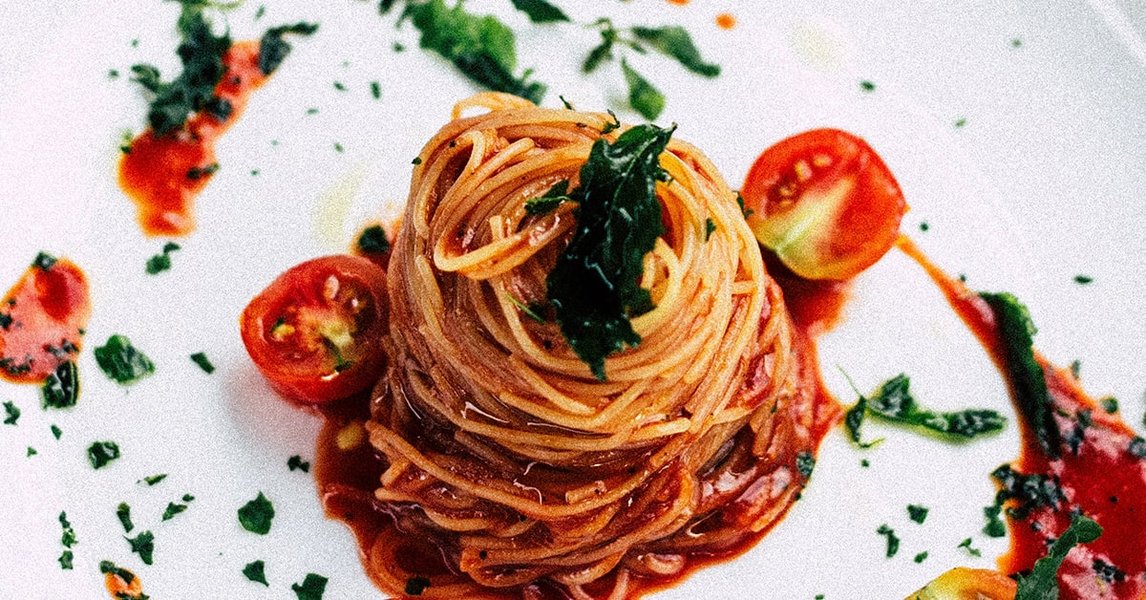 Organized ingredients are the foundation of efficient cooking.
Benefits of a Prepared Station
- Reduces Stress: No last-minute scrambling for ingredients or tools.
- Improves Efficiency: Allows for a smoother, faster cooking flow.
- Minimizes Errors: Less chance of forgetting an ingredient or adding the wrong amount.
- Enhances Focus: Frees you to concentrate on technique and timing during cooking.
Reading and Understanding Recipes
A recipe is more than just a list of ingredients and steps; it's a guide. Reading it thoroughly before you start can prevent many common mistakes.
Strategic Recipe Engagement
- Read the Entire Recipe: Understand the flow, timing, and any special instructions or equipment needed.
- Visualize the Process: Mentally walk through each step to anticipate challenges and ensure you have everything ready.
- Understand the "Why": As you gain experience, try to understand the purpose behind each step and ingredient. Why is this seared first? Why is that added last?
Investing in Quality Tools and Ingredients
While skill is paramount, the right tools and quality ingredients can significantly enhance your cooking journey.
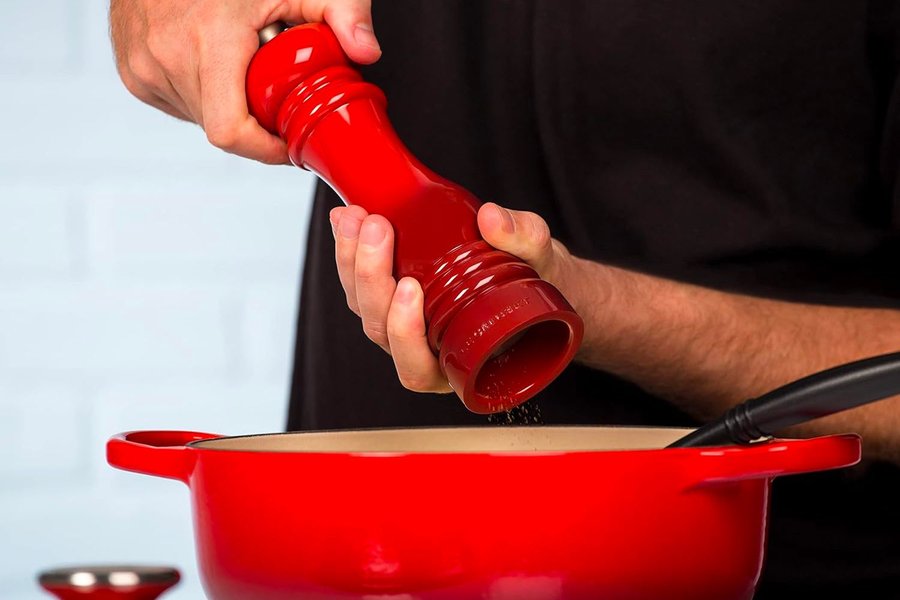 Quality tools are an investment in your culinary future.
Smart Investments
- Sharp Knives: A good chef's knife and paring knife are essential. Keep them sharp.
- Heavy-Bottomed Pans: These distribute heat more evenly, preventing hot spots and ensuring better browning.
- Fresh Ingredients: Whenever possible, choose fresh, seasonal, and high-quality ingredients. They inherently taste better and require less manipulation to shine.
Cultivating a Chef's Mindset: Continuous Improvement
True culinary elevation comes from a mindset of curiosity, experimentation, and a commitment to lifelong learning. It's about developing your palate, understanding flavor dynamics, and not being afraid to try new things.
Developing Sensory Skills
Become an active participant in the cooking process, using all your senses to guide you.
Engaging Your Senses
- Taste: Constantly taste your food, adjusting seasonings and flavors as you go.
- Smell: Pay attention to the aromas as they develop. This can tell you a lot about the cooking process (e.g., browning, burning).
- Touch: Feel ingredients for ripeness, doneness, and texture.
- Sight: Observe color changes, browning, and consistency.
- Sound: Listen to the sizzle of food in a pan, which indicates temperature and moisture levels.
Experimentation and Learning from Mistakes
The kitchen is a laboratory. Don't be afraid to deviate from recipes or try new ingredients. Mistakes are an invaluable part of the learning process.
Embracing Experimentation
- Try New Recipes and Cuisines: Broaden your palate and technique repertoire.
- Adapt Recipes: Once comfortable with basics, try substituting ingredients or adjusting ratios.
- Learn from "Failures": Analyze what went wrong and how to improve next time. Every dish, whether a success or a challenge, offers a learning opportunity.
Gradual Progression to Advanced Techniques
Once you have a solid grasp of fundamental skills, you can gradually introduce more advanced methods.
Exploring New Horizons
- Sous Vide: Precise temperature control for perfectly cooked proteins.
- Pan Deglazing: Capturing delicious browned bits from the bottom of a pan to create flavorful sauces.
- Emulsification: Combining liquids that don't naturally mix, like oil and vinegar for vinaigrettes.
Visualizing the Path to Culinary Excellence
To further illustrate the interconnectedness of various elements in elevating cooking skills, here is a mindmap. It highlights how different areas of focus contribute to overall culinary mastery.
Visual Learning: Insights from a Professional Chef
For those who benefit from visual instruction, watching experienced chefs can provide invaluable insights into technique, timing, and presentation. The following video offers practical tips that can immediately impact your cooking.
This video, "10 tiny changes that will massively improve your cooking," from the media sources, offers actionable advice that even experienced cooks can benefit from. It emphasizes small, impactful adjustments to your cooking habits that can lead to significant improvements in flavor, efficiency, and overall results. Watching a chef demonstrate these concepts can often clarify nuances that are difficult to convey through text alone, such as the exact motion for a specific knife cut or the visual cues for proper browning.
Frequently Asked Questions
What is the single most important thing to improve my cooking?
How can I practice knife skills effectively?
Do I need expensive equipment to cook well?
How can I learn to balance flavors better?
Is it okay to make mistakes when cooking?
Conclusion
Elevating your cooking skills is a journey of continuous learning, practice, and sensory engagement. By focusing on foundational techniques like precise knife work and thoughtful seasoning, adopting efficient habits such as "mise en place," and maintaining a curious and experimental mindset, you can transform your culinary abilities. Remember that every meal is an opportunity to refine your craft, and consistent effort will lead to increasingly delicious and rewarding results in the kitchen. Embrace the process, taste often, and enjoy the art of cooking.
Recommended Further Exploration
- How to develop advanced culinary techniques for home cooks?
- Best cookbooks for mastering fundamental cooking skills?
- Understanding flavor profiles and food pairing?
- Kitchen organization tips for efficient cooking?