
Comprehensive Guide to Email Authentication APIs
Enhancing Email Security and Verification Through Robust APIs
Key Takeaways
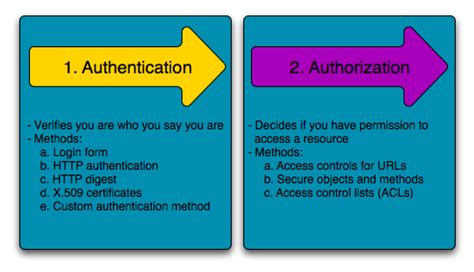
- Robust Security Protocols: Most email authentication APIs leverage industry-standard protocols like OAuth 2.0 and API keys to ensure secure access and data protection.
- Flexible Integration Options: These APIs offer diverse authentication methods, including basic authentication, token-based systems, and integration with identity providers, catering to various application needs.
- Comprehensive Feature Sets: Beyond basic authentication, many APIs provide additional functionalities such as email verification, fraud prevention, multifactor authentication, and identity management.
Introduction to Email Authentication APIs
Email authentication APIs are essential tools for developers seeking to verify the authenticity of email addresses, prevent fraudulent activities, and secure email communications within applications. These APIs facilitate various authentication mechanisms, ensuring that only legitimate users can access and interact with an application's email functionalities.
Core Features of Email Authentication APIs
Secure Authorization Mechanisms
Most email authentication APIs utilize robust authorization protocols to secure access to email data and functionalities. OAuth 2.0 is the most commonly adopted protocol, enabling users to grant applications limited access to their email accounts without exposing their passwords. This protocol supports token-based authentication, where access tokens are issued to authenticate subsequent API requests securely.
API Key Management
API keys are another prevalent method for authenticating requests to email APIs. Each API key is unique to an account and must be included in all API requests. This ensures that only authorized applications can interact with the email service, providing an additional layer of security. For instance, the Emailable API requires API keys for authentication, which must be included in all requests.
Support for Multiple Authentication Methods
Email authentication APIs offer various authentication methods to cater to different application requirements. These methods include:
- Basic Authentication: Combines the user's email address with an API token or password. While simpler to implement, it is generally considered less secure than token-based methods.
- Token-Based Authentication: Utilizes tokens, such as JWTs (JSON Web Tokens), to authenticate users and authorize API requests. This method enhances security by allowing tokens to expire and reducing the need to transmit sensitive information.
- OAuth 2.0: Provides a secure and flexible framework for authorization, enabling applications to obtain limited access to user accounts on an HTTP service.
Integration with Identity Providers
Advanced email authentication APIs support integration with identity providers (IdPs) like Okta, OneLogin, and Auth0. This allows applications to manage user identities and authentication processes seamlessly, leveraging the capabilities of these IdPs for multifactor authentication (MFA) and single sign-on (SSO).
Popular Email Authentication APIs
Emailable API
The Emailable API specializes in email verification and validation, helping developers ensure that the email addresses collected are valid and active. It uses API keys for authentication and supports multiple programming languages, making integration straightforward. Comprehensive documentation, including code snippets for cURL, Ruby, Node.js, and Python, facilitates ease of use.
import requests

api_key = 'YOUR_API_KEY'
email = 'example@example.com'
response = requests.get(f'https://api.emailable.com/v1/verify?email={email}', headers={'Authorization': f'Bearer {api_key}'})
print(response.json())
Nylas Email Authentication API
Nylas offers a versatile Email Authentication API designed to verify email addresses, prevent fraud, and enhance security. It supports various authentication types, including OAuth for Google and Microsoft accounts, and secure password authentication for legacy servers. Additionally, Nylas integrates with identity providers like Okta and OneLogin, providing multiple application-level security mechanisms to safeguard customer data.
Google Gmail API
The Gmail API by Google enables developers to access and interact with Gmail mailboxes programmatically. It leverages OAuth 2.0 for authorization, allowing users to grant applications specific access levels through defined scopes. This API supports a wide range of operations, including sending, receiving, and organizing emails, making it a powerful tool for integrating email functionalities within applications.
Example of OAuth 2.0 Authorization with Gmail API:
// Client-side authorization request
https://accounts.google.com/o/oauth2/v2/auth?
 scope=https%3A//www.googleapis.com/auth/gmail.readonly&
 access_type=offline&
 include_granted_scopes=true&
 response_type=code&
 state=state_parameter_passthrough_value&
 redirect_uri=https%3A//oauth2.example.com/code&
 client_id=client_id_value
Auth0 Authentication API
Auth0 provides a comprehensive Authentication API that supports various identity protocols, including OpenID Connect, OAuth 2.0, FAPI, and SAML. It allows users to log in, sign up, log out, and securely access APIs. Auth0's API also facilitates email-based authentication, where users can log in using verification codes sent to their email addresses, enhancing security through multifactor authentication and integration with other identity providers.
Dyn Email Delivery REST API
Dyn's Email Delivery REST API emphasizes secure configuration and reporting capabilities. It requires a unique API key for each account and supports standard HTTP or HTTPS requests, returning data in JSON, HTML, or XML formats. This flexibility allows developers to integrate email management and reporting into their systems effectively.
Mailjet Email API
Mailjet's Email API employs HTTPS Basic Authentication, requiring a username and password for each API request. It offers RESTful APIs and SMTP libraries for seamless email integration and delivery. Mailjet also provides extensive documentation and support for various programming languages, making it accessible for developers.
SendGrid Email API
SendGrid offers RESTful Email APIs and SMTP libraries designed for integrating and delivering emails efficiently. Its APIs support a range of email functionalities, including sending transactional emails, managing recipient lists, and tracking delivery metrics. SendGrid emphasizes security through token-based authentication and comprehensive API documentation.
FusionAuth Email API
FusionAuth's Email API manages email templates for various authentication flows, such as password resets and account verification. This API allows developers to customize and control the content and formatting of authentication emails, ensuring a consistent user experience across different parts of an application.
Outlook REST API
Microsoft's Outlook REST API provides programmatic access to users' email accounts, facilitating operations like sending and managing emails. It relies on OAuth 2.0 for secure authorization, allowing applications to integrate email functionalities within broader identity and access management frameworks.
Implementing Email Authentication in Applications
Best Practices
When integrating email authentication APIs into applications, adhering to best practices ensures security, reliability, and a smooth user experience. Key best practices include:
- Use HTTPS for All Communications: Ensure that all API requests and responses are transmitted over secure channels (TLS/HTTPS) to protect data from interception and tampering.
- Implement Proper Access Controls: Define granular access policies to restrict API usage based on roles and permissions, minimizing the risk of unauthorized access.
- Leverage Established Authentication Libraries: Utilize well-tested libraries and frameworks for implementing authentication protocols, reducing the likelihood of security vulnerabilities.
- Handle Authentication Errors Gracefully: Implement comprehensive error handling to manage authentication failures, providing informative feedback to users without exposing sensitive information.
- Regularly Rotate API Keys and Tokens: Periodically update and rotate API keys and tokens to minimize the impact of potential compromises.
Securing API Requests
Securing API requests involves multiple layers of protection to ensure that only authorized entities can access and use the API. Strategies include:
- API Key Management: Assign unique API keys to each application or user, monitor their usage, and revoke them if suspicious activity is detected.
- Token Expiration: Implement short-lived tokens to reduce the window of opportunity for attackers to misuse stolen tokens.
- IP Whitelisting: Restrict API access to specific IP addresses or ranges, preventing unauthorized locations from making requests.
- Rate Limiting: Enforce limits on the number of API requests from a single source within a given timeframe to prevent abuse and denial-of-service attacks.
Comparative Analysis of Email Authentication APIs
| API | Authentication Methods | Key Features | Integration Ease | Documentation & Support |
|---|---|---|---|---|
| Emailable | API Key | Email Verification, Multi-language Support | High | Comprehensive with Code Snippets |
| Nylas | OAuth, API Keys, IdP Integration | Fraud Prevention, Identity Provider Support | Medium | Detailed Documentation |
| Gmail API | OAuth 2.0 | Email Management, Scopes-based Access | Medium | Extensive Google Developer Resources |
| Auth0 | OAuth, OpenID Connect, SAML | Identity Management, MFA, SSO | High | Comprehensive Documentation and Support |
| Dyn Email Delivery | API Key | Email Configuration, Reporting | Low | Standard Documentation |
| Mailjet | HTTPS Basic Auth | RESTful APIs, SMTP Libraries | High | Extensive Language Support |
| SendGrid | Token-Based Auth | Transactional Emails, Delivery Tracking | High | Robust Documentation |
| FusionAuth | API Key, OAuth 2.0 | Email Template Management, Authentication Flows | Medium | Detailed API Guides |
| Outlook REST API | OAuth 2.0 | Email Operations, Integration with Microsoft Services | Medium | Microsoft Developer Resources |
Choosing the Right Email Authentication API
Selecting the appropriate email authentication API depends on various factors, including the specific needs of your application, the level of security required, ease of integration, and the features offered by the API. Consider the following when making your choice:
- Security Requirements: If your application handles sensitive user data, opt for APIs that offer advanced security features like OAuth 2.0, multifactor authentication, and integration with reputable identity providers.
- Integration Flexibility: Choose APIs that support multiple programming languages and provide comprehensive documentation, facilitating easier integration into your existing systems.
- Feature Set: Assess the additional features offered by the API, such as email verification, fraud prevention, reporting capabilities, and customizable email templates.
- Scalability and Reliability: Ensure that the API can handle your application's current and anticipated email traffic without compromising performance or reliability.
- Support and Community: APIs backed by robust support systems and active developer communities can provide valuable assistance during integration and troubleshooting.
Use Case Scenarios
Different applications have varying requirements for email authentication. Here are some scenarios and the APIs best suited for each:
-
Email Verification Services: For applications needing to validate and verify large volumes of email addresses, Emailable and Mailosaur provide specialized verification services with comprehensive documentation and multi-language support.
-
Secure User Authentication: Applications requiring robust user authentication and identity management should consider Auth0 or Nylas, which offer advanced features like multifactor authentication, integration with multiple identity providers, and extensive security protocols.
-
Transactional Email Management: For managing and sending transactional emails, SendGrid and Mailjet offer powerful APIs with features like delivery tracking, template management, and SMTP integration.
-
Integrated Email Functionality: Applications needing deep integration with email services for sending, receiving, and managing emails should look toward Gmail API or Outlook REST API, which provide extensive email management capabilities through OAuth 2.0 authorization.
Advanced Topics in Email Authentication
Multifactor Authentication (MFA)
MFA enhances security by requiring users to provide multiple forms of verification before granting access. Many email authentication APIs support MFA by integrating with identity providers that offer MFA capabilities, adding an extra layer of protection against unauthorized access.
Identity Management and Single Sign-On (SSO)
Identity management APIs, such as Auth0, facilitate the management of user identities and support SSO, allowing users to access multiple applications with a single set of credentials. This simplifies the user experience while maintaining high security standards across different services.
Fraud Prevention and Detection
Advanced email authentication APIs incorporate fraud prevention mechanisms to detect and mitigate malicious activities. Features like email address validation, anomaly detection, and behavior analytics help in identifying and preventing fraudulent access attempts.
Recap and Conclusion
Email authentication APIs play a pivotal role in securing email communications, verifying user identities, and protecting applications from fraudulent activities. By leveraging robust protocols like OAuth 2.0, employing secure authorization methods, and integrating with trusted identity providers, these APIs ensure that only legitimate users can access and interact with email functionalities within applications.
When selecting an email authentication API, it's essential to consider your application's specific needs, the level of security required, and the ease of integration offered by the API. By adhering to best practices and choosing the right API, developers can enhance the security and reliability of their email operations, providing a safe and seamless experience for users.
References
Last updated January 11, 2025