
Embracer's Expansion Engine Sputtered: An Analysis Beyond Hindsight
Unpacking the observable challenges behind the gaming giant's turbulent transformation and the lessons for the industry.
Embracer Group, once a rapidly expanding titan in the gaming and entertainment world, has faced significant turbulence, culminating in a major restructuring. Understanding why involves looking beyond simple hindsight and examining factors and strategic choices that were observable as the company grew. This analysis delves into the complexities of Embracer's journey, the strategic decisions made, and the broader industry context, drawing parallels and lessons without relying on the specific examples you provided.
Highlights: Key Factors in Embracer's Trajectory
- Aggressive Expansion vs. Integration Capacity: Embracer's rapid acquisition strategy, while building a vast portfolio, visibly strained its ability to effectively integrate and manage diverse assets.
- Portfolio Complexity and Strategic Cohesion: The sheer breadth of acquired entities across different sectors (PC/console, mobile, board games, comics) raised observable questions about overarching strategic synergy and efficient resource allocation.
- Dependence on External Factors: The company's growth model showed a significant reliance on external capital and favorable market conditions, a vulnerability exposed when a major funding deal collapsed.
Understanding Embracer Group's Ambition
A Strategy Built on Acquisition and Decentralization
Embracer Group, headquartered in Karlstad, Sweden, pursued a unique and aggressive growth strategy centered on acquiring a vast array of game developers, publishers, and intellectual properties (IPs). By 2023, it boasted over 900 owned or controlled franchises and operated through numerous distinct operative groups, housing 135 internal studios. The core philosophy was often described as backing entrepreneurs and creators, allowing acquired companies considerable operational autonomy under a decentralized holding structure. This model aimed to foster creativity and maintain the unique cultures of individual studios while theoretically benefiting from the scale and resources of the larger group.

Lars Wingefors, co-founder and Group CEO of Embracer Group, architect of its acquisition-led growth strategy.
Acquisitions spanned diverse segments, including major players in PC/Console gaming (like THQ Nordic, Gearbox), mobile gaming (Easybrain, DECA Games), board games (Asmodee), and even comics (Dark Horse). This diversification was intended to spread risk and capture growth across the entertainment landscape. However, managing such a sprawling and varied empire presented inherent challenges.
Observable Factors Contributing to Embracer's Challenges
Analyzing Embracer's difficulties involves identifying factors that were perceivable during its expansion phase, not just with the benefit of hindsight. These elements relate to the inherent risks and complexities of their chosen strategy:
1. Acquisition Velocity Outpacing Integration Maturity
The sheer speed and volume of Embracer's acquisitions were publicly documented. While impressive in scale, this rapid expansion inherently raised questions about the group's capacity to effectively integrate new companies. Integrating diverse business cultures, technological systems, and operational processes requires significant time, resources, and management focus. The observable pace suggested potential integration bottlenecks and difficulties in realizing promised synergies across the rapidly growing network.
2. Strategic Complexity in a Highly Diversified Portfolio
Embracer amassed assets across very different entertainment sectors – from high-budget AAA games to mobile apps, tabletop games, and comic books. While diversification can mitigate risk, managing such disparate businesses under one umbrella requires distinct expertise and strategies for each segment. The lack of apparent, deep cross-pollination or unified strategic initiatives across these diverse holdings was observable, suggesting potential difficulties in creating a cohesive whole that was truly greater than the sum of its parts.
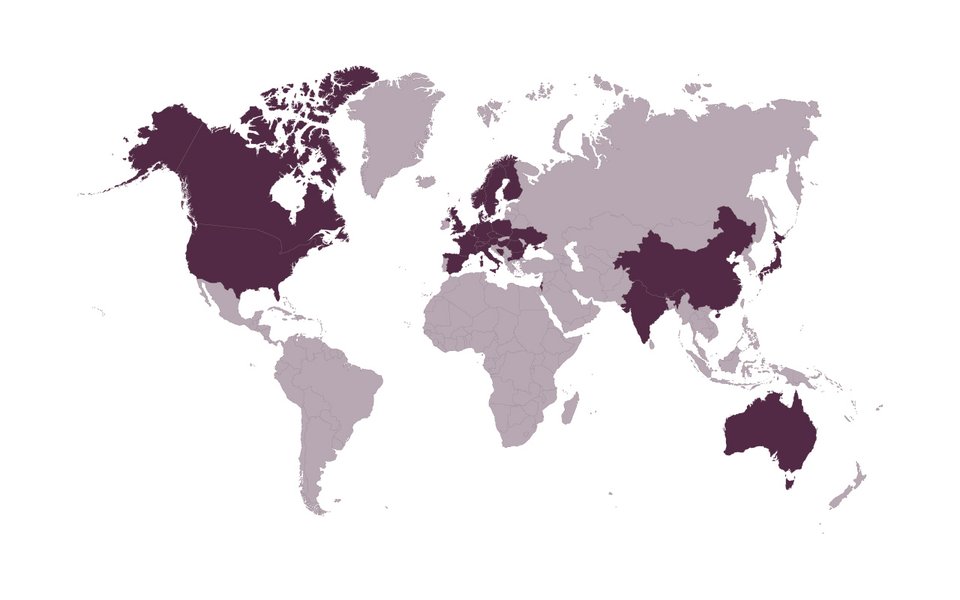
Embracer's global footprint highlights the geographic and operational spread resulting from its acquisition strategy.
3. Pronounced Reliance on External Capital and Market Confidence
Embracer's growth was significantly fueled by capital raised through share issues and debt, predicated on continued expansion and future success. Financial reports and market commentary highlighted this reliance. The pursuit of very large-scale partnerships, like the ultimately collapsed $2 billion deal (later revealed to involve Savvy Games Group), underscored this dependence. This observable reliance on external funding and positive market sentiment made the company vulnerable to shifts in investor confidence or macroeconomic downturns, risks inherent in any strategy heavily dependent on continuous capital inflow rather than self-sustaining operational cash flow.
4. Operational Fragmentation Risk in a Decentralized Model
Embracer publicly championed its decentralized model, granting significant autonomy to its operative groups and studios. While intended to preserve entrepreneurial spirit, this structure inherently carried the risk of operational fragmentation. Ensuring consistent quality standards, financial discipline, strategic alignment, and efficient resource sharing across dozens of independent-minded units presented an observable challenge. Without strong central coordination, the potential for inefficiencies and a lack of unified direction was a tangible risk associated with this chosen structure.
5. Inconsistent Performance Signals Across Assets
While detailed performance data for every acquired studio wasn't always public, periodic financial reporting, game release schedules, and industry analysis provided signals about the varying health and profitability of different parts of the Embracer empire. Some acquisitions involved studios or franchises with histories of inconsistent success. The challenge of turning around or scaling these varied assets into consistent contributors to the group's bottom line was an observable aspect of the portfolio's complexity, hinting at potential future pressures if key titles underperformed or integration costs outweighed benefits.
Visualizing Strategic Priorities
A Radar Chart Perspective
To visualize the strategic tensions, this radar chart contrasts hypothetical focus areas. "Embracer Strategy (Peak)" represents the period of maximum expansion, prioritizing acquisition volume. "Industry Trend (Aggressive M&A)" reflects the broader sector's focus during the consolidation boom. "Ideal Sustainable Model" suggests a more balanced approach emphasizing integration and organic growth alongside acquisitions.
This chart illustrates how Embracer's strategy during its peak expansion phase emphasized high acquisition volume, significant debt tolerance, and high decentralization, potentially at the expense of deep integration, IP synergy, and investment in organic growth compared to a hypothetical sustainable model.
Mapping the Interconnected Challenges
A Mindmap of Embracer's Situation
The various factors contributing to Embracer's situation are interconnected. This mindmap visualizes the relationships between the core strategy, the resulting challenges, and the eventual restructuring.
(Gaming, Comics, Tabletop)"] id1c["Decentralized Model"] id2["Integration Issues"] id2a["Cultural Clashes"] id2b["Operational Hurdles"] id2c["Synergy Realization Difficulty"] id2d["Management Complexity"] id3["Financial Pressures"] id3a["High Debt Load"] id3b["Reliance on External Funding"] id3c["Collapsed $2B Deal
(Savvy Games)"] id3d["Underperforming Assets"] id3e["Market Sentiment Shift"] id4["Restructuring Response"] id4a["Mass Layoffs"] id4b["Studio Closures"] id4c["Project Cancellations"] id4d["Split into 3 Companies
(Asmodee, Coffee Stain & Friends, Middle-earth Ent. & Friends)"] id4e["Debt Reduction Focus"] id5["Industry Context"] id5a["Aggressive M&A Trend"] id5b["Post-Pandemic Correction"] id5c["Rising Development Costs"] id5d["Economic Headwinds"]
This map shows how the initial Acquisition Strategy led to Integration Issues and Financial Pressures (exacerbated by the failed deal and Industry Context). These combined factors necessitated the eventual Restructuring Response, including the significant decision to split the group.
Broader Industry Lessons and Parallel Failures
Embracer's situation is not entirely unique and reflects broader trends and potential pitfalls within the M&A-heavy landscape of the gaming and entertainment industries. Examining other cases helps contextualize the challenges:
Common Pitfalls in Large-Scale M&A and Diversification
Several recurring themes emerge when analyzing large corporate expansions and mergers, both within and outside the games industry:
Integration Difficulties and Culture Clash:
Similar to Embracer's potential challenges, the historic merger of AOL and Time Warner is often cited as a prime example where vastly different corporate cultures and business models failed to mesh, hindering the realization of expected synergies and ultimately leading to massive value destruction. Successfully merging operational systems, technologies, and, crucially, people remains a significant hurdle in many large deals.Overpaying and Overextension during M&A Booms:
Periods of intense consolidation, like the one seen in gaming from ~2020-2023, can drive up acquisition prices. Companies may overpay for assets or expand too quickly, accumulating debt and operational complexity without a clear path to profitable integration. Vivendi's earlier expansion into diverse media sectors also faced periods of strain due to the complexities of managing a sprawling, less-focused portfolio.Failure to Adapt Business Models:
The entertainment landscape evolves rapidly. Companies heavily invested in one model (e.g., premium games) might struggle if they don't adapt to shifts like free-to-play, subscription services, or changes in platform dominance. Failure to innovate or pivot can leave even large players vulnerable.Loss of Focus and Bureaucracy:
As companies grow through acquisition, there's a risk of losing the agility and focus that made smaller entities successful. Increased bureaucracy and diluted strategic vision can stifle innovation and slow down decision-making, impacting competitiveness.
Comparative Challenges Table
This table summarizes common challenges observed in different scenarios:
| Challenge Area | Embracer Group (Observable Factors) | AOL-Time Warner (Historical Example) | General Industry M&A Trend (Recent Gaming) |
|---|---|---|---|
| Integration & Culture | Difficulty managing diverse studios under a decentralized model; potential for operational/cultural friction. | Massive culture clash between internet startup and traditional media; integration failure. | Significant post-merger layoffs (e.g., Microsoft/Activision); struggles integrating large teams/pipelines. |
| Strategic Focus | Very broad portfolio across disparate sectors; observable questions about cohesive strategy. | Lack of clear strategic synergy between divisions; conflicting priorities. | Focus on scale/consolidation sometimes overshadowing clear IP/genre strategy or profitability. |
| Financial Structure | High reliance on acquisitions funded by debt/equity; vulnerability to funding disruptions (e.g., Savvy deal). | Massive goodwill write-downs after realizing overestimated synergies. | Increased debt loads; pressure from investors; susceptibility to economic downturns impacting funding. |
| Operational Complexity | Managing 100+ studios across multiple operative groups globally; potential inefficiencies. | Struggles managing combined operations of two vastly different giants. | Challenges in overseeing multiple large-scale projects simultaneously post-acquisition; pipeline management issues. |
The Human Cost and Restructuring
Navigating the Fallout
The consequences of these financial and strategic pressures were severe. Starting in mid-2023, Embracer initiated a significant restructuring program. This involved painful measures, including the closure of several acquired studios (like Volition, developer of Saints Row) and substantial layoffs, impacting hundreds, if not thousands, of employees across its global operations. Numerous game projects were also canceled or put on hold.
The culmination of this restructuring was the announcement in April 2024 to split Embracer Group into three separate, publicly listed companies:
- Asmodee Group: Focused on tabletop games.
- Coffee Stain & Friends: Concentrating on indie and A/AA premium and free-to-play games for PC/Console and Mobile.
- Middle-earth Enterprises & Friends: Housing the high-profile AAA game development studios and IPs, including Tomb Raider, Deus Ex, Borderlands, and The Lord of the Rings rights.
This decision marked the end of the "one giant group" vision, aiming to create more focused, manageable entities presumably better equipped to navigate their respective market segments and attract investors independently.
Video Perspective: The Rise and Fall
Analyzing Embracer's Journey
The following video provides a detailed overview and analysis of Embracer Group's trajectory, discussing its rapid growth through acquisitions, the challenges faced, the impact of the failed Savvy Games deal, and the subsequent restructuring efforts. It offers valuable context on the sequence of events and strategic decisions that shaped the company's path.
Watching this analysis can help synthesize the complex factors discussed, providing a narrative understanding of how Embracer moved from aggressive expansion to widespread restructuring.
Frequently Asked Questions (FAQ)
What was Embracer Group's main strategy?
Embracer's main strategy was rapid growth through acquisition. They bought numerous game development studios, publishers, intellectual properties (IPs), and other entertainment companies (like board game maker Asmodee and comic publisher Dark Horse). Their model involved operating these acquisitions under a decentralized structure, allowing subsidiaries significant autonomy.
What triggered Embracer's major restructuring?
A key trigger was the collapse of a verbally agreed $2 billion strategic partnership in 2023, widely reported to be with Saudi Arabia's Savvy Games Group. This sudden funding gap exposed the company's financial vulnerabilities, forcing it to undertake drastic cost-cutting measures, including layoffs, studio closures, game cancellations, and ultimately, the decision to split the company.
Why did the decentralized model cause problems?
While intended to foster creativity, extreme decentralization across such a large number of diverse companies made it difficult to achieve strategic alignment, enforce financial discipline, realize operational synergies (cost savings or shared resources), and respond cohesively to market changes or financial distress. Managing the sheer complexity became a significant challenge.
What happens to Embracer Group now?
Embracer Group is splitting into three independent, publicly listed entities: Asmodee Group (tabletop games), Coffee Stain & Friends (indie/AA/mobile games), and Middle-earth Enterprises & Friends (AAA games and major IPs like Tomb Raider and Lord of the Rings). The goal is for these smaller, more focused companies to be more manageable and attractive to investors specific to their market segments.
Recommended Further Exploration
- How might the split of Embracer Group affect the strategies and output of its former game studios?
- What are the key lessons for the gaming industry following the recent wave of large-scale mergers and acquisitions?
- What are the potential prospects and challenges for Asmodee, Coffee Stain & Friends, and Middle-earth Enterprises & Friends as independent entities?
- How do decentralized versus centralized management models compare in effectiveness for large media and entertainment conglomerates?
References
Last updated May 4, 2025