
Deep Research Report: Emodin, Cortisol Reduction, and Stress Management
Exploring the Biological Mechanisms and Supplementation Benefits of Emodin
Key Highlights
- Enzymatic Inhibition: Emodin acts as a selective inhibitor of 11β-HSD1, reducing the conversion of cortisone to cortisol.
- Multi-faceted Stress Modulation: Through antioxidant, anti-inflammatory, and neuroendocrine pathways, emodin alleviates stress and its physical manifestations.
- Metabolic and Supplementation Benefits: Beyond cortisol reduction, emodin influences body composition, metabolic health, and neuroprotection.
Introduction
Emodin is a naturally occurring anthraquinone compound found in several medicinal plants and herbs, including Chinese rhubarb and Japanese knotweed. In recent years, this compound has attracted significant interest in biomedical research for its potential in reducing cortisol levels and mitigating stress-related effects. Cortisol, often referred to as the stress hormone, is produced by the adrenal glands and plays a crucial role in the body’s response to stress; however, chronically elevated cortisol levels can contribute to metabolic disorders, anxiety, depression, and weight gain. This report synthesizes recent findings on the mechanisms through which emodin functions as a supplement to manage stress and maintain healthy cortisol levels.
Mechanisms of Action
Enzymatic Inhibition of Cortisol Production
One of the predominant biochemical actions of emodin is its ability to inhibit the enzyme 11β-Hydroxysteroid dehydrogenase type 1 (11β-HSD1). This enzyme is pivotal in the conversion process, transforming inactive cortisone into active cortisol within adipose tissue, liver, and other peripheral tissues. By acting as a potent and selective inhibitor of 11β-HSD1, emodin effectively reduces local cortisol production. Studies indicate that inhibition levels in adipose tissue can range up to 46%, leading to a cascade of beneficial responses such as reduced fat accumulation and improved metabolic profile.
Inhibition at the Enzymatic Level
Emodin directly targets 11β-HSD1, which is critical for the local amplification of cortisol. By preventing the conversion of the inactive cortisone to cortisol, this compound not only lowers stress hormone levels but also mitigates peripheral inflammation. This targeted action is key in addressing specific metabolic and stress-related pathways.
Modulation of the Hypothalamic-Pituitary-Adrenal (HPA) Axis
The HPA axis is central to the body’s endocrine response to stress. Emodin has been shown to modulate this axis by normalizing the secretion of stress hormones. In various animal models subjected to chronic unpredictable mild stress, oral administration of emodin resulted in a notable normalization of plasma corticosterone levels, which is analogous to cortisol in humans. By enhancing the feedback regulation of the HPA axis, emodin stabilizes the body’s overall stress response, reducing the harmful consequences of prolonged cortisol exposure.
ACTH-Induced Cortisol Suppression
Beyond its inhibitory effects on 11β-HSD1, emodin also impacts the stimulatory pathways of cortisol production. Specifically, emodin has been observed to dampen the adrenal response to adrenocorticotropic hormone (ACTH)—a hormone responsible for initiating cortisol secretion. By mitigating ACTH-induced cortisol release, emodin further assists in balancing stress levels, contributing to both reduced anxiety and improved mood.
Antioxidant and Anti-inflammatory Properties
Chronic stress is closely linked with oxidative damage and sustained inflammation. Emodin exhibits powerful antioxidant properties that help neutralize free radicals and reduce oxidative stress. Concurrently, it exerts anti-inflammatory effects by targeting key inflammatory pathways. This dual property not only protects tissues from stress-induced damage but also contributes indirectly to the reduction of cortisol levels, as inflammation itself is a trigger for the HPA axis.
Reduction of Pro-inflammatory Cytokines
In the presence of stress, pro-inflammatory cytokines such as TNF-α and IL-1β increase, aggravating systemic inflammation and promoting further cortisol release. Emodin, by downregulating these cytokines, reduces the overall inflammatory burden. The subsequent decrease in oxidative stress and inflammation allows the body’s natural stress response system to recalibrate, leading to a more balanced production of cortisol.
Neurological and Neuroprotective Effects
Emodin’s influence extends into the neural realm by providing neuroprotective benefits. The compound enhances the expression of specific neurotrophic factors, such as brain-derived neurotrophic factor (BDNF), which plays an essential role in neural health and plasticity. Moreover, emodin upregulates glucocorticoid receptors in the hippocampus, a region vital for mood regulation and stress responses. These neurological effects contribute to improved coping mechanisms against stress and reduced behavioral symptoms of depression.
Impact on Metabolism and Body Composition
Elevated cortisol levels are well-known for their role in promoting weight gain, particularly through the accumulation of visceral fat. Emodin’s cortisol-lowering action provides metabolic advantages that have been noticed in several research studies. The compound has been associated with reduced fasting blood glucose levels, improved insulin sensitivity, and even weight loss in animal models. This metabolic regulation is crucial for individuals managing conditions like obesity and type 2 diabetes, in which chronic stress plays a significant role.
Effects on Insulin Sensitivity and Glucose Regulation
The interplay between cortisol and insulin is a key aspect of metabolic health. Excessive cortisol can lead to insulin resistance and increased blood glucose levels. Emodin, by reducing cortisol production, helps in the enhancement of insulin sensitivity. Improvements in insulin tolerance have been observed in studies involving diet-induced obesity, further underscoring the compound’s role in promoting metabolic health.
Observed Metabolic Outcomes
Animal studies have shown that oral administration of emodin results in:
| Parameter | Observed Change |
|---|---|
| Fasting Blood Glucose | Significant reduction (up to 77% decrease) |
| Plasma Insulin Levels | Approximately 66% reduction relative to controls |
| Body Weight | Reduction in weight gain, up to 13.9% body weight loss in models |
These outcomes not only bolster the case for emodin as a stress management supplement but also highlight its benefits in regulating key metabolic processes.
Supplementation Considerations
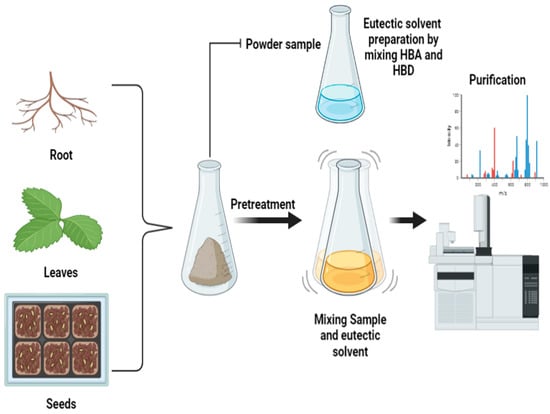
While the research into emodin’s efficacy is promising, successful and safe supplementation requires careful consideration of dosage and usage protocols. Typically derived from plants such as Polygonum cuspidatum or rhubarb, emodin is available in standardized extract forms designed to deliver a controlled amount of the bioactive compound.
Recommended Dosage and Administration
The effective doses in animal studies have varied, generally ranging from 20 to 80 mg/kg administered over extended periods (e.g., 12 weeks) with observed benefits in cortisol reduction and metabolic improvements. In human supplementation, formulations have been standardized to approximate a dose of around 300 mg of 80% emodin extract per serving. It is important to start with smaller doses to assess individual tolerance, as certain individuals may experience gastrointestinal discomfort.
Gradual Titration
A conservative approach is advised, particularly for first-time users. Initiating supplementation with one capsule daily and gradually increasing the dose allows the body to adjust while minimizing potential side effects. Users are encouraged to monitor their response and consult with healthcare providers to tailor the dosage to their specific health needs.
Potential Side Effects and Precautions
Although emodin is generally well-tolerated, there are some precautions associated with its use. Gastrointestinal issues may arise in certain individuals, and long-term safety data in human populations remain limited. Users should be aware of:
- Potential gastrointestinal upset during the initial phase of supplementation.
- The need to avoid continuous, high-dose usage without periodic breaks to mitigate potential adverse effects.
- Consultation with healthcare professionals prior to beginning supplementation, especially in individuals with pre-existing health conditions.
Comprehensive Research Findings and Implications
Multiple lines of scientific inquiry indicate that emodin provides a multi-dimensional approach to managing stress and reducing cortisol levels. Beyond the direct inhibition of cortisol synthesis and modulation of the HPA axis, emodin’s antioxidant, anti-inflammatory, and neuroprotective effects contribute synergistically to its overall benefits. Studies across various animal models and biochemical assays have consistently shown that emodin can:
- Normalize elevated corticosterone (a cortisol analog) levels under stress conditions.
- Enhance mood and reduce behavioral manifestations of chronic stress, with implications for the treatment of depression.
- Improve metabolic health markers, including insulin sensitivity and lipid profiles, further reducing the risk of stress-related metabolic disorders.
The compound’s dual role in both stress mitigation and metabolic regulation makes it a unique supplement with broad-spectrum therapeutic potential. Its applications are not limited to stress management alone, as improvements in neuroendocrine function and metabolic stability offer long-term benefits for overall health.
Integration in Modern Nutraceuticals
Modern nutraceutical formulations often combine emodin with other bioactive ingredients that enhance its absorption and efficacy. For instance, compounds like AstraGin® are known to improve gastrointestinal absorption, ensuring that emodin reaches its target tissues effectively. Formulations featuring emodin are marketed in the context of cortisol blockers, weight management enhancers, and overall stress-relief supplements.
Combination Therapies
The synergistic effects achieved by combining emodin with other antioxidants or metabolic regulators further enhance its efficacy. Research continues to explore optimal combinations that could provide a more pronounced reduction in cortisol levels and superior management of chronic stress.
Future Research Directions
While current studies provide valuable insights into the utility of emodin in lowering cortisol and managing stress, further clinical research is essential. Future studies should aim to:
- Establish definitive human clinical trials that validate the findings observed in animal models.
- Assess the long-term safety profile and optimal dosing parameters for chronic administration in diverse populations.
- Explore potential interactions with other medications and supplements that target the HPA axis and metabolic pathways.
- Investigate the molecular pathways underlying emodin’s neuroprotective activities to better integrate it into treatment protocols for stress-related and neurodegenerative disorders.
As research progresses, emodin may well secure its place as a key natural compound in the arena of stress management and metabolic health.
Conclusion and Final Thoughts
Emodin stands out as a promising supplement with multi-layered benefits for reducing cortisol levels and managing stress. Through its targeted inhibition of the 11β-HSD1 enzyme, modulation of the HPA axis, and its robust anti-inflammatory and antioxidant properties, emodin directly addresses the physiological underpinnings of stress. In addition to its direct effects on cortisol synthesis, emodin influences metabolic health by improving insulin sensitivity and contributing to better body composition.
While the current body of research, predominantly based on animal models and early clinical data, underlines the potential of emodin as a stress-relieving and cortisol-managing agent, further well-designed human studies are required to fully elucidate its long-term efficacy and safety. As part of a comprehensive lifestyle and dietary regimen, emodin-based supplements could become a valuable tool for individuals dealing with high stress and metabolic imbalances. Practitioners and users alike are encouraged to approach supplementation with careful dosage titration and informed guidance from healthcare professionals.
References
- Emodin Product Information - Morphogen Nutrition
- Cortisol Blocker with Emodin - Gorilla Mind
- Pharmacologic Insights on Emodin - Nature
-
Mechanism Studies on Emodin - PMC
-
Scientific Research on Emodin - ScienceDirect
Recommended Queries for Further Research
Last updated February 27, 2025