
Understanding Emotional Development
A comprehensive exploration of emotional and social-emotional growth
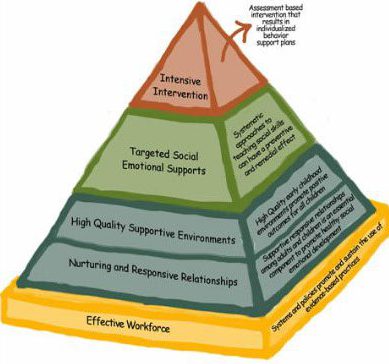
Key Highlights
- Definition and Core Components: Emotional development is the process of acquiring the ability to experience, express, understand, and regulate emotions from infancy through adulthood.
- Social-Emotional Interplay: It is inherently linked with social development, involving interactions, empathy, and relationship building.
- Critical Milestones and Regulation: Developmental milestones, the ability to manage emotional responses, and the role of caregiver relationships are essential aspects of healthy emotional growth.
Defining Emotional Development
Emotional development can be described as a multifaceted process that begins at birth and evolves over an individual’s life span. It encompasses the ways in which people experience, express, understand, and regulate their emotions. This process is dynamic and intertwined with cognitive, social, and neurological growth, enabling individuals to build a comprehensive emotional repertoire. Emotional development is not only about feeling emotions but also about comprehending the complexity of these feelings, determining their causes, and learning how to manage them constructively.
Core Components of Emotional Development
1. Experiencing Emotions
From the earliest stages of life, individuals begin to experience a variety of emotions. Infants naturally express basic emotions such as joy, fear, anger, and sadness. As they mature, they encounter a broader spectrum, including more nuanced feelings such as embarrassment, guilt, pride, and empathy. Recognizing and processing these emotions form the groundwork for more complex emotional expressions later in life.
2. Expressing Emotions
The ability to express emotions effectively involves both verbal and non-verbal communication. In early childhood, emotional expression might manifest through crying, laughing, or other facial expressions. As language skills and social understanding grow, individuals learn to express their feelings through words, gestures, and culturally appropriate behaviors. Emotional expression facilitates interpersonal communication and helps in forging social bonds.
3. Understanding Emotions
A critical aspect of emotional development is understanding emotions, both in oneself and in others. This involves the ability to identify different feelings, comprehend their origins, and appreciate how they affect behaviors and interactions. Recognizing emotional cues in oneself and in others—such as facial expressions, body language, and tone—paves the way for the development of empathy and effective social interactions.
4. Regulating Emotions
Emotional regulation is the process of managing and modulating emotions to respond appropriately to different social contexts. It includes skills like self-soothing, impulse control, and the application of coping strategies to mitigate strong feelings such as anger or anxiety. Through guidance from caregivers and social interactions, individuals learn to control emotional outbursts and adapt their responses to achieve long-term emotional balance.
Aspects of Social-Emotional Development
Social-emotional development refers to how individuals learn to integrate their emotional experiences with their social interactions. It plays a pivotal role in forming relationships, nurturing empathy, and understanding social norms. The following sections delve into the multifaceted interconnections between emotional growth and social dynamics, particularly in the context of a B.Ed assignment for the course Code 8610 Human Development at Allama Iqbal Open University.
Emotional Interaction with the Social Environment
1. Early Caregiver Relationships
The role of caregivers is fundamental during infancy and early childhood. Warm, attentive caregiving fosters secure attachments, which are critical for emotional security and development. Responsive caregiving supports an infant’s ability to trust and effectively express emotions. When caregivers validate a child’s feelings, it reinforces that emotions are a natural aspect of human experience, thereby encouraging the child to explore and understand their emotional identity.
2. Peer Interactions
As children grow, interactions with peers become increasingly important. Through social play and collaborative activities, children learn to share, negotiate, and resolve conflicts while simultaneously expressing and interpreting emotions. Peer relationships contribute to the development of emotional intelligence by providing individuals with opportunities to observe diverse emotional expressions and responses. For example, group activities such as games and classroom projects allow children to practice regulating their emotions in dynamic social settings.
3. Self-Concept and Identity Formation
Self-concept and self-awareness are intrinsic parts of emotional development. The process involves understanding one's strengths, limitations, and unique emotional responses. Self-awareness emerges as children begin to differentiate themselves from others, establish personal preferences, and identify with specific social roles. This internal realization leads to a well-defined identity and a better capability to manage and express emotions, which is especially important during the formative school years.
4. Empathy Development
Empathy, the ability to understand and share the emotions of others, is a critical aspect of social-emotional development. This ability is honed through constant interactions, mimicking, and emotional exchanges with both adults and peers. Strong empathy skills contribute to effective communication and are associated with higher levels of moral reasoning, deepening interpersonal connections and group cohesion.
5. Cultural and Social Norms
Emotional development does not occur in isolation – it is heavily conditioned by cultural and social influences. Societal expectations dictate how emotions should be expressed and interpreted in different contexts. For instance, certain cultures may encourage the open display of joy while promoting restrained expression of anger. Understanding these social norms enables individuals to navigate their environments successfully and to adjust their emotional responses to diverse situations.
Educational Implications in Human Development
In the context of a B.Ed assignment for Course Code 8610 Human Development at Allama Iqbal Open University, incorporating the study of emotional and social-emotional development is crucial. Educators are tasked with nurturing these skills to promote a supportive learning atmosphere that enhances academic performance and overall well-being.
Strategies to Support Emotional Development in Educational Settings
1. Creating a Safe Environment
A classroom that emphasizes safety, respect, and openness is essential for fostering emotional development. Teachers who create a supportive atmosphere enable students to openly share their feelings without fear of judgment. This trust-based environment supports the development of self-esteem and the willingness to engage in emotionally challenging discussions.
2. Modeling Emotion Regulation
Teachers serve not only as academic instructors but also as role models in emotional regulation. Demonstrating effective ways to manage stress, frustration, and even joy reinforces positive behavioral patterns among students. Techniques such as mindfulness, deep-breathing exercises, and reflective practices can be integrated into the educational routine to help students practice self-regulation.
3. Integrating Developmental Milestones into Curriculum
Understanding developmental milestones is key to tailoring teaching methods that correspond with student needs. Educational curricula can include modules that discuss age-specific emotional responses and regulation strategies. For example, children at different stages might be encouraged to engage in storytelling, dramatization, or art therapy sessions that allow them to explore and articulate emotions creatively.
4. Utilizing Peer Collaboration
Group activities that require collaboration and shared decision-making can serve as practical exercises in emotional development. These activities help students experience and practice empathy, conflict resolution, and cooperative communication. Peer feedback sessions can also be instrumental in helping students develop insights into their own emotions and the emotional states of others.
Illustrative Table: Emotional Development Milestones and Educational Strategies
| Age Range | Key Emotional Milestones | Educational Strategies |
|---|---|---|
| Infancy (0-2 years) | Basic expression of joy, fear, sadness, and anger; attachment formation | Responsive caregiving; sensory-rich activities; secure attachment practices |
| Early Childhood (3-5 years) | Emergence of empathy; beginning self-awareness; formation of gender and identity | Storytelling; role-playing; introduction to simple emotion identification |
| Middle Childhood (6-12 years) | Recognition of complex emotions; improved emotion regulation; peer relationship building | Group activities; social skills training; collaborative learning projects |
| Adolescence (13+ years) | Development of self-concept; moral reasoning; advanced emotional regulation | Discussion groups; mindfulness training; conflict resolution workshops |
Visual Representation and Picture Suggestion
While this document does not include an embedded image file, a visual diagram or infographic can be highly beneficial in a B.Ed assignment on emotional development. Consider using an illustration that maps the progression of emotional milestones from infancy through adolescence. Such an infographic might depict:
- A timeline highlighting key emotional, social, and cognitive milestones
- Icons representing different stages and emotions (e.g., smiling faces, tearful expressions, avatars engaging in group activities)
- Arrows or flowcharts linking early attachment to later emotional regulation and social relationships
This visual aid will not only enhance understanding but also illustrate how emotional and social-emotional development are interconnected, making the topic more engaging for your audience.
References
- Emotional Development - Be You
- Emotional Development Stages - Empowered Parents
- Emotional Development - Britannica
- Social Emotional Development - Help Me Grow
-
Social Emotional Development - ScienceDirect
Recommended Related Queries
Last updated March 6, 2025