
Potential Scenarios Leading to the End of Marine Life
An in-depth exploration of catastrophic events threatening our oceans
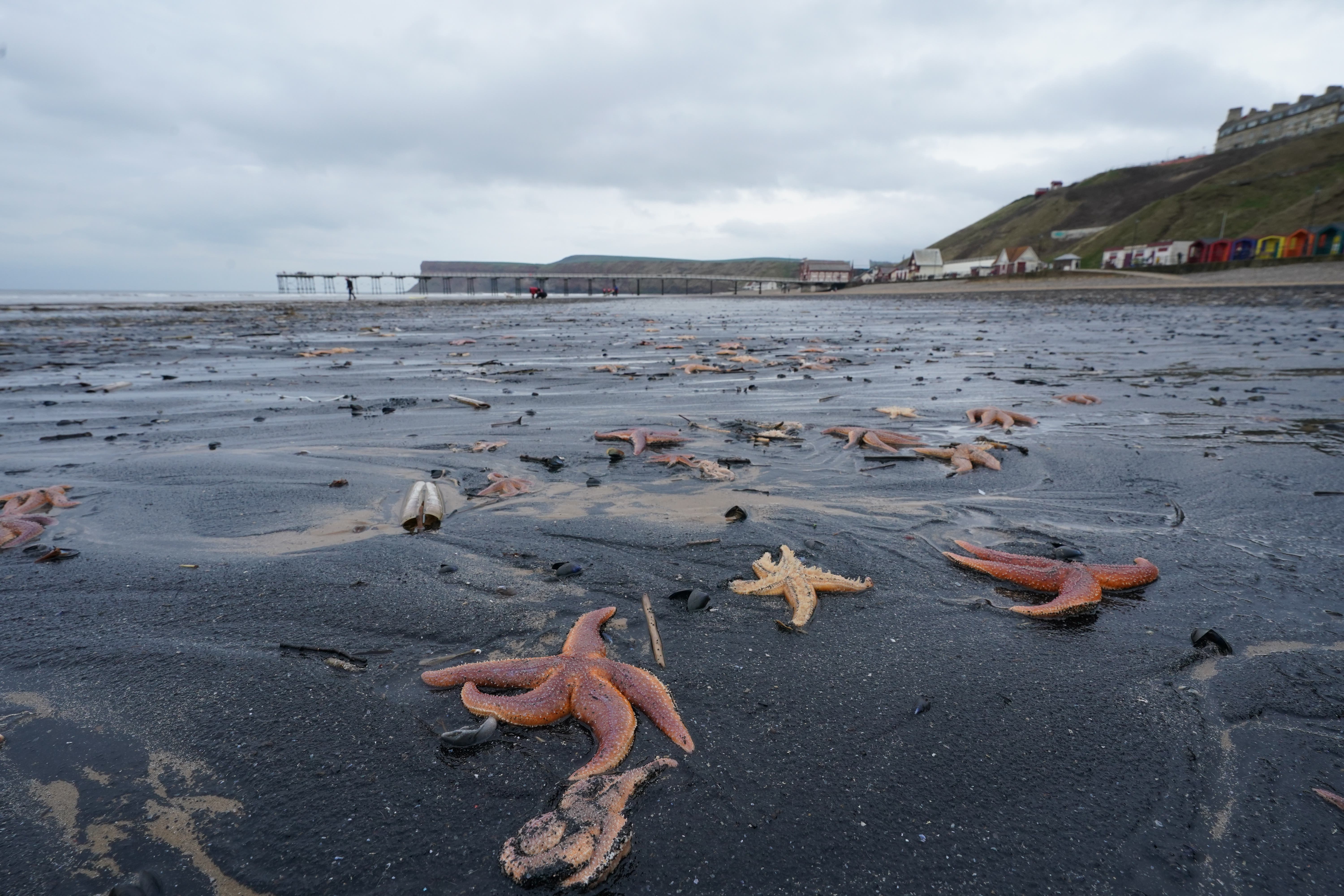
Key Takeaways
- Climate Change and Ocean Acidification are critically threatening marine ecosystems.
- Astrophysical and Geological Catastrophes could cause rapid and widespread extinction events.
- Human Activities, including pollution and overfishing, contribute significantly to marine life decline.
1. Climate Change and Global Warming
Impact on Ocean Temperatures
Rising global temperatures have a direct impact on ocean temperatures. Warmer waters can lead to the bleaching of coral reefs, which are vital habitats for a myriad of marine species. Elevated temperatures also disrupt the metabolic processes of marine organisms, leading to reduced growth rates, reproduction issues, and increased mortality rates.
Reduction in Oxygen Levels
As ocean temperatures increase, the solubility of oxygen decreases, resulting in lower dissolved oxygen levels in marine environments. This deoxygenation makes it difficult for marine species to survive, particularly affecting organisms that rely on higher oxygen concentrations.
Sea Level Rise and Habitat Loss
Global warming leads to the melting of polar ice caps and glaciers, contributing to rising sea levels. This rise can flood coastal habitats, such as mangroves and estuaries, which serve as critical breeding and feeding grounds for many marine species. The loss of these habitats can result in significant reductions in biodiversity.
2. Ocean Acidification
Chemical Impacts on Marine Life
The ocean absorbs a substantial amount of carbon dioxide (CO₂) from the atmosphere, leading to a decrease in pH levels—a process known as ocean acidification. Lower pH levels affect calcifying organisms, such as corals, mollusks, and some plankton species, impairing their ability to build and maintain calcium carbonate shells and structures. This weakening compromises their survival and the integrity of marine food webs.
Disruption of Food Chains
As primary producers like plankton are affected by acidification, the entire marine food chain is disrupted. Reduced plankton populations mean less food for higher trophic levels, including fish, marine mammals, and birds, leading to declines in these populations and overall ecosystem instability.
Long-term Ecological Consequences
Continued acidification can lead to the collapse of coral reef systems, which are among the most biodiverse ecosystems on the planet. The loss of these habitats would result in the extinction of numerous marine species that depend on them for shelter and food.
3. Ocean Oxygen Depletion
Mechanisms of Deoxygenation
Several factors contribute to ocean deoxygenation, including increased temperatures, nutrient runoff leading to eutrophication, and changes in ocean circulation patterns. Warmer waters hold less oxygen, and nutrient pollution can cause algal blooms, which, upon decomposition, consume large amounts of oxygen, creating dead zones where marine life cannot survive.
Impacts on Marine Species
Low oxygen levels can cause mass die-offs of fish and invertebrates, disrupt reproductive cycles, and reduce growth rates. Species that require high oxygen levels are particularly vulnerable, leading to a decrease in biodiversity and the alteration of community structures within marine ecosystems.
Regional Dead Zones
Regions such as the Gulf of Mexico and the Baltic Sea have already experienced significant dead zones. These areas serve as warning signs of the broader global impact of oxygen depletion, indicating potential future widespread loss of marine life if trends continue.
4. Pollution
Types of Marine Pollution
Marine pollution encompasses a wide range of contaminants, including plastic debris, chemical pollutants, oil spills, and heavy metals. These pollutants can have lethal and sub-lethal effects on marine organisms, disrupting physiological processes and causing diseases.
Plastic Pollution and Microplastics
Plastics, especially microplastics, infiltrate marine food chains as they are ingested by a variety of organisms, from plankton to large marine mammals. This ingestion can cause physical harm, blockages in the digestive systems, and exposure to toxic substances used in plastic manufacturing.
Chemical and Industrial Pollutants
Pollutants such as pesticides, industrial chemicals, and pharmaceuticals enter marine environments through runoff, discharge, and atmospheric deposition. These chemicals can bioaccumulate in marine organisms, leading to toxic effects, reproductive failures, and population declines.
5. Overfishing and Habitat Destruction
Impact of Overfishing
Overfishing depletes fish stocks beyond sustainable levels, disrupting predator-prey relationships and reducing the resilience of marine ecosystems. The removal of key species can lead to cascading effects, where the loss of one species affects many others, ultimately destabilizing the entire food web.
Destructive Fishing Practices
Methods such as bottom trawling and dynamite fishing destroy critical marine habitats like coral reefs and seagrass beds. These habitats are essential for the breeding, nursery, and feeding of numerous marine species. Their destruction leads to a loss of biodiversity and the collapse of local fisheries.
Impact on Ecosystem Services
Marine ecosystems provide invaluable services, including carbon sequestration, nutrient cycling, and supporting fisheries. Overfishing and habitat destruction undermine these services, leading to economic losses and reduced food security for human populations that depend on them.
6. Astrophysical and Geological Catastrophes
Massive Asteroid or Comet Impacts
A sufficiently large asteroid or comet impact could generate extreme shock waves, heat, and tsunamis, devastating coastal and open ocean ecosystems almost immediately. The aftermath could resemble a “nuclear winter,” with altered climate and reduced sunlight disrupting photosynthesis and food webs globally.
Supervolcanic Eruptions
Supervolcanic eruptions can eject vast amounts of ash and aerosols into the atmosphere, blocking sunlight and causing drastic cooling. This can disrupt ocean temperatures and circulation patterns, potentially triggering mass extinction events by severely affecting marine life and their habitats.
Gamma-Ray Bursts and Supernovae
Although exceedingly rare, gamma-ray bursts or nearby supernovae could emit high-energy radiation capable of damaging the ozone layer and increasing harmful ultraviolet radiation reaching Earth’s oceans. This could lead to widespread ecological damage and threaten marine life on a large scale.
7. Ocean Circulation Collapse
Role of Ocean Circulation
Ocean circulation plays a crucial role in distributing heat, nutrients, and oxygen throughout marine environments. Disruptions to these circulation patterns can lead to significant changes in ocean chemistry and temperature, adversely affecting marine life.
Effects of Continental Drift
Changes in continental positions can alter ocean currents, potentially leading to oxygen depletion in deep waters and creating inhospitable conditions for deep-sea organisms. This can trigger widespread mortality among species that inhabit these regions.
Climate Change-Induced Disruptions
Global warming can weaken key ocean circulation branches, such as the Atlantic Meridional Overturning Circulation (AMOC). A collapse in these circulation systems can lead to drastic changes in climate patterns, ocean temperatures, and nutrient distribution, severely impacting marine ecosystems.
8. Sudden Environmental Changes
Dramatic Increases in Water Temperature
Sudden and extreme increases in water temperature can exceed the thermal tolerance of many marine species, leading to mass mortality events. Such temperature spikes can result from volcanic activity, meteor impacts, or rapid climate shifts.
Salinity Shifts
Significant changes in ocean salinity can disrupt osmoregulation in marine organisms, affecting their survival and reproductive success. Elevated salinity levels can desiccate sensitive species, while decreased levels can dilute essential ions necessary for physiological functions.
Chemical Imbalances
Unexpected chemical shifts in the ocean, such as sudden increases in toxic pollutants or nutrient levels, can create inhospitable conditions for marine life. These imbalances can lead to rapid ecosystem degradation and loss of biodiversity.
Comparative Analysis of Catastrophic Scenarios
Potential Causes and Their Impacts
| Catastrophic Event | Potential Impact on Marine Life | Probability | Time-frame |
|---|---|---|---|
| Massive Asteroid Impact | Immediate devastation through shock waves and tsunamis; long-term climate effects | Extremely Low | Rare (Millions of years) |
| Supervolcanic Eruption | Climate cooling; disruption of ocean temperatures and circulation | Low | Infrequent (Thousands to Hundreds of Thousands of years) |
| Runaway Climate Change | Gradual warming; widespread deoxygenation and acidification | High | Decades to Centuries |
| Ocean Acidification | Impaired calcification; collapse of food webs | High | Ongoing |
| Gamma-Ray Burst | Ozone depletion; increased UV radiation exposure | Extremely Low | Extremely Rare |
| Ocean Circulation Collapse | Disrupted nutrient distribution; widespread hypoxia | Moderate | Potentially within this century |
9. Mitigation Strategies
Reducing Greenhouse Gas Emissions
Immediate and drastic reductions in greenhouse gas emissions are essential to mitigate climate change and its impact on ocean ecosystems. Transitioning to renewable energy sources, enhancing energy efficiency, and implementing carbon sequestration technologies can help limit global warming.
Protecting Marine Habitats
Establishing marine protected areas (MPAs) can safeguard critical habitats from overfishing and pollution. Conservation efforts should focus on preserving coral reefs, mangroves, seagrass beds, and other vital ecosystems to maintain biodiversity and ecosystem services.
Reducing Pollution
Implementing stricter regulations on pollutants, reducing plastic usage, and enhancing waste management systems can significantly lower the levels of harmful substances entering marine environments. Public education and international cooperation are also crucial in combating marine pollution.
Sustainable Fishing Practices
Promoting sustainable fishing practices, such as catch limits, selective fishing gear, and fishing bans in sensitive areas, can help restore fish populations and maintain the balance of marine ecosystems. Overfishing can be curbed by enforcing regulations and supporting alternative livelihoods for fishing communities.
Conclusion
The survival of marine life is contingent upon addressing a multitude of interrelated factors that pose existential threats to ocean ecosystems. Climate change and ocean acidification emerge as the most pressing challenges, driven by anthropogenic activities that disrupt the delicate balance of marine environments. Additionally, catastrophic astrophysical and geological events, although less probable, underscore the vulnerability of marine ecosystems to sudden and extreme disturbances.
Human activities, including pollution, overfishing, and habitat destruction, exacerbate the decline of marine biodiversity and diminish the resilience of oceanic systems. Implementing comprehensive mitigation strategies is crucial to prevent a potential mass extinction event in the oceans. These strategies require global cooperation, stringent policy measures, and a commitment to sustainable practices to ensure the longevity and health of marine life for future generations.
References
Last updated February 9, 2025