
Step Inside: Unlocking the Secrets of England's Divided Pubs
Discover the distinct histories behind the Public Bar, Saloon Bar, and the cozy Snug in traditional English pubs.
The traditional English pub, a cornerstone of British social life, often held more than just ale; it reflected the intricate social layers of its time. Historically, many pubs featured distinct areas – the Public Bar, the Saloon Bar, and the Snug – each designed with a specific clientele and atmosphere in mind. While modern pubs often blend these spaces, understanding their origins reveals fascinating insights into England's cultural heritage.
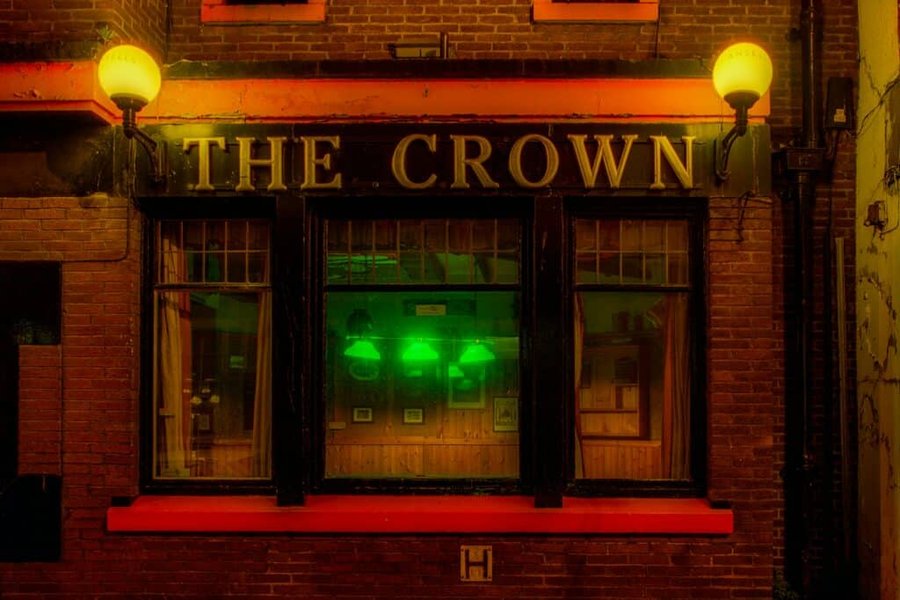
A glimpse into the lively atmosphere characteristic of many English pubs.
Key Distinctions at a Glance
Essential Insights into Pub Divisions
- Social Stratification: The primary difference historically stemmed from catering to distinct social classes, with the Public Bar for the working class and the Saloon Bar for the middle class.
- Comfort and Cost: Furnishings, decor, and comfort levels varied significantly, often correlating with drink prices – basic and cheaper in the Public Bar, more refined and slightly pricier in the Saloon.
- Privacy and Purpose: The Snug offered a unique, small, private space, historically providing discretion for patrons like women or those wishing to avoid the main bar areas.
Exploring the Different Pub Spaces
A Deeper Dive into Each Area
Let's examine the characteristics that defined each of these distinct pub environments.
The Public Bar: The Heart of the Community
The Public Bar, often simply called the "bar" or sometimes the "tap room," was historically the most basic, functional, and accessible part of the pub. It was primarily designed for the working-class man.
- Atmosphere: Typically lively, boisterous, and utilitarian. It was a space for quick drinks after work, conversation, and traditional pub games like darts.
- Decor & Furnishings: Characterized by simplicity. Floors were often bare wood, sometimes covered with sawdust to absorb spills and dirt. Seating consisted of hard wooden benches or stools. The focus was on function over comfort.
- Clientele: Predominantly working-class men. It was a communal space, often seen as the most egalitarian part of the pub.
- Pricing: Drinks, particularly beer and ale, were generally cheaper here compared to other areas of the same establishment.
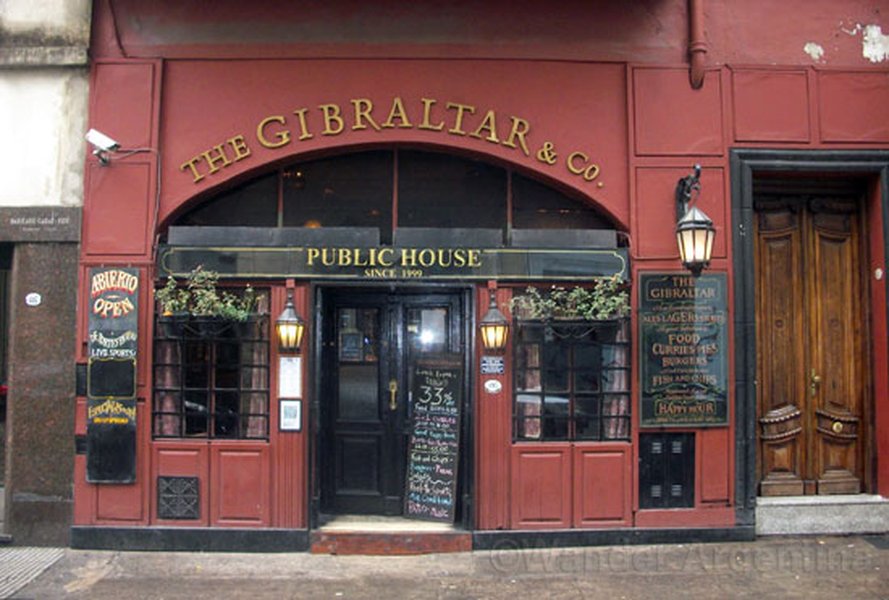
The facade of a pub often hinted at the traditional divisions within.
The Saloon Bar: A Touch of Refinement
The Saloon Bar (or Lounge Bar) represented a step up in terms of comfort and perceived social standing. It catered primarily to the middle classes or those seeking a more refined environment.
- Atmosphere: More subdued, quieter, and conducive to conversation. It was considered a more respectable space, suitable for couples or mixed groups.
- Decor & Furnishings: Significantly more comfortable than the Public Bar. Features often included carpets, cushioned seating (armchairs or upholstered benches), possibly pictures on the walls, and generally a warmer, more inviting ambiance.
- Clientele: Middle-class patrons, couples, and generally better-dressed individuals. It was often the preferred space for those looking for a more leisurely and comfortable drinking experience.
- Pricing: Drinks were typically slightly more expensive (perhaps a penny or two more per pint historically) than in the Public Bar, reflecting the upgraded amenities and atmosphere. Table service might sometimes have been available.
The Snug: A Private Retreat
The Snug was a unique feature in many pubs – a small, private room offering seclusion and discretion. Its origins are often traced to 19th-century Ireland, spreading later to the UK.
- Atmosphere: Intimate, cozy, and private. It offered a quiet space away from the noise and bustle of the main bar areas.
- Decor & Furnishings: Usually comfortably furnished, though small. It was an enclosed space, sometimes with its own hatch or frosted glass window opening to the bar for service, allowing patrons to order without being easily seen.
- Clientele: Historically, it provided a space where women could drink comfortably at a time when pubs were heavily male-dominated. It was also used by patrons seeking privacy for various reasons – perhaps local officials, wealthier individuals, or couples wanting discretion.
- Pricing: Drink prices were often similar to the Saloon Bar, sometimes slightly higher due to the exclusivity.
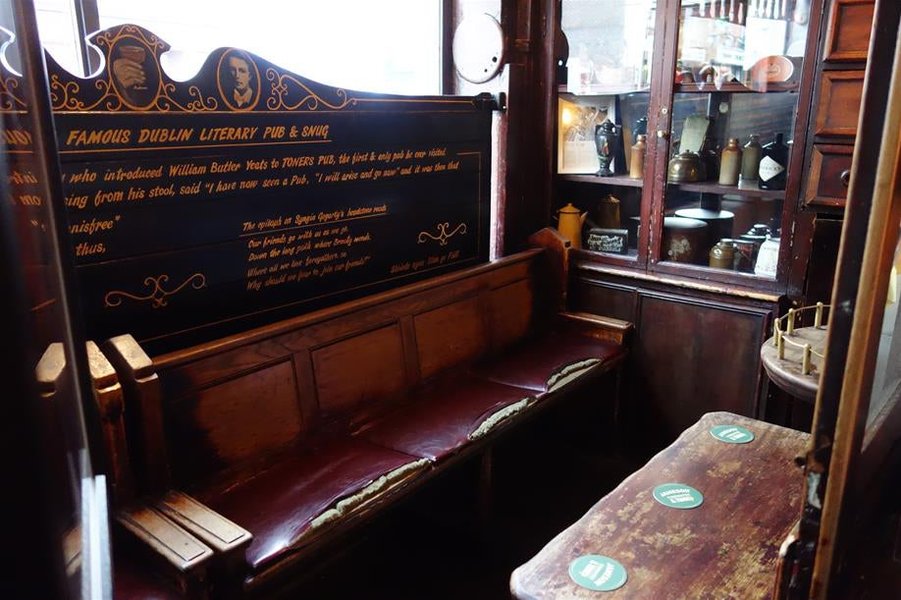
A typical Snug, offering a private and cozy atmosphere within the pub.
Visualizing the Pub Experience
Comparing Ambiance and Features
This chart offers a comparative overview of the typical characteristics associated with each pub area based on historical descriptions. Scores are relative, reflecting the general distinctions between the spaces (higher score indicates more of that characteristic).
Mapping the Pub Layout
Understanding the Relationships Between Spaces
This mindmap illustrates the key attributes and relationships between the Public Bar, Saloon Bar, and Snug within the context of a traditional English pub.
(Bare floors, hard benches)"] id1c["Lively & Noisy Atmosphere"] id1d["Lower Prices"] id1e["Communal & Utilitarian"] id2["Saloon Bar / Lounge"] id2a["Middle Class"] id2b["Comfortable Furnishings
(Carpets, cushioned seats)"] id2c["Refined & Subdued Atmosphere"] id2d["Slightly Higher Prices"] id2e["Leisurely & Conversational"] id3["Snug"] id3a["Privacy Seekers / Women (Historically)"] id3b["Small & Enclosed Room"] id3c["Cozy & Intimate Atmosphere"] id3d["Similar/Higher Prices than Saloon"] id3e["Discreet & Secluded"]
Historical Divisions Explained
Social Stratification Behind Pub Doors
The following video delves into the historical reasons behind the separate Saloon and Public bars, highlighting how pub architecture reflected the social divisions of the past. It provides context on why these distinct spaces were created and who they served.
As the video explains, the separation wasn't just about comfort; it was deeply ingrained in the class structure of Britain. The Public Bar was the affordable, no-nonsense option for laborers, while the Saloon offered a more 'respectable' environment for clerks, shopkeepers, and the emerging middle class who might wish to distance themselves from the perceived roughness of the public area. The different entrances often seen in older pubs are a physical manifestation of this social segregation.
Summary of Differences
Key Characteristics Compared
This table provides a quick reference guide summarizing the core differences between the three traditional pub areas.
| Feature | Public Bar | Saloon Bar | Snug |
|---|---|---|---|
| Primary Purpose | Basic drinking space for working class | More comfortable space for middle class | Private, discreet space |
| Typical Clientele | Working-class men | Middle class, couples, mixed groups | Women (historically), privacy seekers, small groups |
| Furnishings & Decor | Minimal, basic, hard seating, bare floors (sometimes sawdust) | More comfortable, carpets, cushioned seating, more decor | Cozy, enclosed, comfortable seating |
| Atmosphere | Lively, noisy, utilitarian, communal | Quieter, refined, subdued, conversational | Intimate, private, quiet, secluded |
| Pricing (Relative) | Cheapest | Slightly higher than Public Bar | Similar to or slightly higher than Saloon Bar |
The Modern Pub Landscape
Evolution and Legacy
Over time, particularly from the mid-20th century onwards, the strict social divisions that underpinned the separate bar areas began to erode. Changing social attitudes, licensing law reforms, and economic pressures led many pubs to knock down internal walls, merging the different spaces into one larger, open-plan bar area.
Today, while many pubs retain names like "Saloon Bar" or "Lounge" for certain areas, the functional and social distinctions are largely gone. Pricing is usually uniform throughout the establishment, and patrons are free to sit wherever they please. However, some historic pubs proudly maintain their original layouts, including preserved Snugs, offering a tangible link to the past.
Even in modernized pubs, the legacy of these spaces can sometimes be felt in the layout or ambiance of different sections. Understanding the history of the Public Bar, Saloon Bar, and Snug provides a richer appreciation for the evolution of the English pub as a social institution.
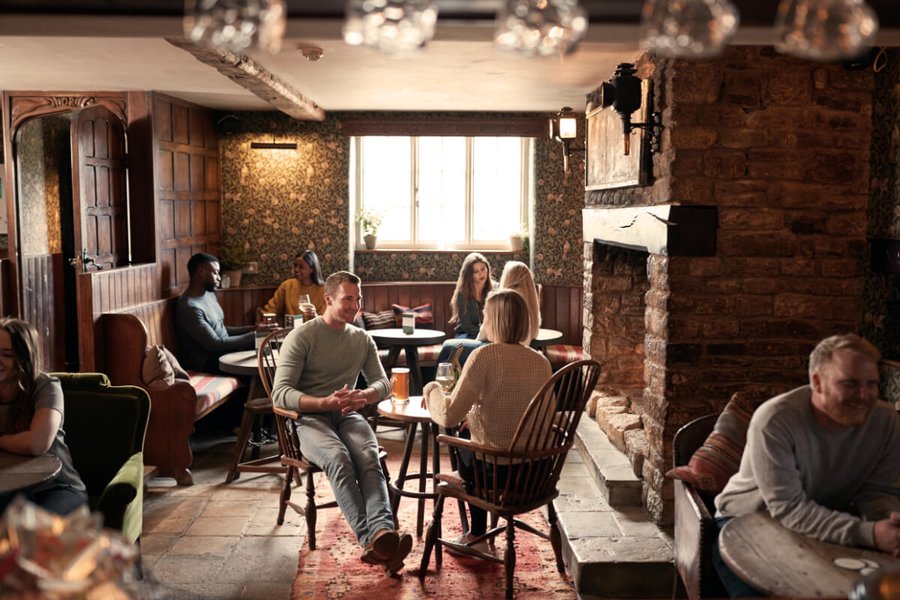
Modern pub interiors often blend traditional elements with open-plan layouts.
Frequently Asked Questions
Clarifying Common Queries
References
Sources Consulted
- Pub - Wikipedia
- In a British pub, what are the Public Bar, Saloon Bar, etc? - Straight Dope Message Board
- Shades, dives and other varieties of British bar - Zythophile
- The Snug - Rare Irish Stuff
- What is the difference between a public bar and a saloon bar? - Profound Tips
- History of Snugs in London - Irish Pub Company
Recommended Reading
Explore Further Insights
 barclayperkins.blogspot.com
Last updated April 15, 2025