
English Translation Assistance
Welcome! How Can I Assist You Today?
If you have any text in Chinese that you'd like translated into English, you're in the right place. Please provide the specific text you need translated, and I'll ensure you receive an accurate and clear translation.
How to Provide Your Text
To get started, simply paste the Chinese text you wish to translate into the input field. Ensure that the text is complete and accurately reflects the content you need translated. Providing full sentences or paragraphs rather than isolated words will yield more accurate and contextually appropriate translations.
Example Translation
For instance, if you provide the following Chinese sentence:
我想去北京看看。
I can translate it into English as:
"I want to go to Beijing to see it."
This ensures that the translation maintains the original meaning and context of your message.
Translation Tools and Resources
While I am here to assist you with translations, there are also several reliable translation tools you might find useful for more extensive needs:
- DeepL Translator: Known for its high accuracy and ability to handle complex sentences.
- Reverso Context: Offers translations within the context of full sentences, which can help in understanding nuanced meanings.
- Google Translate: A widely used tool that supports a vast array of languages and dialects.
These tools can be used in conjunction with my assistance to ensure you receive the most accurate and contextually appropriate translations.
Tips for Effective Translation
To achieve the best translation results, consider the following tips:
- Provide Clear Context: Including the context in which the text is used can greatly enhance the accuracy of the translation. For example, knowing whether the text is formal, informal, technical, or conversational helps tailor the translation accordingly.
- Avoid Ambiguities: Ensure that the original text is clear and unambiguous. Ambiguous sentences can lead to multiple interpretations, making the translation less precise.
- Specify Dialects or Regional Variations: Chinese has various dialects and regional expressions. Indicating if the text uses a specific dialect can help in providing a more accurate translation.
- Review and Revise: After receiving the translation, review it to ensure it meets your needs. If there are any parts that seem unclear or require further refinement, feel free to ask for adjustments.
Understanding Translation Challenges
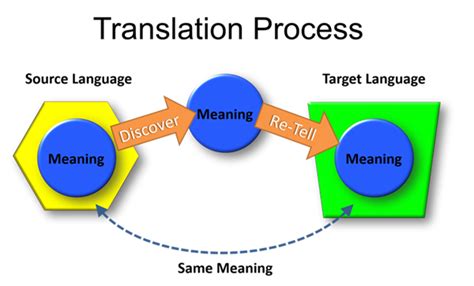
Translation is not merely a word-for-word conversion from one language to another. It involves conveying meaning, tone, and context accurately. Here are some common challenges faced during translation:
- Idiomatic Expressions: Phrases that don't translate literally can be particularly challenging. For example, the Chinese idiom "画蛇添足" (huà shé tiān zú) literally means "drawing a snake and adding feet," which translates to "ruining something by overdoing it."
- Cultural Nuances: Certain concepts or cultural references might not have direct equivalents in English. Understanding the cultural background is essential to provide an accurate translation.
- Technical Terminology: Specialized fields such as medicine, engineering, or law have specific terminologies that require precise translations to maintain accuracy.
- Tone and Formality: Maintaining the original tone, whether it's formal, informal, conversational, or technical, is crucial to ensure the translation conveys the intended message appropriately.
Benefits of Accurate Translation
Accurate translations facilitate clear communication and understanding across different languages and cultures. Here are some key benefits:
- Enhanced Communication: Bridging language gaps ensures that your message is understood as intended, whether it's for personal, educational, or professional purposes.
- Global Reach: Accurate translations enable you to reach a wider audience, expanding your personal or business interactions beyond language barriers.
- Preservation of Meaning: Maintaining the original meaning and nuances of the text is essential, especially in important documents, literature, and legal texts.
- Professionalism: High-quality translations reflect professionalism and attention to detail, which is crucial in business and academic contexts.
When to Seek Professional Translation Services
While automated translation tools and assistance can handle many translation needs, there are specific instances where professional translation services are recommended:
-
Legal Documents: Contracts, legal agreements, and other official documents require precise translations to ensure compliance and understanding.
-
Medical Translations: Medical records, instructions, and informational materials must be translated accurately to avoid misunderstandings that could impact health outcomes.
-
Technical Manuals: Manuals and guides for machinery, software, or specialized equipment need clear and precise translations to ensure proper usage and safety.
-
Literary Works: Translating literature, poetry, and culturally rich texts requires a deep understanding of both languages and the ability to convey stylistic nuances.
-
Business Communications: Marketing materials, business proposals, and customer communications benefit from professional translations to maintain brand integrity and clarity.
In such cases, seeking the expertise of a professional translator ensures that the translations are not only accurate but also culturally and contextually appropriate.
Additional Support and Resources
Beyond translation, having access to resources that support language learning and comprehension can be beneficial. Here are some resources you might find helpful:
Ensuring Confidentiality and Privacy
Your privacy and the confidentiality of your content are paramount. When providing text for translation, especially if it contains sensitive or personal information, rest assured that your data is handled with the utmost care and discretion. It's always a good practice to avoid sharing highly sensitive information unless necessary and to use secure methods for communication when required.
Frequently Asked Questions
1. Can you translate images or handwritten text?
Currently, I can only translate text that you provide in a written format. If you have images or handwritten notes, you'll need to transcribe the text before providing it for translation.
2. How accurate are the translations?
While I strive to provide highly accurate translations, especially for standard text, certain nuances, idiomatic expressions, or context-specific language might require further refinement. For critical translations, especially in professional or official contexts, consulting a professional translator is recommended.
3. How do you handle complex or technical language?
I utilize a range of resources and translation tools to handle complex or technical language. Providing context and specific terminology helps in delivering precise translations. If you encounter any unclear translations, feel free to ask for clarification or further assistance.
4. Can you translate large documents?
Yes, I can assist with translating larger sections of text. However, for extremely long documents or those requiring specialized knowledge, it's advisable to seek professional translation services to ensure consistency and accuracy throughout the entire document.
5. What should I do if the translation doesn't seem accurate?
If you find that the translation doesn't accurately reflect the original meaning or context, please let me know. Providing additional context or clarifying specific parts can help in refining the translation to better meet your needs.
Contact and Further Support
I'm here to assist you with your translation needs. If you have any further questions, require more examples, or need assistance with other language-related queries, don't hesitate to reach out. Your understanding and effective communication are my top priorities.
Conclusion
Accurate translation is essential for effective communication across languages and cultures. By providing clear and context-rich text, you enable a more precise and meaningful translation. Whether you're translating for personal, educational, or professional purposes, I'm here to ensure your message is conveyed accurately and effectively in English.
Last updated January 3, 2025