
Unlock Poland: Can You Navigate Solely with English?
Discover the reality of using English in Poland, from bustling cities to charming towns.
Highlights: Navigating Poland in English
- Urban Advantage: In major cities like Warsaw, Krakow, and Gdansk, English is widely spoken, especially among younger people and in tourist/business sectors, making navigation relatively easy.
- Generational Gap: Younger Poles (typically under 35) generally have strong English skills due to education, while older generations and those in rural areas may have limited proficiency.
- Beyond Basics: While English suffices for tourism and daily interactions in cities, learning basic Polish phrases (like "Dzień Dobry" and "Dziękuję") is appreciated and can enhance your experience, particularly outside major hubs.
Understanding English Proficiency Across Poland
Poland stands out in Europe for its relatively high level of English proficiency, making it quite accessible for English-speaking visitors. Polish is the official language, spoken by about 98% of the population, but English has firmly established itself as the most common second language.
National Proficiency Snapshot
According to recent studies and indices like the EF English Proficiency Index (where Poland ranked 13th globally among non-native speaking countries in 2023), a significant portion of the Polish population possesses English skills. Some estimates suggest around 62% of Poles can speak English to some degree. Many achieve an upper-intermediate level (B2), enabling them to handle complex conversations and understand nuanced language. This proficiency facilitates travel, business, and daily life for those relying on English.
Key Factors Influencing English Use
Age and Education
There's a noticeable difference in English skills based on age. Poles under 35, having grown up with English as a mandatory subject in schools since the post-communist era and increased exposure through global media and the internet, are far more likely to be fluent or conversational. Conversely, older generations (often 50+) may have learned Russian or German instead and generally possess lower English proficiency.
Urbanization and Globalization
Major cities like Warsaw, Krakow, Wroclaw, and Gdansk are hubs for international business, tourism, and education. Consequently, English is much more prevalent in these urban centers. Poland's membership in the European Union and its active role in the global market further drive the importance and usage of English, particularly in sectors like IT, finance, research, and development.
Where Can You Comfortably Use English?
While overall proficiency is good, the ease of using English varies depending on your location and situation.
Major Cities and Tourist Hotspots
If your travels focus on Poland's main cities, you'll find English widely understood and spoken. These areas are accustomed to international visitors and have a high concentration of English speakers.
Tourism Sector
In hotels, popular restaurants, cafes, museums, airports, major train stations, and tourist attractions, staff frequently speak English. Guided tours are often available in English. You can confidently handle bookings, ordering food, buying tickets, and asking for information using English.
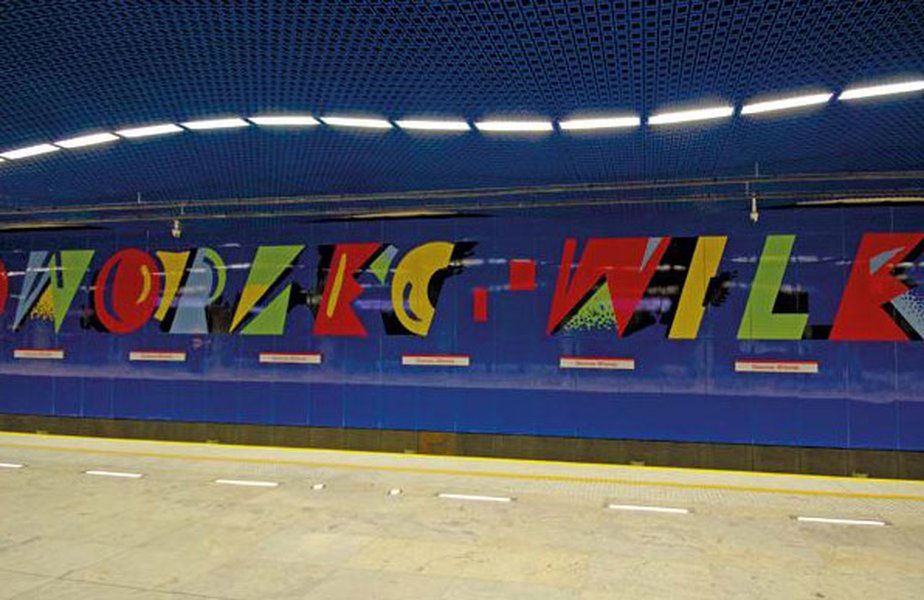
Signage in Warsaw's metro often includes English, aiding navigation.
Business and Professional Settings
In corporate environments, especially within multinational companies, IT firms, financial institutions, and research centers concentrated in cities like Warsaw and Krakow, English is often the primary language of communication. Attending conferences or conducting business meetings in English is standard practice.
Potential Communication Hurdles and How to Overcome Them
Despite the generally high proficiency, there are situations where relying solely on English might be challenging.
Rural Areas and Smaller Towns
Outside the main urban centers and popular tourist trails, English proficiency drops noticeably. In smaller towns and villages, you are less likely to encounter English speakers, especially among older residents or in local shops and services not geared towards tourists.
Interacting with Older Generations
As mentioned, older Poles typically have less command of English compared to younger generations. Communication might require patience, gestures, or the use of translation tools.
Specific Situations
Dealing with administrative tasks (e.g., in government offices), accessing certain healthcare services (though doctors, especially younger ones, often speak English), or navigating local markets might require some basic Polish or assistance. While major transport hubs are English-friendly, local bus routes in remote areas might have information only in Polish.
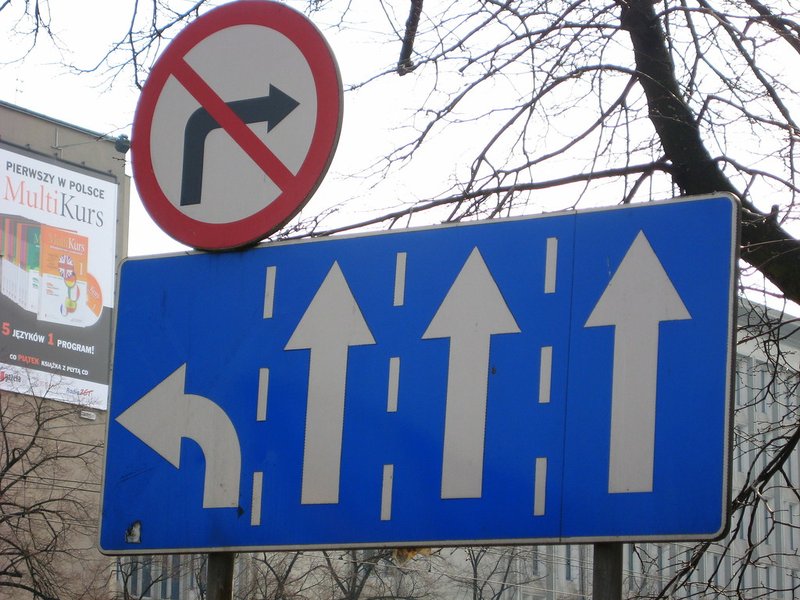
Road signs primarily use Polish, though place names are recognizable.
Practical Tips for English-Only Visitors
Learn a Few Basic Polish Phrases
Knowing simple greetings and courtesies can go a long way. Poles generally appreciate the effort, and it can smooth interactions. See the table below for some useful phrases.
Utilize Technology
Smartphone translation apps (like Google Translate) are invaluable tools for bridging communication gaps. Download offline language packs in case of limited internet access.
Be Patient and Polite
Some Poles might understand English but feel shy about speaking it. Approach interactions with patience and politeness. Gestures can also be helpful.
Manage Expectations
While English is widely spoken in tourist areas, don't assume everyone speaks it. Be prepared for occasional communication challenges, especially off the beaten path.
Carry Some Local Currency
Poland uses the Polish Złoty (PLN), not the Euro. While card payments are common, having some cash is useful for smaller shops, markets, or rural areas.
Visualizing English Communication Ease in Poland
This chart provides a comparative overview of how easy it is to communicate using only English across different contexts in Poland. The scores (ranging from 3 to 10, where 10 is easiest) are based on general trends and observations discussed earlier. Higher scores indicate greater ease of communication in English.
As the chart illustrates, communication in English is significantly easier in major cities, tourist zones, business environments, and particularly when interacting with younger Poles. Challenges increase notably in rural settings, smaller towns, when dealing with older individuals, and in some official administrative contexts.
Mapping the Polish Language Landscape
This mind map provides a conceptual overview of the factors surrounding language use in Poland, highlighting the prominent role of English alongside the official Polish language.
The mind map shows that while Polish is the native tongue, English holds a significant position, influenced heavily by demographics, location, and the context of interaction. Understanding these nuances helps English-speaking visitors navigate the country effectively.
Real Voices: English on the Streets of Poland
Hearing directly from locals and visitors provides valuable insight into the practicalities of using English in Poland. This video features interactions on the streets of Warsaw, showcasing real-life communication scenarios.
A look at English usage through conversations with people in Warsaw.
As demonstrated in the video, many people, particularly younger individuals in the capital city, are comfortable conversing in English. While accents vary, the ability to communicate effectively for everyday interactions, asking for directions, or general conversation is quite common in urban environments.
Helpful Polish Phrases for Your Trip
While you can often manage with English, knowing a few basic Polish words and phrases shows respect and can be very helpful, especially outside major tourist zones.
| English Phrase | Polish Phrase | Pronunciation (Approximate) |
|---|---|---|
| Hello (formal) / Good morning/afternoon | Dzień dobry | Jen doh-bri |
| Hello (informal) | Cześć | Cheshch |
| Goodbye (formal) | Do widzenia | Doh vee-dze-nya |
| Goodbye (informal) | Cześć / Pa | Cheshch / Pah |
| Please | Proszę | Proh-sheh |
| Thank you | Dziękuję | Jen-koo-yeh |
| Excuse me / Sorry | Przepraszam | Psheh-pra-sham |
| Yes | Tak | Tahk |
| No | Nie | Nyeh |
| Do you speak English? | Czy mówisz po angielsku? | Chi moo-veesh po an-gyel-skoo? |
| I don't understand | Nie rozumiem | Nyeh roh-zoo-myem |
Frequently Asked Questions
Is English commonly found on signs and public transport?
In major cities and tourist areas, yes. You'll often find English translations on signs at airports, main train stations, metro systems (like in Warsaw), museums, and major attractions. Public transport ticket machines usually have an English language option. However, general road signs, bus stop information in smaller towns, or signs in local shops might only be in Polish.
Can I live or work in Poland using only English?
Yes, particularly in larger cities like Warsaw, Krakow, or Wroclaw, and especially if working for an international company or in sectors like IT or finance where English is common. Many expats manage daily life (shopping, socializing) using only English. However, dealing with bureaucracy, healthcare providers outside private clinics, or deeper community integration can be challenging without some Polish language skills.
Is it considered rude if I don't speak Polish?
No, it's generally not considered rude. Poles, especially in tourist areas, are accustomed to visitors who don't speak Polish. However, making an effort to learn even basic greetings like "Dzień dobry" (Hello) and "Dziękuję" (Thank you) is always appreciated and seen as a sign of respect for the local culture.
What should I do if someone doesn't understand my English?
Stay calm and polite. Try speaking slower and using simpler words. Gestures can often help convey meaning. Using a translation app on your phone is a very effective backup. If possible, look for a younger person nearby, as they are more likely to speak English and might be willing to help translate.
Recommended Further Exploration
- What types of jobs are available for English speakers in Poland's major cities?
- Which translation apps work best for Polish, especially offline?
- What are some important cultural etiquette tips for visitors to Poland?
- How does English proficiency in Poland compare to neighboring European countries?
References
Last updated May 5, 2025