
Enhancing Production Efficiency: Comprehensive Strategies for Optimal Results
Unlocking the full potential of your production processes through proven methods
Key Takeaways
- Process Optimization: Streamlining workflows and eliminating bottlenecks enhances overall efficiency.
- Technology Integration: Leveraging automation, IoT, and AI significantly boosts production capabilities.
- Workforce Development: Investing in employee training and fostering a culture of continuous improvement drives productivity.
1. Process Optimization
1.1. Workflow Streamlining
Analyzing the entire production workflow is essential to identify and eliminate inefficiencies. Techniques such as value stream mapping help visualize each step of the manufacturing process, allowing for the detection of bottlenecks and redundant activities. Streamlining workflows involves reorganizing tasks to reduce travel time and material handling, thereby enhancing the overall flow of production.
1.2. Lean Manufacturing Implementation
Adopting lean manufacturing principles focuses on minimizing waste and maximizing value. Practices like Just-In-Time (JIT) inventory management ensure that materials are available only when needed, reducing excess inventory and associated costs. Additionally, the 5S methodology—Sort, Set in order, Shine, Standardize, and Sustain—promotes an organized and efficient workspace, further contributing to process optimization.
1.3. Bottleneck Analysis
Identifying and addressing bottlenecks is crucial for maintaining a smooth production flow. Bottleneck analysis involves pinpointing stages in the production process where delays occur and reallocating resources or adjusting workflows to alleviate these constraints. This proactive approach ensures that potential disruptions are managed effectively, maintaining consistent production rates.
2. Technology and Automation
2.1. Automation and Robotics
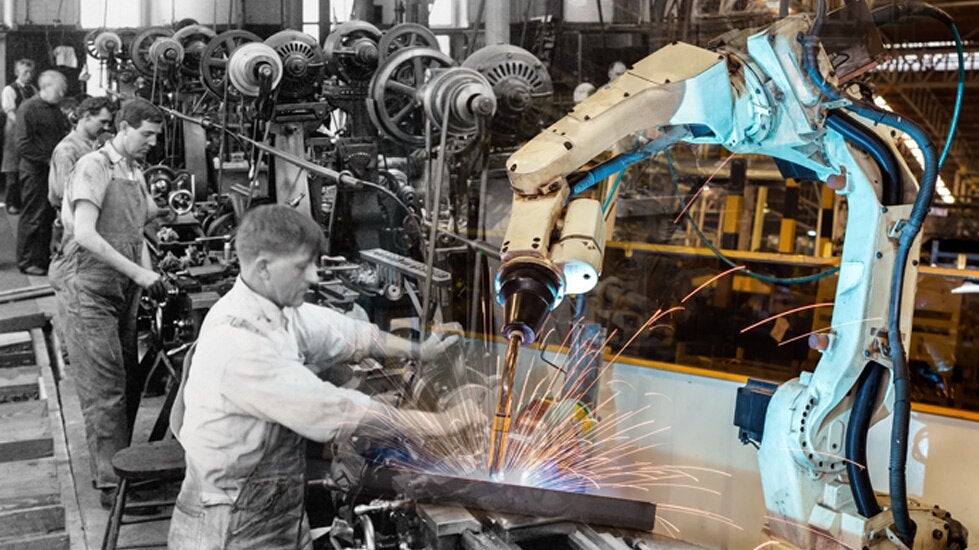
Implementing automated machinery and robotics can significantly increase production speed and accuracy. Automation reduces the reliance on manual labor for repetitive tasks, minimizing human error and allowing for continuous operation without fatigue. Robotics can be programmed to perform complex assembly tasks with precision, enhancing product quality and consistency.
2.2. Internet of Things (IoT) and Real-Time Monitoring
Integrating IoT devices into the production environment enables real-time monitoring of equipment and processes. Sensors can track machine performance, energy consumption, and environmental conditions, providing valuable data that can be used to optimize operations. Real-time monitoring facilitates quick identification of issues, allowing for prompt corrective actions and minimizing downtime.
2.3. Artificial Intelligence and Data Analytics
Leveraging AI and data analytics can transform production planning and decision-making. Predictive analytics can forecast demand, enabling more accurate production scheduling and inventory management. AI-driven systems can optimize production lines by analyzing vast amounts of data to identify patterns and suggest improvements, leading to increased efficiency and reduced waste.
2.4. Computerized Maintenance Management Systems (CMMS)
Implementing a CMMS allows for the systematic management of maintenance activities. CMMS can schedule preventive maintenance, track equipment performance, and manage maintenance records, ensuring that machinery operates at peak efficiency. By minimizing unexpected breakdowns and extending the lifespan of equipment, CMMS contribute to sustained production efficiency.
3. Workforce Development
3.1. Employee Training and Skills Development
Investing in comprehensive training programs equips employees with the necessary skills to operate advanced machinery and understand complex production processes. Regular training ensures that the workforce remains knowledgeable about the latest technologies and best practices, leading to more effective and efficient production. Additionally, offering continuous learning opportunities fosters a culture of growth and adaptability.
3.2. Cross-Training and Versatility
Encouraging cross-training allows employees to perform multiple roles within the production process. This flexibility enhances workforce adaptability, enabling seamless coverage during peak times or staff shortages. Cross-trained employees can contribute to various stages of production, ensuring consistent productivity and reducing dependency on specific individuals.
3.3. Employee Engagement and Continuous Improvement Culture
Fostering a culture of continuous improvement motivates employees to actively seek out and suggest efficiency enhancements. Recognizing and rewarding employee contributions to process improvements can boost morale and encourage proactive participation in optimizing production. Engaged employees are more likely to take ownership of their roles and strive for excellence.
4. Lean Manufacturing Principles
4.1. Just-In-Time (JIT) Production
JIT production aligns manufacturing schedules with actual demand, reducing excess inventory and minimizing storage costs. By producing only what is needed when it is needed, organizations can respond more swiftly to market changes and customer requirements. This approach helps in maintaining lean operations and enhancing cash flow management.
4.2. 5S Methodology
The 5S methodology—Sort, Set in order, Shine, Standardize, and Sustain—provides a systematic approach to organizing the workplace. Implementing 5S leads to a cleaner, more efficient workspace, reducing the time spent searching for tools and materials. It also promotes safety and quality by maintaining orderly and standardized processes.
4.3. Value Stream Mapping
Value stream mapping involves creating a visual representation of the production process, highlighting value-added and non-value-added activities. This tool helps in identifying areas where waste can be eliminated and processes can be streamlined. By focusing on value streams, organizations can enhance efficiency and deliver higher-quality products to customers.
5. Maintenance Strategies
5.1. Preventive Maintenance
Preventive maintenance involves regular inspections and servicing of equipment to prevent unexpected failures. Scheduled maintenance activities help in identifying and addressing potential issues before they escalate, ensuring that machinery remains in optimal working condition. This proactive approach reduces downtime and extends the lifespan of equipment.
5.2. Predictive Maintenance
Predictive maintenance utilizes data analytics and real-time monitoring to predict when equipment maintenance is required. By analyzing trends and indicators such as vibration levels, temperature, and wear patterns, organizations can perform maintenance just in time to prevent failures. This strategy minimizes unnecessary maintenance activities and maximizes equipment uptime.
5.3. Computerized Maintenance Management Systems (CMMS)
A CMMS provides a centralized platform for managing all maintenance activities. It allows for the scheduling of preventive and predictive maintenance, tracking of equipment performance, and management of maintenance records. Implementing a CMMS ensures that maintenance tasks are performed consistently and efficiently, contributing to overall production reliability.
| Maintenance Strategy | Description | Advantages | Disadvantages |
|---|---|---|---|
| Preventive Maintenance | Scheduled maintenance activities based on time or usage intervals. | Reduces unexpected downtime, extends equipment lifespan. | May perform unnecessary maintenance, higher upfront costs. |
| Predictive Maintenance | Uses data and analytics to predict when maintenance is needed. | Minimizes maintenance costs, maximizes equipment uptime. | Requires investment in monitoring technologies, data analysis expertise. |
| Corrective Maintenance | Repairs equipment after a failure has occurred. | Lower initial maintenance costs. | Higher risk of unexpected downtime, potential for extensive damage. |
6. Quality Management
6.1. Total Quality Management (TQM)
TQM is an organizational approach focused on continuous improvement of processes, products, and services. By involving all employees in quality initiatives and emphasizing customer satisfaction, TQM helps in identifying and eliminating defects and inefficiencies. This holistic approach ensures that quality is maintained at every stage of production.
6.2. Six Sigma
Six Sigma is a data-driven methodology aimed at reducing process variation and improving quality. By applying statistical analysis and quality control techniques, organizations can identify and eliminate defects in their processes. Six Sigma projects typically follow the DMAIC framework: Define, Measure, Analyze, Improve, and Control.
6.3. Continuous Process Improvement
Continuous process improvement involves regularly evaluating and refining production methods to enhance efficiency and quality. This approach encourages the ongoing identification of opportunities for improvement, fostering a proactive culture that seeks to optimize every aspect of the production process.
7. Supply Chain Integration
7.1. Supplier Relationship Management
Building strong relationships with suppliers ensures timely delivery of raw materials and fosters better communication. Effective supplier relationship management involves collaborating closely with suppliers to align on quality standards, delivery schedules, and inventory management. This collaboration helps in reducing lead times and minimizing disruptions in the supply chain.
7.2. Inventory Management
Efficient inventory management balances the need to meet production demands with the goal of minimizing excess stock. Techniques such as demand forecasting and safety stock calculations help in planning inventory levels accurately. By avoiding overstocking and understocking, organizations can reduce storage costs and prevent production delays.
7.3. Logistics Optimization
Optimizing logistics involves improving transportation routes and leveraging technology for real-time tracking of shipments. Efficient logistics management ensures that materials and finished products are moved swiftly and reliably, reducing lead times and enhancing overall supply chain performance. Coordination with logistics partners is essential for minimizing delays and ensuring timely deliveries.
8. Performance Measurement
8.1. Key Performance Indicators (KPIs)
Setting and monitoring KPIs provides measurable targets for production efficiency. Common KPIs include Overall Equipment Effectiveness (OEE), cycle times, defect rates, and capacity utilization. These metrics offer insights into various aspects of production performance, enabling organizations to track progress and identify areas for improvement.
8.2. Dashboards and Real-Time Data
Utilizing dashboards to display real-time data allows managers to monitor production performance continuously. Dashboards aggregate data from various sources, providing a comprehensive view of key metrics. This real-time visibility facilitates prompt decision-making and allows for adjustments to be made swiftly in response to changing conditions.
8.3. Data-Driven Decision Making
Making informed decisions based on data analysis enhances production efficiency. By leveraging data from production systems, organizations can identify trends, forecast demand, and optimize production schedules. Data-driven decision making ensures that strategies are based on factual evidence rather than intuition, leading to more effective optimization efforts.
Conclusion
Enhancing production efficiency is a multifaceted endeavor that requires a strategic approach encompassing process optimization, technology integration, workforce development, and robust quality management. By implementing lean manufacturing principles, leveraging advanced technologies such as automation and AI, and fostering a culture of continuous improvement, organizations can significantly boost their production capabilities. Effective maintenance strategies, supply chain integration, and performance measurement further contribute to sustained efficiency and competitiveness in the market. Ultimately, a well-rounded strategy that addresses both operational processes and human factors is essential for achieving optimal production efficiency.
References
Last updated February 11, 2025