
Enhancing Student Engagement Through Problem-Based Learning
Developing a Robust Checklist Instrument for Data Collection
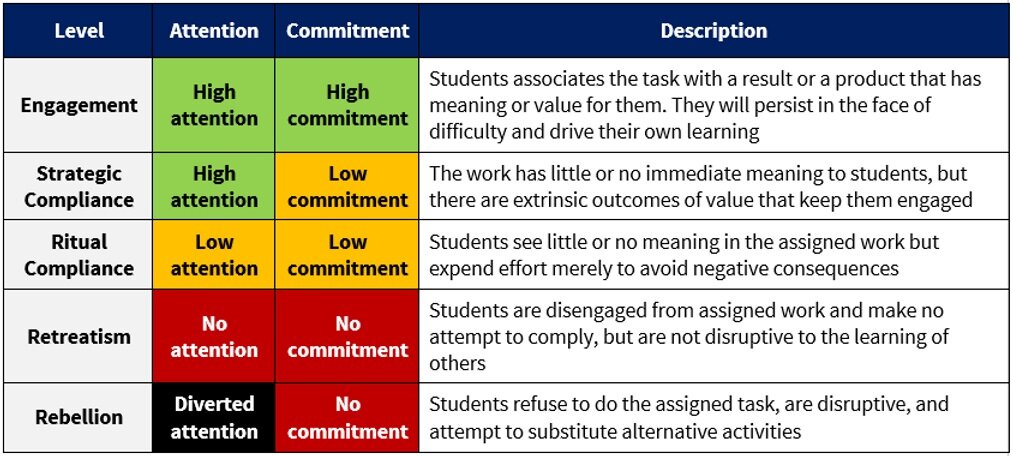
Key Highlights
- Structured Checklist: A detailed observation checklist is used to capture specific engagement behaviors during problem-based learning activities.
- Instrument Development: The instrument was systematically developed through literature review, item generation, pilot testing, and iterative refinement.
- Data Collection Rigor: Using multiple data collection methods such as Likert-type scales integrated within checklists ensures reliable and valid assessments of student engagement.
Introduction
In the context of a research project for course code 8613 at Allama Iqbal Open University, focused on enhancing student engagement through problem-based learning (PBL) among grade 10 students, it is particularly important to select an instrument that authentically captures student behaviors in real-time. Given that using a questionnaire is not an option, this study utilizes a well-crafted observational checklist, supplemented with a Likert-type rating scale component. This combination is a robust tool for collecting qualitative and quantitative data on student engagement.
Observational checklists serve as objective means to record concrete behaviors during PBL sessions. They allow researchers to systematically document the degree of engagement by noting observable categories such as active participation in discussions, collaboration, inquiry-based problem solving, and the overall enthusiasm of students. The integration of a rating scale with a checklist further refines the assessment by providing an evaluative dimension—helping to quantify qualitative observations.
Instrument Overview
The selected instrument for data collection is an observation checklist designed specifically to evaluate student engagement during problem-based learning activities. In addition, a Likert-type rating scale is embedded within this checklist to offer a more nuanced response scale for raters. This integrated approach allows the checklist to capture both the presence of specific behaviors in a binary manner (i.e., observed or not observed) and the intensity or quality of those behaviors.
Selection Rationale
The primary reason for choosing this instrument lies in its ability to provide a real-time, objective, and detailed account of student engagements in a dynamic learning environment. Traditional questionnaires may fail to capture the subtle, everyday interactions and behaviors that indicate engagement during PBL sessions. In contrast, an observational checklist offers the following benefits:
1. Real-Time Data Collection
By using the checklist during the actual learning session, data is gathered as events unfold. This immediacy ensures that evaluations are accurate and less biased by retrospective recall.
2. Objectivity
Observations can be recorded in a systematic manner by trained evaluators, reducing subjectivity and increasing inter-rater reliability.
3. Comprehensive Assessment
The dual structure of the instrument, combining checklist items with a rating scale, captures both whether key behaviors are present and the degree to which they are exhibited. This approach provides depth and precision in evaluating student engagement.
Development of the Instrument
Developed through a rigorous process involving both qualitative insights and quantitative scalability, the instrument was designed to meet the specific needs of assessing student engagement in a PBL setting for grade 10 learners. The development process involved several stages:
Stage 1: Defining the Objectives
Initially, clear objectives were established. The primary goal of the instrument was to assess dimensions of student engagement that are crucial in a problem-based learning environment. These dimensions include:
- Task Engagement: Evaluating how actively and attentively students participate in tasks.
- Collaborative Behavior: Observing interactions among peers and for shared learning experiences.
- Cognitive Engagement: Assessing problem-solving skills, inquiry, and critical thinking during project activities.
- Affective Engagement: Capturing the emotional and motivational aspects demonstrated through behavior.
These dimensions guided the selection of checklist items and the construction of the rating scale components.
Stage 2: Item Generation
Next, a comprehensive literature review on student engagement and PBL was conducted. Academic journal articles, existing observation checklists, and evaluation rubrics provided a blueprint for generating relevant items. Each checklist item was designed to reflect a specific observable behavior related to engagement. For example:
- Active Participation: Indicators such as contributing to class discussions and asking critical questions during the session.
- Collaboration: Evidence of peer interaction, shared responsibilities, and group discussion contributions.
- Problem-Solving: Observation of students formulating solutions, critically analyzing problems, and engaging with complex tasks.
- Reflective Engagement: Moments where students express thoughtful reflections on their learning process and outcomes.
Items were formulated to ensure clarity and simplicity. Each item was tested for its ability to be observed directly without needing further explanation.
Stage 3: Pilot Testing
Before the main data collection, the instrument underwent a pilot testing phase. A small group of grade 10 students participated in a trial session of a problem-based learning activity while trained observers used the checklist. Pilot testing served multiple purposes:
- Checking for clarity and ease in understanding each checklist item.
- Determining the inter-rater reliability – ensuring that different observers would produce consistent results using the same checklist.
- Identifying any dimensions or behaviors that might need additional refinement or inclusion.
Feedback from the pilot test led to minor modifications in language and observation criteria to ensure that items were not ambiguous and reflected observable behaviors.
Stage 4: Refinement and Finalization
After gathering feedback, each checklist item was refined. Specific adjustments included:
- Reducing any overlap between items for behavioral clarity.
- Ensuring that each item was measurable with a simple “Yes/No” observation, complemented by a rating scale to assess the strength of the behavior.
- Setting clear guidelines for each rating level on the Likert-type scale to reliably capture the intensity of engagement.
Once these refinements were completed, the instrument was finalized for the main study. The final version not only allowed observers to mark whether a behavior was present but also enabled them to rate its intensity using a Likert-type scale (commonly ranging from 1 for low engagement to 5 for high engagement).
Sample Checklist Instrument
Below is an example of a detailed Student Engagement Checklist tailored for use in a grade 10 problem-based learning environment. This checklist is divided into categories that represent key areas of engagement.
Checklist Categories and Items
1. Task Engagement
This section assesses the degree of active participation and persistence in tasks.
| Item No. | Checklist Item | Yes/No | Intensity Rating (1-5) |
|---|---|---|---|
| 1 | Actively participates in group discussions | ||
| 2 | Completes assigned tasks within the allocated time | ||
| 3 | Demonstrates persistence when facing challenges |
2. Collaborative Engagement
This segment evaluates the quality of interactions among students and the level of support provided to peers.
| Item No. | Checklist Item | Yes/No | Intensity Rating (1-5) |
|---|---|---|---|
| 4 | Engages effectively with peers during group tasks | ||
| 5 | Shares ideas and resources with classmates | ||
| 6 | Provides constructive feedback during group discussions |
3. Cognitive Engagement
This category focuses on the intellectual involvement of the students in problem-solving processes.
| Item No. | Checklist Item | Yes/No | Intensity Rating (1-5) |
|---|---|---|---|
| 7 | Demonstrates critical thinking and inquiry during tasks | ||
| 8 | Effectively utilizes available resources to solve problems | ||
| 9 | Exhibits innovative approaches to problem-solving |
4. Affective Engagement
This final section gauges students' emotional and motivational commitment to the learning process.
| Item No. | Checklist Item | Yes/No | Intensity Rating (1-5) |
|---|---|---|---|
| 10 | Shows enthusiasm and interest in the subject matter | ||
| 11 | Exhibits a positive attitude during group activities | ||
| 12 | Expresses reflective opinions on the learning process |
Each checklist item is complemented by a binary (Yes/No) response to confirm the observation of a particular behavior and a Likert-type rating scale (ranging from 1 to 5) to determine the intensity or quality of that behavior.
Implementation & Training
To ensure the reliability and validity of the checklist instrument, a detailed training session was conducted for data collectors. The training included:
- Familiarization: Walkthroughs of each checklist item, clarifying definitions and expected behaviors.
- Practice Sessions: Simulated classroom environments where observers practiced recording data using the checklist.
- Inter-Rater Reliability Checks: Sessions where multiple observers independently recorded observations during the same activity, followed by discussions to resolve discrepancies.
- Calibration: Regular calibration meetings to ensure consistency in scoring and to address any emerging ambiguities in the instrument.
These steps were integral in ensuring that the instrument was not only comprehensive but also capable of producing consistent, replicable data across different observers and PBL sessions.
Data Analysis & Reporting
Once data is collected using the checklist, it undergoes systematic analysis. The binary responses help quantify the presence or absence of key behaviors, while the intensity ratings provide deeper insight into the levels of engagement. Data visualization—using graphs and tables—allows for trend analysis and identification of strengths and areas requiring improvement in the PBL approach.
For example, the percentage of students actively participating in group discussions can be calculated by counting “Yes” responses and comparing intensity ratings across various sessions. This dual-format allows researchers to both quantify and qualify student engagement, leading to more informed conclusions and actionable recommendations for future iterations of the problem-based learning approach.
Conclusion and Final Thoughts
The observational checklist combined with an embedded Likert-type rating scale used in this study is a highly effective and reliable instrument for measuring student engagement in problem-based learning environments, specifically among grade 10 students. Through a process of rigorous item generation, pilot testing, and systematic refinement, the instrument ensures that every observed behavior aligns with key dimensions of engagement—task, collaborative, cognitive, and affective.
This instrument not only captures whether engagement behaviors occur but also how strongly they are exhibited, which is critical for drawing meaningful conclusions. The deployment of training sessions for observers and subsequent calibration measures further enhance the reliability of the data collection process. Overall, this approach serves as a model for researchers interested in conducting empirical studies in educational settings, particularly where conventional questionnaires are not suitable.
In summary, the chosen checklist instrument and its development process illustrate a comprehensive and systematic approach to capturing the multifaceted nature of student engagement in problem-based learning activities. This instrument, with its clear, observable criteria and quantitative assessment features, provides robust data that can inform improvements in PBL strategies and ultimately enhance the learning outcomes of grade 10 students.
References
- The Ultimate Student Engagement Observation Checklist - HMH
- Student Engagement Checklist - Teachers Pay Teachers
-
Student Engagement Walkthrough Checklist - STELAR
- Student Engagement Checklist - APA PsycNet
- Data-Driven Problem Based Learning - Springer
Recommended Related Queries
Last updated February 27, 2025