
Environmental Knowledge
Exploring Interdisciplinary Insights for Sustainable Futures
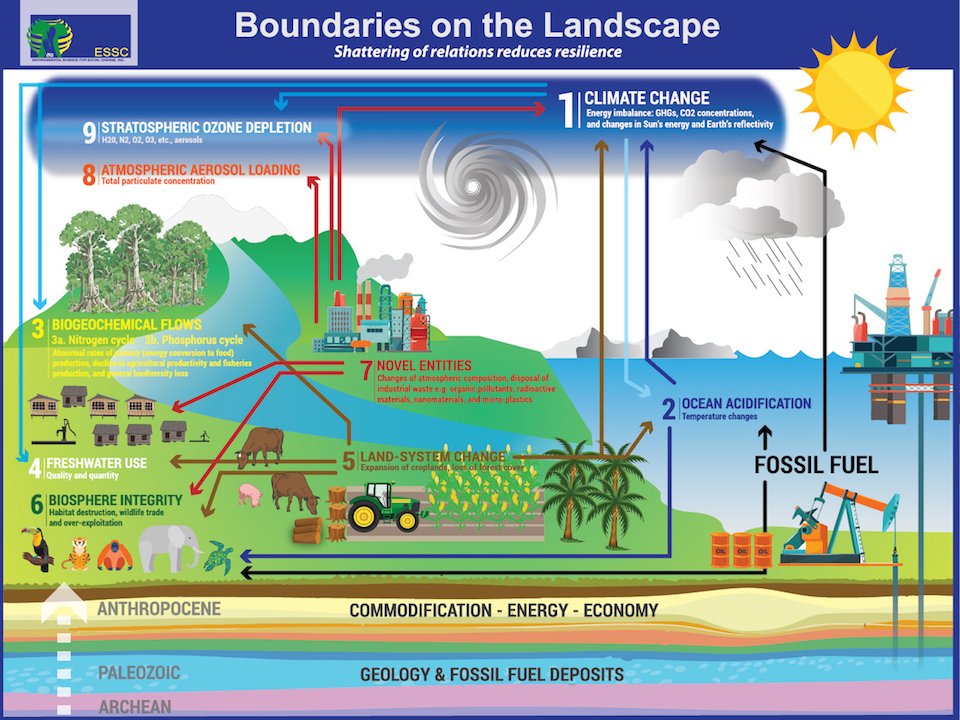
Key Highlights
- Interdisciplinary Integration: Environmental knowledge bridges science, policy, and social behavior.
- Human-Environment Interactions: Understanding the effects of human actions and fostering sustainable practices.
- Applied Environmental Practices: From theoretical principles to concrete actions in conservation, renewable energy, and pollution management.
Introduction to Environmental Knowledge
Environmental knowledge is a dynamic and integrative field that incorporates the scientific study of natural systems along with practical understanding related to sustainable living, resource management, and environmental conservation. It encompasses a broad range of subjects—from basic ecological principles to advanced techniques in pollution mitigation—and provides a foundation for addressing contemporary global challenges such as climate change, biodiversity loss, and ecosystem degradation.
As humanity continues to exert increasing influence on the natural world, the importance of environmental knowledge has never been more significant. This collective body of knowledge not only explains the physical, chemical, and biological processes that govern our environment, but also investigates the intricate interactions between humans and nature. The field has evolved over decades, morphing into an interdisciplinary arena that brings together expertise from fields such as physics, chemistry, biology, civil engineering, geography, urban planning, and the social sciences.
Core Components of Environmental Knowledge
Scientific Principles and Natural Processes
At the heart of environmental knowledge lies a rigorous understanding of natural processes and scientific principles:
Ecology and Life Sciences
Ecology plays a central role in environmental study, focusing on the relationships between living organisms and their surroundings. This includes examining food webs, nutrient cycles, biodiversity, ecosystem dynamics, and the overall balance of species within various habitats. An understanding of ecological principles aids in recognizing how disturbances—whether natural or anthropogenic—can ripple through ecosystems, leading to widespread impacts.
Earth Systems Science
Earth Systems Science is another cornerstone of environmental knowledge. It investigates the interconnected systems of the atmosphere, hydrosphere, lithosphere, and biosphere. By studying the interplay among these systems, scientists can explain phenomena such as climate change, natural disasters, and shifts in weather patterns. This holistic approach is crucial for designing effective strategies for resource management and environmental protection.
Atmospheric and Climate Science
Modern environmental challenges, such as global warming and extreme weather events, are directly tied to changes in the atmosphere and climate. Climate science employs both theoretical models and empirical data to understand how greenhouse gas emissions, deforestation, and other human activities influence global climate patterns. This segment of environmental knowledge is vital for constructing reliable forecasting models and guiding international agreements aimed at mitigating climate change.
Chemical and Physical Processes
The study of environmental chemistry and physics elucidates how pollutants, nutrients, and energy flow through ecosystems. This area includes the analysis of chemical composition in air, water, and soil, which is critical for identifying and managing pollutants. It also covers physical processes that influence the spread and impact of contaminants, ensuring that mitigation practices are grounded in scientific reality.
Human-Environment Interaction
A crucial aspect of environmental knowledge is the examination of how human activities interact with and impact natural systems. The close connection between human behavior and environmental conditions underscores the need for interdisciplinary insights that merge scientific research with social, economic, and political analysis.
Environmental Impact Assessment
One of the primary applications of environmental knowledge is the assessment of how projects, policies, or industries influence ecosystems. Environmental Impact Assessments (EIAs) are systematic studies carried out before significant development or policy implementations to predict and mitigate potential adverse effects. These assessments critically analyze variables like air and water quality, biodiversity, local climate, and cultural impacts.
Sustainable Resource Management
Given the finite nature of essential resources—such as water, minerals, and energy—sustainable resource management is a key application of environmental knowledge. By balancing technological, economic, and ecological considerations, specialists can develop strategies that ensure the long-term availability of these resources. This involves reducing waste, maximizing efficiency, and integrating renewable energy sources into the broader energy mix.
Urban and Regional Planning
Incorporating environmental considerations into urban planning is critical for creating resilient and livable cities. Effective urban and regional planning integrates green infrastructure, sustainable transportation, and efficient waste management systems, ultimately reducing environmental impacts while enhancing quality of life. Environmental knowledge informs city planners and policy makers on issues such as urban sprawl, air quality, and green space allocation.
Environmental Policies and Regulation
Effective governance of environmental issues requires comprehensive policies and regulations that protect natural systems while promoting sustainable development. Environmental knowledge plays a pivotal role in shaping these policies, as it provides the evidence base required for informed decision-making.
Legislative Frameworks
Governments at local, national, and international levels have developed a series of laws and regulations aimed at protecting the environment. Examples include laws addressing air and water quality, endangered species protection, waste management, and toxic substance regulation. These legislative frameworks are based on scientific research and are designed to mitigate environmental degradation.
International Agreements
On a global scale, treaties and international agreements such as the Paris Agreement illustrate the collective effort of nations to combat climate change and promote sustainable practices. These agreements are underpinned by environmental knowledge that informs their objectives, targets, and compliance mechanisms. International collaborations leverage research and data from diverse regions to tackle challenges that transcend national borders.
Public Awareness and Education
Enhancing public awareness about environmental issues is vital for fostering a culture of sustainability. Education initiatives contribute to spreading both abstract and concrete environmental knowledge, empowering individuals to make informed choices. Public education campaigns, community outreach programs, and school curricula that incorporate environmental science have a profound influence on behavioral change.
Applied Environmental Practices
The practical application of environmental knowledge incorporates a wide array of strategies that are designed to mitigate environmental challenges directly. These practices move beyond theory to produce actionable outcomes that benefit society and the natural world.
Conservation and Ecosystem Restoration
Conservation is central to environmental practice, aiming to preserve biodiversity and maintain natural habitats. Techniques in conservation biology and ecosystem restoration are employed to rehabilitate degraded landscapes, protect endangered species, and maintain ecological balance. Such practices often rely on both traditional ecological knowledge and modern scientific methods, making them robust and adaptive.
Renewable Energy and Green Technologies
To reduce the environmental footprint associated with fossil fuels, numerous efforts have targeted the advancement of renewable energy. Innovations in solar, wind, and bioenergy technologies are enabling a transition towards cleaner energy systems. Green technologies not only decrease greenhouse gas emissions but also stimulate economic growth through the development of sustainable industries.
Waste Management and the Circular Economy
Effective waste management strategies are essential for reducing environmental pollution. The concept of a circular economy is based on the continuous use of materials through recycling, reuse, and waste reduction. This approach minimizes waste generation and transforms by-products into valuable resources, fostering both environmental sustainability and economic efficiency.
Traditional and Indigenous Knowledge
Not all valuable environmental insights come solely from modern science. Traditional and Indigenous Ecological Knowledge, accumulated over centuries of close interaction with nature, provides a complementary perspective on sustainable living. This body of knowledge, which is often community-based and culturally transmitted, offers nuanced methods for managing natural resources and maintaining ecological balance. These practices are gaining recognition worldwide as invaluable tools for supplementing conventional environmental science.
Comparative Overview: Abstract versus Concrete Environmental Knowledge
It is useful to distinguish between two types of environmental knowledge that guide understanding and behavior: abstract knowledge and concrete knowledge.
| Aspect | Abstract Knowledge | Concrete Knowledge |
|---|---|---|
| Definition | Theoretical understanding of environmental processes, underlying scientific principles, and systemic relationships. | Practical applications of environmental principles in daily life, policy-making, and sustainable practices. |
| Focus | Concepts, theories, and analytical frameworks. | Real-world actions, technologies, and interventions. |
| Influence on Behavior | Informs ethical considerations and strategic planning for environmental stewardship. | Drives concrete behavioral changes such as recycling, energy conservation, and sustainable agriculture. |
| Examples | Understanding climate systems, ecosystem dynamics, and biodiversity theory. | Implementing renewable energy solutions, waste management systems, and conservation projects. |
This table demonstrates that while abstract knowledge provides the essential framework to understand environmental issues, concrete knowledge translates that understanding into tangible actions that promote sustainability.
Emerging Trends and Future Directions
As global challenges evolve, so too does environmental knowledge. Researchers, policymakers, and community leaders are continually updating approaches to reflect the latest scientific discoveries, technological advancements, and socio-economic trends.
Technological Innovations
Advances in technology play a significant role in expanding environmental knowledge. Remote sensing, GIS mapping, and big data analytics have revolutionized the way researchers study ecologies and urban environments. Drones and satellite imagery, for example, now allow for rapid assessments of deforestation and habitat destruction, while data analytics help forecast environmental shifts with greater precision. These tools empower scientists to monitor changes in real time, enabling proactive measures to mitigate environmental harm.
Interdisciplinary Collaboration
The complex nature of environmental challenges necessitates collaboration across disciplinary boundaries. Integrating insights from social sciences, economics, and politics with traditional environmental research fosters a comprehensive understanding of global issues. Collaborative research projects, international conferences, and academic partnerships are critical for developing robust solutions and ensuring that scientific findings translate into effective public policy.
Community Engagement and Public Policy
Increasing public participation in environmental decision-making is another promising trend. As citizens become more knowledgeable and engaged, community-led initiatives and grassroots movements are gaining traction. Public policy is increasingly reflecting this shift, with an emphasis on environmental justice and equitable resource distribution. Programs that combine environmental education with active participation in conservation projects have proven effective in fostering a sense of responsibility and environmental stewardship among communities.
Case Studies Highlighting the Impact of Environmental Knowledge
Urban Air Quality Management
In several metropolitan areas, excessive air pollution has led to significant public health concerns. Here, environmental knowledge has been pivotal in shaping initiatives aimed at reducing pollutants. Governments and local administrations have invested in monitoring networks, enhanced public transportation, and incentivized cleaner technologies through subsidies and regulations. These measures, grounded in both scientific understanding and practical applications, have led to noticeable improvements in air quality and public health outcomes.
Water Resource Management
In regions facing water scarcity and degradation, environmental knowledge has transformed management practices. Water resource management now employs interdisciplinary strategies that involve hydrological assessments, policy reforms, and community-based conservation efforts. These strategies ensure that water is allocated efficiently, ecosystems are protected, and agricultural practices are optimized to conserve water. By combining technological innovations such as remote sensing with traditional water conservation practices, communities have been able to mitigate water stress and promote sustainable development.
Conservation of Biodiversity Hotspots
Biodiversity hotspots, which are regions rich in endemic species but under threat from human activities, illustrate the critical role of environmental knowledge. Conservation initiatives in these areas leverage scientific assessments of species relationships, habitat requirements, and ecological processes. Such initiatives often involve creating protected areas, enforcing anti-poaching laws, and engaging local communities in conservation efforts. The successful restoration of ecosystems in these regions underscores how robust environmental knowledge can lead directly to tangible improvements in biodiversity conservation.
Integrating Environmental Knowledge into Daily Life
Beyond academic and policy circles, environmental knowledge is increasingly woven into the fabric of everyday life. Many individuals are adopting sustainable practices in response to an enhanced understanding of their environmental impact. From reducing energy consumption to active participation in local conservation projects, the translation of environmental knowledge to practical action is driving notable behavioral change.
Sustainable Lifestyle Choices
Individuals can leverage environmental knowledge to make informed decisions that promote sustainability. This includes practices such as selecting energy-efficient appliances, reducing plastic waste, supporting local produce, and choosing modes of transportation that minimize carbon emissions. The growing availability of information and resources online has made it easier than ever for consumers to access and act on environmental data.
Community-Driven Environmental Projects
Local communities are harnessing environmental knowledge to launch initiatives that contribute to sustainable development. Urban gardens, recycling programs, and local clean-up campaigns are just a few examples of how theoretical insights are translated into community practices. These projects not only improve local environments but also serve as educational platforms, further disseminating environmental knowledge and inspiring communal responsibility.
Business and Corporate Practices
In the corporate world, environmental knowledge is at the heart of sustainable business practices. Organizations are increasingly integrating sustainability into their operations by adopting eco-friendly technologies, reducing waste, and engaging in responsible resource management. Many companies now publish sustainability reports that detail their environmental impact, reflecting a broader commitment to aligning business success with ecological responsibility. Strategic collaborations between businesses and environmental experts continue to drive innovation and environmental accountability.
Conclusion and Final Thoughts
Environmental knowledge is a multifaceted field that transcends traditional disciplinary boundaries. It is a critical tool for understanding natural processes, managing the impact of human activities, and devising effective strategies to protect and sustain our environment. The integrated approach—which marries scientific insights with practical applications—illuminates the pathway towards a sustainable future and underscores the importance of interdisciplinary collaboration.
As we face increasingly complex challenges—from climate change to biodiversity loss—the role of environmental knowledge becomes ever more indispensable. Whether through legislative action, community initiatives, or cutting-edge scientific research, the ongoing synthesis of knowledge remains the cornerstone of efforts to create a balanced relationship between humanity and nature. Embracing both abstract principles and concrete applications, environmental knowledge not only informs us about our world but also enables us to act decisively in its defense.
References
-
Basics of Environmental Science - M Allaby
- Environmental Science - Wikipedia
- Environmental Science | Definition & Goals - Study.com
- What is Environmental Science? - Biology LibreTexts
- Introduction - Environmental Science
- 15 Biggest Environmental Problems of 2025 - Earth.Org
- The Climate Crisis: 5 Things to Watch Out For in 2025 - UN News
- Global Risks Report 2025 - World Economic Forum
Recommended Related Queries
Last updated February 20, 2025