
Unlocking Environmental Excellence: Your Comprehensive Guide to Environmental Audits
Discover how systematic environmental evaluations can transform your organization's compliance, sustainability, and operational efficiency.
An environmental audit is a systematic, documented, periodic, and objective review of an organization’s activities, processes, and services to assess environmental performance and ensure compliance with environmental regulations, internal policies, and established management practices. It serves as a critical tool for businesses and other entities to understand their environmental impact, identify areas for improvement, and verify that they are meeting their environmental obligations. As of Saturday, 2025-05-17, environmental audits continue to be pivotal for sustainable and responsible operations.
Core Insights: Key Takeaways
- Systematic Evaluation for Compliance: Environmental audits are crucial for methodically assessing an organization's adherence to environmental laws and standards, helping to prevent legal issues and penalties.
- Comprehensive Process: The audit process is multi-faceted, involving meticulous planning, thorough on-site investigation and data collection, detailed reporting of findings, and dedicated follow-up actions to implement improvements.
- Beyond Compliance Benefits: Conducting environmental audits offers advantages that extend past legal requirements, including an enhanced corporate reputation, potential cost savings through resource optimization, and improved environmental risk management.
The Significance and Multifaceted Benefits of Environmental Auditing
Environmental audits are far more than a mere compliance checkbox; they are a strategic imperative for organizations aiming for long-term sustainability and operational excellence. Their importance stems from the ability to provide a clear, unbiased picture of an organization's environmental footprint and management systems.

An environmental audit provides a structured approach to evaluating environmental performance.
Ensuring Regulatory Adherence and Mitigating Risks
One of the primary drivers for conducting environmental audits is to ensure compliance with a complex web of local, state, and federal environmental laws and regulations. This includes adherence to specific permits and operational conditions. By proactively identifying areas of non-compliance, organizations can avoid potentially substantial fines, legal action, and operational disruptions. Audits help in assessing potential hazards, such as soil contamination or improper waste disposal, allowing for timely corrective actions and preventing environmental incidents.
Fostering Environmental Protection and Sustainability
Audits play a vital role in environmental stewardship. By examining resource consumption (energy, water, raw materials) and waste generation, they pinpoint opportunities for reduction, reuse, and recycling. This not only minimizes the organization's ecological footprint but can also lead to significant cost savings through improved efficiency and reduced waste disposal expenses. These efforts contribute to broader sustainability goals and demonstrate a commitment to protecting natural resources.
Enhancing Corporate Image and Stakeholder Confidence
In an era of increasing environmental awareness, a strong environmental record can significantly enhance an organization's reputation. Regular environmental audits signal to customers, investors, employees, and the public that the organization is committed to responsible environmental practices. This transparency can build trust, improve brand loyalty, and provide a competitive edge. Furthermore, audit results can be instrumental in achieving and maintaining environmental certifications, such as ISO 14001, which further bolsters credibility.
Driving Operational Efficiency and Continuous Improvement
Environmental audits often uncover inefficiencies in processes and resource utilization that go beyond direct environmental impacts. Addressing these can lead to streamlined operations, reduced operational costs, and innovation in practices. The audit process fosters a culture of continuous improvement, where findings are used to refine environmental management systems (EMS) and adapt to evolving regulations and best practices.
Understanding the Spectrum: Types of Environmental Audits
Environmental audits are not a one-size-fits-all solution. They can be tailored to meet specific objectives and scopes, leading to several distinct types of audits, each with a particular focus.
Compliance Audits
These are perhaps the most common type, especially in regulated industries. Compliance audits rigorously verify an organization's adherence to applicable environmental laws, regulations, permit conditions, and internal policies. They aim to identify any instances of non-compliance and the associated risks.
Management System Audits (EMS Audits)
These audits evaluate the effectiveness and suitability of an organization's Environmental Management System (EMS). Often, this involves assessing the EMS against a recognized standard, such as ISO 14001. The goal is to determine if the system is properly implemented, maintained, and capable of achieving its stated environmental objectives and continuous improvement.
Functional Audits (or Operational/Process Audits)
Functional audits concentrate on specific operational areas, processes, or environmental aspects within an organization. Examples include audits focused on waste management practices, air emission controls, water usage and discharge, energy efficiency, or hazardous material handling. They provide an in-depth look at the environmental performance and compliance of a particular function.
Due Diligence Audits
Typically conducted during mergers, acquisitions, or property transactions, environmental due diligence audits aim to identify potential environmental liabilities, risks, and compliance issues associated with the target entity or property. This helps the acquiring party make informed decisions and understand potential future costs or legal obligations.
Voluntary Audits
Organizations may undertake voluntary audits to proactively improve their environmental performance, even beyond what is legally required. These audits can focus on implementing best practices, achieving specific sustainability targets, or enhancing their corporate social responsibility profile.
The following table summarizes these key audit types, their primary focus, and typical outcomes:
| Audit Type | Primary Focus | Key Outcomes |
|---|---|---|
| Compliance Audit | Adherence to laws, regulations, permits | Identification of non-compliance, legal risks, pathway to regulatory adherence |
| Management System Audit | Effectiveness of EMS (e.g., ISO 14001) | Assessment of system robustness, areas for EMS improvement, certification support |
| Functional/Operational Audit | Specific processes or environmental aspects (e.g., waste, energy) | Efficiency gains, targeted impact reduction, improved operational controls |
| Due Diligence Audit | Environmental liabilities in M&A or property deals | Uncovering hidden environmental risks and costs, informed decision-making |
| Voluntary Audit | Proactive environmental performance improvement beyond legal mandates | Exceeding compliance, enhanced sustainability, positive public image, innovation |
A Visual Overview: Key Dimensions of Environmental Audits
To better understand the multifaceted nature of environmental audits and how their emphasis can vary, the following radar chart illustrates key dimensions. Different types of audits might prioritize these dimensions differently. For instance, a small business might focus heavily on immediate compliance, while a large corporation undergoing ISO 14001 certification will have a broader scope emphasizing management system effectiveness and stakeholder confidence.
This chart visualizes hypothetical emphasis levels across different audit scenarios, highlighting how objectives can shape the audit's focus. Each axis represents a critical performance area, with values indicating the relative importance or depth of investigation for that area within a given audit context.
The Environmental Audit Journey: A Step-by-Step Process
Conducting an environmental audit is a structured endeavor that typically unfolds in several distinct phases. This systematic approach ensures thoroughness, objectivity, and actionable outcomes.
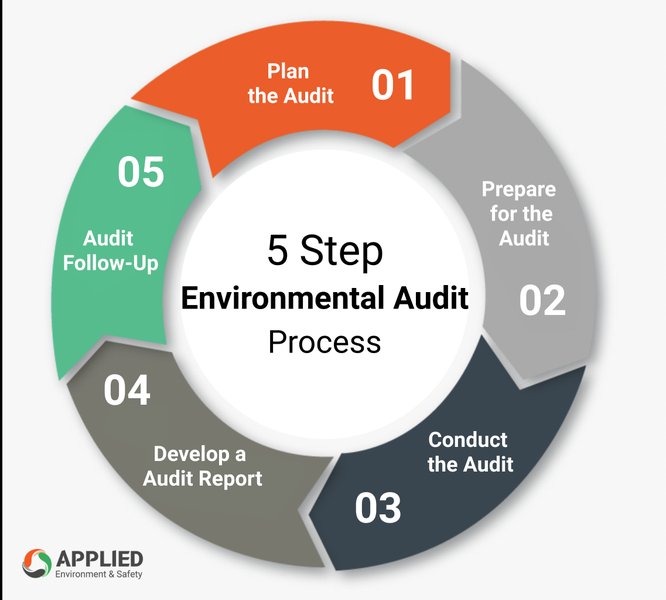
A typical phased approach to environmental auditing ensures comprehensive coverage.
Phase 1: Pre-Audit Planning and Preparation
This foundational stage sets the groundwork for a successful audit. Key activities include:
- Defining Scope and Objectives: Clearly outlining what areas, processes, facilities, or environmental aspects will be audited and what the audit aims to achieve (e.g., verify compliance, assess EMS effectiveness, identify energy-saving opportunities).
- Assembling the Audit Team: Selecting auditors with the appropriate expertise and independence. Roles and responsibilities within the team are defined.
- Identifying Applicable Requirements: Compiling all relevant environmental laws, regulations, permits, standards (like ISO 14001 if applicable), and internal company policies that the organization must adhere to.
- Developing Audit Protocols and Checklists: Creating or selecting tools to guide the audit, ensuring all critical areas are covered systematically. These checklists often detail specific questions and verification points.
- Preliminary Document Review: Examining existing environmental documentation, such as previous audit reports, environmental permits, monitoring data, training records, and operational procedures. This helps auditors understand the context and focus their on-site activities.
Phase 2: Conducting the Audit (On-Site Fieldwork)
This is where the core investigative work takes place, usually involving a site visit. Activities include:

On-site inspections are a crucial part of the audit fieldwork.
- Opening Meeting: Formally initiating the on-site audit with relevant management and staff, reiterating the scope, objectives, and schedule.
- Site Inspections and Walkthroughs: Physically examining facilities, operations, equipment, and environmental control measures. Auditors observe actual practices and conditions.
- Interviews: Speaking with employees at various levels, from frontline operators to senior management, to understand how environmental policies and procedures are implemented and understood.
- Data Collection and Verification: Gathering evidence through document reviews (e.g., logbooks, records), observations, and sometimes sampling or measurements (if within scope). Auditors use their checklists to ensure comprehensive coverage.
- Identifying Conformances and Non-Conformances: Documenting instances where practices meet requirements (conformances) and where they fall short (non-conformances or compliance gaps). Observations and potential areas for improvement are also noted.
Phase 3: Post-Audit Analysis and Reporting
Once the on-site fieldwork is complete, the audit team analyzes the collected information and formalizes the findings:
- Data Analysis: Evaluating all evidence gathered to draw conclusions about environmental performance, compliance status, and the effectiveness of management systems.
- Preparing the Audit Report: Compiling a comprehensive report that details the audit scope, methodology, findings (including specific non-conformances with supporting evidence), observations, and recommendations for corrective and preventive actions. The report should be clear, concise, and objective.
- Closing Meeting: Presenting the preliminary audit findings and conclusions to the organization's management, providing an opportunity for clarification and discussion before the final report is issued.
Phase 4: Follow-Up and Continuous Improvement
The audit process doesn't end with the report. Effective follow-up is crucial for realizing the benefits of the audit:
- Developing Corrective Action Plans: The audited organization takes responsibility for creating plans to address the identified non-conformances and implement the audit recommendations. These plans should include specific actions, responsibilities, and timelines.
- Implementing Corrective Actions: Executing the planned actions to rectify issues and improve environmental performance.
- Monitoring and Verification: Tracking the implementation and effectiveness of corrective actions. In some cases, a follow-up audit or verification visit may be conducted to ensure issues have been adequately resolved.
- Integrating Learnings: Using the audit findings and experiences to refine the environmental management system, update policies and procedures, and foster a culture of ongoing environmental awareness and improvement. Regular audits (e.g., annually or based on risk) are often scheduled to maintain this cycle.
Mapping the Landscape: Core Components of Environmental Audits
The mindmap below illustrates the interconnected components of an environmental audit, from its fundamental purpose and key stages to the various types and significant benefits. It provides a holistic view of how these elements contribute to an organization's environmental stewardship and operational integrity.
(Legal & Regulatory)"] id1b["Assess Environmental Performance"] id1c["Identify & Manage Risks"] id1d["Drive Continuous Improvement"] id1e["Enhance Resource Efficiency"] id2["Key Stages"] id2a["1. Pre-Audit Planning
(Scope, Objectives, Team, Checklists)"] id2b["2. On-Site Investigation
(Inspection, Interviews, Data Collection, Verification)"] id2c["3. Post-Audit Analysis & Reporting
(Findings, Non-conformances, Recommendations)"] id2d["4. Follow-up & Corrective Action
(Implementation, Monitoring, Verification)"] id3["Common Types"] id3a["Compliance Audit"] id3b["Management System Audit (e.g., ISO 14001)"] id3c["Functional / Operational Audit
(e.g., Waste, Energy, Water)"] id3d["Due Diligence Audit
(M&A, Property Transfer)"] id3e["Voluntary / Proactive Audit"] id4["Significant Benefits"] id4a["Legal Adherence & Reduced Fines"] id4b["Environmental Protection & Impact Reduction"] id4c["Enhanced Corporate Reputation & Stakeholder Trust"] id4d["Cost Savings
(Resource & Energy Efficiency, Waste Reduction)"] id4e["Improved Risk Management & Prevention of Incidents"] id4f["Support for Certifications & Standards"]
This mindmap visually structures the concept of an environmental audit, showing how its purpose drives the audit stages, manifests in different audit types, and ultimately delivers a range of benefits to the organization and the environment.
Tools of the Trade: Checklists and Regulatory Protocols
Effective environmental audits rely on structured methodologies and tools, prominent among which are audit checklists and established regulatory protocols.
The Role of Environmental Audit Checklists
Environmental audit checklists are invaluable instruments used during the audit process. They provide a systematic framework to ensure all relevant areas are examined consistently and thoroughly. A well-designed checklist helps auditors to:
- Assess an organization’s environmental policy and its implementation.
- Evaluate site conditions, cleanliness, and operational practices.
- Verify whether management practices are adequate and being followed.
- Identify areas where changes can reduce the environmental footprint, such as lowering energy consumption, water usage, or waste generation.
- Ensure consistent coverage across different sites or audit periods.
Key components often covered in an environmental audit checklist include:
- Permits and Documentation: Validity and accuracy of environmental permits, licenses, and records.
- Waste Management: Proper segregation, storage, handling, and disposal of hazardous and non-hazardous waste.
- Air Quality: Emissions controls, monitoring data, and compliance with air emission regulations.
- Water Management: Wastewater treatment, discharge limits, stormwater management, and water conservation efforts.
- Energy Use and Conservation: Energy efficiency measures, monitoring programs, and reduction initiatives.
- Chemical and Material Handling: Safe storage, spill prevention, and contingency plans for hazardous materials.
- Training and Awareness: Adequacy of employee environmental training and communication of policies.
- Emergency Preparedness: Availability and effectiveness of plans and response drills for environmental incidents.
Regulatory Context and Audit Protocols
Environmental audits are often conducted within a strong regulatory framework. Government agencies like the U.S. Environmental Protection Agency (EPA) provide detailed audit protocols. These protocols typically include comprehensive checklists and guidance to help organizations evaluate their compliance with specific federal environmental laws, such as the Clean Air Act, Clean Water Act, and hazardous waste regulations (RCRA). Such protocols are designed for use by a variety of individuals, including environmental professionals, engineers, legal counsel, and facility managers.
Furthermore, many organizations pursue certification under international standards like ISO 14001 for Environmental Management Systems. Audits against such standards are a core component of achieving and maintaining certification, demonstrating a commitment to systematic environmental management and continuous improvement.
Voluntary audit programs, sometimes encouraged by government policies, can offer incentives like penalty mitigation for self-disclosing and promptly correcting violations discovered through proactive audits.
Understanding Environmental Auditing: A Deeper Dive
The following video provides an introductory overview of environmental auditing, explaining its basic concepts and importance. It features insights that can help in understanding the fundamentals of how these assessments contribute to environmental management and compliance.
This video, "Basics of Environmental Auditing," features Dr. Vivi Niemenmaa from the INTOSAI Working Group on Environmental Auditing (WGEA). It touches upon what environmental auditing entails, its objectives, and its role in the broader context of environmental protection and sustainable development. Such introductory resources are valuable for anyone new to the field or seeking a refresher on the core principles of environmental audits.
Frequently Asked Questions (FAQ)
What is the primary goal of an environmental audit?
The primary goal of an environmental audit is to systematically evaluate an organization's environmental performance, its compliance with environmental laws, regulations, and internal policies, and the effectiveness of its environmental management systems. Ultimately, it aims to minimize environmental impact, manage risks, and identify opportunities for improvement.
How often should environmental audits be conducted?
The frequency of environmental audits depends on several factors, including regulatory requirements, the nature and scale of operations, the potential environmental risks involved, the organization's past environmental performance, and the requirements of any certified management system (like ISO 14001). Many organizations conduct comprehensive audits annually or biennially, supplemented by more frequent internal checks or inspections. A risk-based approach is often recommended to determine the optimal frequency.
Can small businesses benefit from environmental audits?
Yes, absolutely. While comprehensive, externally conducted audits can seem resource-intensive, small businesses can significantly benefit from tailored or self-conducted environmental audits. These can help identify cost-saving opportunities (e.g., through reduced energy or water consumption, less waste), ensure compliance with local regulations (avoiding fines), improve community relations, and enhance employee awareness. Simplified checklists and guidance materials are often available to assist small businesses in this process.
What is the difference between an environmental audit and an environmental impact assessment (EIA)?
An Environmental Impact Assessment (EIA) is a predictive tool typically conducted before a new project or significant modification to an existing project is undertaken. Its purpose is to identify and evaluate the potential environmental (and socio-economic) impacts of the proposed development, and to propose mitigation measures. An environmental audit, on the other hand, is an evaluative tool applied to existing operations, facilities, or projects. It assesses ongoing environmental performance, compliance with regulations and management plans, and the effectiveness of environmental controls already in place.
Recommended Further Exploration
To deepen your understanding of environmental audits and related topics, consider exploring these areas:
- How can environmental audits contribute to achieving ISO 14001 certification?
- What are the common challenges faced during an environmental audit process and how can they be overcome?
- Explore the specific environmental audit requirements for the manufacturing sector.
- Learn about the role of digital technologies and software in modernizing environmental auditing practices.
References
The information presented is synthesized from authoritative sources. For further details, please consult:
Last updated May 17, 2025