
Environmental Challenges of Electric Vehicle Production
Understanding the Hidden Ecological Impacts Behind the Green Revolution
Key Takeaways
- Resource Extraction: The demand for rare earth metals like lithium and cobalt leads to significant environmental degradation and ethical concerns.
- Energy-Intensive Manufacturing: EV production processes contribute heavily to carbon emissions, especially through battery manufacturing.
- End-of-Life Management: Effective recycling and disposal of EV components, particularly batteries, remain major challenges.
Introduction
Electric vehicles (EVs) are often heralded as a sustainable alternative to traditional internal combustion engine (ICE) vehicles, primarily due to their potential to reduce greenhouse gas emissions during operation. However, the production of electric vehicles entails a complex array of environmental challenges that must be addressed to ensure their overall sustainability. This comprehensive analysis delves into the multifaceted environmental impacts associated with EV production, drawing upon the most credible insights to present a nuanced understanding of the issue.
Resource Extraction and Material Sourcing
Rare Earth Metals and Minerals
Electric vehicle batteries are predominantly based on lithium-ion technology, necessitating substantial amounts of critical metals such as lithium, cobalt, nickel, and copper. The extraction of these materials poses significant environmental challenges:
- Environmental Degradation: Mining activities for these metals often result in habitat destruction, soil erosion, and water contamination. The removal of large land areas for mining disrupts local ecosystems and biodiversity.
- Geopolitical and Ethical Concerns: A significant portion of cobalt, for example, is mined in regions with lax environmental regulations and poor labor standards. This raises ethical issues regarding labor practices and the environmental stewardship of mining operations.
Water Consumption
The mining and processing of battery materials are highly water-intensive. In regions already grappling with water scarcity, such intensive use can exacerbate local water shortages, impacting both human populations and natural ecosystems.
Energy-Intensive Manufacturing Processes
High Carbon Footprint
Manufacturing electric vehicle components, particularly batteries, is inherently energy-intensive:
-
Battery Production: The synthesis and assembly of battery cells require vast amounts of energy, often sourced from fossil fuels, leading to significant carbon dioxide (CO₂) emissions.
-
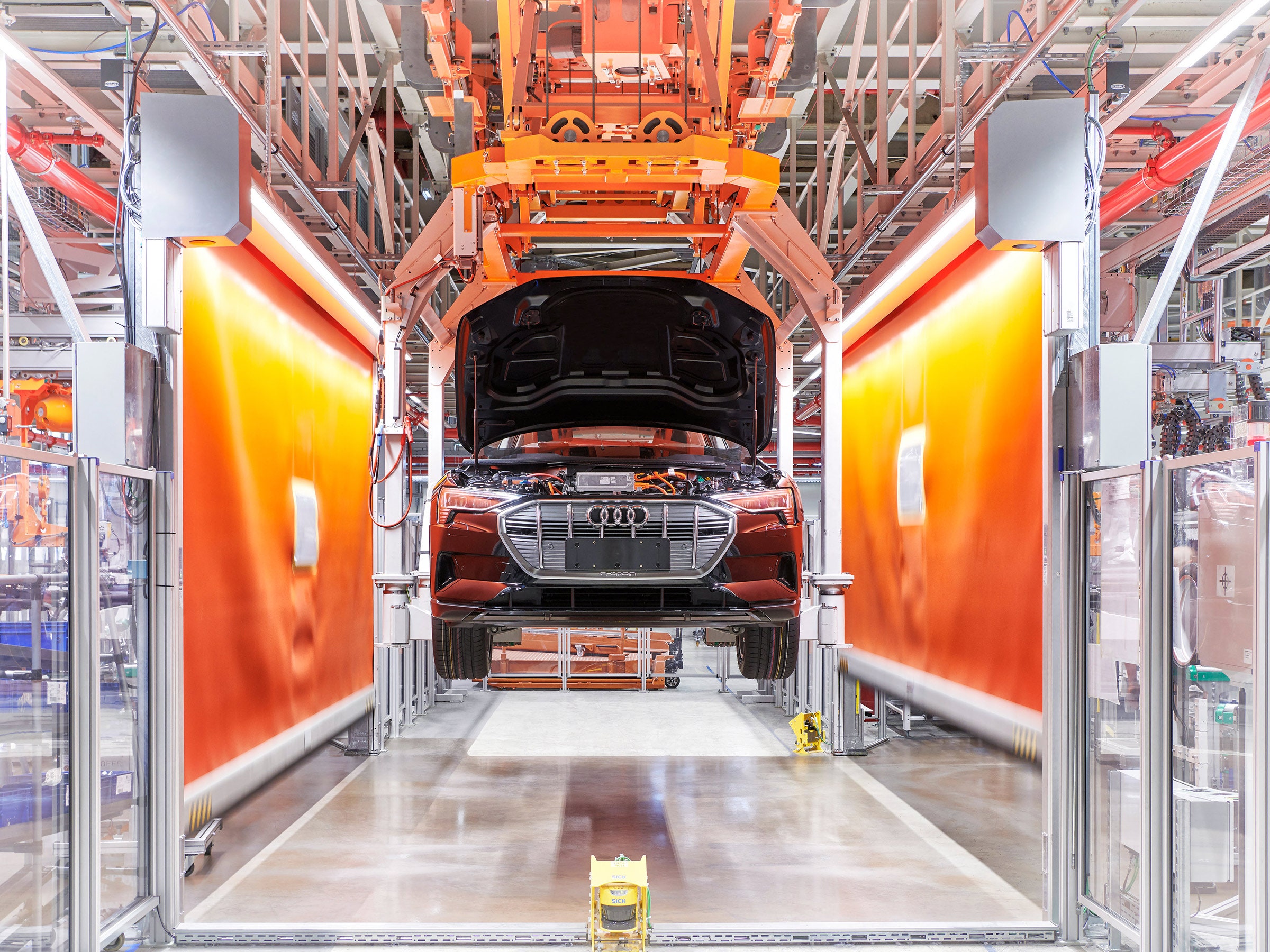
Vehicle Assembly: The overall process of assembling EVs, including the integration of various components, further contributes to the vehicle's carbon footprint.
Emissions from Manufacturing Facilities
Manufacturing plants dedicated to EV production emit a range of pollutants, including greenhouse gases and particulate matter. These emissions contribute to air quality degradation and climate change, undermining the environmental benefits that EVs are supposed to offer.
Battery Production and Chemical Use
Toxic Chemicals
The production of EV batteries involves the use of hazardous chemicals and solvents. If not managed properly, these substances can pose serious risks to both the environment and human health, including potential contamination of water bodies and soil.
Waste Generation
Manufacturing processes generate substantial waste by-products that necessitate careful treatment and disposal. Improper handling of this waste can lead to environmental contamination and long-term ecological damage.
Supply Chain Impacts
Transportation Emissions
The global supply chains required for EV production involve transporting raw materials and finished parts across vast distances. This transportation leads to increased greenhouse gas emissions, contributing to the overall environmental footprint of electric vehicles.
Packaging and Logistics
Packaging materials used in the transportation of EV components, along with the logistics operations themselves, add additional environmental burdens. These include resource use for packaging production and waste generation from discarded materials.
End-of-Life Management and Recycling
Battery Disposal
Improper disposal of electric vehicle batteries can lead to severe environmental issues. Toxic metals and chemicals may leach into soil and water sources, causing long-term contamination and ecological harm.
Recycling Challenges
Recycling EV batteries is a complex process not yet implemented at a large scale. The lack of efficient recycling technologies and infrastructure impedes the recovery of valuable materials, thereby sustaining the demand for virgin resource extraction and undermining sustainability efforts.
Land Use and Habitat Disruption
Mining Operations
Mining for the metals essential to EV production often leads to significant disruptions of local ecosystems and wildlife habitats. This results in biodiversity loss and alters the natural landscape, impacting both flora and fauna.
Manufacturing Plants
The construction and expansion of manufacturing facilities for electric vehicles can lead to land use changes and environmental degradation in surrounding areas. This includes the disruption of natural habitats and increased pollution levels in the vicinity of production sites.
Energy Source for Production
The environmental impact of EV production is heavily influenced by the energy sources powering manufacturing facilities. Reliance on non-renewable energy sources like coal can significantly increase carbon emissions, negating some of the environmental benefits that electric vehicles are expected to provide.
Lifecycle Assessment Considerations
A comprehensive lifecycle assessment of electric vehicles must account for the total environmental impact from production to disposal. While EVs typically exhibit lower operational emissions compared to ICE vehicles, the substantial environmental costs incurred during production can offset these benefits unless mitigated by sustainable practices.
Mitigation Strategies
Sustainable Mining Practices
Implementing stricter environmental regulations and adopting more sustainable mining techniques can significantly reduce the ecological footprint of material extraction. This includes measures like minimizing land disturbance, reducing water usage, and ensuring ethical labor practices.
Renewable Energy for Manufacturing
Transitioning manufacturing facilities to renewable energy sources, such as solar or wind power, can lower the carbon emissions associated with EV production. This shift not only reduces the overall environmental impact but also supports the broader adoption of renewable energy within the industrial sector.
Advancements in Battery Technology
Developing batteries that require fewer or less harmful materials can minimize environmental impacts. Innovations in battery chemistry and design aim to enhance energy density, extend lifespan, and facilitate easier recycling, thereby contributing to more sustainable EV production.
Enhanced Recycling Programs
Improving battery recycling technologies and infrastructure ensures that valuable materials are recovered and reused. This reduces the need for new resource extraction and mitigates the environmental impact associated with both production and disposal.
Supply Chain Optimization
Streamlining supply chains to reduce transportation distances and employing environmentally friendly logistics practices can lower overall emissions. Strategies include local sourcing of materials, reducing packaging waste, and optimizing transportation routes to enhance efficiency.
Technological Innovations and Future Directions
Solid-State Batteries
Solid-state batteries represent a significant advancement in battery technology, offering higher energy density, improved safety, and longer lifespans compared to traditional lithium-ion batteries. These batteries potentially reduce the need for certain rare materials and simplify recycling processes, thereby lowering the environmental impact.
Recycling Automation and AI
Incorporating automation and artificial intelligence in recycling processes can enhance the efficiency and effectiveness of material recovery from EV batteries. Advanced sorting and processing technologies improve the purity and yield of recycled materials, making recycling a more viable and sustainable option.
Circular Economy Models
Adopting circular economy principles in the EV industry ensures that materials are continually reused and recycled, minimizing waste and reducing the demand for new resource extraction. This model promotes sustainability by closing the loop between production, consumption, and recycling.
Policy and Regulatory Frameworks
Robust policy and regulatory frameworks are essential to address the environmental challenges of EV production effectively. These frameworks can incentivize sustainable practices, ensure compliance with environmental standards, and promote transparency throughout the supply chain.
Government Incentives
Governments can provide financial incentives, such as tax credits and subsidies, to manufacturers adopting sustainable practices. These incentives encourage investments in renewable energy, sustainable mining, and advanced recycling technologies.
International Standards and Agreements
International cooperation on environmental standards ensures that sustainability practices are harmonized across global supply chains. Agreements on emissions reduction, resource management, and ethical sourcing can drive collective action towards mitigating the environmental impacts of EV production.
Corporate Responsibility and Industry Initiatives
Sustainable Manufacturing Commitments
Many automotive companies are committing to sustainable manufacturing practices, including the use of renewable energy, reducing waste, and enhancing recycling capabilities. These commitments are often part of broader corporate social responsibility (CSR) initiatives aimed at minimizing environmental footprints.
Collaborative Efforts and Partnerships
Collaborations between manufacturers, governments, and non-governmental organizations (NGOs) can facilitate the development and implementation of sustainable practices. Joint initiatives can address common challenges, share best practices, and drive innovation in reducing the environmental impact of EV production.
Case Studies and Best Practices
Tesla’s Battery Recycling Program
Tesla has established comprehensive battery recycling programs aimed at recovering valuable materials and reducing the environmental impact of battery disposal. By investing in advanced recycling technologies and providing incentives for recycling, Tesla sets a benchmark for sustainable practices in the EV industry.
BMW’s Sustainable Supply Chain Initiative
BMW has implemented sustainable supply chain initiatives that focus on responsible sourcing of materials, reducing carbon emissions in logistics, and ensuring compliance with environmental standards. These initiatives contribute to the overall sustainability of BMW’s electric vehicle production.
Challenges and Future Outlook
Despite the progress made, significant challenges remain in addressing the environmental impacts of EV production. These include the scalability of recycling technologies, the geopolitical complexities of resource extraction, and the need for widespread adoption of sustainable manufacturing practices. Moving forward, continuous innovation, policy support, and industry collaboration will be crucial in overcoming these hurdles.
Scalability of Recycling Technologies
The development of efficient and scalable recycling technologies is essential to handle the growing volume of EV batteries reaching end-of-life. Investments in research and development, coupled with supportive policies, can drive advancements in this area.
Geopolitical Complexities
The concentration of critical metals in specific regions poses geopolitical challenges that affect the sustainability of resource extraction. Diversifying supply sources and investing in alternative materials can mitigate these risks and promote a more resilient supply chain.
Adoption of Sustainable Practices
Encouraging widespread adoption of sustainable manufacturing and recycling practices requires concerted efforts from all stakeholders, including manufacturers, consumers, policymakers, and researchers. Education and awareness campaigns can play a pivotal role in driving this change.
Conclusion
Electric vehicles present a promising pathway towards reducing transportation-related emissions and combating climate change. However, the environmental challenges associated with their production, including resource extraction, energy-intensive manufacturing, and end-of-life management, cannot be overlooked. Addressing these challenges through sustainable practices, technological innovations, and robust regulatory frameworks is imperative to ensure that the transition to electric mobility truly results in a net positive environmental impact. Collaborative efforts across the industry and supportive policies will be key in realizing the full environmental potential of electric vehicles.
References
Last updated January 31, 2025