
Analyzing Environmental Impacts on Capacitor Performance
Exploring how temperature, humidity, and vibration affect wireless power systems
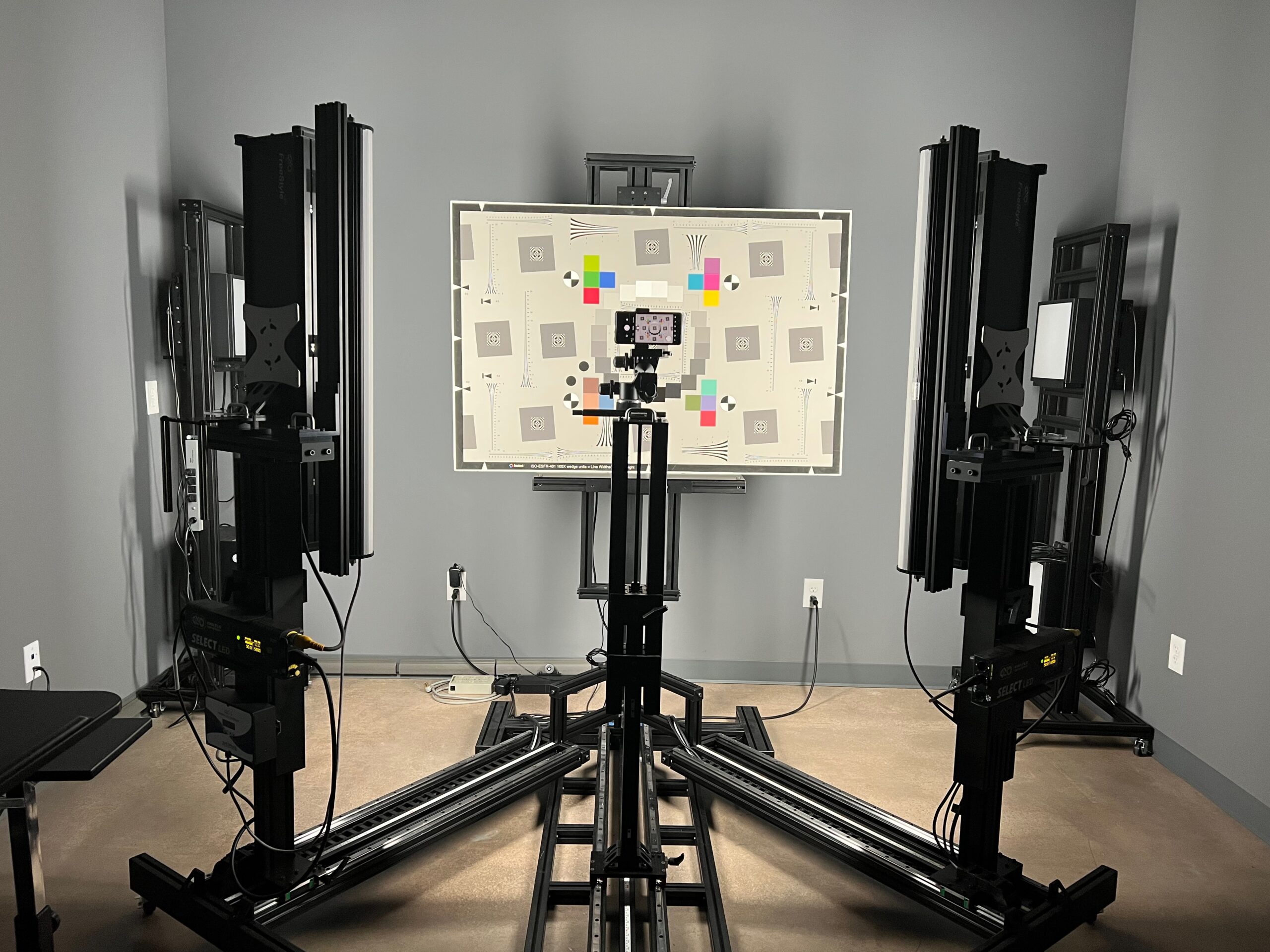
Key Insights
- Environmental Influence: Temperature, humidity, altitude, and mechanical factors directly impact the dielectric properties, efficiency, and lifespan of capacitors used in wireless power transfer systems.
- Performance Metrics: Investigations should focus on changes in capacitance, leakage current, equivalent series resistance (ESR), and overall quality factor to understand performance degradation.
- Design Adaptations: Evaluating these impacts informs necessary design modifications to enhance capacitor resilience, system reliability, and efficiency under varied environmental conditions.
Formulating the Research Question
In the context of capacitors employed in wireless power transfer (WPT) systems, optimizing performance and ensuring long-term reliability under variable environmental conditions is a multifaceted challenge. Environmental conditions such as ambient temperature, relative humidity levels, altitude-induced pressure changes, and mechanical stress from vibration or shock play pivotal roles in how capacitors perform. These factors affect key performance metrics such as capacitance stability, leakage current, and equivalent series resistance (ESR).
Building on these insights, a comprehensive research question that encapsulates the critical environmental variables and their impact can be formulated as follows:
How do variations in ambient temperature, humidity, altitude, and mechanical stress (including vibration) affect the dielectric properties, electrical performance, and long-term reliability of capacitors used in wireless power transfer systems, and what design modifications can mitigate these influences?
In-Depth Analysis of Environmental Factors
Temperature Effects
Temperature is one of the most significant factors influencing capacitor performance in WPT systems. Elevated temperatures accelerate chemical and electrochemical reactions within the capacitor's dielectric material. These reactions often lead to premature aging of the dielectric, causing fluctuations in capacitance and increase in leakage current. Furthermore, high temperatures can increase the ESR, which in turn reduces the overall efficiency of the system. On the other hand, extremely low temperatures can decrease the capacitance and slow down the chemical processes, but may introduce brittleness and reduce the material’s flexibility.
Therefore, when analyzing the impact of temperature, it is vital to consider a comprehensive range from sub-zero conditions up to high operating temperatures (for instance, from -20°C to 80°C). Measuring parameters such as dielectric breakdown, leakage current changes, and capacitance variation becomes essential to understand the thermal limits and operational sustainable range of the capacitor.
Humidity and Moisture Levels
Humidity influences capacitor performance by affecting the dielectric constant of materials and contributing to moisture absorption. Increased moisture levels can lead to higher conductivity within the material, potentially resulting in decreased insulation resistance and compromised dielectric strength. Moisture ingress, particularly over extended periods, can facilitate phenomena such as corrosion or dielectric degradation.
Assessing humidity’s effect involves controlled experiments where capacitors are exposed to various relative humidity levels. These experiments should measure insulation resistance and any variations in the dielectric properties, ensuring that the capacitors maintain adequate performance even in humidity-prone environments.
Altitude and Atmospheric Pressure
Altitude introduces an additional layer of complexity by reducing atmospheric pressure. Lower pressure environments can affect the voltage strength and may lead to unwanted phenomena such as arcing or corona discharge. These effects are particularly significant in high-altitude applications, where the performance and safety of wireless power transfer systems are paramount.
The reduced air pressure can change the cooling properties surrounding the capacitor as well, indirectly influencing its thermal management. Experimental setups at simulated high altitudes help in understanding these influences. Pressure chambers are used to replicate the low-pressure conditions, and the capacitor’s performance metrics are monitored to determine the threshold above which performance or reliability suffers.
Mechanical Stress: Vibration and Shock
In many high-performance systems, mechanical vibrations or shocks can contribute to physical wear and tear on the capacitors. Vibrations might result in microfractures within the dielectric material, cause structural deformations, or even influence the integrity of the physical capacitor construction. Such mechanical stresses can lead to variations in capacitance and introduce transient failures.
Testing under controlled vibration and shock conditions provides insights into the capacitor’s durability. Accelerated life testing, including mechanical stress simulations, is essential for determining the robustness of the capacitors and ensuring that they meet the rigorous demands of wireless power systems.
Key Performance Metrics and Experimental Approach
To systematically analyze the effects of environmental factors on capacitor performance, a detailed experimental design is required. The following table summarizes the key environmental parameters and associated performance metrics for wireless power transfer capacitors:
| Environmental Factor | Performance Metrics Affected | Experimental Considerations |
|---|---|---|
| Temperature |
|
|
| Humidity |
|
|
| Altitude/Atmospheric Pressure |
|
|
| Mechanical Stress |
|
|
By measuring these performance metrics under various controlled environmental conditions, researchers can evaluate the susceptibility of capacitors to degradation over time. The insights gained from such experimental data not only enhance our understanding of the fundamental physics at play but also guide the design and material selection for improved capacitor formulations.
Methodology and Analysis Strategies
Conducting a thorough analysis of environmental effects necessitates a robust, multi-step approach. The proposed methodology includes:
Literature Review and Preliminary Analysis
Initiate the research by reviewing existing literature on capacitor performance in dynamic environmental conditions. This provides a baseline understanding of previously identified failure modes and the influence of environmental factors. Critical analysis of previous experiments is paramount to identifying gaps in current knowledge.
Experimental Design
The experimental phase should involve:
- Setting up controlled environments that simulate real-world conditions, including temperature chambers, humidity-controlled rooms, and pressure chambers.
- Incorporating vibration tables and shock simulation setups to emulate mechanical stress.
- Using high-precision instrumentation to measure the relevant performance parameters in real-time.
The experiments should be designed to isolate each environmental variable while also considering the compound effects when multiple factors interact.
Data Collection and Statistical Analysis
Accurate data collection under varied conditions is critical. Techniques such as time-series analysis, regression, and multivariate analysis can be used to determine the degree of impact each environmental factor has on capacitor performance. It is essential to document the performance deterioration or any sudden changes in the physical behavior of the capacitor. Analysis tools may include:
- Statistical software packages for data modeling
- Quality factor plots to assess resonance performance
- Thermal profile charts correlating temperature effects to dielectric degradation
Design Adaptation and Mitigation Strategies
The final part of the study would involve evaluating and proposing design changes that could help mitigate the environmental impacts discovered. Potential improvements might include:
- The use of advanced dielectric materials that exhibit superior performance in extreme conditions.
- Incorporation of protective coatings or encapsulation strategies to minimize moisture ingress and mechanical damage.
- Optimizing the capacitor design to manage the thermal load effectively, perhaps by integrating heat dissipation mechanisms or choosing geometries that reduce failure risk.
The final recommendations based on the experimental data would be aimed at manufacturers and designers, ensuring that the capacitors used in wireless power transfer systems can reliably operate despite adverse environmental conditions.
Summarizing the Research Question
In summary, the research question, “How do variations in ambient temperature, humidity, altitude, and mechanical stress (including vibration) affect the dielectric properties, electrical performance, and long-term reliability of capacitors used in wireless power transfer systems, and what design modifications can mitigate these influences?” is built upon a comprehensive understanding of how environmental variables impact sensitive electronic components. Integrating controlled experimental studies with advanced analytical methods will enable researchers to make data-driven recommendations for design improvements and system resilience.
The insights drawn from such research are crucial not only for improving capacitor design but also for ensuring that wireless power transfer systems can consistently deliver performance under real-world conditions. The multidimensional approach encompassing thermal effects, humidity impacts, pressure variations, and mechanical stresses provides a solid framework for both academic inquiry and practical engineering solutions.
References
- Understanding Environmental Effects on Capacitor Performance - ATO.com
-
Capacitor Performance Insights - Shicaxon
- MDPI Research on Capacitor Reliability - MDPI
- Environmental Factors and Wireless Sensor Networks - ResearchGate
-
Environmental Impact on Electronics - ScienceDirect
Recommended Queries
Last updated March 7, 2025