
Understanding and Reading a Product’s EPD Document
A comprehensive beginner’s guide to decode Environmental Product Declarations
Key Insights and Takeaways
- Structured Breakdown: Understand each part of the EPD, from general information to detailed environmental data.
- Lifecycle Assessment Literacy: Grasp the concept of Life Cycle Assessment (LCA) which forms the foundation of the EPD.
- Comparability and Verification: Learn how to compare EPDs by checking declared units, verification statuses, and product-specific details.
What is an Environmental Product Declaration (EPD)?
An Environmental Product Declaration (EPD) is a standardized, third-party verified document that details the environmental impacts of a product or material throughout its entire lifecycle. It essentially translates complex environmental data derived from a Life Cycle Assessment (LCA) into a comprehensive report that you can use to compare products and make informed decisions. Whether you have zero prior knowledge or are just starting to explore environmental sustainability, understanding an EPD is the key to assessing a product’s carbon footprint, energy consumption, and resource use.
Step-by-Step Guide to Reading an EPD Document
1. Familiarize Yourself with the Structure
Every EPD is crafted with a standardized format which includes several sections. It is important to first understand the general layout so you can locate information quickly and efficiently. The typical structure includes:
General Information
This section introduces the EPD and contains essential details such as:
- Manufacturer and Product Details: The name of the manufacturer and product you are examining.
- Date of Issue and Validity Period: EPDs are typically valid for up to five years. Check the issuance date to know if the document is current.
- Program Operator: Details about the body responsible for issuing and managing the EPD.
Declared Unit
A critical component of the EPD is the declared unit or reference unit, which normalizes the environmental impact data. For example, you might encounter a unit such as “1 kg of product” or “1 m² of installed material”. This consistency is vital for comparing data across similar products.
Scope and Lifecycle Stages Covered
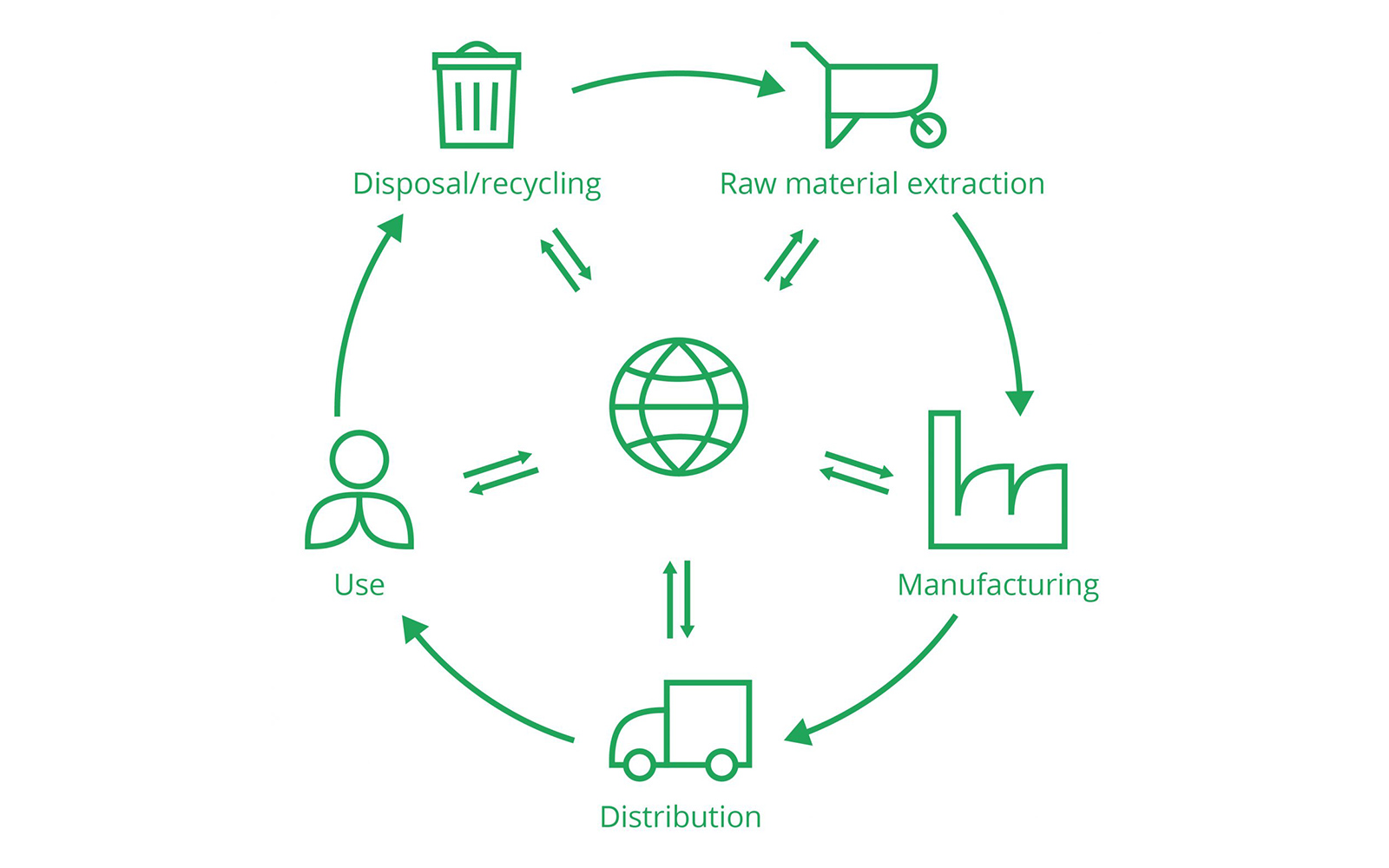
EPDs cover different stages of a product’s lifecycle—from raw material extraction (cradle) to manufacturing, transportation, use, and disposal (grave). Some documents focus solely on production (cradle to gate), while others extend to the entire life cycle (cradle to grave). Understanding which lifecycle stages are included is essential for context.
2. Delving into the Life Cycle Assessment (LCA)
The LCA is the methodology behind the EPD. It systematically evaluates the environmental impacts associated with all stages of a product's life. Key points to consider include:
LCA Methodology and Scope
This section explains the criteria, boundaries, and steps used in the assessment process. Look for details on:
- System Boundaries: The phases that are evaluated (e.g., raw materials, transportation, usage, and disposal).
- Data Sources: Information on where the environmental data comes from, including measurements and estimations.
- Impact Categories: Specific environmental aspects measured, such as Global Warming Potential (GWP), energy use, water consumption, resource depletion, and others.
Calculating Environmental Impacts
One of the most prominent figures usually found in an EPD is the Global Warming Potential (GWP), which is expressed in terms of CO₂ equivalents (kg CO₂e). This measure helps estimate the product’s carbon footprint. Additionally, an EPD may provide data for other impact categories such as acidification, eutrophication, and ozone depletion. The table below summarizes the common lifecycle stages along with their corresponding environmental data typically included in an EPD:
| Lifecycle Stage | Description | Common Environmental Data |
|---|---|---|
| A1 – A3 | Raw material supply and manufacturing process | CO₂ emissions, energy consumption, resource usage |
| A4 – A5 | Distribution and transportation | Fuel usage, transportation emissions |
| B1 – B7 | Use phase or operational life | Operational energy, maintenance impacts |
| C1 – C4 | End-of-life including disposal and recycling | Waste management impacts, recycling benefits |
This table provides a snapshot of how extensive the assessment can be, helping you identify which parts of the lifecycle are covered.
3. Verification and Credibility
One of the most significant aspects of any EPD is its verification status. Since these documents are often used by engineers, architects, and sustainability professionals, ensuring the data’s credibility is paramount.
Third-Party Verification
Each EPD should clearly state that it has undergone a third-party verification process. Verification ensures that the LCA and the EPD adhere to internationally recognized standards such as:
- ISO 14025: Specifies principles and procedures for creating Type III environmental declarations.
- EN 15804: Specifically addresses EPD requirements for construction products.
- ISO 21930: Applies to the environmental declarations for building products.
If an EPD is self-declared (i.e., not verified by an independent third party), it is essential to approach the data with caution as it may not be as rigorously validated.
4. Interpreting the Data: What to Look For
Once you understand the structure and the LCA components of the EPD, the next step is how to interpret the provided environmental data:
Focus on Key Impact Categories
The following categories are typically critical to understanding a product’s environmental performance:
- Global Warming Potential (GWP): The product's contribution to climate change, generally measured in kg CO₂e per declared unit.
- Acidification and Eutrophication: These indicators provide insights into the product’s potential adverse effects on soil and water quality.
- Energy Consumption: Total energy used across all life cycle stages of the product.
- Resource Use: Includes data on raw material extraction, water, and energy consumption involved in production.
Declared Unit Consistency
Make sure that when you compare multiple EPDs, they utilize the same declared unit. If one EPD provides data per kilogram and another per square meter, you need to convert the information to a common basis for an accurate comparison.
Visual Aids and Summaries
Most EPDs integrate graphs, charts, and tables to present the environmental impact data visually. These visual components simplify the detailed numerical information into a more digestible format. Take your time to study these visual aids, as they clarify the relative impacts across various lifecycle stages.
Additional Factors to Consider
As you become more familiar with EPD documents, there are several additional factors that can enrich your understanding and enable you to make more informed decisions:
Product Specificity vs. Average Data
Some EPDs provide data for a specific product while others may present averaged information across an entire product range or brand. It is crucial to recognize this distinction, as a product-specific EPD can offer more precise insights into that individual product’s environmental performance.
Markets of Applicability
Check whether the EPD is relevant to your geographic region or market. Some environmental aspects, regulations, or manufacturing practices may vary by location, so the declared impacts in the EPD may not fully reflect regional differences.
Understanding the Underlying LCA Report
The EPD is just one part of a broader environmental report. There is usually an accompanying LCA report that contains the comprehensive methodology and detailed data supporting the environmental declarations. Although this LCA report may not always be publicly available, knowing that it exists enhances the credibility of the EPD.
Practical Steps to Evaluate an EPD
Let’s summarize a practical approach to help you systematically evaluate an EPD document:
Step 1: Verify the Document’s Authenticity
Begin by checking for indicators such as the validity period, issuance date, and the fact that the document has been verified by a third party. Look for established standards like ISO 14025 or EN 15804 mentioned within the text.
Step 2: Inspect the Lifecycle Stages
Determine whether the EPD covers all relevant lifecycle stages or only a part of the product’s life. Identify if the document is structured to provide a cradle-to-gate or cradle-to-grave view, and examine the corresponding environmental data.
Step 3: Assess Key Environmental Metrics
Focus on understanding key details such as the GWP figures (often expressed in kg CO₂e), energy consumption levels, and other environmental impact metrics. Ensure that you compare these figures based on the same declared units.
Step 4: Leverage Visual Aids
Utilize the graphs, tables, and summary sections included in the EPD to gain a clearer perspective of the data. These visual aids can simplify complex datasets and make it easier for you to understand how different lifecycle stages contribute to the overall environmental impact.
Step 5: Compare Multiple EPDs
If evaluating several products, compare the EPDs using consistent parameters. Ensure that the declared units match and check the underlying assumptions, such as geographic applicability and the scope of the lifecycle stages. This comparison can help you choose the most sustainable and appropriately performing product.
Supplementary Tools and Resources
In addition to thoroughly reading the document, consider using supplementary resources and tools to deepen your understanding:
- Interactive Tools: Many organizations offer online calculators or interactive dashboards that allow you to input EPD data and visually compare products.
- Educational Websites: Websites dedicated to sustainability and environmental assessments can provide tutorials and detailed articles on how to interpret an EPD.
- Industry Conferences and Forums: Participating in discussions or watching webinars focused on product sustainability can be a great way to ask questions and learn from industry experts.
These additional tools can reinforce your ability to critically analyze environmental data, making your evaluations even more robust.
References
- How to read an EPD - One Click LCA
- The EPD | EPD International - environdec.com
- Environmental Product Declaration (EPD) – The complete guide
- How to Read an EPD - Kingspan Planet Passionate Resource Center
- How to read an EPD - FOAMGLAS
Recommended Further Reading and Queries
 cdn.damstahl.com
Last updated March 16, 2025