
Epidural During Pregnancy: Comprehensive Overview
Understanding the Role of Epidurals in Labor and Delivery
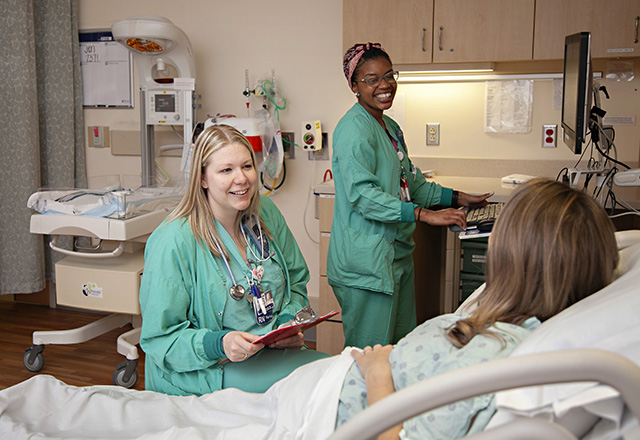
Key Highlights
- Effective Pain Relief: Epidurals provide the most comprehensive pain relief during labor, enabling mothers to remain conscious and engaged in the birth process.
- Balanced Benefits and Risks: While offering significant pain control, epidurals involve potential side effects such as a drop in blood pressure and, rarely, nerve complications.
- Customized Pain Management: Through adjustable dosing and combined techniques, epidurals cater to both vaginal deliveries and cesarean sections with minimal impact on the baby.
Introduction
Epidurals are one of the most commonly used methods for pain relief during labor, with approximately 70-75% of women opting for this form of regional anesthesia. They serve as a reliable method to manage the intensity of childbirth pain while allowing the mother to remain awake, alert, and active during the delivery process. This extensive overview explores the procedure, benefits, potential risks, and additional considerations to help expectant mothers make an informed decision regarding its use during pregnancy.
Understanding the Epidural Procedure
What is an Epidural?
An epidural is a regional anesthetic administered by injecting medication into the epidural space located in the lower back. This space surrounds the spinal column and contains nerves responsible for transmitting pain signals from the birth canal to the brain. The procedure specifically targets these nerves, resulting in a band of numbness that generally extends from the bellybutton down to the upper legs.
The Administration Process
Preparation and Placement
The epidural procedure is performed by an experienced anesthesiologist. Prior to the injection, the patient is typically asked to assume a sitting or side-lying position. After disinfection of the lower back area, a local anesthetic may be administered to minimize discomfort during the insertion.
Insertion of the Needle and Catheter
Once the area is numbed, a specially designed needle is inserted into the epidural space. After confirming the correct placement, a thin catheter is threaded through the needle, allowing for continuous or intermittent delivery of medication. The needle is then carefully removed, leaving the catheter in place for the duration of the labor or surgery.
Medication Delivery and Adjustment
The catheter enables the anesthesiologist to administer medication in controlled doses, ensuring that pain relief can be maintained throughout labor or modified as the process evolves. This adjustability makes epidurals an ideal solution whether a patient is undergoing a prolonged labor or transitioning to a cesarean delivery.
Benefits of Epidurals During Labor
Pain Relief and Comfort
The primary advantage of an epidural is its ability to provide highly effective pain relief. For many women, childbirth is associated with significant physical discomfort and sometimes severe pain. With an epidural, the intense sensations during labor are diminished, allowing for a more comfortable experience.
By numbing the nerves a wide area of the lower body, the epidural allows women to experience labor without the overwhelming pain that is typically associated with contractions. This provides an opportunity for mothers to relax, rest if needed, and even save energy for the final push during delivery.
Enhanced Control and Participation
Despite its numbing effect, the epidural technique is designed to leave enough sensation intact so that women can still feel pressure and the urge to push when contractions occur. This partial preservation of sensation ensures that they remain an active and informed participant in the birth of their child, without being overwhelmed by pain.
Versatility in Use
Epidurals are not only used for vaginal deliveries but are also an essential component in managing pain during cesarean sections. They offer flexible dosing strategies and can be adjusted based on the labor stage, making them incredibly versatile in managing various degrees of pain.
Impact on Postpartum Recovery
Some studies have suggested that effective pain management during labor may decrease the likelihood of postpartum depression. In addition, by reducing physical strain and discomfort during childbirth, epidurals can facilitate a smoother recovery process, enabling new mothers to rest and recover more effectively after delivery.
Risks and Side Effects
Common Side Effects
Although epidurals are widely regarded as safe, they can lead to several side effects which, in most cases, are temporary and manageable. The most common side effect is a drop in blood pressure, which may occasionally affect the baby’s heart rate. This temporary hypotension is typically managed with intravenous fluids or medications.
Other frequent side effects include mild itching, particularly on the area of the injection, and a sensation of warmth or discomfort during the administration process. Some women may also experience difficulty in emptying the bladder due to numbing effects on the pelvic region.
Less Common, More Serious Risks
While serious complications are extremely rare, there are a few risks associated with the epidural procedure that merit consideration. These include the following:
- Temporary nerve irritation or, in very rare cases, nerve damage.
- Headaches caused by cerebrospinal fluid leakage following the procedure.
- Potential for infection or bleeding at the injection site.
- Prolongation of labor, sometimes necessitating assisted delivery methods.
It is important to note that occurrences of severe complications such as permanent neurological damage or paralysis are exceptionally rare. The majority of side effects, if they occur, resolve themselves shortly after labor is complete.
Situations Requiring Special Consideration
Certain medical conditions or circumstances may advise caution when considering the use of an epidural. Women with bleeding disorders, those who are on blood-thinning medications, or individuals with specific spinal abnormalities (such as a history of scoliosis surgery) should have an in-depth discussion with their anesthesiologist. In these instances, alternatives may need to be considered to ensure patient safety and optimal outcomes.
Comparative Analysis: Epidural Benefits and Risks
| Aspect | Benefits | Risks & Considerations |
|---|---|---|
| Pain Relief | Provides excellent and adjustable pain relief; enables rest during labor | May dull sensation more than desired; risk of overmedication |
| Labor Participation | Allows mothers to actively participate in childbirth; maintains awareness | May reduce ability to feel contractions fully; possible impact on pushing effectiveness |
| Safety for Baby | Minimal direct influence on the baby’s heart rate and respiratory function | Potential for temporary effects through maternal blood pressure fluctuations |
| Flexibility | Can be administered at various stages of labor; suitable for cesarean sections | Requires careful dosage adjustments; not ideal for every patient due to specific contraindications |
| Recovery | May promote smoother postpartum recovery by reducing labor strain | Possible temporary back soreness and urinary retention |
Additional Considerations and Alternatives
Decision-Making Process
Deciding whether to have an epidural is a highly personal choice. It is essential to weigh the benefits of significant pain relief and the ability to remain engaged during labor against the potential side effects and procedural risks. Health professionals generally advise that expectant mothers thoroughly discuss their medical history, personal preferences, and any concerns with their obstetrician or anesthesiologist well before the onset of labor. This collaborative decision-making ensures that the chosen pain relief option aligns with the individual's specific needs.
A pre-labor consultation is recommended to review comprehensive details, including alternative pain management strategies. For those who may have contraindications for epidurals, options such as nitrous oxide, intravenous pain relievers, water immersion, and various non-medical methods like breathing techniques or positional adjustments may be viable alternatives.
Combined Spinal-Epidural (CSE) Technique
For some patients, the combined spinal-epidural (CSE) technique provides an ideal balance. This method incorporates the immediate action of a spinal injection with the ongoing dosage control of an epidural. The immediate relief offered by the spinal component is particularly beneficial in rapidly progressing labor, while the catheter-based epidural allows for sustained analgesia. This dual approach is highly regarded for its efficiency, though it similarly necessitates personalized risk-benefit analysis.
Impact on Labor Duration and Delivery Method
One notable consideration regarding epidurals is their potential influence on the natural progression of labor. Some evidence suggests that the use of an epidural may slightly prolong the second stage of labor by approximately 20-30 minutes. In some instances, prolonged labor might increase the likelihood of requiring assisted delivery techniques such as forceps or a vacuum extraction. Despite this, the advantages of pain control often outweigh these concerns, especially for mothers experiencing severe discomfort.
Furthermore, because the epidural allows for meticulous adjustments in dosage, the impact on labor duration is generally minimal and can be managed through continuous monitoring and collaboration between the patient and the delivery team.
Patient Satisfaction and Psychological Impact
High satisfaction rates among women who opt for epidural analgesia are frequently highlighted. The ability to have a controlled and less painful labor experience contributes positively not only to the immediate birth experience but also to postpartum well-being. Effective pain management has been linked to a lower incidence of postpartum depression, thereby emphasizing the importance of considering psychological as well as physical outcomes in the decision-making process.
Clinical Studies and Statistics
Usage Patterns and Patient Outcomes
Statistical evidence indicates that about 70-75% of women who give birth choose to have an epidural. This widespread usage reflects its effectiveness and general acceptance in the medical community as the standard of care for pain relief during labor. Studies reveal high satisfaction rates, with the majority of patients reporting substantial relief from the pain associated with childbirth.
Scientific Evaluations and Consensus
Research and clinical evaluations consistently support that epidurals provide effective pain relief with a manageable risk profile. Although there are inherent risks, the overall consensus is that the benefits substantially outweigh these risks for most patients. Scientific analyses have also emphasized the minimal impact on neonatal outcomes, with the administration procedure being refined over years of clinical practice.
Conclusion and Final Thoughts
Epidurals stand as a highly effective and popular method for managing labor pain. They offer comprehensive, adjustable pain relief that enables mothers to remain aware, active, and participate fully in the birthing process. The procedure, administered by skilled anesthesiologists, involves the insertion of a catheter into the epidural space to deliver medication that safely blocks pain signals during labor.
While the benefits—ranging from significant pain relief and reduced stress during labor to smoother postpartum recovery—are well-documented, the potential risks, such as temporary low blood pressure, urinary retention, and rare occurrences of nerve complications, must be carefully evaluated. Individual medical history and specific circumstances can influence both the suitability and safety of the procedure. Therefore, it is imperative that expectant mothers engage in thorough discussions with their healthcare providers to explore all available options.
Additionally, strategies like the combined spinal-epidural technique can offer immediate and sustained relief, addressing rapid labor progression while preserving the flexibility of the epidural approach. Alternative pain management options are also available, ensuring that a personalized pain relief plan can be formulated for each patient.
In summary, the decision to use an epidural should be guided by a balanced consideration of benefits and risks in consultation with healthcare professionals. The success of the procedure, along with the high degree of patient satisfaction, underscores the importance of individualized care and thorough informed consent in achieving the best possible outcomes for both mother and child.
References
- Pain Relief in Labour - NHS
- Epidural - NHS
- Epidural Pain Relief for Labor - BabyCenter
- Epidural Anesthesia - Yale Medicine
- What Is an Epidural? - American Pregnancy Association
- Medications for Pain Relief During Labor - NCBI Bookshelf
- Epidural in Labour - Pregnancy Birth and Baby
- Medications for Pain Relief - ACOG
- Epidural: Benefits & Side Effects - MFTM
-
Epidural - Cleveland Clinic
- Pros and Cons of Epidurals - WebMD
- Epidural Pros and Cons - Healthline
Recommended for Further Exploration
Last updated February 21, 2025