
Comprehensive Research on Equine Limb Biometric Measurements
Exploring Techniques, Applications, and Future Directions in Horse Limb Biometrics
Key Takeaways
- Measurement Diversity: Equine limb biometrics include both linear and angular measurements to assess conformation, performance, and health risks.
- Advanced Methodologies: Techniques range from manual methods to sophisticated 3D scanning, IMUs, and machine learning, enhancing precision and clinical utility.
- Practical Applications: Accurate biometrics support veterinary diagnostics, performance optimization, targeted rehabilitation, and informed breeding decisions.
Introduction
Equine limb biometric measurements play a pivotal role in modern veterinary science, equine sports medicine, and breeding programs by providing quantitative data on horse limb structure. These measurements, comprising linear dimensions, angular configurations, and volumetric assessments, are essential for evaluating conformation and detecting potential musculoskeletal abnormalities. The integration of traditional manual techniques with state-of-the-art technology such as 3D scanning, inertial measurement units (IMUs), and digital imaging has revolutionized our understanding of equine limb biomechanics. This comprehensive research aims to synthesize a wide array of methods and applications associated with equine limb biometrics while discussing the technological advancements and future directions that drive this field.
Overview of Biometrics in Equine Limbs
Importance of Biometric Measurements
Biometric measurements of horse limbs are fundamental in assessing overall health, athletic performance, and susceptibility to injuries. Quantitative data on limb dimensions and angles allow veterinarians and trainers to:
- Identify and monitor musculoskeletal disorders.
- Evaluate horse conformation, which is critical for disciplines such as racing, dressage, and show jumping.
- Inform management programs that optimize training regimes and rehabilitation strategies.
- Facilitate breeding selection by comparing normative datasets among different breeds.
Scope of Measurements
The biometric analysis of equine limbs extends across several key measurement types:
Linear Measurements
These assessments include measuring the lengths of limb segments such as:
- Bone lengths (e.g., metacarpal/metatarsal, radius, ulna, tibia, and fibula).
- Circumference around joints and limb segments.
- Volumetric measures of specific limb regions using techniques like water displacement and perometry.
Angular Measurements
Angular biometric assessments focus on measuring joint and hoof angles to establish alignment and functionality. Common angular measurements include:
- Joint angles at the shoulder, elbow, carpal, pastern, hip, stifle, and hock.
- Hoof angle and related abnormalities, such as the broken-backward hoof angle frequently observed in performance horses.
Volumetric and Soft Tissue Assessments
Recent advances have made it possible to evaluate the volume and distribution of soft tissue in equine limbs. Such measurements are significant in understanding muscle mass distribution and potential imbalances that may affect performance.
Methodologies and Technologies
Traditional Techniques
Historically, biometric measurements of horse limbs relied on manual methods which include the use of measuring tapes, goniometers, and calipers. These tools provided valuable information but were often susceptible to human error. In controlled studies, multiple evaluators and repeated measurements helped ensure data accuracy. Although manual methods remain relevant, the increasing demand for precision has paved the way for sophisticated techniques.
Technological Advancements
Recent advancements in technology have dramatically improved the accuracy and efficiency of biometric measurements in horses. The following methods are among the most notable:
Digital Imaging and 3D Scanning
Digital imaging techniques and 3D scanning have become central to equine limb biometrics. These methods offer high-resolution, non-invasive ways to capture limb geometries and assess dynamic changes during movement. For instance, studies have demonstrated that 3D scanning can accurately measure proximal hoof circumference, providing a reliable alternative to manual measurements.
Inertial Measurement Units (IMUs)
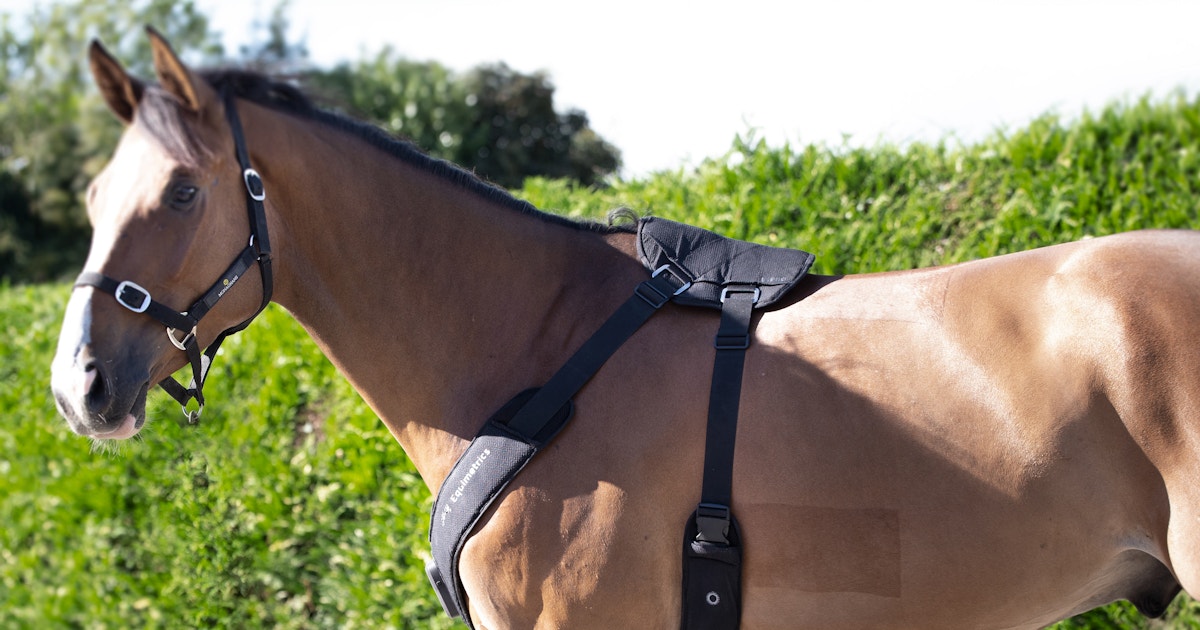
IMUs are wearable devices that measure acceleration, angular velocity, and orientation. In equine biomechanics, they facilitate the real-time analysis of limb movement and gait. By capturing subtle changes in limb orientation, IMUs assist in early detection of lameness and provide data that can be used to evaluate the impact of corrective measures such as specialized shoeing.
Digital Image Analysis and Computational Tools
The advent of computer-aided design (CAD) software and advanced digital image analysis has enabled researchers to carry out detailed geometric assessments of equine limbs. Statistical tools, coupled with machine learning algorithms such as Support Vector Machines (SVM), Gradient Boosting Machines (GBM), and K-Nearest Neighbors (KNN), have improved the interpretation of biometric data, highlighting correlations between specific limb measurements and performance or injury risk.
Radiographic and Ultrasonographic Imaging
Imaging modalities such as radiography and ultrasonography provide internal views of the limb structures. These non-invasive imaging techniques complement external biometric data by revealing bone structure, joint integrity, and soft tissue conditions. Such integrative approaches are particularly valuable for diagnosing conditions that are not evident through external measurements alone.
Applications in Veterinary Science and Equine Performance
Clinical Diagnostics and Treatment
In veterinary practice, equine limb biometric measurements are employed as clinical tools for diagnosing and managing musculoskeletal disorders. Quantitative data on limb structure helps in identifying conditions like osteoarthritis, tendon injuries, and developmental orthopedic diseases. The accuracy of these measurements directly impacts the effectiveness of interventions such as surgical procedures, physical therapies, and corrective shoeing.
Enhancing Performance and Welfare
In the realm of equine sports medicine, precise limb biometrics allow trainers to tailor exercise and rehabilitation programs that optimize a horse's performance. For instance, understanding the relationship between joint angles and limb alignment helps in fine-tuning training regimens for disciplines such as racing, dressage, and show jumping. Additionally, tracking biometric changes over time provides insights into the effectiveness of training programs and the potential need for modifications.
Breeding and Genetic Selection
Biometric data are invaluable in breeding programs as well. By establishing normative measurements for different breeds, researchers can identify desirable traits that enhance athletic performance while reducing the predisposition to injuries. This quantitative approach to breeding selection supports the development of more robust and high-performing equine populations.
Integration with Emerging Technologies
The integration of biometric measurements with genomic data and advanced predictive analytics is creating new avenues for research. By combining high-resolution imaging data with genetic markers, researchers are poised to develop more accurate models that predict long-term health outcomes in horses. This multidisciplinary approach not only enhances our understanding of equine anatomy but also advances the field toward personalized veterinary care.
Detailed Comparison of Measurement Techniques
Table of Measurement Techniques
The following table provides a comparative overview of various biometric measurement techniques used in equine limb assessments. The table highlights the key features and typical applications of each method.
| Technique | Key Features | Applications |
|---|---|---|
| Manual Measurements | Using measuring tapes, calipers, and goniometers; subject to human error but cost-effective. | Basic conformation assessment, routine veterinary checks. |
| Digital Image Analysis & 3D Scanning | High-resolution imaging, non-invasive; provides precise geometric data. | Dynamic gait analysis, hoof circumference measurement, overall limb structure. |
| Inertial Measurement Units (IMUs) | Wearable sensors capturing acceleration and angular velocity; ideal for movement analysis. | Gait assessment, lameness detection, real-time monitoring of performance. |
| Radiographic & Ultrasonographic Imaging | Internal images of bone and soft tissue structures; high diagnostic value. | Diagnosis of joint and bone disorders, assessment of internal alignment. |
| Computed Tomography (CT) & MRI | Detailed imaging for volumetric and morphological analysis; high cost and complexity. | Clinical diagnostics, pre-surgical planning, detailed structural assessment. |
Future Directions and Innovations
Integrating Genomics with Biometric Data
Future research is poised to focus on integrating biometric measurements with genomic and molecular data. This multidisciplinary approach is expected to yield predictive models that provide insights into genetic predispositions to musculoskeletal problems. By identifying specific genetic markers that correlate with conformation traits, researchers can enhance breeding strategies and develop individualized care plans.
Machine Learning and Predictive Analytics
The application of machine learning algorithms in the analysis of biometric data is an exciting frontier. These analytical tools have already demonstrated success in identifying patterns within large datasets, improving the predictive accuracy of performance outcomes and injury risks. The utilization of advanced models such as Support Vector Machines, Gradient Boosting Machines, and K-Nearest Neighbors continues to refine the precision of these assessments.
Wearable Technologies and Continuous Monitoring
Emerging wearable technologies promise to transform equine biomechanics by providing continuous, real-time monitoring of limb movement and performance. By integrating data from IMUs and other sensor technologies, researchers and trainers can obtain a dynamic picture of a horse's condition, allowing for immediate intervention when necessary. This non-invasive approach contributes toward both improved welfare and optimized performance.
Challenges and Considerations
Ensuring Measurement Consistency
One of the critical challenges in equine limb biometrics is ensuring consistency and repeatability across different measurement methods and evaluators. Variability due to human error, environmental conditions, and equipment calibration must be rigorously controlled to ensure that the collected data is scientifically valid. Efforts to standardize protocols and enhance the reliability of measurements remain a key focus within the research community.
Cost and Accessibility
While advanced technologies such as 3D scanning and CT imaging provide highly precise data, they also incur significant costs that may limit their accessibility in routine clinical or field settings. Balancing the accuracy of these state-of-the-art techniques with cost-effective, widely available methods is essential to ensure broader adoption across different sectors within equine science.
Dynamic Versus Static Measurements
A further consideration involves the difference between static and dynamic measurements. While static assessments provide essential baseline data on limb structure, dynamic measurements captured during movement (such as gait analysis) offer additional insights into limb function and potential areas of stress during activity. Combining both approaches is necessary for a holistic evaluation of equine biomechanics.
Conclusion
Biometrics of equine limb measurements represent a critical interface between veterinary science, performance optimization, and breeding management. Through the integration of traditional manual methods with advanced imaging, sensor technology, and machine learning analytics, the field has advanced to provide precise and actionable insights into the health and performance of horses. Such quantitative evaluations facilitate early diagnosis of musculoskeletal disorders, fine-tuned training regimens, and informed genetic selection, ensuring that equine welfare and competitive performance are continually enhanced. Looking forward, the incorporation of genomics and continuous monitoring promises an even more holistic understanding of equine biomechanics, paving the way for personalized veterinary care and further innovations in equine sports medicine.
References
-
Relationships between morphometric measurements and musculoskeletal disorders - NCBI
-
Evaluation of methodologies for equine biometry - ScienceDirect
- Biometric hoof evaluation of athletic horses - ResearchGate
- Inertial measurement unit technology for gait detection - Frontiers
- Validation of a novel clinical tool for monitoring distal limb stiffness - Frontiers
More
Last updated February 19, 2025