
Beyond the Switch: Unlocking Safety During Complex Equipment Maintenance
Exploring the critical risks of unexpected machinery startup, LOTO challenges, and essential safety protocols for equipment like roll mills.
Highlights
- Uncontrolled Energy is Lethal: Unexpected machinery startup or release of stored energy (electrical, mechanical, hydraulic, etc.) during maintenance poses severe risks, including amputation, electrocution, and fatality.
- Lockout/Tagout (LOTO) is Essential: Standard LOTO procedures are the primary defense, involving systematic shutdown, isolation, locking, tagging, and verification to achieve a zero-energy state before work begins.
- Complexity Demands More: Complex machinery like roll mills can challenge traditional LOTO; advanced strategies, thorough risk assessments, specialized procedures (like group lockout), and rigorous training are crucial for safety assurance, highlighted by regulatory scrutiny in cases like Nucor.
The Unseen Threat: Understanding Hazardous Energy During Maintenance
Maintenance, repair, cleaning, and servicing activities on industrial machinery, such as powerful roll mills, inherently place workers in proximity to potential dangers. One of the most critical threats is the unexpected energization or startup of the equipment, or the sudden release of stored energy.
What is Hazardous Energy?
Hazardous energy refers to any energy source that could cause harm if released unexpectedly. This isn't limited to just electricity. It encompasses a wide range of potentials present in industrial equipment:
- Electrical: Live circuits, capacitors.
- Mechanical: Moving parts (gears, chains, blades), potential energy from springs, elevated components.
- Hydraulic: High-pressure fluid systems, accumulators.
- Pneumatic: Compressed air systems.
- Chemical: Reactions, hazardous substances under pressure.
- Thermal: High temperatures (burns) or extreme cold.
- Gravitational: Parts that could fall due to gravity.
Failure to control these energy sources before maintenance can lead to catastrophic events.
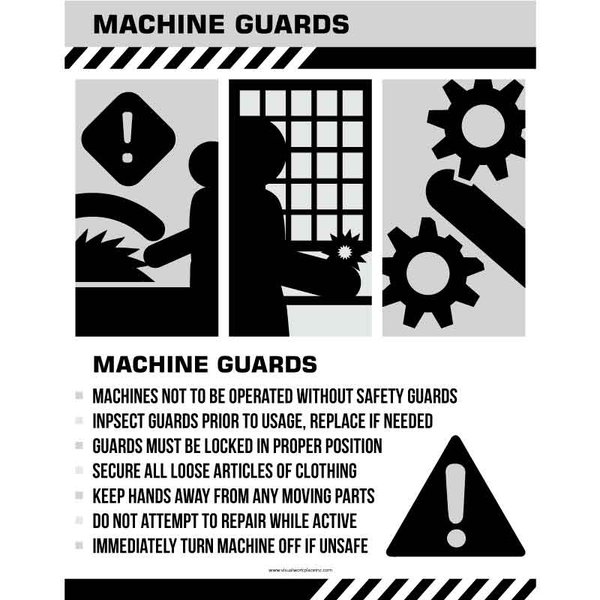
Machine guards are a first line of defense, but maintenance often requires their removal, highlighting the need for energy control.
Why is Unexpected Startup So Dangerous?
An unexpected startup occurs when machinery activates unintentionally during servicing. This can happen due to various reasons, including human error (someone mistakenly restarting the machine), electrical faults, or mechanical failures. The consequences are often severe:
- Amputation: Limbs caught in moving parts.
- Electrocution: Contact with energized circuits.
- Crushing Injuries: Being caught between moving components or between a moving part and a fixed structure.
- Entanglement: Clothing, hair, or body parts getting caught in rotating machinery.
- Burns: From thermal or chemical energy release.
- Fatalities: Resulting from any of the above severe injuries.
These risks are particularly pronounced when safety guards are removed or bypassed, or when workers must place any part of their body into a machine's operational area (the "danger zone").
Specific Risks with Roll Mills
Roll mills, used in metal processing and other industries, present a complex array of hazards. Beyond the general risks of unexpected startup, they involve:
- Massive rotating components with high inertia.
- Hydraulic systems operating under extreme pressure.
- High temperatures from processed materials or furnaces.
- Potential for stored mechanical energy in tensioning systems.
- Complex electrical drive and control systems.
Maintaining such equipment requires meticulous attention to energy isolation protocols.
The Gold Standard: Lockout/Tagout (LOTO) Explained
To combat the dangers of hazardous energy, the industry relies on a standardized safety procedure known as Lockout/Tagout (LOTO). Mandated by regulatory bodies like OSHA (Occupational Safety and Health Administration), LOTO is designed to prevent accidental machine energization during maintenance and servicing.
What is LOTO?
Lockout/Tagout is a safety procedure used to ensure that dangerous machines are properly shut off and not able to be started up again prior to the completion of maintenance or servicing work. It requires that hazardous energy sources be "isolated and rendered inoperative" before any employee goes near points of operation.
- Lockout: The placement of a lockout device (like a padlock) on an energy-isolating device (like a circuit breaker or valve handle) ensuring that the equipment cannot be operated until the lockout device is removed.
- Tagout: The placement of a tagout device (a prominent warning tag) on an energy-isolating device to indicate that the equipment being controlled may not be operated until the tagout device is removed.
The ultimate goal is to achieve a "zero-energy state," meaning all sources of energy have been disconnected, blocked, or dissipated.

Applying lockout devices physically prevents the activation of energy sources during maintenance.
The Core Steps of LOTO
A proper LOTO procedure typically involves the following systematic steps:
- Preparation: Identify all types and locations of hazardous energy sources associated with the equipment. Understand the specific hazards.
- Shutdown: Turn off the equipment using the normal operating controls.
- Isolation: Locate and operate all energy-isolating devices (e.g., breakers, switches, valves) to isolate the machine from its energy sources.
- Lockout/Tagout Application: Apply assigned locks and tags to each energy-isolating device. Each worker involved may apply their own lock (personal lock).
- Stored Energy Check: Identify and release or restrain any stored or residual energy (e.g., bleed pneumatic/hydraulic lines, discharge capacitors, block elevated parts).
- Verification of Isolation: Attempt to start the machine or test circuits (carefully!) to ensure that isolation is effective and the equipment cannot operate. Confirm a zero-energy state.
The Importance of Verification
The final step, verification, is absolutely critical. It's the confirmation that the LOTO procedure has successfully isolated all energy sources and the equipment is truly safe to work on. Skipping this step can have fatal consequences if an energy source was missed or isolation was incomplete.
When Standard LOTO Isn't Enough: Complex Machinery Challenges
While standard LOTO procedures are highly effective for many situations, applying them rigorously to complex industrial machinery, such as large roll mills found in facilities like Nucor's, can present unique challenges.
Why Complex Equipment Poses Problems
Several factors complicate LOTO on advanced machinery:
- Multiple Energy Sources: Equipment may have numerous electrical, hydraulic, pneumatic, and mechanical energy inputs, requiring many isolation points.
- Interconnected Systems: Isolating one part might affect others unexpectedly due to complex control logic and interlocks.
- Stored Energy Complexity: Energy can be stored in less obvious places like capacitors, accumulators, springs, or even within control system power supplies, making dissipation difficult.
- Accessibility Issues: Some isolation points may be hard to reach or identify correctly within large, intricate machines.
- Process Requirements: Certain maintenance or setup tasks might seem to require partial energization, conflicting with the zero-energy state principle (though alternatives should always be sought).
The Nucor Case Study: Variance and Revocation
Nucor Steel Connecticut, operating complex roll mills, historically faced challenges applying traditional individual LOTO procedures, particularly during tasks involving multiple workers or intricate energy systems. They sought and were granted a permanent variance from OSHA's standard LOTO requirements (29 CFR 1910.147) in 2016.
This variance allowed Nucor to use alternative procedures, often involving "group lockout" systems or "trapped-key" interlock systems. In a trapped-key system, energy isolation points are linked to keys; the machine cannot be restarted until all keys, held by maintenance personnel, are returned to a central control point. The intent was to provide an equivalent level of safety while addressing the operational complexities.
However, in August 2023, OSHA revoked this permanent variance. This decision underscored OSHA's position that strict adherence to the control of all hazardous energy sources via recognized isolation methods is paramount. The revocation signaled that alternative procedures, even if well-intentioned, must meet incredibly high standards to be considered equivalent to standard LOTO and may face increased scrutiny.
Implications of the Nucor Decision
The revocation emphasizes that deviations from standard LOTO require robust justification and proof of equivalent safety. It reinforces the principle that achieving a verified zero-energy state through direct locking and tagging of isolation points remains the primary expectation for controlling hazardous energy during maintenance activities, regardless of machine complexity.
Enhancing Safety: Advanced Strategies and Best Practices
Given the potential complexities and the absolute necessity of preventing unexpected startups, a multi-layered approach to safety during equipment maintenance is often required, especially for intricate machinery.
Beyond Basic LOTO: Layering Protection
Effective safety goes beyond simply applying locks and tags. It involves a comprehensive system:
Comprehensive Risk Assessment
Before any maintenance task, a thorough hazard analysis should identify ALL potential energy sources (including stored energy), the specific risks involved, and the necessary control measures. This forms the basis for the specific LOTO procedure for that task.
Advanced Safety Systems
Modern machinery may incorporate engineered safety functions designed to prevent unexpected startup. These can include:
- Prevention of Unexpected Start-Up (POUS): Safety-rated control system functions that prevent restart signals from causing motion when personnel are detected in hazardous zones or specific safety conditions aren't met.
- Safety Interlocks: Devices that prevent machine operation if guards are open or components are misaligned.
- Emergency Stops: While not a substitute for LOTO, properly functioning E-stops are critical.
Tailored Procedures and Group Lockout
LOTO procedures should be specific to the machine and task. For complex jobs involving multiple workers or shifts, formal "group lockout" procedures are essential. This typically involves:
- A primary lock or set of locks applied by an authorized lead person.
- A lockbox where the keys to the primary locks are placed.
- Each worker involved then places their personal lock on the lockbox.
- The equipment cannot be re-energized until every single personal lock is removed from the box, ensuring all workers are clear.
The Human Element: Training and Communication
Well-trained employees are fundamental to safety. Training must cover:
- Recognizing hazardous energy sources specific to their work environment.
- Understanding and correctly applying LOTO procedures (including group LOTO).
- Knowing how to verify isolation effectively.
- Clear communication protocols between workers, shifts, and departments.
Regular Inspections and Maintenance
Routine checks of machinery, safety devices (like interlocks and E-stops), and maintenance tools are vital. Preventive maintenance can identify potential failures before they lead to hazardous situations. Documented procedures, like permit-to-work systems, add another layer of control for high-risk tasks.
Mapping Safety Strategies
The following diagram illustrates the interconnected nature of various strategies employed to enhance safety during equipment maintenance, centering around effective hazard control.
Visualizing Safety Factors: Maintenance Risk Mitigation Effectiveness
The effectiveness of different safety measures can vary depending on the complexity of the machinery and the quality of implementation. This chart provides an opinionated comparison of how effective various safety strategies might be perceived across different scenarios, rated on a scale of 1 (Least Effective) to 10 (Most Effective). Note that these are illustrative ratings for comparison purposes.
This visualization highlights that for complex machinery, relying solely on standard LOTO might be less effective than combining it with advanced controls (POUS), rigorous training, detailed risk assessments, and formal group lockout procedures. Conversely, poor implementation drastically reduces the effectiveness of all measures.
Practical Application: Ensuring Safe Maintenance Operations
Successfully implementing LOTO requires careful attention to each step. The table below summarizes the core LOTO steps, their key actions, and common points where failures can occur, leading to hazardous situations.
| LOTO Step | Key Action | Common Failure Point |
|---|---|---|
| Preparation | Identify all energy sources (electrical, mechanical, hydraulic, pneumatic, thermal, etc.) and understand associated hazards. Review specific machine procedures. | Missing less obvious energy sources (e.g., stored hydraulic pressure, capacitors, gravity). Relying on generic procedures instead of machine-specific ones. |
| Shutdown | Use normal machine controls to perform an orderly shutdown. | Improper shutdown sequence that might leave parts energized or under pressure. |
| Isolation | Operate all energy isolating devices (breakers, valves, disconnects) to physically separate the machine from energy sources. | Failing to isolate ALL sources. Using control switches instead of true energy isolating devices. Isolation point incorrectly identified. |
| Lockout/Tagout Application | Affix assigned locks and durable tags to each isolation device, ensuring it cannot be operated. Use personal locks for individual protection; use group lockbox for multiple workers. | Using inadequate locks/tags (not standardized, easily removable). Not applying personal locks. Improper group lockout procedure. |
| Stored Energy Check | Inspect for, release, disconnect, restrain, or dissipate any residual stored energy (bleed lines, block parts, discharge capacitors). | Overlooking stored energy (e.g., pressurized lines slowly recharging, parts held by friction instead of blocks). Assuming energy is gone without checking. |
| Verification of Isolation | Attempt to operate the machine controls (carefully) or use test instruments to confirm that all energy sources are isolated and the machine is in a zero-energy state. | Skipping verification ("assuming" it's off). Performing only a visual check instead of attempting startup or testing. Incorrect use of test equipment. |
Adhering diligently to each step, especially verification, is crucial for preventing unexpected energization and ensuring worker safety during maintenance.
Maintenance Safety in Action: Insights from Experts
Understanding the practical aspects and potential pitfalls of maintenance safety is crucial. The following video provides valuable insights into common accidents related to maintenance work and effective prevention methods, reinforcing the importance of procedures like LOTO and overall safety awareness.
This resource explores real-world scenarios and emphasizes the critical nature of following established safety protocols, including energy control measures, to protect workers performing essential maintenance tasks on various types of equipment.
Frequently Asked Questions (FAQ)
What constitutes hazardous energy in machinery?
Hazardous energy includes any source that could cause harm if released unexpectedly during maintenance. This covers electrical energy, mechanical motion (including stored energy in springs or elevated parts), hydraulic pressure, pneumatic pressure, chemical energy, and thermal energy (both high heat and extreme cold).
What are the main steps involved in a standard Lockout/Tagout (LOTO) procedure?
The typical LOTO procedure involves six key steps: 1) Preparation (identifying energy sources), 2) Shutdown (turning off the equipment), 3) Isolation (disconnecting energy sources), 4) Lockout/Tagout Application (affixing locks and tags), 5) Stored Energy Check (releasing or blocking residual energy), and 6) Verification (confirming isolation and zero-energy state).
Why was Nucor's LOTO variance revoked by OSHA?
OSHA revoked Nucor Steel Connecticut's permanent variance for LOTO in August 2023. While the specific reasons for the revocation are detailed in the official notice, such actions generally occur when OSHA determines that the alternative procedures allowed under the variance no longer provide a level of safety equivalent to the standard LOTO requirements, or if conditions have changed. This reinforces OSHA's emphasis on strict adherence to standard energy control protocols wherever feasible.
What alternatives or supplementary measures exist if standard LOTO is challenging?
While standard LOTO is the primary method, supplementary measures can enhance safety, especially with complex machinery. These include thorough risk assessments, using mechanical blocks or pins to prevent movement, implementing advanced engineered controls like Prevention of Unexpected Start-Up (POUS) systems, adopting formal group lockout procedures for team maintenance, and ensuring rigorous, machine-specific training. Any alternative to standard LOTO must be carefully evaluated and documented to ensure equivalent safety.
How important is employee training for LOTO effectiveness?
Employee training is absolutely critical. LOTO procedures are only effective if workers understand the specific hazards of the machinery they work on, know how to correctly identify and isolate all energy sources, understand how to properly apply locks and tags, know how to dissipate stored energy, and perform verification steps correctly. Regular refresher training and clear communication are essential to prevent errors and ensure the safety program's success.
References
- Control of Hazardous Energy (Lockout/Tagout) - Overview | Occupational Safety and Health Administration - osha.gov
- Unexpected Start-Up: Ensuring Safety in Machinery Applications - fortress-safety.com
- Hazards of Accidental Machine Startup | Free Consults - galfandberger.com
- Nucor Steel Connecticut Incorporated; Grant of a Permanent Variance - federalregister.gov
- Nucor Steel Connecticut; Revocation of permanent variance (August 2023) - osha.gov
- Equipment Inspection and Maintenance Safety: Protocols for Safe Asset Handling - NRX AssetHub - nrx.com
- Safety of machinery — Prevention of Unexpected Start-up - ISO - iso.org
Recommended
 assets.ctfassets.net
Last updated April 19, 2025