
Comprehensive Equipment Overview
Detailed analysis on descriptions, uses, and maintenance procedures
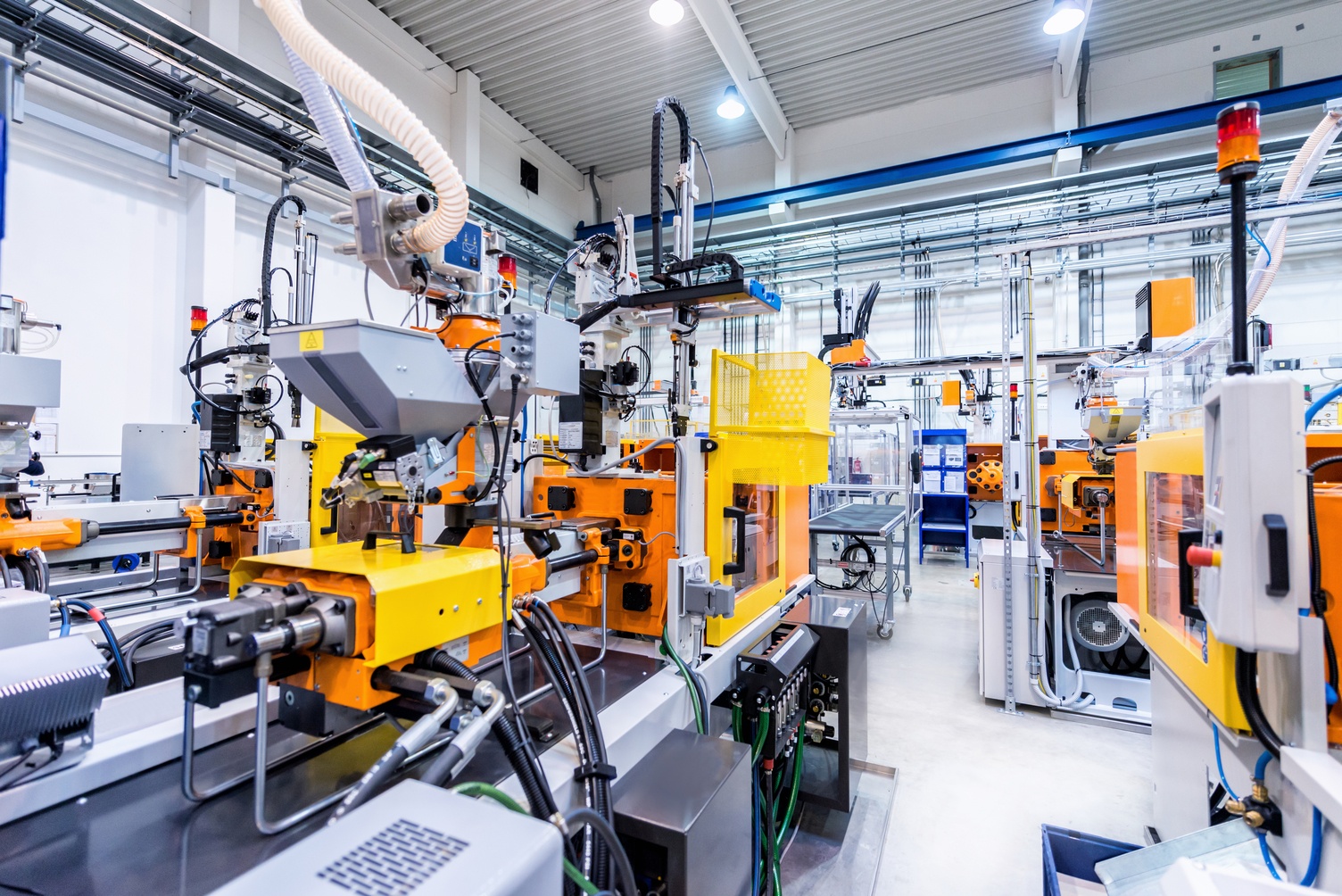
Highlights
- Visual Description: Each equipment is characterized by distinct physical features, from the robust construction of an Electric Arc Furnace to the precision engineering of a Drill Press.
- Functions/Uses: Equipment serves specialized roles in industrial processes such as metal melting, machining, and fabrication, ensuring efficient production and quality results.
- Maintenance: Regular inspection, lubrication, cleaning, and calibration are key to enhancing equipment life and operational safety.
Equipment Details
a. Electric Arc Furnace (EAF)
Description
The Electric Arc Furnace is a large, cylindrical industrial furnace constructed with a refractory lining. Its overall appearance is robust and heavy-duty, featuring a retractable or hinged roof that allows access for maintenance and material charging. Inside, graphite or copper-clad electrodes extend from the roof into the furnace chamber to generate high-intensity electric arcs. The furnace is surrounded by external cooling systems such as water-cooled panels, and its design emphasizes durability to withstand extremely high temperatures, sometimes reaching up to 3,500°C.
Functions/Uses
The primary functions of an Electric Arc Furnace include:
- Melting and refining scrap metal or raw material to produce high-quality steel and alloys.
- Supporting the recycling of steel by efficiently converting scrap into molten metal.
- Providing controlled heating for metallurgical processes leading to desired physical and chemical properties in the final product.
Maintenance
For optimal operation, an EAF requires careful and regular maintenance routines, which include:
- Routine inspection of the refractory linings for cracks and wear; timely replacement is essential to avoid contamination and excessive heat loss.
- Checking the electrodes for degradation, and replacing or reconditioning them as needed to ensure proper arc generation.
- Monitoring and maintaining cooling systems, including checking water flow and ensuring that cooling ducts remain unobstructed.
- Regular cleaning of the furnace interior to remove slag, debris, and build-up from previous melts.
- Maintaining electrical systems and control panels by calibrating measuring devices and inspecting transformer units.
b. Drill Press
Description
A Drill Press is a stationary metalworking or woodworking machine tool characterized by a vertical column supporting a swivel head. It includes a fixed base, an adjustable table to secure the workpiece, and a rotating spindle that holds the drill bit within a chuck. Its design incorporates a depth stop and adjustable speed settings, which help maintain precision in drilling tasks.
Functions/Uses
The Drill Press is used for:
- Drilling precise, consistent holes across different materials such as wood, metal, and plastics.
- Performing secondary operations like reaming, counterboring, and tapping due to its steady working conditions.
- Enabling repetitive drilling processes where accuracy is paramount, often employed in production lines and workshop fabrication.
Maintenance
Routine maintenance practices for a Drill Press include:
- Regular cleaning to remove metal shavings, chips, and dust which can hinder performance and cause overheating.
- Lubrication of moving parts such as the spindle, table feed mechanisms, and the drill chuck to reduce wear and maintain smooth operation.
- Inspection of the drive belt (if applicable) and checking alignment of the spindle with the table to ensure accurate drilling.
- Verifying electrical components and sealing, particularly for motor-driven models to prevent hazards.
c. Lathe Machine
Description
The Lathe Machine is a versatile machine tool designed around a rotating workpiece. It features a robust horizontal bed that supports a headstock (providing rotational power) and a tailstock (for stabilizing the workpiece). An adjustable carriage and tool post enable precise control while various operations such as turning, boring, and threading are performed.
Functions/Uses
Its primary applications include:
- Shaping cylindrical parts by turning, where the workpiece rotates against a fixed cutting tool.
- Performing multiple machining operations like facing, knurling, and drilling to create detailed features on metal or wood components.
- Producing high-precision components for automotive, aerospace, and industrial manufacturing sectors.
Maintenance
To maintain a Lathe Machine in optimal working condition, it is important to:
- Regularly clean the machine to remove metal shavings, coolant, and debris from the work area.
- Ensure thorough lubrication of bearings, lead screws, carriage slides, and other moving parts, thereby reducing friction and wear.
- Conduct periodic inspections to verify alignment and accuracy of the movement mechanisms, ensuring precision in machining operations.
- Replace worn-out cutting tools and maintain a proper coolant system to avoid overheating.
d. Milling Machine
Description
The Milling Machine is a powerful, versatile tool typically comprising a sturdy base, a vertical or horizontal spindle, and an adjustable table. It is designed with a rotating multi-toothed cutter held in the spindle head that removes material from the workpiece. Its robust construction and precision alignment make it ideal for machining complex shapes and accurate features.
Functions/Uses
Milling Machines are primarily used for:
- Cutting flat surfaces or contoured profiles from solid materials such as metals, plastics, and wood.
- Drilling, boring, and slotting tasks where high precision is required.
- Creating complex components with fine tolerances, making them indispensable in industries like automotive, aerospace, and precision engineering.
Maintenance
Maintaining a Milling Machine involves:
- Regular cleaning to remove metal chips, debris, and coolant residue which could impair machine accuracy.
- Lubrication of the spindle bearings, guideways, and table feed screws to ensure the smooth movement of parts.
- Inspection and calibration of the cutting tools and spindle alignment; maintaining the condition of cutter holders is critical.
- Ensuring that all mechanical and electrical systems are functioning properly by following manufacturer maintenance schedules.
e. Electric Holder (Welding)
Description
The Electric Holder, commonly referred to as an electrode holder in welding, is a precision instrument designed to securely clamp and position welding electrodes. Constructed from heat-resistant materials (often a combination of metals and insulated plastics), it typically features a robust handle and a mechanical clamping mechanism. Its design allows for safe operation by electrically insulating the operator from the electrode.
Functions/Uses
This device serves the following purposes:
- Holding and positioning the electrode precisely during manual arc welding operations, which is essential for the consistency of the weld bead.
- Reducing the risk of accidental burns or electrical shock by isolating the electrode from the operator’s contact points.
- Facilitating steady welding by providing a fixed grip on the electrode, leading to improved weld quality.
Maintenance
Proper care of the Electric Holder involves:
- Inspecting the insulation and clamping mechanism periodically for signs of wear, cracks, or corrosion.
- Cleaning the holder after use to remove welding spatter, slag, and residue that might compromise its grip or electrical safety.
- Checking all mechanical fastenings and electrical connections, ensuring that they remain secure and free from damage.
f. Arc Welding Machine
Description
The Arc Welding Machine is an electrically powered system designed to generate an intense electric arc between an electrode and the workpiece. It typically encompasses a robust power source – either transformer-based or inverter-based – along with integrated controls for regulating the welding current. Physically, the machine is housed in a rugged enclosure with designated compartments for electrical components, cooling fans or vents, and safety features like overcurrent protection.
Functions/Uses
Its principal functions include:
- Joining metals by melting the base materials along with a filler metal to form a solid, fused joint.
- Supporting multiple welding processes such as Shielded Metal Arc Welding (SMAW), Gas Metal Arc Welding (GMAW), and Gas Tungsten Arc Welding (GTAW), thus making it versatile in industrial and repair applications.
- Facilitating high product quality and consistency by delivering controlled welding currents and parameters that suit specific metal types and thicknesses.
Maintenance
To ensure reliable performance, routine maintenance of the Arc Welding Machine should include:
- Cleaning the exterior, ventilation, and internal components to remove dust and metal particles that may accumulate and hinder performance.
- Regularly inspecting cables, connectors, and electrode assembly for potential wear or damage, replacing them as needed.
- Calibrating the output settings and periodically conducting professional safety checks to guarantee that electrical components are functioning optimally.
g. Hammer Forging Machine
Description
The Hammer Forging Machine is a heavy-duty industrial press employed to shape metal through repetitive hammering actions. It typically features a fixed anvil and a mechanically or hydraulically driven hammer that delivers high-impact strikes. The structure presents a robust frame, reinforced components for durability, and safety guards enclosing the operational area. Its distinct loud operation and powerful striking mechanism lend it a rugged, industrial look.
Functions/Uses
It is primarily used for:
- Deforming metal by applying repeated, high-force impacts, thereby altering its shape to form sturdier, structurally sound components.
- Performing operations such as upsetting, drawing out, and bending, which are critical in manufacturing areas like automotive components, aerospace parts, and hand tools.
- Enhancing the metal's grain structure, which can improve its mechanical properties and overall performance in critical applications.
Maintenance
Key maintenance protocols include:
- Routine inspection of the hammer and anvil for signs of wear, misalignment, or cracking, with timely replacement of damaged parts.
- Lubricating moving parts and joints frequently to ensure smooth operation and reduce friction-induced wear.
- Verifying the condition and proper operation of hydraulic or mechanical control systems, ensuring that safety guards, sensors, and emergency stops are functional.
h. Furnace
Description
A Furnace is an industrial device designed to generate and sustain high temperatures, typically constructed using refractory materials to contain the heat. Its structure is usually rectangular or cylindrical and features a durable exterior with insulated panels or linings. Furnaces come with advanced temperature control panels, fuel or electrical heating elements, and mechanisms for opening or closing charging doors. Their design ranges from simple heating chambers for melting metal to complex systems used in chemical processing and heat treatment.
Functions/Uses
The furnace is employed for:
- Melting, casting, and refining metals or other materials efficiently.
- Carrying out precise heat treatment processes such as annealing, quenching, tempering, and sintering.
- Supporting applications in metallurgy, ceramics, and glassmaking where controlled high temperature is critical.
Maintenance
Maintenance strategies involve:
- Regular inspection of heating elements, burners, and electrical connections to detect early signs of failure or wear.
- Cleaning the interior chamber to remove residues, slag, or debris that could interfere with efficient heat distribution.
- Checking and maintaining insulation and refractory linings to prevent heat loss and protect the furnace structure from thermal stress.
i. Potter’s Wheel
Description
A Potter’s Wheel is a traditional and art-centric apparatus used for shaping clay. It typically consists of a circular rotating platform or wheel head, mounted on a sturdy base. Operated either manually or electrically, it often features a foot pedal that allows the user to control the wheel’s speed. Its smooth surface and simple design focus on functionality for achieving symmetry and balance while forming ceramic works.
Functions/Uses
Its primary uses include:
- Shaping clay into symmetrical ceramics such as pots, bowls, vases, and sculptures by applying centrifugal force for even distribution.
- Allowing precise manipulation of clay through skilled hand movements during the shaping and trimming process.
- Facilitating both functional and artistic production within pottery studios and artisan workshops.
Maintenance
Regular upkeep of a Potter's Wheel necessitates:
- Cleaning the wheel head and work surface regularly to remove clay residue and glaze, ensuring a smooth work environment.
- Inspecting the motor (if electric) and foot pedal for proper functionality and replacing any worn parts.
- Lubricating bearing assemblies and checking for misalignment or irregularities in the rotating mechanism.
j. Electromagnetic Sieve Shakers
Description
Electromagnetic Sieve Shakers are precision devices designed for separating particulate materials based on size. They combine a robust frame supporting one or multiple sieves with an electromagnetic or motor-driven vibration mechanism. Their visual construction includes control panels, adjustable screens or sieves, and safety enclosures. The devices are engineered with fine tolerances to ensure the accurate separation and analysis of particles.
Functions/Uses
They are predominantly used for:
- Performing particle size analysis by synchronizing vibrations across sieve layers, which enables material separation by mesh size.
- Quality control and material characterization in industries such as pharmaceuticals, food processing, mining, and construction aggregates.
- Accommodating both dry and wet sieving processes as per the material requirements and industry standards.
Maintenance
Effective maintenance of electromagnetic sieve shakers includes:
- Regular cleaning of the sieves and frames to remove material deposits that could affect accuracy and performance.
- Inspection of the electromagnetic coils or motor drives to verify they are delivering the correct amplitude and frequency of vibration.
- Checking wiring, control panels, and mounting fixtures for secure attachment and replacing any worn out components to avoid operational issues.
Maintenance Best Practices Table
| Equipment | Key Maintenance Tasks | Frequency |
|---|---|---|
| Electric Arc Furnace | Inspect refractory lining, clean interior, monitor electrodes & cooling systems, calibrate controls | Daily to Weekly |
| Drill Press | Clean work area, lubricate moving parts, check belt and alignment, inspect electrical systems | After use; periodic inspections |
| Lathe Machine | Clean surfaces, lubricate bearings and slides, inspect cutting tools, check alignment | Daily cleaning; weekly/monthly detailed check |
| Milling Machine | Clean chips, lubricate spindle and guideways, calibrate cutting tools, verify alignment | After use; periodic maintenance |
| Electric Holder (Welding) | Inspect insulation, clean electrode clamps, check mechanical connections | Before each welding session; periodic inspection |
| Arc Welding Machine | Clean internal/external components, inspect cables and electrodes, calibrate controls | After use; regular scheduled service |
| Hammer Forging Machine | Inspect hammer/anvil, lubricate moving parts, verify control systems & safety features | Before production cycles; periodic major overhauls |
| Furnace | Check heating elements, clean chamber, inspect insulation and refractory lining | After each cycle; periodic deep cleaning |
| Potter’s Wheel | Clean wheel head, inspect motor/foot pedal, lubricate bearings | After each use; periodic technical check |
| Electromagnetic Sieve Shakers | Clean sieves, inspect vibration mechanism, check wiring and control panels | After each use; regular performance calibration |
Conclusion
In summary, each piece of equipment outlined above serves a unique and critical role in industrial processes. The Electric Arc Furnace is central to the recycling and sophisticated production of steel, while the Drill Press, Lathe Machine, and Milling Machine facilitate precision manufacturing in both metal and wood industries. Welding equipment, including the Electric Holder and Arc Welding Machine, are indispensable in joining metals with efficiency and safety, and the Hammer Forging Machine demonstrates the power of mechanical deformation to improve material properties. Additionally, Furnaces enable high-temperature operations across diverse applications, whereas the Potter’s Wheel remains an essential tool for artistic and functional ceramic production. Finally, Electromagnetic Sieve Shakers provide reliable particle separation vital for quality control in various sectors.
Consistent maintenance, proper cleaning, lubrication, and timely inspections tailored to each equipment’s specifications ensure operational efficiency, safety, and longevity. Adhering to these practices not only minimizes downtime but also improves overall productivity by reducing risks and preserving the quality of both the machinery and the output.
References
- Electric Arc Furnace Overview - Substech
- How Electrical - Electric Arc Furnace
- Jinsun Carbon - EAF Details
- Mariners Point Pro - EAF Insight
- Resco Products - EAF Maintenance
- Kaka Industrial - Drill Press Maintenance
- Woodworkers Journal - Drill Press Tips
- Rockler - Maintenance Guide
- Sparx Machine Tools - Milling Machine Maintenance
Recommended Additional Queries
Last updated February 20, 2025