
Conquering the Pantry Moth Menace: Your Ultimate Guide to Eradication and Prevention
Reclaim Your Kitchen: A Comprehensive Strategy to Eliminate and Prevent Pantry Moth Infestations
Key Insights into Pantry Moth Eradication
- Immediate Action is Crucial: Pantry moths, particularly the common Indian meal moth, breed rapidly, and a small problem can quickly escalate into a massive infestation. Swift and thorough action is key to disrupting their life cycle and preventing widespread contamination.
- Deep Cleaning is Non-Negotiable: Effective eradication requires a meticulous clean-out of your entire pantry and surrounding areas. This includes discarding all infested food, vacuuming every crevice, and washing all surfaces with effective cleaning solutions.
- Airtight Storage is Your Best Defense: The most vital long-term prevention strategy is to store all dry goods in robust, airtight containers. This denies moths access to food sources, breaks their breeding cycle, and prevents new infestations from spreading.
Understanding Your Foe: The Pantry Moth
Pantry moths, often referred to as Indian meal moths or flour moths, are unwelcome guests in any kitchen. These small, grayish-brown insects earn their notorious reputation by infesting a wide array of dry goods. They commonly target flour, cereals, pasta, dried fruits, nuts, spices, and even pet food. While adult pantry moths are generally harmless to humans and don't bite, their larval stage is where the real damage occurs. The larvae are tiny worms that can chew through plastic bags and thin cardboard, contaminating food with webbing, feces, and small chew holes.
A telltale sign of an infestation includes spotting adult moths flying in a zig-zag pattern, finding tiny caterpillars in your food, or noticing suspicious webbing around food packaging. Understanding their life cycle—from egg to larva, pupa, and adult—is crucial because it dictates the comprehensive approach needed for their eradication and long-term prevention.
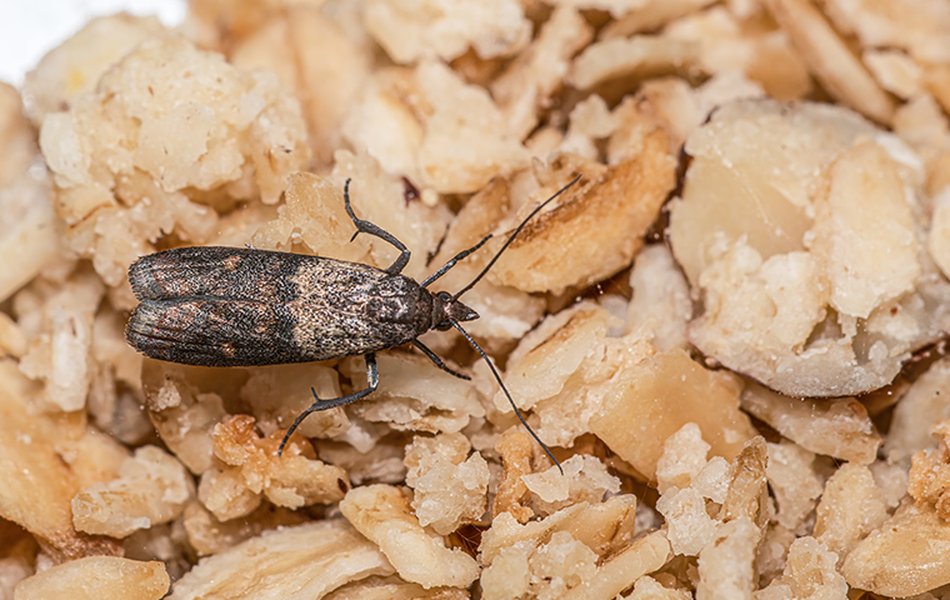
The Indian Meal Moth, a prevalent pantry pest, recognized by its distinct wing coloration.
The Multi-Step Eradication Process
Getting rid of pantry moths is not a quick fix; it requires a systematic approach that addresses every stage of their life cycle. The process typically involves inspection, disposal, deep cleaning, and strategic prevention.
Step 1: Thorough Inspection and Discarding Infested Items
The first and most critical step is to thoroughly inspect your entire pantry, cupboards, and any areas where dry food is stored. This means taking everything out and examining each item meticulously.
Identifying Infestation Signs
- Adult Moths: Look for adult moths flying erratically, especially in the evening.
- Larvae (Worms): These tiny caterpillars are often found crawling within food products or on cabinet surfaces, seeking a place to pupate.
- Webbing: Fine, silken webbing, often around package folds or inside containers, is a strong indicator of larval activity.
- Holes in Packaging: Small, irregular holes in plastic bags or cardboard boxes suggest larvae have chewed their way in or out.
- Pupal Cases: Look for web-like cocoons attached to the sides of containers, shelves, or even ceilings and walls near the pantry.
Discarding Contaminated Food
Any food item showing signs of infestation—moths, larvae, eggs, webbing, or holes—must be immediately discarded. Seal these items in sturdy plastic bags and remove them from your home to an outdoor trash can to prevent re-infestation. Don't risk keeping anything that looks suspicious; a small amount of overlooked eggs can restart the entire problem.

A pantry moth larva demonstrating its destructive feeding behavior on dry goods.
Step 2: Deep Cleaning and Sanitization
Once all food items are removed, a rigorous cleaning process is essential to eliminate any remaining eggs, larvae, or pupae.
Vacuuming and Wiping Down Surfaces
- Vacuum Thoroughly: Use a vacuum cleaner with a crevice attachment to clean out all corners, cracks, shelf pegs, and crevices within your pantry and cabinets. This is crucial for picking up hidden eggs and larvae.
- Wash Surfaces: Wipe down all pantry shelves, walls, and cabinet surfaces with a hot, soapy water solution. A 1:1 solution of white vinegar and hot water is also highly effective for scrubbing down all areas, including the tops and undersides of shelves. Some sources suggest adding a few drops of peppermint oil to this solution for added deterrent properties.
- Bleach (Use with Caution): If safe for your surfaces and with adequate ventilation, bleach can be used in areas where food is not directly stored to kill any remaining pests. However, it's generally advised to avoid strong chemicals near food preparation and storage areas.
Cleaning Containers
Wash any reusable food storage containers that were in the pantry with hot, soapy water. Ensure they are thoroughly dried before putting them back into use.
Step 3: Strategic Pest Control Methods
Beyond cleaning, several methods can help eliminate existing moths and deter new ones.
Natural Repellents and Treatments
- Diatomaceous Earth (DE): Food-grade diatomaceous earth is a natural, non-toxic powder that can be sprinkled in cracks, along corners of cabinets, and a thin layer in the back corners of your pantry shelves. It works by dehydrating and killing insects. It is safe around food and can be left in place for an extended period, even a year or more for severe infestations, acting as a continuous barrier.
- Boric Acid: Similar to diatomaceous earth, boric acid can be used in cracks and crevices, though its application should be cautious and kept away from direct food contact.
- Herbs and Spices: Certain natural scents are known to deter pantry moths. Place sachets or cotton balls infused with essential oils like peppermint, lavender, cedar, rosemary, or thyme in your pantry. Bay leaves are also an effective deterrent; place them in corners of shelves or inside containers. Dried red hot chili peppers can also be added to rice in Asia to prevent infestation.
- Dish Soap Solution: For visible adult moths, a spray bottle with a few drops of ordinary dish detergent in water can be effective. The solution coats their wings, causing them to fall and drown.
Pheromone Traps
Pheromone traps are a highly effective, non-toxic method for controlling adult male pantry moths. These sticky traps emit pheromones that attract male moths, trapping and killing them. This disrupts the breeding cycle by preventing males from reproducing with females. While they won't kill eggs or larvae, they are excellent for monitoring infestation levels and preventing future generations. Place them strategically throughout your pantry and even in adjacent rooms if you suspect wider activity.
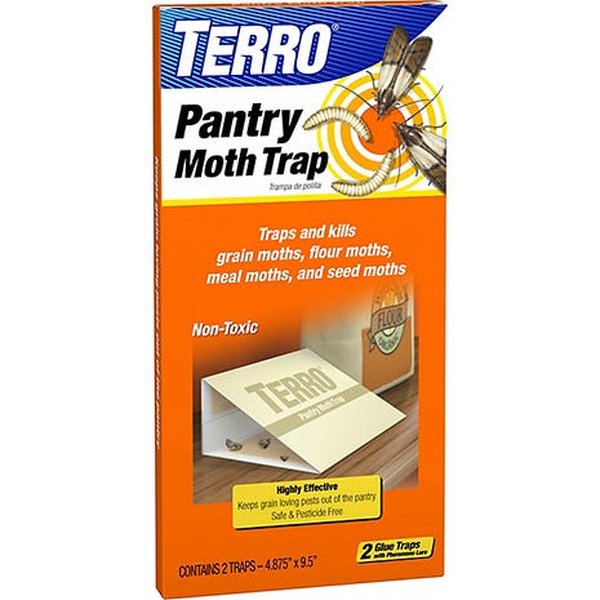
Commercial pheromone traps, an effective tool for disrupting the pantry moth breeding cycle.
Step 4: Preventing Future Infestations
Prevention is the ultimate goal to ensure pantry moths never return. This involves proper food storage and ongoing vigilance.
Airtight Storage Solutions
Transfer all dry goods, especially grains, flours, cereals, nuts, and dried fruits, from their original packaging (which moths can chew through) into sturdy, airtight containers. Glass jars, thick-walled plastic containers, or metal containers with tight, screw-on seals are ideal. Avoid metal-lidded jars where moths can lay eggs under the rim. This completely cuts off their food source and prevents them from spreading if an infested item is inadvertently brought home.
Freezing New Purchases
For highly susceptible items like flour, grains, or nuts, consider freezing new purchases for at least one week (at 0°F or below). This will kill any existing eggs or larvae that might have come with the product from the store or warehouse.
Regular Maintenance and Vigilance
- Vacuum Regularly: Continue to vacuum your pantry and surrounding areas regularly to pick up any stray eggs or crumbs.
- Clean Spills Promptly: Even small spills can sustain larvae, so clean them up immediately.
- Seal Cracks: Inspect your pantry for any cracks in walls or shelves and seal them to prevent moths from finding hidden breeding grounds.
- Final Inspection: Regularly check walls, ceilings, and behind appliances for any signs of moth activity, as larvae can travel to pupate.
Understanding Pantry Moth Vulnerabilities and Life Stages
To effectively combat pantry moths, it's beneficial to understand their life cycle and vulnerabilities. The most common species, the Indian meal moth, progresses through four stages: egg, larva, pupa, and adult. The larval stage is the most destructive, as this is when they feed and grow. Understanding where they are most vulnerable at each stage helps tailor eradication efforts.
The radar chart above illustrates the relative effectiveness of different pantry moth eradication and prevention strategies across various stages of an infestation. Each axis represents a key aspect of control, and the plotted lines show how well different methods perform. This visual representation helps to highlight that a multi-faceted approach, combining cleaning, exclusion, and targeted treatments, offers the most comprehensive solution for managing and preventing pantry moth issues.
The Pantry Moth Life Cycle: A Target for Control
The life cycle of a pantry moth can vary depending on conditions, but understanding its stages is key to effective elimination. Female moths can lay hundreds of eggs, which hatch into larvae that do the feeding. These larvae then pupate, eventually emerging as adult moths ready to reproduce. The entire cycle can be completed relatively quickly, leading to rapid infestations.
Dr. Jody Gangloff-Kaufmann provides insights into the management of pantry moths, discussing their life cycle and effective control strategies.
This video offers valuable insights from Dr. Jody Gangloff-Kaufmann on the management of pantry moths, detailing their behavior and how to best target them. It emphasizes the importance of understanding the moth's life cycle to implement effective control measures, from recognizing the initial signs of infestation to maintaining a moth-free pantry environment. This aligns with the comprehensive strategy of disrupting their breeding and feeding habits at every turn.
Common Pantry Moth Control Methods Compared
Below is a table summarizing various methods for controlling pantry moths, highlighting their application and effectiveness.
| Method | Application | Primary Target | Effectiveness for Eradication | Effectiveness for Prevention |
|---|---|---|---|---|
| Discarding Infested Food | Immediate removal of contaminated items | Eggs, Larvae, Pupae, Adults within food | High (eliminates source) | High (prevents spread) |
| Deep Cleaning (Vacuum, Wipe) | Physical removal from surfaces/crevices | Hidden Eggs, Larvae, Pupae | High | Moderate (reduces potential) |
| Airtight Food Storage | Transfer all dry goods to sealed containers | Larvae (containment), Adults (exclusion) | Moderate (isolates infestation) | Very High (primary prevention) |
| Freezing New Purchases | Place new dry goods in freezer for 1 week | Eggs, Larvae | High (for new items) | High (prevents introduction) |
| Pheromone Traps | Sticky traps with sex pheromones | Adult Male Moths | Moderate (disrupts breeding) | High (monitors & reduces population) |
| Diatomaceous Earth/Boric Acid | Sprinkle in cracks and crevices | Larvae, Adults (contact poison/dehydration) | High (for crawling insects) | High (long-term barrier) |
| Natural Repellents (Bay Leaves, Peppermint Oil) | Place leaves/sachets in pantry | Adult Moths (deterrent) | Low (does not kill) | Moderate (discourages entry) |
| Soap and Water Spray | Direct spray on adult moths | Adult Moths | Low (spot treatment only) | Very Low |
When to Seek Professional Help
While DIY methods are often effective, there are instances where professional assistance may be necessary. If you've diligently followed all the steps for several weeks and continue to see significant moth activity, or if the infestation is particularly widespread and extends beyond the pantry into other areas of your home, it might be time to call a pest control expert. Professionals have access to stronger, targeted treatments and can identify hidden breeding grounds that might be overlooked by a homeowner, ensuring a complete eradication.
Frequently Asked Questions About Pantry Moths
Why do I keep getting pantry moths?
Are pantry moths harmful to humans?
Can pantry moths chew through plastic?
How long does it take to get rid of pantry moths?
Conclusion
Eradicating pantry moths requires a robust, multi-pronged strategy that goes beyond simple cleanup. It begins with a thorough inspection and immediate disposal of all contaminated food items, followed by a meticulous deep clean of your entire pantry and surrounding areas. Implementing preventive measures, such as storing all dry goods in airtight containers and using natural deterrents or pheromone traps, is crucial for long-term success. While the process demands patience and consistency, by understanding the pantry moth's life cycle and applying these comprehensive methods, you can effectively reclaim your pantry and maintain a pest-free kitchen environment.
Recommended Further Exploration
- Explore the different types of pantry moths and their complete life cycle for deeper understanding.
- Discover the best airtight containers and storage solutions to effectively seal off food from pests.
- Investigate more natural and non-toxic pest control methods suitable for kitchen environments.
- Learn about long-term maintenance strategies to ensure your pantry remains free from future infestations.