
The February 15, 2021 Erbil Airbase Missile Attack: A Comprehensive Analysis
Unraveling the Impact and Implications of a Devastating Strike
Key Takeaways
- Significant casualties and damage at the Erbil Airbase highlight ongoing regional tensions.
- The attack underscores the vulnerabilities of military installations in conflict zones.
- Emotional and psychological impacts extend beyond the immediate victims to their families.
Overview of the Attack
Date, Location, and Execution
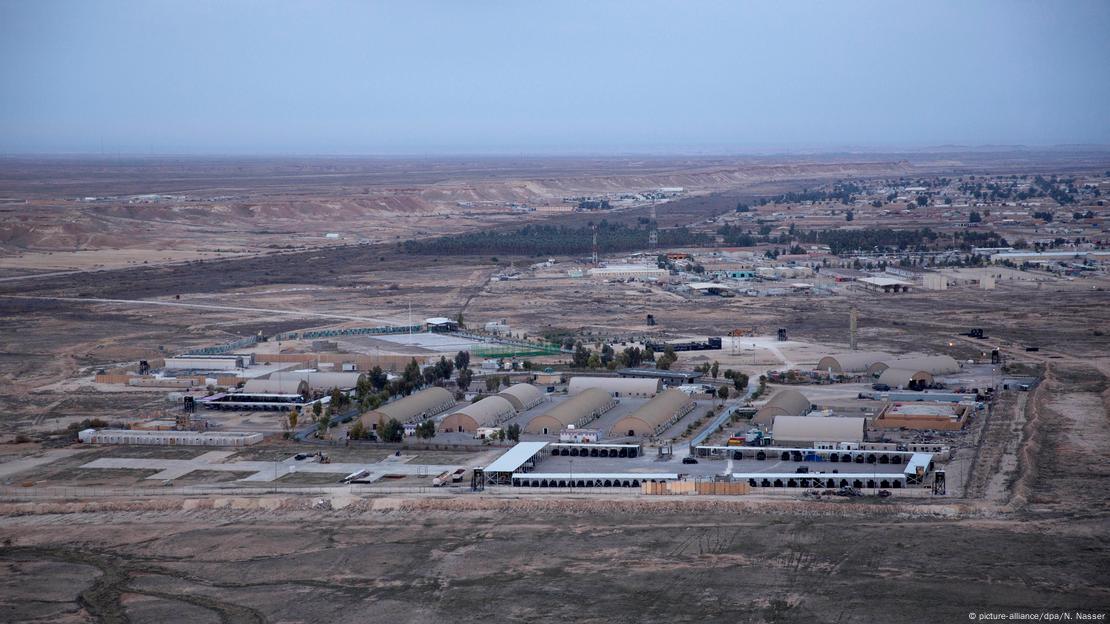
On the evening of February 15, 2021, the Erbil International Airport in Iraq became the target of a coordinated missile attack. Approximately 14 rockets were launched at the U.S.-led coalition base located near the airport. The assault occurred around 21:30 local time, catching both military personnel and civilians off guard.
Casualties and Immediate Aftermath
The attack resulted in the tragic loss of one civilian contractor and injuries to nine individuals, including a U.S. service member. The missiles directly struck the coalition base, leading to significant structural damage and temporary suspension of flights at the airport for safety assessments.
Claim of Responsibility
The militant group Saraya Awliya al-Dam, translating to "Guardians of Blood," claimed responsibility for the attack. However, analysts widely suspect the involvement of Iranian-backed militias, given the prevailing geopolitical tensions between the United States and Iran.
Contextual Background
Geopolitical Tensions
The missile attack occurred against a backdrop of escalating tensions between the United States and Iran. Following the assassination of Iranian General Qasem Soleimani in January 2020, relations between the two nations have been fraught with hostility and mistrust. This incident at Erbil Airbase is indicative of the broader regional instability and the persistent threats faced by U.S. and allied forces in the Middle East.
U.S. Military Presence in Iraq
The U.S. maintains a strategic military presence in Iraq as part of the international coalition efforts against ISIS. The Erbil Airbase serves as a critical hub for operations, logistics, and support for coalition forces in the region. The base's vulnerability to attacks highlights the ongoing security challenges in safeguarding military installations amidst volatile environments.
Impact on Families and Personnel
Emotional and Psychological Effects
The missile attack had profound emotional repercussions for the families of those stationed at the Erbil Airbase. The sudden loss and injuries inflicted by the attack brought about intense fear, uncertainty, and grief. Families grappled with the anxiety of having loved ones in harm's way and the trauma associated with such violent incidents.
Support Systems and Coping Mechanisms
In the aftermath of the attack, various support systems were mobilized to assist affected families. Counseling services, community support groups, and military assistance programs were essential in helping individuals cope with their grief and trauma. The shared experiences within families and communities played a significant role in fostering resilience and healing.
Long-Term Psychological Implications
Exposure to such traumatic events can lead to long-term psychological effects, including post-traumatic stress disorder (PTSD), anxiety disorders, and depression. Continuous support and mental health services are crucial in mitigating these impacts and ensuring the well-being of both the affected personnel and their families.
Security Measures and Military Response
Enhanced Security Protocols
In response to the attack, the coalition forces implemented enhanced security measures at all military installations in the region. This includes increased surveillance, fortified perimeters, and stringent access controls to mitigate the risk of future attacks.
Intelligence and Counterterrorism Efforts
Intelligence agencies intensified their efforts to identify and dismantle militant networks responsible for orchestrating such attacks. Collaborative endeavors between international intelligence counterparts were pivotal in tracking and neutralizing threats posed by extremist groups.
Military Retaliation and Deterrence
While direct retaliation was not immediately evident following the attack, the coalition emphasized a commitment to deterring further aggression. Strategic communication and demonstration of military readiness serve as key deterrents against potential future assaults.
Geopolitical Implications
Impact on U.S.-Iran Relations
The missile attack exacerbates the already strained relations between the United States and Iran. It serves as a stark reminder of the fragile nature of their interactions and the potential for escalation into broader conflicts.
Regional Stability and International Response
Such incidents contribute to the volatility of the Middle East, undermining regional stability. The international community, including allies and diplomatic bodies, urges de-escalation and the pursuit of diplomatic solutions to prevent further conflicts.
Future Military Strategies
The attack prompts a reevaluation of military strategies and defense mechanisms in areas prone to conflict. Emphasis is placed on adaptive tactics, advanced technology integration, and proactive intelligence to safeguard against evolving threats.
Human Stories and Personal Accounts
Voices from the Ground
Personal narratives, such as the one shared by families witnessing the attack from afar, bring a human dimension to the geopolitical discourse. These stories highlight the personal sacrifices and emotional toll borne by those connected to conflict zones.
Community and Resilience
Communities rally together in the face of tragedy, demonstrating resilience and solidarity. Shared grief and collective support mechanisms are vital in fostering a sense of unity and healing among affected individuals.
Honoring the Fallen
Memorials and tributes serve as poignant reminders of the lives lost and the enduring impact of such attacks. They play a crucial role in honoring the memory of the deceased and providing closure to grieving families.
Preventative Measures and Future Outlook
Technological Advancements in Defense
Investments in advanced defense technologies, such as missile defense systems and cyber warfare capabilities, are pivotal in enhancing security measures. These technologies aim to detect, intercept, and neutralize threats before they can cause harm.
Diplomatic Initiatives and Peacebuilding
Efforts towards diplomatic dialogue and peacebuilding initiatives are essential in reducing tensions and fostering long-term stability. Engaging regional and international stakeholders in constructive conversations can pave the way for sustained peace.
Training and Preparedness
Comprehensive training programs for military and civilian personnel ensure preparedness in the event of future attacks. Simulated drills, emergency response protocols, and resilience training are integral components of these initiatives.
Conclusion
The missile attack on the Erbil Airbase on February 15, 2021, serves as a stark illustration of the persistent threats faced by military installations in conflict zones. The immediate loss of life and injuries inflicted by the attack underscore the vulnerability of such sites amidst geopolitical tensions. Beyond the physical damage, the emotional and psychological toll on affected families and communities highlights the human cost of ongoing conflicts.
As the international community continues to navigate the complex landscape of Middle Eastern politics, the importance of robust security measures, diplomatic efforts, and support systems for those impacted by violence cannot be overstated. Moving forward, a multifaceted approach that combines technological advancements, strategic intelligence, and compassionate support is imperative in mitigating the risks and fostering a more secure and stable environment for all.
References
Last updated February 15, 2025