
Unlocking Solar Success: A Deep Dive into ERPNext's End-to-End Project Flow for EPC Companies
Seamlessly manage your solar projects from initial sale to long-term maintenance with ERPNext's integrated capabilities.
Key Takeaways for Solar EPC Efficiency with ERPNext
- Integrated Lifecycle Management: ERPNext offers a unified platform for managing the entire solar EPC project lifecycle, from CRM and sales to project execution, procurement, financial tracking (including subsidies), and comprehensive post-installation maintenance.
- Customization for Solar Specifics: Its open-source nature and robust customization features allow solar EPC companies to tailor workflows, add specific fields (e.g., panel capacity, subsidy details), and integrate with external systems (like IoT monitoring platforms) to meet unique industry requirements.
- Enhanced Visibility and Control: By centralizing data and automating processes, ERPNext provides real-time insights into project progress, costs, inventory, and asset performance, leading to improved operational efficiency, reduced errors, and better financial management.
For a Solar Engineering, Procurement, and Construction (EPC) company, managing a project from the initial sale through installation, net metering, subsidy handling, and extended maintenance requires a robust and integrated system. ERPNext, an open-source Enterprise Resource Planning (ERP) solution, offers a comprehensive framework that can be tailored to streamline these intricate processes, providing end-to-end visibility and control. Its modular design allows for seamless integration of various business functions, eliminating data silos and enhancing overall efficiency.
Navigating the Solar EPC Project Lifecycle with ERPNext
The journey of a solar EPC project is multifaceted, involving distinct phases that must be managed cohesively. ERPNext's capabilities can be leveraged across each stage, ensuring a smooth transition and optimized operations.
Phase 1: Sales Initiation and Customer Relationship Management
The project flow commences with robust sales and lead management. ERPNext's CRM module is foundational here, enabling solar companies to effectively manage customer interactions from the very first inquiry.
Lead to Opportunity Conversion
Within ERPNext's CRM, leads for solar projects can be captured, tracked, and nurtured. This includes managing initial inquiries, scheduling follow-ups, and documenting communication history. Automated workflows can be set up to ensure timely responses and efficient progression of potential sales.
Quotation and Sales Order Generation
Once a lead shows serious interest, detailed quotations can be generated directly within ERPNext, customized to reflect solar-specific components such as panel types, system capacity (kW), inverter specifications, and installation costs. Upon acceptance, the quotation is seamlessly converted into a sales order, which then becomes the central document linking to the subsequent project phases. This integration minimizes manual data entry and reduces the likelihood of errors.
Phase 2: Project Planning and Engineering
With a confirmed sale, the focus shifts to meticulous project planning and the critical engineering phase. ERPNext's Project module becomes the central hub for managing all aspects of the solar installation.
Project Creation and Task Breakdown
A dedicated project record is created in ERPNext for each solar installation. This project is then broken down into granular tasks and sub-tasks, encompassing every step from the initial site survey and detailed system design to obtaining necessary permits, procurement planning, and defining installation milestones. This structured approach ensures clarity and accountability throughout the project.
Document Management and Resource Allocation
ERPNext serves as a centralized repository for all project-related documentation, including site inspection reports, engineering designs, customer agreements, and regulatory approvals. The system also supports resource allocation, allowing for the scheduling and assignment of both human resources (engineers, technicians) and equipment to specific tasks. This helps in optimizing resource utilization and ensures that the right skills and tools are available at each stage of the project.
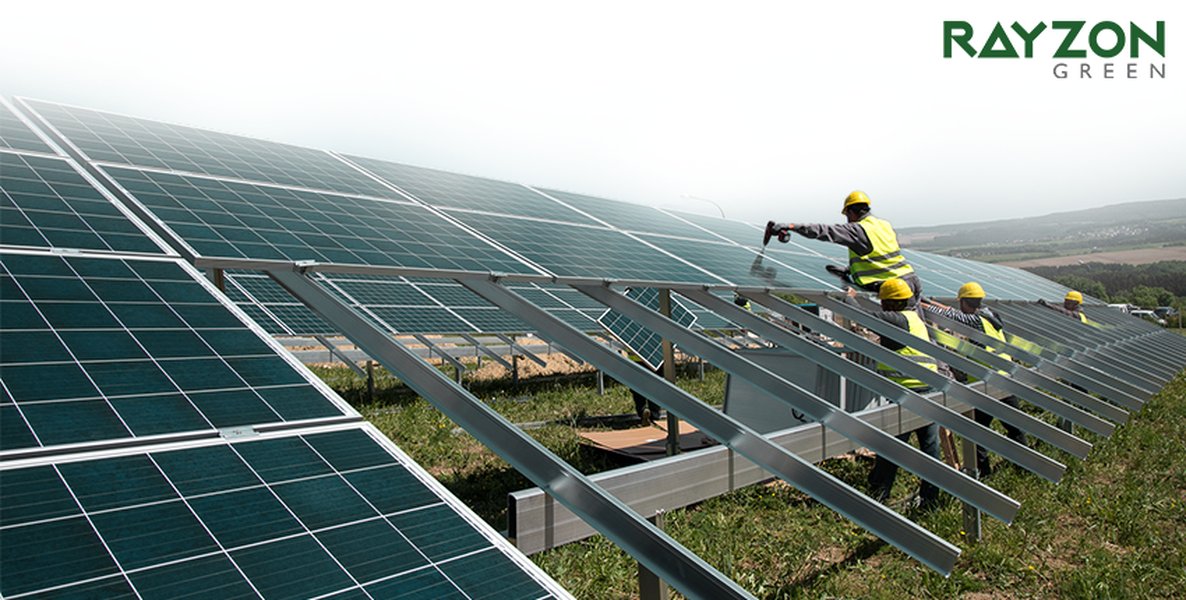
A visual representation of solar EPC activities, from design to on-site installation.
Phase 3: Procurement and Inventory Management
Efficient procurement is vital for any EPC company, and for solar, it involves managing a diverse range of specialized components. ERPNext's Buying and Stock modules play a crucial role here.
Material Sourcing and Purchase Orders
Based on the project's design and bill of materials, ERPNext facilitates the generation of material requests for solar panels, inverters, mounting structures, cables, and other electrical components. The system can be configured to automatically trigger purchase orders when stock levels fall below predefined reorder points, ensuring timely availability of materials and preventing project delays. Supplier performance can also be tracked to maintain quality standards.
Warehouse and Inventory Tracking
ERPNext allows for precise inventory management, including tagging warehouses to specific project locations. This enables real-time tracking of material movements from central stores to project sites, ensuring accurate stock levels and reducing waste. Cost tracking features assign procurement costs to individual projects, contributing to accurate profitability analysis.
Phase 4: Installation and Project Execution
This is the core construction phase where the solar system is physically assembled and commissioned. ERPNext provides tools to monitor progress and manage on-site activities.
Work Order Management and Quality Checks
Work orders can be linked directly to project tasks, allowing for detailed tracking of on-site activities, including labor and equipment usage through timesheets. Quality inspections can be scheduled at various milestones, such as after mounting structures are installed or panels are wired, to ensure compliance with design specifications and industry standards. This proactive approach helps in maintaining high-quality installations.
Progress Monitoring and Milestone Billing
ERPNext's dashboards provide real-time visibility into project progress, allowing project managers to compare actual timelines and costs against estimates. For solar EPC projects, which often involve milestone-based billing, ERPNext supports flexible invoicing methods. This means that payments can be triggered automatically upon completion of specific project stages, streamlining cash flow and revenue recognition.
Specialized Management: Net Metering, Subsidies, and Maintenance
Beyond installation, the project lifecycle extends into critical phases related to grid integration, financial incentives, and long-term system health.
Phase 5: Net Metering Application and Monitoring
Net metering is a crucial step that allows solar system owners to send excess electricity back to the grid. While ERPNext doesn't directly manage the technical aspects of utility integration, it can effectively track the associated administrative processes.
Documentation and Application Tracking
Within the project module, custom workflows can be created to track the net metering application process as a distinct milestone or set of tasks. This involves attaching all relevant documentation, such as utility application forms, interconnection agreements, and inspection reports. ERPNext can help manage approval follow-ups and ensure all regulatory compliance checks are met.
Integration with Performance Monitoring
ERPNext's Asset Management module can track key components like the net meter, including its installation date and serial number. Furthermore, ERPNext can be integrated with external IoT platforms or solar performance monitoring tools. This allows for real-time data on system performance to be linked or accessed from within the ERP, providing insights into energy generation and consumption patterns post-commissioning.
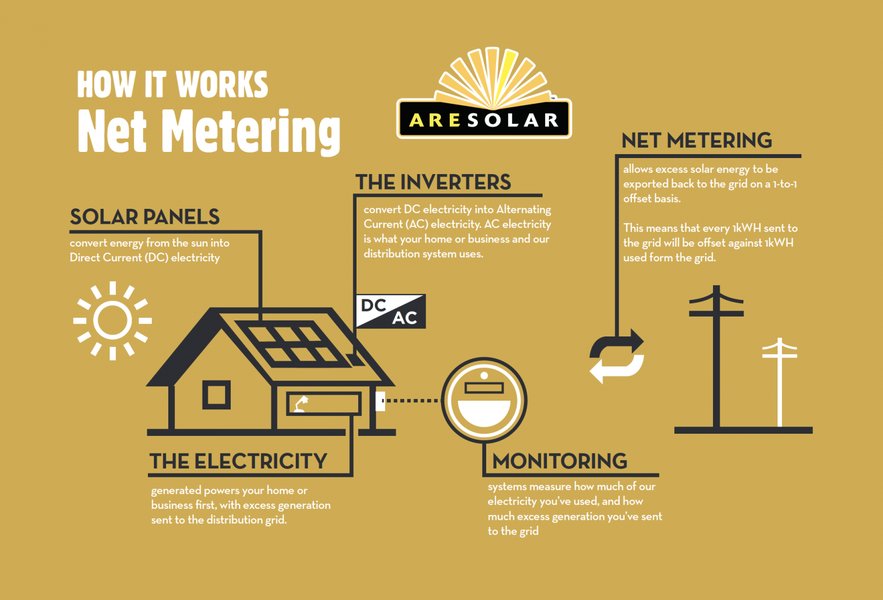
A diagram illustrating the flow of energy and credits in a net metering system.
Phase 6: Subsidy Processing and Financial Reconciliation
Governments worldwide offer various subsidies and incentives to promote solar energy adoption. ERPNext can be customized to manage the often-complex process of claiming and tracking these financial benefits.
Subsidy Tracking and Workflow Automation
Custom DocTypes or forms can be designed within ERPNext to record detailed information about each subsidy application, including eligibility criteria, scheme details (e.g., PM Surya Ghar Muft Bijli Yojana in India), submission dates, approval statuses, and expected disbursement amounts. Automated workflows can streamline the approval processes tied to subsidy documentation and government compliance.
Financial Impact Analysis
The Accounting module in ERPNext allows for linking subsidy amounts directly to projects and customer records. This ensures accurate financial reporting, including deferred revenue recognition where applicable, and provides a clear view of the subsidy's impact on overall project profitability and cash flow. This integration helps in reconciling financial transactions and audits.
Phase 7: 5-Year Free Maintenance and Asset Management
Long-term customer satisfaction and system efficiency depend heavily on effective post-installation maintenance. ERPNext's Service and Asset Management modules are crucial for managing the 5-year free maintenance contract.
Service Contracts and Maintenance Scheduling
After installation, a service contract for the 5-year free maintenance period can be initiated and linked to the project in ERPNext. The Asset Management module allows for tracking the lifecycle of high-value assets like solar panels, inverters, and batteries. Preventive maintenance schedules can be set up based on predefined intervals, automatically generating tasks for routine inspections, cleaning, and performance checks. This proactive approach helps maximize asset lifespan and efficiency.
Customer Support and Issue Resolution
ERPNext's Support module (Help Desk) enables the logging and tracking of customer inquiries and service requests as tickets. This ensures timely resolution of issues, with Service Level Agreement (SLA) management to meet contractual obligations. The system can also track spare parts inventory and maintenance costs, providing a comprehensive audit trail for all service activities. Automated reminders for contract renewals or extensions can also be configured.
This video demonstrates how to manage maintenance schedules and visits within ERPNext, directly applicable to solar EPC companies' 5-year free maintenance contracts.
Core ERPNext Modules and Their Role in Solar EPC
The successful implementation of ERPNext for a solar EPC company relies on the strategic utilization of its various modules, often with industry-specific customizations. The table below summarizes how each module contributes to the comprehensive project flow.
| EPC Process Stage | Key ERPNext Modules/Features | Primary Functions for Solar EPC |
|---|---|---|
| Sales & Lead Management | CRM, Selling | Lead tracking, quotation generation, sales order conversion, customer nurturing. |
| Project Planning & Design | Projects, Tasks, Document Management, HR (for resource allocation) | Detailed project breakdown, task assignment, design document storage, site survey management, resource scheduling. |
| Procurement & Inventory | Buying, Stock, Material Requests, Warehouse Management | Automated purchase orders, inventory tracking, reorder point management, supplier performance, cost allocation to projects. |
| Installation & Execution | Projects, Work Orders, Timesheets, Quality Inspection, Billing | On-site activity tracking, labor & equipment usage, quality checks, milestone-based invoicing, progress monitoring. |
| Net Metering | Custom Workflows/DocTypes, Asset Management, Integrations (IoT) | Tracking application status, document attachment, performance data linking, asset registration. |
| Subsidy Management | Accounting, Custom Forms/DocTypes, Workflow Automation | Application tracking, eligibility checks, financial reconciliation, compliance management, financial reporting. |
| 5-Year Free Maintenance | Subscription/Service Contracts, Asset Maintenance, Help Desk (Support Tickets) | Preventive maintenance scheduling, service request management, warranty tracking, spare parts inventory. |
Optimizing Solar EPC Operations: A Strategic Performance Overview
To further illustrate the effectiveness of ERPNext in managing solar EPC operations, consider a strategic performance overview. This radar chart provides an opinionated analysis of how ERPNext, with proper customization and implementation, can enhance various facets of a solar EPC company's performance, ranging from operational efficiency to customer satisfaction.
This chart highlights the significant performance enhancement that ERPNext can bring to a solar EPC company when effectively implemented. Areas like Project Management, Supply Chain Efficiency, and Operational Visibility show substantial improvement, demonstrating the system's capacity to transform complex operations into streamlined, data-driven processes. Financial Control, Customer Satisfaction, Compliance Management, and Asset Lifecycle Management also see considerable gains, underscoring the holistic benefits of an integrated ERP system.
The Interconnectedness of Solar EPC Processes
The various stages of a solar EPC project are not isolated; they are deeply interconnected, with information and workflows flowing from one phase to the next. A mindmap provides a visual representation of these relationships, showcasing how ERPNext acts as the central nervous system, ensuring seamless transitions and comprehensive data management.
This mindmap visually demonstrates the holistic nature of the solar EPC project. Each main branch represents a critical phase, further broken down into specific activities. The central "Solar EPC Project Flow with ERPNext" node signifies how ERPNext integrates and manages all these interconnected processes, ensuring that data flows smoothly across departments and stages, from the initial client engagement to long-term post-installation support.
Frequently Asked Questions
What is ERPNext's primary benefit for a solar EPC company?
Can ERPNext handle solar-specific customizations like panel types or system capacity?
How does ERPNext support net metering processes?
Is it possible to manage government subsidies within ERPNext?
How does ERPNext facilitate the 5-year free maintenance contract?
Conclusion
ERPNext stands as a powerful and adaptable solution for solar EPC companies seeking to streamline their complex operations. By offering integrated modules for sales, project management, procurement, finance, asset management, and customer service, it provides a unified platform to manage the entire project flow from the initial client engagement to long-term post-installation maintenance. Its open-source nature further allows for deep customization, enabling solar businesses to tailor the system precisely to their unique needs, including specific workflows for net metering and subsidy management. The successful implementation of ERPNext leads to enhanced operational efficiency, improved financial control, greater data accuracy, and ultimately, increased customer satisfaction, positioning solar EPC companies for sustainable growth in the renewable energy sector.
Recommended Further Exploration
- How to customize ERPNext for renewable energy projects?
- What are the benefits of an integrated ERP for solar supply chain management?
- What are ERPNext best practices for managing project-based billing in EPC?
- How to implement asset lifecycle management in ERPNext for solar installations?