
The Application And Effectiveness of Electrostatic Precipitation Technology in Medical Air Purification Systems
Enhancing healthcare air quality with advanced ESP solutions
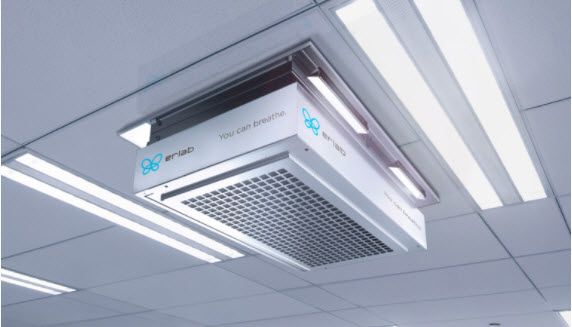
Key Insights
- High Efficiency Particle Removal: ESP systems can remove up to 99% of fine particles, including bacteria, viruses, and airborne contaminants.
- Diverse Medical Applications: Proven use in surgical smoke elimination, air sterilization in isolation units, and bacterial/fungal removal.
- Operational Advantages: Low pressure drop, energy efficiency, and design versatility make ESPs a cost-effective alternative to traditional filtration systems.
Introduction
In modern healthcare environments, ensuring optimal indoor air quality is crucial for patient safety, surgical success, and overall public health. Electrostatic precipitation (ESP) technology has emerged as a significant advance in medical air purification systems due to its ability to capture and, in some cases, inactivate airborne contaminants. This article offers an in-depth review of the application and effectiveness of ESP technology in medical air purification, elucidating its working principles, key benefits, and challenges.
Fundamentals of Electrostatic Precipitation Technology
Working Mechanism
ESP technology operates through a well-defined two-stage process:
1. The Charging Stage
Airborne particles, including dust, smoke, bacteria, and viruses, are forced to acquire an electrical charge by passing them near ionizer wires. These wires provide a source of ions that attach to particles, preparing them for effective collection.
2. The Collection Stage
Once charged, the particles travel through an electric field where they are attracted to collection plates with an opposite charge. The captured particles adhere to these plates, removing harmful contaminants from the airflow while allowing purified air to circulate.
Medical Applications of ESP Technology
Surgical Smoke Clearance
One of the most critical applications of ESP technology in the medical field is in the elimination of surgical smoke generated during procedures such as laparoscopy. Surgical smoke is a complex aerosol that contains potentially hazardous substances including viable cellular material and chemical toxins. By applying ESP, surgical suites can maintain a cleaner environment and reduce the risk of inhaling toxic compounds, which is vital both for patient safety and the health of operating room staff.
Air Sterilization in Isolation Units and Operating Rooms
ESP devices are increasingly being incorporated in portable medical isolation units and operating theaters. In these settings, rapid and efficient removal of bioaerosols, such as bacteria, viruses, and fungal spores, is essential. ESP systems charge and capture fine particulates with high efficiency—removing up to 99% of pathogens—thus contributing to the reduction of nosocomial infections and maintaining sterile conditions.
Bacterial and Fungal Particle Removal
The pervasive effectiveness of ESPs extends to the removal of airborne bacteria and fungi. In various clinical settings, devices equipped with ESP technology have been used to continuously monitor and capture biological particles. This is particularly beneficial in environments that demand a high degree of air purity, such as neonatal intensive care units and surgical recovery rooms.
Enhanced Pathogen Inactivation
Beyond mere physical separation of contaminants, advances in ESP design have allowed for the integration of photocatalytic elements. These enhancements not only trap pathogens but also inactivate them, ensuring that captured microorganisms are rendered harmless. Such dual functionality is instrumental in promoting healthcare safety during outbreaks of airborne diseases.
Effectiveness and Operational Benefits
Efficiency in Contaminant Removal
Numerous studies have demonstrated that ESP systems can achieve remarkably high levels of particulate removal, often reaching up to 99% efficiency. This makes ESP a leading technology in scenarios where controlling micro-scale particles is essential. With the ability to capture particles as small as 0.01 microns, these systems are especially critical in preventing the spread of airborne pathogens, including bacteria and viruses.
Operational and Energy Efficiency
Compared to conventional HEPA filters, ESP systems offer the advantages of a lower pressure drop. This means the systems can maintain optimal airflow without necessitating high-energy consumption, an important consideration in large hospital environments. Furthermore, the absence of frequent filter replacements in ESP systems reduces ongoing maintenance costs, making them a cost-effective option over traditional methods.
Versatility and Adaptability
The design flexibility of ESP technology allows it to be applied in various scales—ranging from large centralized air purification systems in hospitals to smaller, localized units in medical isolation rooms. Their capability to function without traditional media filters and the ease with which they integrate with existing ventilation systems enhances their applicability across diverse medical environments.
Table: Comparative Overview of ESP and Conventional Filtration Systems
| Feature | Electrostatic Precipitation (ESP) | Conventional HEPA Filters |
|---|---|---|
| Particle Removal Efficiency | Up to 99%, effective for particles as small as 0.01 μm | High, but may require multiple stages for comparable performance |
| Maintenance Requirements | Periodic cleaning of collection plates | Frequent filter replacement and disposal |
| Pressure Drop | Low, improves energy efficiency | Higher, which can increase energy consumption |
| Cost-effectiveness | Operational cost benefits due to lower energy and maintenance needs | Higher costs due to frequent filter changes |
Challenges and Considerations
Ozone Production
A notable challenge associated with ESP systems is the potential generation of ozone as a byproduct. Ozone is a reactive gas that, at high concentrations, can be harmful to both patients and healthcare workers. Consequently, it is essential that ESP devices used in medical settings are designed with technologies that minimize ozone output. Strict regulatory guidelines and continuous air quality monitoring are therefore necessary to ensure that ozone levels remain within safe limits.
Maintenance and Operational Costs
While ESP technology offers cost efficiency in terms of energy savings and filter replacements, regular maintenance is required to keep the system operating at its peak performance. Collection plates accumulate particulate matter over time and need to be cleaned systematically. If maintenance protocols are not rigorously followed, the efficiency of the system can decline, potentially reducing its overall effectiveness in a clinical setting.
Design Variability and Adaptation
Implementation of ESP systems in medical facilities must be carefully planned to address specific environmental and operational constraints. Variability in design—such as the method of electrostatic charging and the effective capture area—can lead to differences in performance. Thus, when adopting ESP technology, it is crucial to match the system design with the specific needs of the healthcare environment in question.
User Considerations
Although ESP systems are beneficial, they might not be ideal for all users. Individuals with severe allergies or respiratory conditions may be sensitive, especially if the system does not fully capture all ultrafine particles. Therefore, healthcare facilities must evaluate the specific requirements of their patient population before fully integrating ESP technology into their air purification protocols.
Future Directions and Innovations
Integration with Photocatalysis
A promising advancement in ESP technology involves the integration of photocatalytic materials. By combining the particle-capturing ability of ESP with photocatalytic inactivation of pathogens, these hybrid systems offer enhanced air cleansing capabilities. Photocatalysts, when activated by UV or visible light, can lead to the breakdown of organic compounds and neutralize pathogens, providing an extra layer of protection in environments with high infection risks.
Smart Monitoring and Control
Future ESP systems are expected to incorporate smart monitoring sensors and automated control systems. These innovations will allow real-time tracking of particulate concentration and provide immediate feedback to facility management. Such data-driven approaches will not only improve the operational efficiency of the systems but also ensure compliance with stringent air quality standards in hospitals and clinics.
Sustainability and Energy Conservation
As healthcare facilities strive for greener operations, the energy efficiency of ESP systems presents a significant advantage over traditional air filtration technologies. With low pressure drops and reduced need for filter replacements, ESP solutions contribute to lower operational energy costs and a smaller environmental footprint. Continued research into optimizing energy consumption and enhancing material sustainability will likely drive the next generation of ESP designs.
Conclusion
Electrostatic precipitation technology marks a significant leap forward in medical air purification systems. Its capability to capture and, with recent innovations, inactivate airborne pathogens positions it as a critical asset in the fight against hospital-acquired infections and airborne disease transmission. The integration of ESP into surgical environments, isolation units, and various clinical settings has been shown to drastically improve air quality by removing particulate matter, including bacteria, viruses, and fungal spores.
Despite challenges such as potential ozone production and the need for thorough maintenance, the operational benefits of ESP systems—including low pressure drop, high efficiency, adaptability, and cost-effectiveness—make them a compelling alternative or complement to conventional HEPA filtration systems. Looking ahead, continued advancements such as the integration of photocatalytic components, smart monitoring, and sustainability improvements are poised to further enhance the performance of ESP technology in the healthcare sector.
In summary, the application of electrostatic precipitation in medical air purification systems not only fulfills the immediate needs of air decontamination in high-risk areas but also provides a versatile, energy-efficient, and cost-effective solution for long-term environmental control in complex healthcare infrastructures.
References
-
Article on ESP effectiveness in medical environments - PMC
- SBIR Award Details - SBIR
-
Study on Surgical Smoke Removal using ESP - PMC
- Introductory Guide to ESP - Neundorfer
- Electrostatic Precipitator Filter Overview - Air Purifier Master
Recommended Further Exploration
Last updated February 26, 2025