
Essential Catalan Phrases for Your Barcelona Trip
Master the Basics to Communicate Confidently with Locals
Key Takeaways
- Learning basic Catalan phrases enhances your travel experience and shows respect for local culture.
- Essential phrases cover greetings, polite expressions, directions, and common requests.
- Practicing pronunciation and understanding context can significantly improve your interactions.
Introduction to Catalan in Barcelona
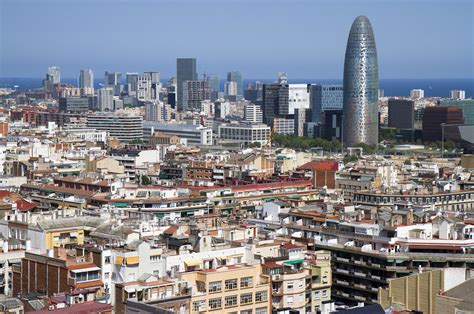
Barcelona, the vibrant capital of Catalonia, is a city where the Catalan language plays a central role in daily interactions. While Spanish and English are also widely spoken, using Catalan phrases can greatly enhance your connection with locals, demonstrating cultural appreciation and fostering more meaningful exchanges. This guide provides the absolute basics for conversations with locals, ensuring you navigate the city with confidence and respect.
Basic Greetings and Polite Expressions
Common Greetings
Starting conversations with appropriate greetings sets a positive tone. Here are essential greetings in Catalan:
| Catalan Phrase | German Translation |
|---|---|
| Hola | Hallo |
| Bon dia | Guten Morgen |
| Bona tarda | Guten Tag / Guten Nachmittag |
| Bona nit | Guten Abend / Gute Nacht |
| Adéu | Auf Wiedersehen |
| Fins aviat | Bis bald |
Polite Expressions
Using polite expressions can make your interactions more pleasant and show respect:
| Catalan Phrase | German Translation |
|---|---|
| Si us plau | Bitte |
| Gràcies | Danke |
| Moltes gràcies | Vielen Dank |
| De res | Gern geschehen / Bitte schön |
| Perdó / Disculpi | Entschuldigung |
| Ho sento | Es tut mir leid |
Essential Conversational Phrases
Common Questions and Responses
These phrases will help you engage in basic conversations and understand responses:
| Catalan Phrase | German Translation |
|---|---|
| Com estàs? | Wie geht es dir? |
| Estic bé | Mir geht’s gut |
| Molt bé, gràcies | Sehr gut, danke |
| No entenc | Ich verstehe nicht |
| Pots repetir? | Kannst du das wiederholen? |
| Parles anglès? | Sprichst du Englisch? |
| Encantat/Encantada | Angenehm (männlich/weiblich) |
| Salut! | Prost! |
Directions and Locations
Finding your way around the city becomes easier with these phrases:
| Catalan Phrase | German Translation |
|---|---|
| On és el bany? | Wo ist die Toilette? |
| On és l’estació? | Wo ist der Bahnhof? |
| On és el lavabo? | Wo ist die Toilette? |
| On és...? | Wo ist...? |
| Adreça | Adresse |
| Quina és la millor ruta per a...? | Was ist die beste Route zu...? |
Shopping and Dining
Enhance your shopping and dining experiences with these useful phrases:
| Catalan Phrase | German Translation |
|---|---|
| Quant costa? | Wie viel kostet das? |
| Vull un cafè | Ich möchte einen Kaffee |
| Una taula per a dos, si us plau | Ein Tisch für zwei, bitte |
| El compte, si us plau | Die Rechnung, bitte |
| Quin menjar recomana? | Welche Speise empfehlen Sie? |
| Vull pagar amb targeta | Ich möchte mit Karte bezahlen |
Transportation and Travel
Using Public Transport
Navigate Barcelona’s transportation system with ease using these phrases:
| Catalan Phrase | German Translation |
|---|---|
| On és l’estació de metro més propera? | Wo ist die nächste U-Bahn-Station? |
| Un bitllet per a... | Ein Ticket nach... |
| Quin tren va per a...? | Welcher Zug fährt nach...? |
| On és la parada de bus? | Wo ist die Bushaltestelle? |
| Quina és la ruta de tram més propera? | Welche Straßenbahnlinie ist die nächste? |
| Quant de temps triga el viatge? | Wie lange dauert die Fahrt? |
Renting Vehicles
If you plan to rent a car or bicycle, these phrases will be useful:
| Catalan Phrase | German Translation |
|---|---|
| Vull llogar un cotxe | Ich möchte ein Auto mieten |
| Quin tipus de vehicle teniu disponible? | Welche Fahrzeugtypen haben Sie verfügbar? |
| Hi ha bicicletes disponibles per lloguer? | Gibt es Fahrräder zu mieten? |
| Per quant de temps? | Für wie lange? |
| Quin és el preu del lloguer? | Was ist der Mietpreis? |
| Necessito un GPS | Ich benötige ein GPS |
Emergency and Assistance
Seeking Help
In case of emergencies or when you need assistance, these phrases are crucial:
| Catalan Phrase | German Translation |
|---|---|
| Ajuda’m, si us plau! | Hilfe, bitte! |
| Truca una ambulància! | Ruf einen Krankenwagen! |
| Necessito parlar amb la policia | Ich muss mit der Polizei sprechen |
| On és el centre mèdic més proper? | Wo ist das nächste medizinische Zentrum? |
| He perdut el meu passaport | Ich habe meinen Pass verloren |
| Hi ha alguna farmàcia a prop? | Gibt es eine Apotheke in der Nähe? |
Medical Phrases
Communicating your health needs effectively can make a significant difference:
| Catalan Phrase | German Translation |
|---|---|
| Tinc dolor | Ich habe Schmerzen |
| On està el més proper hospital? | Wo ist das nächste Krankenhaus? |
| Necessito una consulta amb un metge | Ich benötige einen Termin beim Arzt |
| Sóc al·lèrgic a... | Ich bin allergisch gegen... |
| He tingut un accident | Ich hatte einen Unfall |
Cultural Nuances and Etiquette
Respectful Communication
Understanding and respecting local customs can enhance your interactions:
- Acknowledge greetings: Always greet with "Hola" or "Bon dia" before initiating conversation.
- Use formal language when appropriate: In professional settings or with strangers, using "Si us plau" and "Gràcies" is essential.
- Body language matters: Maintain eye contact and offer a friendly demeanor.
- Respect personal space: Catalans value their personal space, so approach interactions with politeness.
Common Cultural Practices
Familiarize yourself with local cultural practices to better integrate:
- Meal times: Lunch is typically around 1-3 PM, and dinner starts around 9 PM.
- Siesta: Some businesses may close in the afternoon for a siesta.
- Festivals: Barcelona hosts numerous festivals; being aware of these can enrich your experience.
- Language preference: While many speak Spanish, using Catalan is appreciated and often preferred.
Practice Makes Perfect
Pronunciation Tips
Proper pronunciation can enhance understanding and show your effort to learn the language:
- Vowels: Catalan vowels are generally pronounced clearly and distinctly.
- Consonants: Pay attention to trilled "r" sounds and the soft "g" as in "gràcies."
- Accent marks: These indicate stress and can change the meaning of words if mispronounced.
- Listen and repeat: Utilize language apps or recordings to mimic native pronunciation.
Learning Resources
Continue building your Catalan skills with these resources:
-
Language Apps: Duolingo, Babbel, and Memrise offer Catalan courses.
-
Phrasebooks: Carry a physical or digital phrasebook for quick reference.
-
Language Exchange: Engage with locals or fellow learners through language exchange meetups.
-
Online Tutorials: Websites like Preply and ielanguages.com provide structured learning materials.
Conclusion
Embarking on a trip to Barcelona offers a wonderful opportunity to immerse yourself in the rich Catalan culture. By mastering these essential phrases, you not only facilitate smoother communication but also demonstrate respect and appreciation for the local community. Remember, even a few well-practiced words can significantly enhance your travel experience, making your interactions more meaningful and your journey more memorable.
References
Last updated January 17, 2025