
Unlock Your Leadership Potential: Proven Strategies for Impactful Guidance
Elevate your leadership capabilities with actionable insights and techniques, current as of May 9, 2025.
Becoming a more effective leader is a continuous journey of self-improvement, skill development, and fostering strong connections with your team. In today's dynamic environment, leadership demands adaptability, empathy, and a clear vision. This guide synthesizes expert advice to provide you with practical tips to enhance your leadership prowess.
Key Highlights for Aspiring Leaders
- Cultivate Emotional Intelligence (EQ): Understanding and managing your emotions, and empathizing with others, is paramount for building trust and navigating complex team dynamics.
- Master Clear and Empathetic Communication: Articulate your vision effectively, listen actively to your team, and foster an environment of open dialogue and transparency.
- Champion Continuous Growth and Adaptability: Embrace a lifelong learning mindset, seek feedback regularly, and be agile in responding to the ever-evolving challenges of the modern workplace.
Core Pillars of Effective Leadership
Transformational leadership is built upon several interconnected pillars. By focusing on these areas, you can significantly enhance your ability to inspire, guide, and support your team towards achieving collective success.
1. Developing Self-Awareness and Personal Qualities
The foundation of strong leadership lies within. Understanding yourself is the first step to understanding how to lead others effectively.
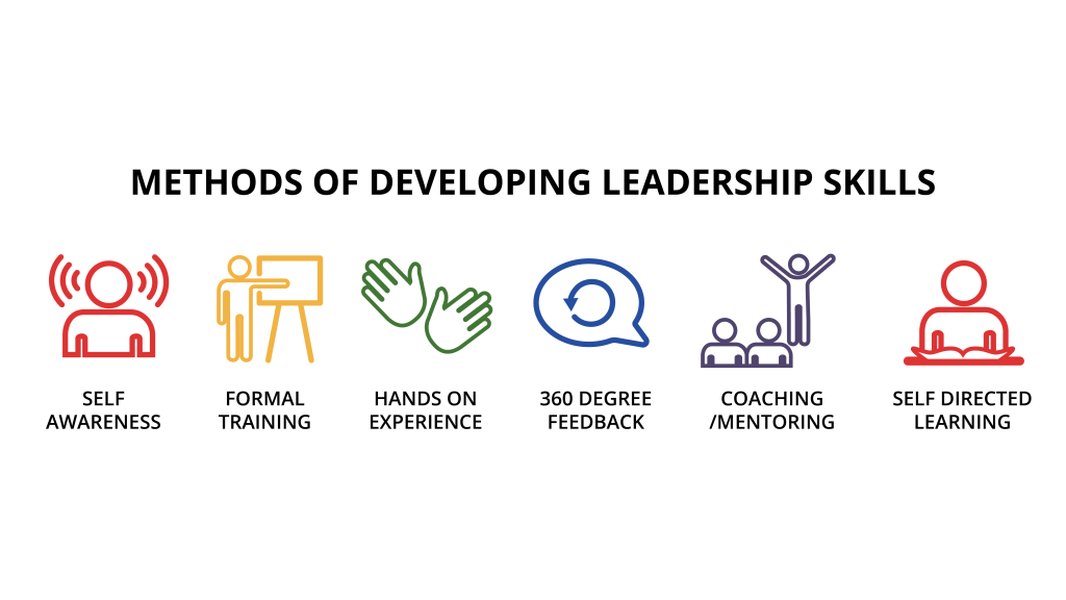
Visualizing the components of leadership skill development.
Embrace Emotional Intelligence (EQ)
Emotional intelligence is consistently cited as a critical skill for leaders. It encompasses self-awareness (understanding your own emotions, strengths, and weaknesses), self-management (regulating your emotions and behaviors), social awareness (empathizing with others and understanding organizational dynamics), and relationship management (influencing, inspiring, and developing others, and managing conflict). High EQ enables leaders to build stronger relationships, resolve conflicts constructively, and create a supportive and motivating work environment.
Cultivate a Growth Mindset and Practice Continuous Learning
Effective leaders are committed to lifelong learning. Embrace challenges, view failures as opportunities for growth, and actively seek out new knowledge and skills. This includes "meta-learning"—thinking about how you learn and improving that process. Stay informed about leadership trends, industry developments, and new technologies. Regular self-reflection on your experiences, strengths, and areas for improvement is crucial.
Lead with Integrity and Authenticity
Integrity is the bedrock of trust. Act in alignment with your values, be honest and transparent in your dealings, and hold yourself accountable. Authentic leaders are genuine and true to themselves, which fosters respect and credibility. Don't prioritize popularity over making difficult but necessary decisions that uphold ethical standards.
Prioritize Rest and Renewal
Leadership can be demanding. To maintain energy, focus, and avoid burnout, it's essential to integrate structured rest and renewal into your routine. This ensures you can consistently perform at your best and make sound decisions.
2. Mastering Communication and Building Connections
The ability to communicate effectively and build strong relationships is central to inspiring and guiding a team.
Enhance Communication Skills
Clear, constructive, and consistent communication is fundamental. This means articulating your vision, goals, and expectations in a way that is easily understood. It also involves active listening—genuinely hearing and understanding the perspectives of your team members. Promote two-way communication, encouraging open dialogue, feedback, and brainstorming. Transparency in communication can accelerate innovation and ensure everyone is aligned.
Build and Nurture Relationships
Leadership is about people. Invest time in getting to know your team members, understanding their motivations, strengths, and challenges. Show that you value and support them by being accessible, approachable, and providing mentorship. Strong relational connections foster trust, collaboration, and a positive team culture.
Foster a Culture of Trust and Collaboration
Create an environment where team members feel psychologically safe to express ideas, voice concerns, and take risks. Trust is the foundation of high-performing teams. Encourage collaboration and teamwork, breaking down silos and promoting a sense of shared purpose. Team chemistry and positive group dynamics are essential for synergy.
3. Empowering Your Team and Driving Performance
Great leaders empower their teams, fostering an environment where individuals can thrive and contribute their best work.
Provide Autonomy and Empower Your People
Trust your team members to manage their work and make decisions. Delegating meaningful tasks and responsibilities, along with the necessary authority, demonstrates confidence in their abilities. Empowerment not only builds individual confidence and skills but also drives engagement, ownership, and innovation.
Delegate Effectively
Effective delegation involves more than just assigning tasks. It requires clearly defining expectations, providing necessary resources and support, and trusting your team to deliver. Consider the level of trust in your delegation process and ensure appropriate follow-up without micromanaging.
Recognize and Reward Contributions
Acknowledging and appreciating the efforts and accomplishments of your team members is a powerful motivator. Offer meaningful recognition and rewards that make individuals feel valued and happy. This boosts morale, reinforces desired behaviors, and contributes to a positive work environment.
Maintain High Standards
Set clear expectations for quality and performance, and model these standards yourself. Provide your team with the tools, training, and support they need to meet these standards. This fosters a culture of excellence and accountability.
4. Strategic Vision and Adaptable Leadership
Navigating the complexities of the modern world requires a clear vision, strategic thinking, and the ability to adapt to change.
Set Clear Goals and Articulate a Shared Vision
Define clear, measurable, achievable, relevant, and time-bound (SMART) goals for your team. Communicate a compelling shared vision that inspires and aligns team members, providing them with a sense of purpose and direction. Ensure everyone understands how their individual contributions connect to the broader organizational objectives.
Develop Strategic and Critical Thinking Skills
Look beyond day-to-day tasks and engage in critical thinking about the bigger picture. Analyze trends, anticipate challenges, and identify opportunities. Strategic leadership involves making informed decisions that position the team and organization for long-term success.
Cultivate Agility and Adaptability
The business landscape is constantly evolving due to technological advancements, market shifts, and global events. Leaders must be agile and adaptable, able to navigate uncertainty and guide their teams through change effectively. This includes being open to new ideas and approaches.
Foster Innovation and Experimentation
Encourage a culture where innovation and experimentation are valued. Support your team in exploring new ideas, taking calculated risks, and learning from both successes and failures. This drives continuous improvement and helps the organization stay competitive.
Develop Digital Fluency
In an increasingly digital world, leaders need to be comfortable with technology and understand how digital tools can enhance efficiency, communication, and innovation. Staying abreast of relevant technological advancements is key.
Visualizing Leadership Competencies
The following radar chart illustrates a hypothetical comparison of key leadership competencies across different stages of leadership development. It highlights areas of strength and potential growth, emphasizing that leadership is a multifaceted skill set. An 'Exceptional Leader' demonstrates high proficiency across all these interconnected domains, from emotional intelligence and strategic thinking to communication and team empowerment.
Mapping the Pathways to Enhanced Leadership
This mindmap outlines the interconnected pathways crucial for developing into a more effective leader. It highlights four core domains: Self-Development, Team Engagement & Empowerment, Strategic Execution & Vision, and Communication & Influence. Each branch delves into specific actions and qualities that contribute to holistic leadership growth, demonstrating that becoming a better leader is a multifaceted endeavor requiring attention to personal attributes, interpersonal skills, strategic acumen, and communicative prowess.
Actionable Strategies for Leadership Development: A Summary
To consolidate these insights, the table below outlines key leadership aspects, corresponding actions or behaviors, and the reasons why they are crucial for effective leadership. Focusing on these areas can provide a structured approach to your leadership development journey.
| Leadership Aspect | Key Actions & Behaviors | Why It Matters |
|---|---|---|
| Emotional Intelligence (EQ) | Practice self-awareness, manage own emotions, empathize with others, build strong relationships. | Fosters trust, resolves conflict effectively, motivates team members, creates positive environment. |
| Communication | Be clear, direct, transparent; practice active listening; provide constructive feedback; share information openly. | Ensures alignment, builds trust, reduces misunderstandings, facilitates informed decisions. |
| Vision & Goal Setting | Articulate a compelling and shared vision, set SMART (Specific, Measurable, Achievable, Relevant, Time-bound) goals, align team efforts. | Provides clear direction, motivates team, enables progress tracking, fosters sense of purpose. |
| Empowerment & Delegation | Trust team members, delegate meaningful tasks and appropriate authority, provide autonomy, support growth. | Builds confidence, fosters individual development, drives innovation and engagement, increases efficiency. |
| Continuous Learning & Adaptability | Embrace a growth mindset, actively seek feedback, stay updated on trends, be flexible in approach, learn from failures. | Navigates change successfully, improves decision-making, keeps skills relevant, fosters resilience. |
| Integrity & Accountability | Act ethically and consistently, lead by example, be honest and transparent, take responsibility for actions and decisions. | Builds credibility and respect, fosters an ethical culture, ensures fairness and trust. |
| Relationship Building | Invest time in knowing your team, be accessible and approachable, provide support and mentorship, foster inclusivity. | Enhances collaboration and teamwork, boosts morale, improves employee retention and loyalty. |
| Recognition & Appreciation | Acknowledge efforts and achievements regularly, provide meaningful and fair rewards, celebrate successes. | Motivates individuals, makes team members feel valued, reinforces positive behaviors, boosts productivity. |
Insights from a Leadership Expert
Developing key interpersonal skills is crucial for effective leadership. The following video featuring Simon Sinek offers valuable perspectives on improving leadership abilities, focusing on empathy, conflict resolution, active listening, and navigating challenging conversations. These are foundational elements that underpin many of the strategies discussed for becoming a better leader.
Simon Sinek discusses essential skills for improving leadership.
Sinek's emphasis on empathy aligns with the critical role of emotional intelligence in modern leadership. The ability to understand and share the feelings of others allows leaders to connect with their team on a deeper level, fostering loyalty and open communication. Furthermore, his points on conflict resolution and difficult conversations highlight the leader's role in navigating challenges constructively, turning potential disruptions into opportunities for growth and understanding. Active listening, another key theme, is the cornerstone of effective communication, enabling leaders to truly grasp the needs and concerns of their team members, leading to more informed decisions and a more inclusive environment.
Frequently Asked Questions (FAQ)
How can I measure my leadership improvement?
Measuring leadership improvement can be done through several methods:
- 360-Degree Feedback: Collect anonymous feedback from peers, direct reports, and supervisors to get a holistic view of your leadership behaviors and impact.
- Team Performance Metrics: Track key performance indicators (KPIs) relevant to your team, such as productivity, project success rates, employee engagement scores, and retention rates. Improvements in these areas can reflect enhanced leadership.
- Self-Assessment: Regularly assess yourself against specific leadership competencies or goals you've set. Use leadership assessment tools or frameworks.
- Observational Changes: Note positive changes in team dynamics, communication patterns, morale, and the quality of feedback you receive from your team.
- Goal Achievement: Evaluate your success in achieving specific leadership development goals you've set for yourself.
What's the single most important leadership skill for the future?
While leadership effectiveness relies on a blend of skills, Emotional Intelligence (EQ) and Adaptability are consistently highlighted as paramount for future success. EQ enables leaders to navigate complex interpersonal dynamics, foster inclusive environments, and lead with empathy. Adaptability allows leaders to respond effectively to rapid changes, embrace new technologies, and guide teams through uncertainty. Both are crucial in the evolving landscape of work.
Can introverts be effective leaders?
Absolutely. Introversion and extroversion are personality traits, not determinants of leadership capability. Introverts often possess strengths that are highly valuable in leadership roles, such as:
- Strong Listening Skills: They tend to listen more than they speak, allowing them to better understand team members' perspectives.
- Thoughtfulness and Deliberation: Introverts often think before they act, leading to more considered decisions.
- Calm Demeanor: They can bring a sense of calm and stability, especially during stressful times.
- Focus and Preparation: Many introverts are thorough in their preparation and can maintain deep focus.
Effective leadership is about influence, vision, empowerment, and results, not necessarily about being the loudest voice in the room.
How do I handle a team member who resists my leadership?
Handling resistance requires a thoughtful and empathetic approach:
- Seek Understanding: Schedule a private, one-on-one conversation. Approach it with curiosity, not confrontation. Try to understand the reasons behind their resistance. It could stem from misunderstanding, fear of change, differing expectations, or personal issues.
- Listen Actively: Allow them to express their concerns without interruption. Validate their feelings, even if you don't agree with their perspective.
- Clarify Expectations: Reiterate your vision, goals, and expectations for the team and their role. Ensure there are no misunderstandings about what is required.
- Find Common Ground: Look for areas of agreement and try to build from there. Involve them in solutions where appropriate.
- Provide Support: Offer support or resources if the resistance is due to a lack of skills or information.
- Set Boundaries: While empathy is important, it's also crucial to be clear about non-negotiable aspects and the importance of teamwork.
- Document and Escalate if Necessary: If the resistance persists and negatively impacts the team or performance, document specific instances and consult with HR or your manager for guidance on further steps.
Recommended Further Exploration
To deepen your understanding of leadership, consider exploring these related topics:
- How does emotional intelligence impact team productivity and morale?
- What are effective strategies for leading teams through organizational change?
- Compare different leadership styles and their effectiveness in various situations.
- How can leaders foster a culture of continuous learning and innovation within their teams?
References
This response synthesized information from various expert sources. For further reading, please consult the following:
Last updated May 9, 2025