
Unlock Worship Leadership Potential: Your Essential Training Blueprint
Discover the crucial topics needed to equip and empower your next worship leader for impactful ministry.
Training a new worship leader is a vital investment in the spiritual life of your church. It's about nurturing not just musical talent, but also a heart devoted to God and the skills to guide others into meaningful encounters with Him. This comprehensive guide outlines the essential topics needed to equip a new leader for success, blending spiritual depth with practical know-how.
Highlights: Key Pillars of Worship Leader Training
- Spiritual Foundation First: Emphasize personal devotion, theological understanding, and servant leadership as the non-negotiable core.
- Holistic Skill Development: Combine musical proficiency, technical competence, and effective communication for well-rounded leadership.
- Focus on People: Equip leaders to build strong teams, engage the congregation authentically, and navigate interpersonal dynamics with grace.
I. The Heart of Worship: Spiritual Formation and Character
Laying the Groundwork for Authentic Leadership
Before focusing on practical skills, the foundation must be secure. A worship leader's effectiveness flows directly from their personal relationship with God and their character.
Personal Devotion and Prayer Life
Instill the critical importance of a vibrant, personal connection with God. A leader cannot lead others where they haven't gone themselves. Training should cover:
- Developing consistent habits of prayer and Scripture study.
- Understanding the necessity of personal worship throughout the week, not just on Sunday.
- The practice of praying specifically for the team, the congregation, and the upcoming services.
- Modeling an authentic worship life that is contagious and inspiring.
Biblical Theology of Worship
Equip the leader with a solid understanding of what worship truly is according to Scripture.
- Exploring key biblical passages on worship (e.g., John 4:23-24, Psalms).
- Understanding that worship is primarily for God's glory and honor, regardless of personal benefit.
- Grasping the concept of worshiping "in spirit and truth."
- Differentiating between the form/style of worship and the reality of true worship occurring.
Humility and Servant Leadership
Leadership in worship ministry requires a specific posture of the heart.
- Cultivating humility, teachability, and approachability.
- Understanding the role as a facilitator, pointing people to God rather than drawing attention to oneself.
- Developing a servant's heart towards the team and the congregation.
- Building strong character and integrity as foundational trust elements.
II. The Craft of Worship: Musical and Technical Proficiency
Developing the Skills for Effective Delivery
While the heart is primary, practical skills are necessary to lead effectively and create an environment conducive to worship.

Musical proficiency and teamwork are essential for leading worship effectively.
Musical Skills Development
- Instrumental and/or vocal proficiency appropriate for the leadership role.
- Understanding basic music theory, chord structures, and progressions.
- Ear training for recognizing keys, harmonies, and correcting errors.
- Voice care, including warm-ups, exercises, and techniques for sustaining vocal health.
- Developing musical dynamics and emotional expression in performance.
Song Selection and Set List Curation
Choosing songs is a critical responsibility that requires discernment.
- Establishing filters for selecting songs (theological soundness, lyrical depth, singability).
- Building a balanced repertoire of familiar and new songs, diverse styles, and themes.
- Understanding how to pitch songs in keys suitable for congregational singing.
- Crafting worship sets with intentional flow, considering thematic links, key relationships, and tempo transitions.
- Learning effective methods for teaching new songs to the congregation.
Technical Competency
Modern worship often involves technology; basic literacy is crucial.
- Understanding microphones, sound systems, and basic mixing principles.
- Familiarity with stage setup, monitors, and managing audio feedback.
- Proficiency with worship software for planning (e.g., Planning Center Online) and presentation (e.g., ProPresenter).
- Basic knowledge of stage lighting concepts, if applicable.
- Awareness of audio-visual best practices.
III. Leading the Way: Leadership and Team Management
Building and Guiding the Worship Ministry Team
A worship leader is often a team leader. Developing leadership skills is essential for fostering a healthy and effective ministry.
Team Building and Development
- Recruiting, auditioning, and onboarding new team members.
- Identifying and nurturing the spiritual and musical gifts within the team.
- Creating a positive and supportive team culture.
- Discipling team members, encouraging their personal spiritual growth.
- Establishing clear expectations and standards for team members (commitment, preparation, attitude).
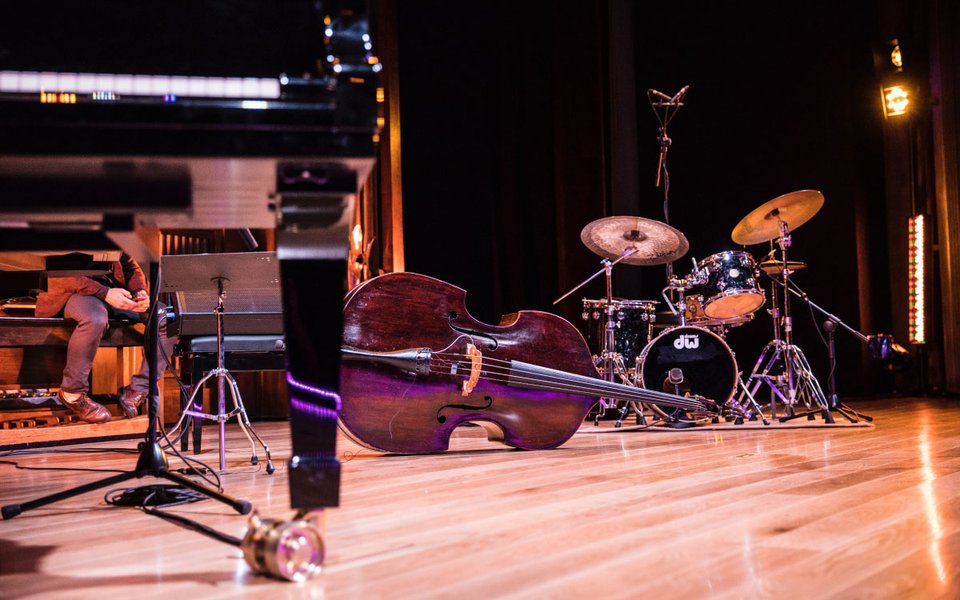
Effective rehearsals involve clear communication and collaboration.
Effective Rehearsal Management
Rehearsals are key for preparation and team cohesion.
- Planning productive rehearsals with clear goals and agendas.
- Communicating musical direction effectively (charts, arrangements, dynamics).
- Running efficient soundchecks.
- Incorporating spiritual elements like prayer or devotionals into rehearsal time.
- Providing constructive feedback in a helpful manner.
Communication and Vision Casting
- Developing clear communication skills for interacting with the team, church leadership, and the congregation.
- Articulating a compelling vision for the worship ministry that aligns with the overall church vision.
- Leading meetings effectively.
- Learning skills for constructive conflict resolution within the team.
IV. Engaging the Congregation: Practical Worship Leading
Facilitating Corporate Encounter with God
This focuses on the practical skills needed during a worship service to guide the congregation effectively.
Platform Presence and Communication
- Developing confidence and authenticity when leading from the stage.
- Learning how to speak clearly and concisely between songs (introductions, transitions, prayer prompts).
- Giving clear directions to the congregation on how to participate (e.g., standing, singing, posture).
- Managing nerves and stage fright.
- Maintaining focus on God and facilitating worship, not performing.
Leading the Worship Flow
- Executing smooth transitions between songs and service elements.
- Maintaining musical and spiritual momentum throughout the set.
- Leading songs effectively (clear cues, consistent tempo, appropriate dynamics).
- Developing sensitivity to the Holy Spirit's leading during worship ("reading the room").
- Knowing when to adhere to the plan and when to allow for spontaneous moments.
Encouraging Congregational Participation
- Techniques for engaging the congregation beyond just singing (e.g., prayer, reflection, physical expression).
- Understanding the specific culture and preferences of the congregation.
- Adapting leadership style to connect with diverse ages and backgrounds.
- Creating an environment where people feel safe and free to worship genuinely.
V. Structure and Strategy: Planning and Administration
Organizing for Sustainable Ministry
Behind-the-scenes organization is crucial for a smooth-running worship ministry.
Service Planning and Coordination
- Collaborating with pastors and other ministry leaders to plan cohesive services.
- Integrating worship sets thematically with sermons or church seasons.
- Long-term planning for song rotation and repertoire development.
Administrative Responsibilities
- Scheduling volunteers and managing the team roster (often using software).
- Organizing music libraries (charts, lyrics, recordings).
- Communicating schedules and details clearly to the team.
- Managing time effectively to balance planning, practice, and personal life.
Visualizing Worship Leader Development Areas
Relative Emphasis in Training
This chart provides a visual representation of the relative importance and focus typically given to different facets of worship leader training. While all areas are vital, the spiritual foundation underpins everything else. Practical skills and leadership abilities are built upon this base, supported by technical knowledge and administrative competence. The exact emphasis may vary based on the individual's starting point and the church's specific needs.
Training Progression Model
A Phased Approach to Development
Implementing a structured progression can help new leaders grow confidently. This table outlines a potential pathway, moving from observation to independent leadership with ongoing support.
| Phase | Focus | Key Activities | Mentorship Level |
|---|---|---|---|
| Phase 1: Observation & Foundation | Understanding the role, spiritual grounding, basic skills | Observing experienced leaders, participating in team devotionals, basic music/theology training, shadowing rehearsals | High (Direct instruction & guidance) |
| Phase 2: Participation & Skill Building | Developing specific musical/technical skills, team interaction | Playing/singing on the team, assisting with setup/teardown, leading individual songs in rehearsal, learning planning software | Moderate (Coaching & feedback) |
| Phase 3: Co-Leading & Responsibility | Leading segments of worship, rehearsal input, basic planning | Co-leading songs/sets during services, contributing ideas in planning meetings, assisting with rehearsal direction | Moderate (Supervision & delegation) |
| Phase 4: Independent Leading & Refinement | Leading full services, team communication, advanced skills | Planning and leading entire worship sets, leading rehearsals, receiving constructive feedback, ongoing development | Low (Consultation & empowerment) |
Structuring the Training Journey
A Mindmap Overview
This mindmap provides a visual summary of the core components involved in comprehensive worship leader training, branching out from the central goal into the key areas of development.
(Instrument/Vocal)"] id2b["Music Theory & Ear Training"] id2c["Song Selection & Set Building"] id2d["Vocal Health"] id2e["Sound & AV Tech Basics"] id2f["Worship Software"] id3["Leadership & Team Management"] id3a["Team Building & Recruiting"] id3b["Rehearsal Planning & Execution"] id3c["Communication Skills"] id3d["Vision Casting"] id3e["Conflict Resolution"] id3f["Discipleship & Mentoring"] id4["Practical Worship Leading"] id4a["Platform Presence"] id4b["Leading Songs & Flow"] id4c["Congregational Engagement"] id4d["Sensitivity to Holy Spirit"] id4e["Public Speaking"] id5["Planning & Administration"] id5a["Service Planning Collaboration"] id5b["Scheduling & Organization"] id5c["Music Library Management"] id5d["Time Management"] id6["Ongoing Development"] id6a["Mentorship & Feedback"] id6b["Continuous Learning
(Workshops, Conferences)"] id6c["Self-Care & Burnout Prevention"]
Insights from Experienced Leaders
Video Guidance on Worship Leadership
Hearing directly from experienced worship leaders can provide valuable perspective. This video offers foundational insights ("101") for those starting their journey in worship leadership, touching on heart posture, practical skills, and the dual role of musician and pastor often required in this ministry.
The video emphasizes the importance of understanding *why* we worship and the leader's role in facilitating that connection for others. Key themes often include the balance between musical excellence and authentic spiritual leadership, the need for preparation beyond just learning songs, and the call to shepherd the team members entrusted to the leader's care. Watching content like this can supplement formal training by providing relatable examples and encouragement.
Frequently Asked Questions (FAQ)
What is the single most important quality for a new worship leader?
While musical skill and leadership ability are important, the most crucial quality is a genuine, growing relationship with God. Authentic worship flows from a heart connected to the Father. Humility, teachability, and a servant's heart are intrinsically linked to this foundation.
How much musical skill is actually required?
The level required depends on the context and the role. Generally, a leader needs enough proficiency on their primary instrument (or voice) to lead confidently without being hindered by technical limitations. This includes playing chords accurately, keeping time, singing in tune, and being able to guide the band. Excellence is pursued, but perfection isn't the goal; facilitating worship is.
How long should worship leader training take?
There's no set timeline, as it depends on the individual's starting point, the depth of the training program, and the church's needs. Foundational training might take several months to a year, but leadership development is an ongoing process. Using a phased approach with mentorship allows leaders to grow into the role gradually.
What's the best way to teach someone how to "flow" in worship?
Teaching flow involves several elements: 1) Planning sets with logical key/thematic transitions. 2) Practicing seamless musical transitions between songs. 3) Teaching sensitivity to the moment – knowing when to extend a song, move to prayer, or transition quietly. 4) Modeling it – allowing the trainee to observe experienced leaders. 5) Providing opportunities to practice leading transitions in rehearsals and services with feedback.
Recommended Next Steps
Explore Further Insights
- How can I effectively structure a mentorship program for aspiring worship leaders?
- What common pitfalls should new worship leaders avoid during their first year?
- What specific criteria should be used for selecting theologically sound worship songs?
- What are practical techniques for making worship team rehearsals more productive and spiritually engaging?
References
Sources Used in This Guide
Last updated May 5, 2025