
Comprehensive Summary on Nongenomic Estrogen Signaling in Male Fertility
An in-depth analysis of estrogen receptor roles and male reproductive health
Key Takeaways
- Nongenomic Pathways are Crucial: Rapid estrogen signaling at the membrane level (mESR1) plays a vital role in maintaining male fertility.
- Distinct Roles of ESR1 Forms: The nuclear (nESR1) and membrane-localized (mESR1) estrogen receptors have distinct and complementary functions in the reproductive system.
- Mouse Models Provide Insights: Specialized mouse models, including nuclear-only and membrane-only ESR1 models, reveal that mESR1 can sustain fertility even in the absence of nESR1, though with some reproductive compromises.
Introduction
Estrogen, historically characterized as a female sex hormone, has emerged as a significant contributor to male reproductive physiology. The article "Role for Nongenomic Estrogen Signaling in Male Fertility" offers an expansive investigation into the roles of estrogen receptors in the male reproductive tract. Specifically, it distinguishes between the conventional nuclear estrogen receptor 1 (nESR1) and the membrane-localized estrogen receptor 1 (mESR1), placing considerable emphasis on the latter's contribution via nongenomic signaling pathways.
This comprehensive summary integrates findings from recent experimental studies that employ genetically modified mouse models to delineate the functions of nESR1 and mESR1. Using knockout techniques and unique genetic constructs, researchers have uncovered the necessity of mESR1-mediated signaling for normal reproductive tract physiology and sperm function. By comparing different mouse models, including Esr1 knockout (Esr1KO), nuclear-only ESR1 mice, and membrane-only ESR1 mice (H2NES), the study outlines how the absence of either receptor impacts male fertility.
Background and Rationale
Estrogen in Male Physiology
Traditionally viewed as prominent in female reproductive biology, estrogen also plays a pivotal role in males, contributing to the modulation of the reproductive tract. Beyond its classical genomic effects — involving gene transcription changes regulated by nESR1 — estrogen exerts rapid, non-genomic effects through receptors localized at the cell membrane. These rapid signaling events are mediated by mESR1, which activates various intracellular pathways critical for sperm function, testicular integrity, and overall reproductive health.
Nongenomic Versus Genomic Signaling
Genomic estrogen signaling involves the hormone crossing the cell membrane, binding to nuclear receptors, and modulating gene expression. In contrast, nongenomic signaling occurs at the cell membrane, leading to the activation of signaling cascades such as MAPK, PI3K, and other kinases. These cascades are involved in acute cellular responses, like altering ion fluxes and modulating intracellular second messengers, and can rapidly influence sperm motility and capacitation. The study sets out to determine how these rapid, non-genomic effects contribute functionally to male reproduction.
Methodological Approaches
Utilization of Mouse Models
A cornerstone of this investigation is the creation and analysis of specialized mouse models to delineate the roles of genomic and nongenomic estrogen signaling. The study utilizes:
- Esr1 Knockout (Esr1KO) Mice: These animals are completely deficient in estrogen receptor 1 and, as such, display a full spectrum of reproductive tract abnormalities. They serve as a control for understanding the cumulative importance of estrogen signaling.
- Nuclear-Only ESR1 Mice: These mice express solely the nuclear form of the estrogen receptor (nESR1) and lack the membrane component (mESR1). Their progressive infertility highlights the insufficiency of nuclear signaling alone in maintaining reproductive integrity.
- Membrane-Only ESR1 Mice (H2NES): In these mice, only mESR1 is present, while nESR1 is absent. H2NES males, despite expressing only the membrane receptor, remain fertile, though some aspects of reproductive efficiency such as litter size and aspects of sperm parameters are compromised.
Assessment of Reproductive Indicators
The researchers employed a suite of assessments to examine the impact of the differing estrogen receptor profiles on male reproductive physiology. These assessments included:
- Sperm Analysis: Investigation of sperm motility and morphology provided critical insights. Both Esr1KO and nuclear-only mice exhibited compromised sperm motility and increased abnormal forms, indicating that mESR1 is significant in ensuring normal sperm parameters.
- Reproductive Tract Morphology: Detailed examinations of testicular structure, rete testis organization, efferent ductules, and epididymal health revealed marked abnormalities, notably in Esr1KO and nuclear-only mice compared to membrane-only mice.
- Gene Expression Studies: Analysis of gene expression profiles, particularly those related to fluid transport and ion channel activities, further underscored the role of mESR1 in mitigating detrimental changes that occur with the loss of nESR1.
Key Findings and Discussion
Findings on Esr1 Knockout and Nuclear-Only Models
Complete ablation of ESR1 in Esr1KO mice resulted in pronounced infertile phenotypes. These mice exhibited severe structural abnormalities within the reproductive tract, notably affecting the testis, rete testis, and efferent ductules. The study indicates that estrogen signaling, particularly through mESR1, is critical to maintaining the microarchitecture and function of these structures.
In contrast, mice engineered to express only the nuclear receptor (nESR1) similarly developed progressive infertility. Despite the presence of genomic estrogen signaling pathways, the absence of rapid nongenomic actions via mESR1 led to significant reproductive failures. The similarity of abnormalities between the Esr1KO animals and the nuclear-only mice highlights that genomic actions are insufficient to fully support male fertility.
Insights from Membrane-Only ESR1 (H2NES) Mice
Perhaps the most illuminating aspect of the study comes from observations on the H2NES mice, which maintain mESR1 expression while lacking nESR1. These mice were capable of producing offspring, albeit with reduced litter sizes—a testament to the compensatory role of mESR1. The membrane receptor appears to be predominantly responsible for facilitating critical signaling cascades that preserve normal sperm motility and morphology.
The research analysts noted that although some sperm parameters and reproductive tract measures were not entirely optimal in H2NES mice compared to wild-type counterparts, the degree of abnormality was significantly less than in animals completely devoid of mESR1. This suggests that membrane-initiated estrogen signaling can compensate, to a practical extent, for the absence of nuclear signaling in supporting reproductive functionality.
Mechanistic Interpretations
The rapid nongenomic signaling mediated by mESR1 involves activation of intracellular pathways such as MAPK and PI3K. Such pathways regulate acute cellular events:
- Sperm Capacitation and Motility: The activation of these kinase pathways influences the maturation process of sperm, directly affecting its capacitation and ability to swim effectively towards the oocyte.
- Ion Channel Regulation: Estrogen-mediated signaling affects the transport of ions, ensuring proper fluid dynamics within the reproductive tract, which is crucial for sperm survival and transport.
- Crosstalk With Other Signaling Pathways: While the genomic pathway prepares long-term transcriptional responses, the membrane-initiated action allows for immediate responses that adjust cellular conditions in real time, thereby facilitating the overall functionality of the reproductive system.
The study’s emphasis on the interplay between genomic and nongenomic actions underscores the complexity of hormonal regulation in male fertility. The ability of mESR1 to modulate both immediate cellular responses and long-term structural maintenance is central to its role in supporting the reproductive system.
Relevance and Implications
Clinical and Diagnostic Considerations
The findings have significant implications for understanding certain forms of male infertility. Given that disruptions in estrogen receptor signaling can lead to abnormalities in sperm function and reproductive tract morphology, therapies targeting these pathways may offer novel how to manage and diagnose idiopathic infertility in men.
Pharmaceutical advancements could focus on modulating mESR1 activity or enhancing its signaling efficiency, potentially rectifying issues where conventional androgen-based or genomic hormone therapies fail. The study suggests that a better grasp of membrane estrogen receptor dynamics could pave the way for improved diagnostic markers, enabling clinicians to identify underlying subclinical reproductive dysfunctions.
Broader Impact on Reproductive Biology
By revealing the importance of nongenomic estrogen signaling in male fertility, this research challenges the traditional perception of estrogen solely as a female hormone. It prompts a reevaluation of hormonal interactions across sexes and highlights the subtle, yet critical, roles that estrogen receptors play in both male and female reproductive contexts.
The use of genetically modified models not only provides insights into the nuanced role of estrogen in male physiology but also establishes a paradigm for exploring other signaling molecules that may act differently depending on their localization within the cell. The dual nature of estrogen receptor actions — both genomic and nongenomic — opens new research avenues that could lead to breakthroughs in understanding hormone-dependent diseases beyond infertility, including certain cancers and metabolic disorders.
Detailed Analysis of Fertility and Reproductive Effects
Structural Alterations in the Reproductive Tract
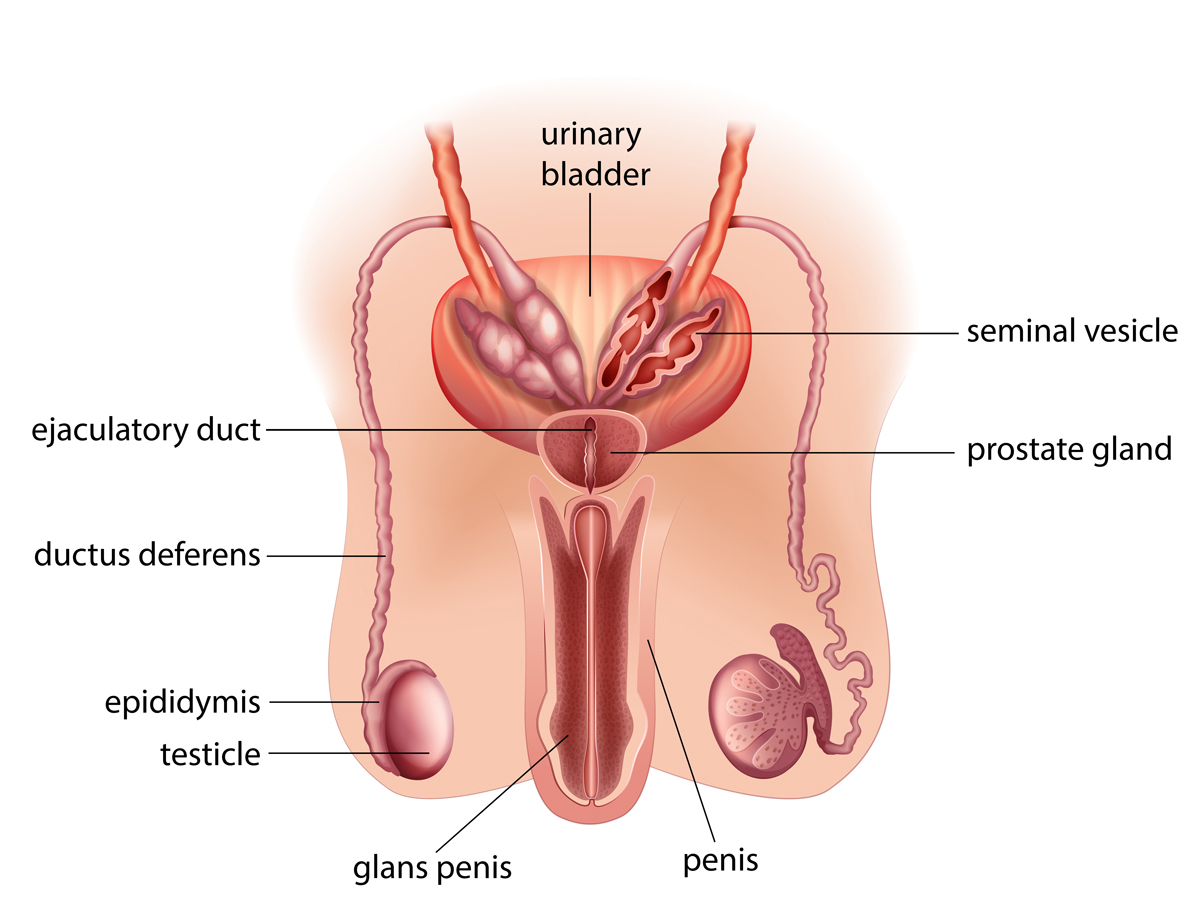
In-depth histological analyses of the reproductive tracts across different mouse models reveal that the absence of mESR1 leads to several structural derangements. The testis, a critical organ for spermatogenesis, often exhibits structural disruptions, including aberrant seminiferous tubule architecture. Similarly, efferent ductules and the rete testis display morphological defects that impair the efficient transport of sperm and the proper maintenance of the fluid environment necessary for sperm maturation.
The table below summarizes the comparative structural findings among different mouse models:
| Parameter | Esr1KO Mice | Nuclear-Only ESR1 Mice | Membrane-Only ESR1 (H2NES) |
|---|---|---|---|
| Testicular Architecture | Severely Disrupted | Moderately Abnormal | Near-Normal |
| Sperm Motility | Marked Decrease | Substantially Decreased | Moderately Decreased |
| Sperm Morphology | Increased Abnormal Forms | Increased Abnormal Forms | Less Pronounced Defects |
| Fluid Transport Gene Expression | Significantly Reduced | Altered Expression | Partially/Completely Restored |
Functionality in Sperm Dynamics
Sperm functionality in terms of motility and morphology is critically dependent on both genomic and nongenomic estrogen signaling pathways. In the absence of mESR1, as observed in Esr1KO and nuclear-only models, sperm display reduced motility and higher incidences of morphological defects. These alterations likely stem from impaired intracellular signaling cascades that regulate the ion channels and enzymatic activities essential for maintaining sperm viability and motility.
The membrane-associated receptor’s activation prompts rapid signaling responses, which adjust the internal biochemical milieu of sperm cells. Such swift modifications are indispensable during periods of sperm capacitation, enabling the sperm to undergo the acrosome reaction necessary for successful fertilization.
Mechanistic Insights and Pathways
Signal Transduction Mechanisms
The nongenomic estrogen signaling implicated in this study predominantly involves the activation of kinase pathways. Upon estrogen binding to mESR1, cascades such as MAPK and PI3K are set in motion, leading to the phosphorylation of downstream targets. These phosphorylation events can alter the function of proteins responsible for cytoskeletal rearrangement, ion transport, and other key cellular processes.
One of the rapid outcomes of such signaling is the modulation of calcium ion fluxes, a critical factor in sperm motility. Calcium ions play a key role in flagellar movement and in the initiation of the acrosome reaction. The immediate surge in intracellular calcium following estrogen stimulation demonstrates how nongenomic pathways rapidly alter sperm biochemistry, thereby contributing to the overall functionality and fertilization potential of the sperm.
Interplay Between Genomic and Nongenomic Actions
While genomic estrogen signaling induces long-term changes through transcriptional regulation, nongenomic signals facilitate rapid adaptations. The study highlights that the two signaling modalities are not mutually exclusive; rather, they operate in tandem to ensure the proper development and function of the male reproductive tract. The presence of both signals is optimal for maintaining homeostasis, as genomic responses set the stage for structural and developmental features while nongenomic actions handle real-time adjustments necessary during sperm maturation and transport.
Implications for Future Research and Therapeutic Strategies
Potential Therapeutic Avenues
Insights from this study pave the way for innovative therapeutic strategies that target nongenomic estrogen signaling. Understanding the molecular nuances of mESR1 activation and its downstream effects could lead to the development of selective estrogen receptor modulators (SERMs) that focus on enhancing fertility in men. Moreover, the possibility of rectifying specific functional deficits in sperm motility or morphology through targeted modulation of membrane signaling pathways offers a promising avenue for treating certain types of male infertility.
Future Directions in Research
This research invites further exploration into the mechanistic details of estrogen signaling within the male reproductive system. Future studies could investigate:
- How variations in mESR1 expression levels affect not only sperm function but also the broader endocrine regulation of the reproductive tract.
- The potential interactions between nongenomic estrogen signaling and other hormonal pathways such as androgens and their receptors.
- The development of in vitro systems to dissect and manipulate these signaling pathways in a controlled environment, leading to more refined diagnostic tools and therapeutic interventions.
Conclusion
In summary, the article "Role for Nongenomic Estrogen Signaling in Male Fertility" provides compelling evidence for the critical role of membrane-localized estrogen receptor [mESR1] in sustaining male reproductive health. Through detailed analysis using various genetically modified mouse models, the study illustrates that while both genomic and nongenomic pathways contribute to male fertility, the rapid signaling mediated by mESR1 is particularly essential in protecting against structural abnormalities in the reproductive tract and ensuring proper sperm function. The findings underscore a paradigm shift in our understanding of hormonal regulation in male reproduction, expanding the clinical and biological significance of estrogen beyond its traditional roles. These insights not only enhance our fundamental understanding of hormone action but also open up exciting possibilities for novel therapeutic approaches in treating male infertility.
References
- Role for Nongenomic Estrogen Signaling in Male Fertility - Illinois Experts
- Role for Nongenomic Estrogen Signaling in Male Fertility - ResearchGate
- Role for Nongenomic Estrogen Signaling in Male Fertility - Oxford Academic
-
Role for Nongenomic Estrogen Signaling in Male Fertility - PMC
More Information
Last updated February 19, 2025