
Fishes in Estuaries: Exploring Vital Life Habitats
Understanding the Diverse Roles of Estuaries in Fish Life Cycles
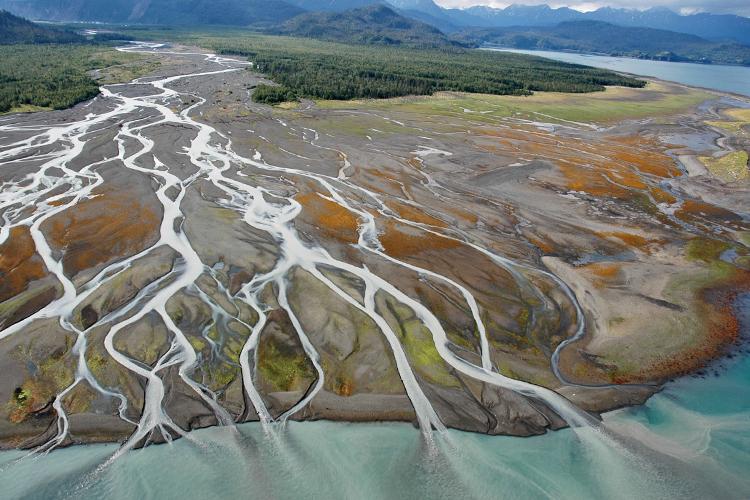
Highlights
- Nursery Habitats: Estuaries provide safe havens for juvenile fish, offering shelter, abundant food, and critical growth environments.
- Biodiversity Hotspots: These transition zones support an impressive range of fish species, including migratory species and specialized residents.
- Ecological and Economic Importance: Estuarine ecosystems underpin both natural biodiversity and commercial/recreational fisheries, stressing the need for conservation.
Introduction to Estuarine Ecosystems
Estuaries, the transitional zones where freshwater from rivers mingles with saltwater from the ocean, are among the most productive and dynamic ecosystems on Earth. These environments are defined by the gradual mixing of different water types, creating unique conditions that foster a rich diversity of life. In the context of fish ecology, estuaries play several essential roles, not simply as habitats but as vital components in the life cycles of numerous species. From acting as safe nurseries for juvenile fish to serving as critical stopover points for migratory species, estuaries are indispensable for both ecological stability and economic vitality.
The Role of Estuaries in the Life Cycle of Fish
Nursery Grounds: Safe Havens for Juvenile Fish
One of the most important functions of an estuary is serving as a nursery area. Many fish species depend on the unique characteristics of estuarine habitats during the early stages of their lives. The sheltered conditions, typically found within tidal marshes, mangroves, and seagrass beds, provide young fish with protection from predators and enough food to support rapid growth. The intertidal zones and submerged aquatic vegetation work together to create microhabitats that mitigate environmental stresses such as strong currents and predation, allowing fish to develop into robust adults.
Transitional Zones for Migratory Species
Besides being nurseries, estuaries function as transitional habitats for many migratory species. Anadromous fish, such as salmon, often swim through estuaries to move between freshwater birthplaces and the oceanic habitats where they mature and reproduce. During such migrations, the shifting salinity levels in estuaries challenge and, in turn, empower these fish with adaptable physiological traits. This dynamic interplay between fresh and saltwater creates a natural laboratory where evolutionary adaptations can thrive, allowing species to develop necessary skills for survival in diverse environments.
Feeding and Breeding Grounds
The rich biodiversity of estuarine environments supports a complex and abundant food web. Many fish benefit from the availability of plentiful invertebrates, plankton, and other small organisms that flourish in nutrient-rich tidal zones. In addition, the diverse microhabitats present within estuaries ensure that fish have multiple breeding grounds suited to the specific needs of each species. Stable conditions and abundant food resources contribute to higher survival and reproductive success, creating balanced populations that are vital for maintaining healthy ecosystems.
Biodiversity in Estuarine Fish Communities
Diverse Array of Species
Estuaries are renowned for hosting a rich assemblage of fish, ranging from small forage fish to larger predatory species. The mixing of saltwater and freshwater results in a mosaic of habitats that cater to the varied ecological demands of different species. Examples of fish that are commonly found in estuaries include anchovies, sardines, salmon, flounders, mullets, gobies, bass, eel, and even species as formidable as certain types of sharks. The presence of both resident and transient species underscores the environmental stability and dynamic nature of these habitats.
Ambassador Species and Unique Adaptations
Species such as the common goby or the unique delta smelt demonstrate how fish can evolve specialized adaptations to thrive in estuarine environments. Some fish are generalists capable of exploiting a wide range of trophic levels, while others have evolved to specialize in particular habitats within the estuary. This adaptation is not only a demonstration of ecological versatility but also signifies the evolutionary pressures at play in the ever-changing environmental conditions defined by variable salinity, temperature, and water flow.
Economic Importance Derived from Biodiversity
Estuarine ecosystems contribute significantly to both local and global economies. The rich diversity of fish species supports robust commercial and recreational fishing industries. Many commercially valuable species, caught either when they are juveniles or as mature adults, have life cycles that depend on the health and stability of estuaries. In regions like New Zealand, Australia, and parts of the United States, a large percentage of the seafood supply is attributed to the productivity of estuarine habitats. The ecological wealth of these systems is also reflected in the cultural and recreational importance attached to fishing, contributing to community identity and well-being.
Physical and Environmental Features Influencing Fish Populations
Salinity Gradients and Water Mixing
One of the defining attributes of estuaries is their salinity gradients. Due to the continuous mixing of freshwater with saltwater, estuaries possess areas with varying salinity levels. These gradients are crucial as they dictate the distribution of fish species based on their salinity tolerance. For instance, species such as salmon and certain types of herring are specifically adapted to navigate these gradients during their life cycles. Critical to this dynamic is the ability of fish to physiologically adjust to different levels of salinity—a process that highlights the remarkable adaptability of estuarine species.
Habitat Complexity and Microenvironments
The structural complexity of estuarine habitats — including mudflats, salt marshes, mangrove forests, and seagrass beds — plays a significant role in supporting a diverse fish community. Each microenvironment offers a unique set of conditions, such as parameter variations in oxygen levels, sediment types, and available nutrients, that determine which species can thrive. The mosaic nature of these habitats not only promotes high levels of biodiversity but also provides multiple layers of ecological protection and resilience against environmental disturbances.
Human Impact and Environmental Challenges
Despite their natural productivity and resilience, estuaries face a variety of environmental challenges. Accelerated by human activities and climate change, pollution and habitat destruction continue to threaten the delicate balance of these ecosystems. Contaminants from industrial runoff, urban development, and agricultural practices can lead to degraded water quality, adversely affecting fish populations. Additionally, rising sea levels and altered temperature regimes induced by climate change can modify the physical characteristics of estuaries, influencing both the availability and distribution of habitats for fish. Such environmental pressures underscore the urgent need for proactive conservation strategies to ensure the long-term sustainability of estuarine ecosystems and the fish that depend on them.
Comprehensive Overview of Fish Species in Estuaries
Representative Species and Their Life Histories
The diverse fish species inhabiting estuaries each play critical roles that enrich the ecosystems in various ways. Below is a structured table summarizing some of the prominent fish species found in estuarine habitats, along with information on their life histories and ecological roles.
| Species | Life Stage in Estuaries | Ecological Role | Unique Traits |
|---|---|---|---|
| Salmon | Transitional | Migratory - Uses estuaries as transitional habitats | Anadromous migration requires physiological adaptation to changing salinity |
| Anchovies | Juvenile | Forage species - Essential in food webs | Highly abundant, forming a key nutrient source for larger predators |
| Mullets | Juvenile and Adult | Resident and foragers | Adapted to both freshwater and saltwater, versatile feeders |
| Flounder | Juvenile and Adult | Bottom dwellers - Camouflage and ambush predators | Flattened body ideal for benthic life in muddy substrates |
| Gobies | Juvenile | Resident species - Integral part of the benthic community | Ability to survive in variable salinity conditions |
| Sardines | Juvenile | Forage and schooling species | Form large schools which are important for predator-prey dynamics |
| Sharks | Occasional Visitors | Top predators | Some species use estuaries for hunting juvenile prey |
| Herring | Both Juvenile and Adult | Forage species | Critical in linking trophic levels in estuarine food webs |
Conservation and Management of Estuarine Habitats
Addressing Pollution and Habitat Degradation
With the ecological importance of estuaries well recognized, there is a pressing need for conservation initiatives to counteract negative human impacts. Pollution from agricultural runoff, industrial discharge, and urban expansion poses major threats to water quality and the overall health of fish populations. Strategies to manage these threats include tighter regulation of pollutant discharge, restoration projects to rehabilitate degraded habitats, and the establishment of marine protected areas. By reducing the environmental stresses on estuaries, these conservation efforts support both the ecological integrity of the habitat and the economic activities that depend on healthy fish populations.
Climate Change and Adaptive Management
Climate change further complicates conservation efforts by altering water temperatures, sea levels, and the timing of key biological events. Adaptive management strategies that take into account these variable factors are necessary to maintain fish populations. Researchers and environmental managers are increasingly focusing on developing predictive models to forecast how climate change might affect estuarine systems. These models help in planning and implementing adaptive measures that ensure habitat resilience and safeguard fish life cycles.
Community Involvement and Policy Integration
Effective conservation is not solely the work of governmental agencies or researchers; it requires community engagement and integrated policies that align economic development with environmental stewardship. Educational initiatives, community-based monitoring, and multi-agency collaboration are pivotal in protecting these dynamic ecosystems. Timely and appropriate policies that regulate fishing, limit pollution, and incentivize habitat restoration can go a long way in ensuring that estuaries continue to support a diverse array of fish species while fulfilling their critical ecological roles.
Scientific Research and Future Directions
Current Research Endeavors
Scientists across the globe continue to study estuarine systems using advanced technologies such as satellite monitoring, genetic analysis, and ecological modeling. These studies are not only focused on documenting the existing biodiversity within estuaries but also on understanding the intricate interplay between abiotic factors (like water salinity and temperature) and biotic communities (like fish and invertebrates). Research efforts are also targeting the impacts of anthropogenic activities on estuarine function. Through comprehensive data collection and comparative studies across different regions, the goal is to develop a more nuanced understanding of how to effectively conserve these habitats for future generations.
Future Challenges and Opportunities
Looking ahead, one of the foremost challenges facing scientists and conservationists is mitigating the adverse effects of rapid urbanization and climate-induced environmental changes. The evolving nature of estuarine systems demands that adaptive management strategies remain flexible and robust. Opportunities lie in leveraging emerging technologies to monitor ecosystem health, engage local communities, and coordinate cross-disciplinary research initiatives. Continuous improvement in our monitoring techniques and data analysis will be crucial to anticipate changes and devise more effective conservation practices.
References
-
Fishes in Estuaries - Frontiers for Young Minds
-
Fish in Estuaries - Environment NSW
- Saltwater Fish in Estuaries - Norrik
- Estuaries Overview - NIWA
- Estuary Habitat - NOAA Fisheries
Recommended Queries
 amazon.com
Last updated March 17, 2025