
Unveiling the Ethical Breach in Dr. Tamar's Study
A deep dive into consent ethics when involving vulnerable populations
Key Insights from the Analysis
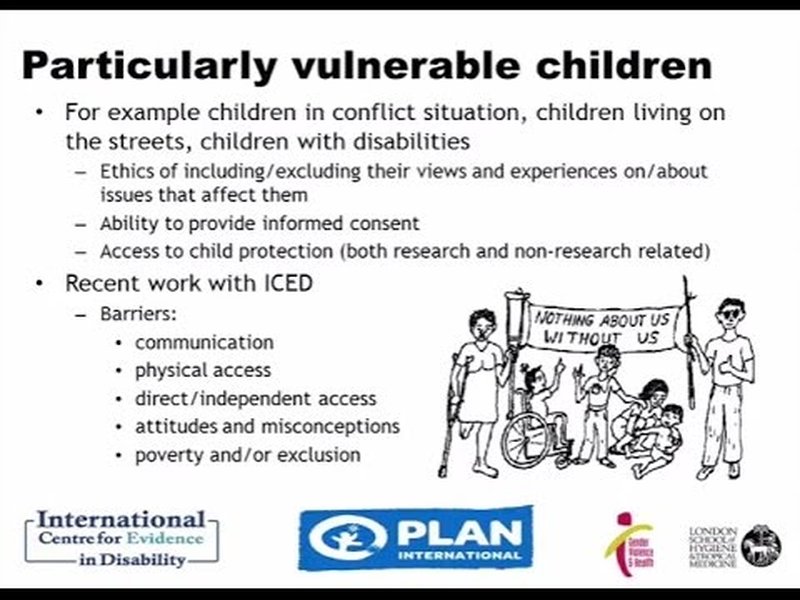
- Informed Consent Limitations: Simply explaining study details to participants is insufficient when the participants are children with intellectual disabilities. Legal guardians must be involved in the consent process.
- Vulnerable Populations: Research with vulnerable groups, especially children, requires extra ethical safeguards to protect their rights and wellbeing.
- Ethical Standards in Research: Ethical research mandates obtaining proper consent from guardians to ensure that the participant’s legal and developmental needs are met.
Detailed Ethical Analysis of Dr. Tamar’s Study
In the case of Dr. Tamar's study involving children with an intellectual disability, we must consider the ethical principles of research involving vulnerable populations. The study's methodology emphasizes explaining the study details to the participants, an important step towards ensuring that they are aware of what participation entails. However, the process falls short of meeting ethical requirements when it comes to obtaining informed consent from individuals who, due to their age and cognitive limitations, are legally and ethically incapable of making fully informed decisions on their own behalf.
Understanding Informed Consent
In standard research practices, obtaining informed consent ensures that participants understand the research, its potential risks, and benefits. This process becomes more complex when the study involves minors or those with intellectual disabilities. Given these participants typically lack the legal capacity or full understanding to provide consent, ethical guidelines mandate that researchers secure consent from their legal guardians. This dual layer of consent—participant assent (if possible) and guardian permission—is fundamental to protecting vulnerable groups.
Legal and Ethical Imperatives
Legal and ethical frameworks consistently emphasize the necessity of obtaining parental or guardian consent when conducting research with children. For example, relevant authorities such as the U.S. Department of Health and Human Services and the World Medical Association stipulate that informed consent cannot be solely obtained from children in these scenarios. Instead, when vulnerable groups are involved, extra care must be taken to secure proper legal authorization from guardians, thereby ensuring the participant's protection.
Applying These Principles to Dr. Tamar’s Study
Dr. Tamar's study is presented in a way that, on its surface, appears to adhere to the principles of informed consent, as he provides the full details of the research to the participants. Yet, a closer ethical examination reveals a critical omission: the absence of consent obtained from the participants' guardians. This omission is not merely a procedural error but represents a significant breach in ethical research practices, particularly in studies involving participants who are inherently vulnerable.
The correct answer to the query, therefore, is:
- b. unethical; he did not obtain consent from participants' guardians
This option encapsulates the ethical breach found in the study. While it is important to note that Dr. Tamar has taken the step to explain the study to the participants, this alone does not meet the ethical requirements for informed consent when dealing with minors or individuals with intellectual disabilities. The absence of guardian consent means that the study failed to comply with both legal mandates and established ethical research guidelines, which are designed to safeguard vulnerable populations from potential harm.
Comparison Table of Ethical Considerations
The table below summarizes the key ethical aspects and compares the acceptable standards with the approach taken in Dr. Tamar's study.
| Ethical Requirement | Accepted Standard | Dr. Tamar's Approach |
|---|---|---|
| Informed Consent | Detailed explanation provided to participants and guardian approval | Only provided explanation to participants |
| Vulnerability Consideration | Extra measures and legal guardian involvement required | Did not include guardian consent despite working with a vulnerable population |
| Legal Compliance | Consent from legal guardians is mandatory for minors | Omitted the step for obtaining guardian's consent |
| Ethical Integrity | Ensuring protection and understanding for vulnerable subjects | Fails to fully protect the rights of the participants |
Visualizing Ethical Compliance with a Radar Chart
The radar chart below illustrates various ethical dimensions relevant to Dr. Tamar's study, providing a visual representation of how the study aligns or deviates from accepted ethical practices. Each axis represents an ethical parameter such as informed consent, legal compliance, vulnerability protection, participant understanding, and ethical integrity.
Supplementary Media Resources
Embedded YouTube Video
The following video titled "Ethical considerations of involving children in research" explains the nuances of ethical research practices when children are involved, particularly highlighting the importance of obtaining guardian consent. This resource is highly relevant as it provides a broader context for understanding why Dr. Tamar’s study is considered unethical on ethical grounds.
Relevant Images
The images below help illustrate concepts related to the ethical aspects of pediatric research:
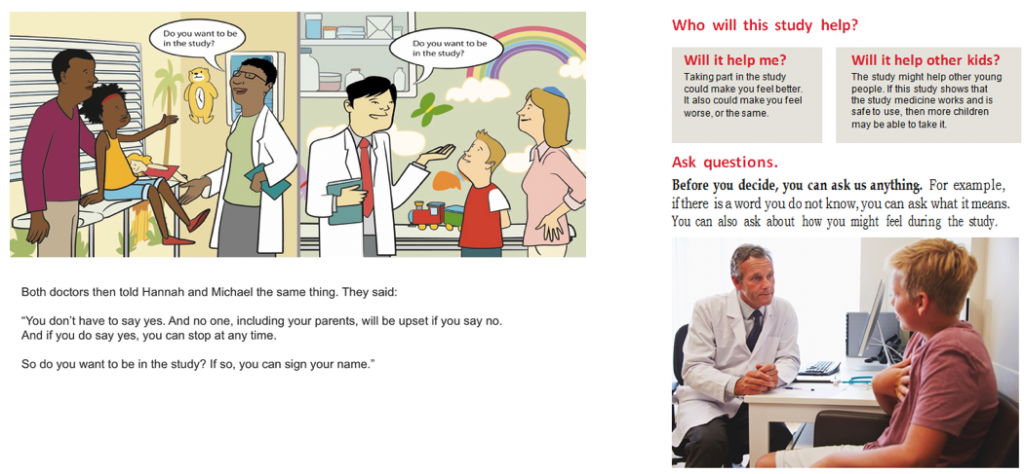
This image depicts the proper process of obtaining assent and informed consent in pediatric research, emphasizing the need for parental or guardian involvement.

This image represents the involvement of children in research, highlighting the necessity for ethical safeguards when working with vulnerable populations.
Frequently Asked Questions (FAQ)
References
- Research with Children FAQs | HHS.gov
- Research with Children: Ethics, Safety and Inclusion | NSPCC
- Understanding Informed Consent Process | NCBI
- Child Ethics - Informed Consent
-
WHO: Informed Consent Overview
Recommended Related Queries

Last updated April 3, 2025