
Navigating the Ethical Frontier of Brain-Computer Interfaces
Exploring the Complex Moral Landscape of Merging Mind and Machine
Key Ethical Considerations in BCI Advancement
- Protecting Mental Privacy: As BCIs can potentially read and interpret brain activity, safeguarding individuals' most intimate thoughts and mental data is a critical concern.
- Ensuring Autonomy and Agency: Debates center on whether BCIs could influence a user's decision-making and actions, raising questions about the extent of their control and responsibility.
- Addressing Inequality and Access: There are concerns that advanced BCI technology might only be available to the wealthy, exacerbating existing societal inequalities and creating a "neuro-divide."
Brain-Computer Interfaces (BCIs), also known as Brain-Machine Interfaces (BMIs), represent a rapidly advancing field of technology that establishes direct communication pathways between the brain and external devices. These interfaces hold immense promise for therapeutic applications, particularly for individuals with severe disabilities, offering the potential to restore lost motor functions, enable communication, and even provide rudimentary vision. However, alongside this potential, the development and increasing sophistication of BCIs have ignited significant ethical debates. These concerns span individual rights, societal impact, and the very definition of human identity and agency in an age where technology can directly interact with our minds.
The Core Ethical Landscape
The ethical considerations surrounding BCIs are multifaceted and deeply intertwined with fundamental questions about human nature and societal values. As these technologies move from theoretical concepts to tangible applications, ethicists, policymakers, and the public are grappling with how to ensure their development and deployment are conducted responsibly and equitably. The debates often revolve around the potential for BCIs to not only treat medical conditions but also to enhance human capabilities, blurring the lines between therapy and augmentation.
Privacy and Security of Brain Data
One of the most prominent ethical concerns is the privacy and security of the neural data collected by BCIs. Brain activity is inherently personal and sensitive, reflecting thoughts, emotions, and intentions. The ability of BCIs to "read" this activity raises unprecedented privacy issues. How will this data be stored, accessed, and protected from unauthorized use or breaches? The potential for this information to be hacked, misused by corporations for targeted advertising, or even exploited by governments for surveillance is a significant worry.
The concept of "mental privacy" is gaining traction, advocating for the right of individuals to keep their thoughts and mental states confidential. As BCIs become more sophisticated, capable of decoding increasingly complex neural signals, the need for robust legal and ethical frameworks to protect this data becomes ever more urgent. Ensuring data integrity and security is paramount to building trust in BCI technology.
Autonomy, Agency, and Identity
BCIs have the potential to directly influence a user's actions and potentially their cognitive processes. This raises profound questions about autonomy and agency. If a BCI assists in decision-making or directly controls an external device based on neural signals, to what extent is the user still in complete control? The line between human intent and technological mediation can become blurred. This is particularly relevant for "write-in" BCIs that can stimulate the brain, potentially influencing thoughts or moods.
Concerns also arise regarding the potential impact of BCIs on a user's sense of self and identity. As individuals become more integrated with BCI technology, could it alter their personality or sense of who they are? Maintaining a coherent sense of self and preserving individual autonomy in the face of such intimate technological integration is a critical ethical challenge.
Inequality and Access
Another major ethical debate concerns the potential for BCIs to exacerbate existing societal inequalities. If advanced BCI technology is expensive and only accessible to the wealthy, it could create a "neuro-divide," where those who can afford the technology gain significant cognitive or physical advantages over those who cannot. This could lead to new forms of discrimination and social stratification.
Ensuring equitable access to BCI technology, particularly for therapeutic applications, is a crucial ethical imperative. Discussions are ongoing about how to make these potentially life-changing technologies available to all who could benefit from them, regardless of their socioeconomic status. This includes considerations of affordability, healthcare coverage, and public policy.
Safety and Risk
As with any medical or advanced technology, the safety of BCI users is a primary ethical concern. Invasive BCIs, which require surgical implantation of electrodes, carry inherent risks associated with surgery, infection, and potential long-term effects on brain tissue. Non-invasive BCIs, while generally safer, still require thorough investigation into potential risks associated with prolonged use or specific types of stimulation.
Ensuring rigorous testing, transparent reporting of risks, and robust regulatory oversight are essential to protect users. The principle of nonmaleficence – the duty to do no harm – is a cornerstone of medical ethics and is highly relevant to the development and deployment of BCI technology.
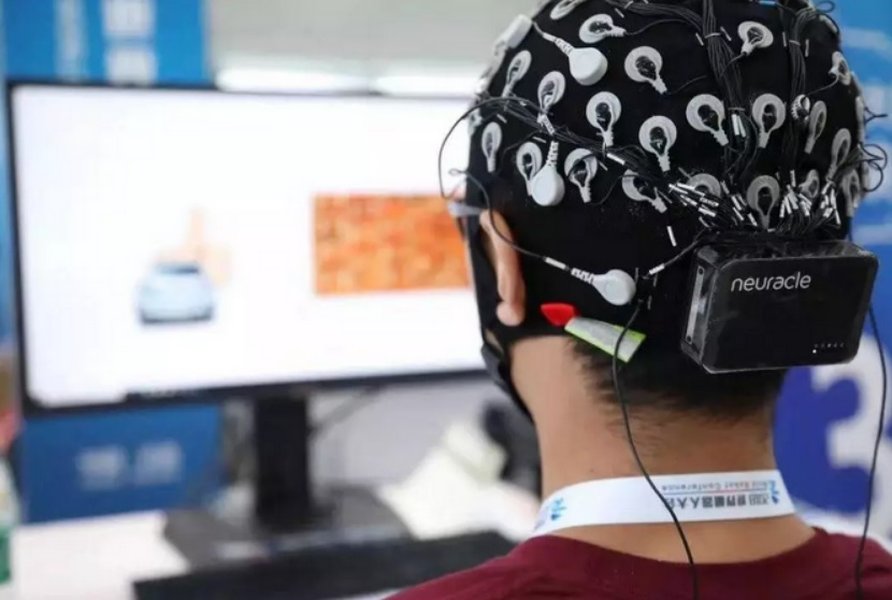
Illustrative diagram of a typical Brain-Computer Interface setup.
Specific Areas of Ethical Scrutiny
Beyond the core concerns, several specific areas within BCI development and application are subject to intense ethical scrutiny.
Therapeutic vs. Enhancement Use
A significant ethical debate centers on the distinction between using BCIs for therapeutic purposes (treating medical conditions like paralysis or blindness) and using them for enhancement purposes (augmenting cognitive abilities or sensory perception in healthy individuals). While there is broad consensus on the ethical desirability of therapeutic applications, enhancement raises concerns about fairness, the definition of "normal" human function, and the potential for a societal arms race for cognitive advantages.
Informed Consent
Obtaining truly informed consent for BCI use, especially in clinical settings with vulnerable populations (such as patients with locked-in syndrome), presents unique challenges. Users must fully understand the potential benefits, risks, and limitations of the technology, as well as the implications for their privacy and autonomy. The complexity of BCI technology can make it difficult to ensure comprehensive understanding, highlighting the need for clear communication and robust ethical review processes.
Responsibility and Accountability
Determining responsibility and accountability for actions taken through a BCI can be complex. If a BCI user makes a mistake or causes harm while operating a device via their neural signals, who is responsible? Is it the user, the BCI system itself, the developer, or a combination? As BCIs become more sophisticated, the lines of responsibility become less clear, necessitating new legal and ethical frameworks to address these issues.
Impact on Human Dignity and Personhood
Some philosophical debates surrounding BCIs touch upon the concepts of human dignity and personhood. Does integrating technology directly with the brain alter what it means to be human? Are there intrinsic aspects of human experience that should not be subject to technological mediation or alteration? These are fundamental questions with no easy answers, requiring ongoing ethical reflection and societal dialogue.
Ethical Considerations in Research
The research phase of BCI development also presents specific ethical challenges. Ensuring the safety and well-being of research participants, particularly in early-stage invasive studies, is paramount. Rigorous ethical review boards and adherence to principles of beneficence and justice are essential to conducting BCI research responsibly.
A discussion on the philosophical, ethical, and legal aspects of Brain-Computer Interfaces, highlighting the complexities of merging human minds with intelligent machines.
Regulatory and Governance Challenges
The rapid pace of BCI development outstrips existing regulatory frameworks. Governments and international organizations are grappling with how to effectively govern these technologies to ensure ethical use and mitigate potential risks. There is a recognized need for proactive policy development and international cooperation to establish norms and standards for BCI research and application.
Organizations like UNESCO and the OECD have begun to address the ethical implications of neurotechnology, highlighting the need for guidelines related to privacy, transparency, fairness, and equity. Crafting regulations that are flexible enough to accommodate technological advancements while providing necessary safeguards is a significant challenge.
Key Regulatory Areas
Regulatory efforts are focusing on several key areas:
- Data Protection Laws: Adapting existing data privacy laws (like GDPR) to specifically address the unique nature of neural data.
- Medical Device Regulation: Ensuring the safety and efficacy of BCIs used for medical purposes through rigorous testing and approval processes.
- Establishing Clear Lines of Responsibility: Developing legal frameworks to determine liability in cases involving BCI-mediated actions.
- Defining "Neuro-rights": Exploring the potential need for new human rights specifically related to neural data and cognitive liberty.
The development of ethical guidelines and regulatory frameworks is an ongoing and evolving process, requiring input from researchers, ethicists, policymakers, users, and the public to navigate the complex ethical landscape of BCIs effectively.
Summary of Ethical Concerns
To summarize the major ethical debates surrounding brain-computer interfaces, we can organize them into key themes:
| Ethical Theme | Key Concerns |
|---|---|
| Privacy and Security | Safeguarding sensitive neural data, potential for surveillance and misuse, need for mental privacy. |
| Autonomy and Agency | Influence on decision-making and actions, preserving user control, impact of write-in BCIs. |
| Identity and Personhood | Potential alteration of self-perception, integration of technology with core identity. |
| Inequality and Access | Risk of a "neuro-divide," ensuring equitable access to therapeutic applications. |
| Safety and Risk | Risks of invasive procedures, potential long-term effects, need for rigorous testing and regulation. |
| Therapeutic vs. Enhancement | Distinguishing between medical treatment and cognitive augmentation, fairness of enhancement. |
| Informed Consent | Ensuring comprehensive understanding of complex technology, especially for vulnerable users. |
| Responsibility and Accountability | Determining liability for BCI-mediated actions. |
Frequently Asked Questions
What is the primary privacy concern with BCIs?
The primary privacy concern revolves around the collection and potential misuse of highly sensitive neural data, including thoughts, emotions, and intentions, which were previously inaccessible.
How do BCIs raise questions about autonomy?
BCIs can raise questions about autonomy by potentially influencing a user's decisions or directly controlling external devices based on neural signals, blurring the line between human intent and technological action.
What is the "neuro-divide"?
The "neuro-divide" is the concern that expensive BCI technology may only be accessible to the wealthy, creating a gap in capabilities and opportunities between those who can afford it and those who cannot.
Are there different ethical concerns for invasive versus non-invasive BCIs?
Yes, invasive BCIs carry the added ethical concerns related to surgical risks and direct intervention with brain tissue, while non-invasive BCIs have different considerations regarding data accuracy and potential long-term effects of external interfaces.
Why is informed consent particularly challenging for BCIs?
Informed consent is challenging due to the complexity of the technology, making it difficult for users to fully understand the potential implications, especially for vulnerable patient populations.
Recommended Further Exploration
- What are the potential future applications of BCI technology?
- What are the current regulatory challenges for neurotechnology?
- How might BCI technology impact human identity and consciousness?
- What are the key neuroethical principles guiding BCI development?
References
Last updated May 17, 2025