
Designing with Integrity: How Psychological Principles Elevate Ethical Design
Explore concrete examples of using human behavior insights responsibly to create user-centered, trustworthy, and beneficial experiences.
Highlights
- Prioritizing User Well-being: Ethical design leverages psychology not to manipulate, but to foster positive behaviors, reduce cognitive load, and prevent harm like addiction or exclusion.
- Empowering Through Transparency: Respecting user autonomy involves clear communication about data usage, providing meaningful choices, and avoiding deceptive practices (dark patterns).
- Building Trust and Accessibility: Applying principles of perception, cognition, and social psychology helps create intuitive, inclusive interfaces accessible to all users, fostering long-term engagement.
The ethical application of psychological principles in design involves thoughtfully using our understanding of human cognition, emotion, and behavior to craft products, services, and experiences that are not only effective and intuitive but also fundamentally respectful and beneficial to the user. It represents a crucial shift from merely optimizing for engagement or conversion towards prioritizing user well-being, autonomy, and fairness. This requires a conscious effort to avoid exploiting psychological vulnerabilities and instead use these insights to empower users and enhance their lives.
Enhancing User Experience Through Ethical Psychology
Making Interfaces Intuitive, Not Manipulative
Psychology offers a deep understanding of how users perceive information, make decisions, and interact with their environment. Ethical design harnesses these insights to create smoother, more intuitive experiences.
Applying psychological insights to UX/UI design ethically focuses on improving usability and clarity.
Reducing Cognitive Load
Principles like Hick's Law (more choices increase decision time) and understanding cognitive load guide designers to simplify interfaces. Ethically, this means streamlining navigation, minimizing clutter, and presenting information clearly to reduce user frustration and mental effort, rather than overwhelming users to push impulsive choices.
Leveraging Perceptual Principles
Understanding visual perception helps create clear hierarchies, legible typography, and effective layouts. Applying Gestalt principles (like proximity or similarity) ethically helps users group related information easily, making interfaces feel natural and logical.
Familiarity and Predictability
Jakob's Law suggests users prefer sites to work similarly to others they frequent. Ethical application involves using familiar patterns and conventions to meet user expectations, making the experience predictable and comfortable, rather than forcing users to learn unnecessarily complex or novel interactions.
Upholding User Autonomy and Trust
Transparency and Control as Cornerstones
Respecting user autonomy is a core ethical tenet, directly borrowing from psychological ethics emphasizing agency and informed decision-making. This translates into design practices that empower users with control and clarity.
Informed Consent
Ethical design requires clear, understandable communication regarding data collection, cookie usage, and requested permissions. Instead of burying details in lengthy jargon, designers provide concise explanations and easy-to-access controls. This aligns with the psychological principle of respecting an individual's right to make informed choices.
- Example: A pop-up clearly explaining *why* location access is needed for a specific feature, with distinct "Allow Once," "Allow While Using App," and "Don't Allow" options, rather than a vague request or defaulting to "Allow."
Transparency in Design
Users should understand how a product works and why it behaves in certain ways. This includes being honest about algorithms, data usage, and potential influences on their experience. Building trust relies on this openness.
- Example: A social media feed explaining *why* certain content is recommended (e.g., "Because you follow [Account Name]" or "Popular in your region") rather than presenting it without context.
Meaningful User Control
Ethical design provides genuine options for users to customize their experience, manage privacy settings, and control notifications. Default settings should prioritize user well-being and privacy, avoiding manipulative "opt-out" schemes.
Visualizing the Connections: Ethical Design Psychology Mindmap
This mindmap illustrates how core ethical foundations connect to specific application areas in design, ultimately leading to positive outcomes like enhanced user trust and empowerment. It visually organizes the key concepts discussed.
Psychological Principles
in Design"] id1["Core Ethical Foundations"] id1a["Beneficence & Nonmaleficence
(Do Good, Avoid Harm)"] id1b["Respect for Autonomy
& Dignity"] id1c["Justice & Fairness"] id1d["Transparency & Honesty"] id1e["Fidelity & Responsibility"] id2["Key Application Areas"] id2a["Intuitive UX/UI"] id2a1["Cognitive Load Reduction"] id2a2["Applying Perceptual Principles"] id2a3["Jakob's, Hick's, Fitts's Laws"] id2b["User Autonomy & Control"] id2b1["Informed Consent (Data, Cookies)"] id2b2["Clear Customization Options"] id2b3["Avoiding Deceptive Defaults"] id2c["Promoting Well-being"] id2c1["Designing Against Addiction"] id2c2["Encouraging Healthy Habits"] id2c3["Minimizing Stress & Frustration"] id2d["Accessibility & Inclusivity"] id2d1["Supporting Diverse Abilities
(Physical, Sensory, Cognitive)"] id2d2["Cultural Sensitivity"] id2e["Avoiding Exploitation"] id2e1["Identifying & Rejecting
Dark Patterns"] id2e2["Ethical Use of Persuasion"] id3["Positive Outcomes"] id3a["Enhanced User Trust"] id3b["User Empowerment"] id3c["Reduced Psychological Harm"] id3d["Sustainable & Respected Products"] id4["Integration in Process"] id4a["Ethical Frameworks (APA, BPS)"] id4b["User Research Ethics"] id4c["Team Culture & Reflection"] id4d["Cost-Benefit Analysis"]
Prioritizing Well-being and Avoiding Harm
From Avoiding Dark Patterns to Promoting Positive Behavior
The principles of beneficence (doing good) and nonmaleficence (avoiding harm) are central to ethical psychology and design. This means actively designing to prevent negative consequences and, where possible, contribute positively to users' lives.
Actively Avoiding Dark Patterns
Dark patterns are manipulative interface designs that trick users into actions they didn't intend, exploiting cognitive biases. Ethical design requires identifying and rejecting these tactics.
- Examples of Dark Patterns to Avoid: Trick questions, sneak-into-basket additions, hidden costs, roach motels (easy to get into a situation, hard to get out), confirmshaming, misleading urgency cues (false scarcity).
- Ethical Alternative: Instead of using a false countdown timer ("Only 2 left! Sale ends in 5:00 min!"), provide honest stock levels or clearly state promotion end dates without manipulative pressure.
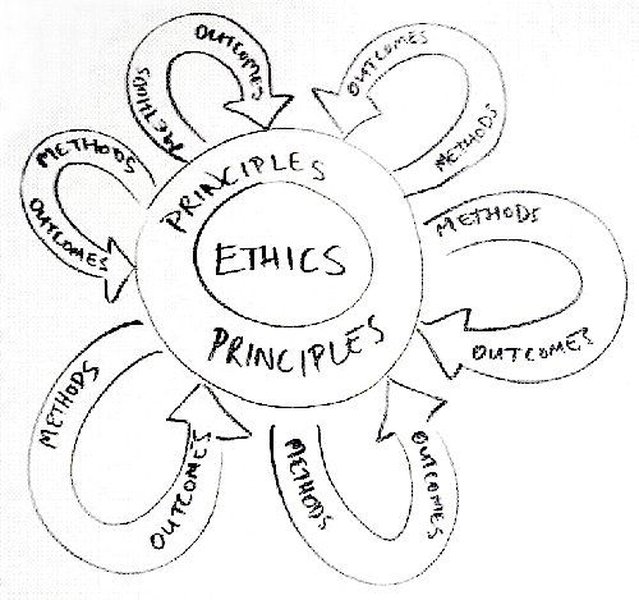
Design choices have ethical implications, steering towards user well-being or potential harm.
Designing Against Addictive Behavior
Understanding behavioral psychology helps designers recognize patterns that can lead to problematic or addictive usage (e.g., infinite scroll, variable reward schedules). Ethical design involves implementing features that mitigate these risks.
- Example: Social media apps incorporating "time spent" dashboards, usage reminders, or options to pause notifications, empowering users to manage their engagement mindfully.
Promoting Positive Behaviors
Psychological principles can be ethically applied to nudge users towards beneficial actions.
- Example: Fitness apps using goal-setting features, progress tracking, and positive reinforcement (based on principles of operant conditioning) to encourage regular exercise.
- Example: Financial apps using clear visualizations and personalized saving goals (based on principles of behavioral economics) to help users manage their finances better.
Understanding Behavioral Design Ethics
The following video explores the complexities of behavioral design ethics, discussing the interplay between legality, morality, and user impact in technology. It provides valuable context on navigating the ethical dimensions when applying psychological principles in design.
Ensuring Accessibility and Inclusivity
Designing for Everyone
Ethical design, grounded in the psychological principle of justice and respect for all individuals, demands inclusivity. This means creating experiences accessible to people with diverse abilities and backgrounds.
Designing for Diverse Abilities
Applying principles of perception and cognition helps designers cater to users with visual, auditory, motor, or cognitive impairments.
- Examples: Ensuring sufficient color contrast for visually impaired users, providing captions and transcripts for video/audio content, designing clear navigation for users with cognitive differences, ensuring keyboard navigability for users with motor impairments, and compatibility with screen readers.
Cultural Sensitivity and Representation
Understanding social psychology highlights the importance of cultural context. Ethical design avoids stereotypes and considers diverse cultural norms, values, and languages to prevent exclusion or offense.
Integrating Ethics into the Design Process
Frameworks, Reflection, and Research Practices
Ethical application isn't just about the final product; it's embedded in the design process itself.
Utilizing Ethical Frameworks
Drawing upon established ethical codes, such as those from the American Psychological Association (APA) or British Psychological Society (BPS), provides guiding principles like beneficence, nonmaleficence, fidelity, integrity, justice, and respect for people's rights and dignity.
Ethical User Research
Conducting user research ethically involves obtaining informed consent, ensuring participant confidentiality, minimizing potential harm (e.g., avoiding triggering sensitive topics without preparation), and providing debriefing where necessary.
Fostering Ethical Reflection
Design teams benefit from incorporating "dark reality sessions" or similar methods to anticipate potential misuse or negative consequences of their designs. Cultivating a culture where ethical concerns can be openly discussed is crucial.
Comparing Design Approaches: An Ethical Lens
This radar chart visually compares hypothetical design approaches across key ethical dimensions. An "Ethical Human-Centered" approach scores highly on positive dimensions like transparency and user control while minimizing manipulative tactics. Conversely, a "Dark Pattern Driven" approach prioritizes business goals over user well-being, scoring poorly on ethical metrics. A "Neutral Utility" approach might meet basic functional needs but lacks proactive consideration for deeper ethical implications or user empowerment.
Summary Table: Principles and Ethical Applications
Connecting Psychological Concepts to Responsible Design Practices
This table summarizes key psychological principles or areas and provides concrete examples of their ethical application in design contexts.
| Psychological Principle / Area | Ethical Design Application | Example |
|---|---|---|
| Autonomy & Informed Consent | Respecting user's right to make informed decisions and control their data/experience. | Clear, jargon-free privacy policies; granular controls for notifications and data sharing; opt-in defaults. |
| Beneficence & Nonmaleficence | Designing to promote user well-being and actively avoid causing psychological or practical harm. | Including screen time reminders; avoiding dark patterns; using supportive error messages; prioritizing user safety. |
| Cognitive Load Management | Applying principles like Hick's Law to prevent overwhelming users and reduce mental effort. | Simplified navigation menus; clear visual hierarchy; chunking information; progress indicators in forms. |
| Perception & Accessibility | Ensuring designs are usable by people with diverse sensory and cognitive abilities. | High colour contrast ratios; resizable text; keyboard navigation support; screen reader compatibility; clear language. |
| Avoiding Bias Exploitation | Understanding cognitive biases (e.g., scarcity, social proof) but refusing to manipulate users through them. | Honest scarcity indicators (real stock levels); genuine testimonials instead of fake social proof; transparent pricing without hidden fees. |
| Learning & Competence | Empowering users by making products easy to learn and use effectively. | Clear onboarding tutorials; contextual help tips; forgiving error states (undo functions); consistent design patterns. |
| Transparency & Trust | Being open and honest about how a product works, its intentions, and data usage. | Plain language explanations for permission requests; clear indication of sponsored content; honest communication about system status or downtime. |
| Justice & Inclusivity | Ensuring fairness and equitable access, considering diverse backgrounds and needs. | Culturally sensitive imagery and language; testing with diverse user groups; avoiding algorithmic bias that disadvantages certain groups. |
Frequently Asked Questions (FAQ)
► What are "dark patterns" in design?
Dark patterns are user interface design choices that intentionally trick or manipulate users into taking actions they wouldn't otherwise choose, often benefiting the business at the user's expense. Examples include making it very difficult to cancel a subscription ("Roach Motel"), automatically adding items to a shopping cart ("Sneak into Basket"), using confusing language to trick users into agreeing to something ("Trick Questions"), or shaming users for opting out of an offer ("Confirmshaming"). Ethical design actively avoids these manipulative tactics.
► How does ethical design differ from simply persuasive design?
Persuasive design uses psychological principles to influence user behavior, which isn't inherently unethical. Ethical design, however, ensures this influence is transparent, respects user autonomy, and aims for outcomes beneficial (or at least not harmful) to the user. The key difference lies in intent and transparency: ethical persuasion empowers users to make choices that align with their own goals (e.g., saving money, exercising more), while unethical persuasion (manipulation) prioritizes the designer's or company's goals at the user's expense, often through deception or exploitation of vulnerabilities.
► Why is accessibility considered an ethical issue in design?
Accessibility is an ethical issue rooted in principles of justice, fairness, and respect for human rights and dignity. Designing inaccessible products or services excludes individuals with disabilities, denying them equal access to information, opportunities, and participation in society. It creates barriers and disadvantages, which is ethically unjustifiable. Applying psychological principles related to perception and cognition helps create designs that accommodate diverse abilities, ensuring inclusivity.
► How can designers ensure they are applying psychological principles ethically?
Designers can ensure ethical application by:
- Educating themselves on ethical frameworks (like APA guidelines) and common pitfalls (dark patterns).
- Prioritizing transparency and user control in all design decisions.
- Conducting user research ethically, with informed consent and respect for participants.
- Testing designs with diverse user groups, including those with disabilities.
- Actively questioning the potential negative impacts or misuse of their designs.
- Fostering a team culture where ethical concerns are openly discussed and valued.
- Focusing on long-term user well-being rather than short-term metrics gained through manipulation.
► What role does user research play in ethical design?
User research is crucial for ethical design in several ways. Firstly, it helps designers understand the diverse needs, contexts, and potential vulnerabilities of their users, enabling more inclusive and empathetic design. Secondly, qualitative feedback helps uncover how users actually perceive and interact with a design, revealing potential misunderstandings or unintended negative consequences that quantitative data might miss. Thirdly, the process of conducting research must itself be ethical, respecting participants' rights, privacy, and well-being through practices like informed consent and data anonymization.
Recommended
- How do cognitive biases influence user behavior in digital interfaces?
- What are the specific guidelines for ethical data collection in UX design?
- Explore case studies of companies implementing ethical design practices.
- What is the relationship between ethical design and long-term business success?
References

Last updated May 5, 2025