
Navigating New Horizons: Ethically Exploring Your Partner's Connections with Others
Understanding consensual alternatives to "cheating" for a healthier, more honest relationship dynamic.
Your query touches upon a sensitive area of relationships: the desire for a partner to form connections with others. However, the term "cheat" inherently implies deception and a violation of trust, which stands in direct opposition to ethical and non-manipulative interactions. An ethical approach cannot involve encouraging deceit. Instead, this guide focuses on how you might explore the possibility of your partner dating another man through open, honest, and consensual means, often discussed under the umbrella of ethical non-monogamy (ENM) or open relationships. This path prioritizes mutual respect, understanding, and the well-being of all individuals involved.
Key Insights for an Ethical Path
- Consent is King: Any exploration of your partner connecting with others must be built on enthusiastic, ongoing, and fully informed consent from all parties involved. There is no ethical way to "get" someone to do something against their will or without their full understanding.
- Communication is Crucial: Open, honest, and compassionate dialogue is the bedrock of any healthy relationship, especially when navigating complex topics like non-monogamy. This means expressing your feelings and listening to your partner's without judgment.
- "Cheating" vs. Ethical Non-Monogamy: It's vital to understand the fundamental difference. Cheating involves secrecy and betrayal. Ethical non-monogamy involves transparent agreements and mutual trust, allowing for various relationship structures.
The Critical Distinction: Cheating vs. Ethical Non-Monogamy
Before delving into how to approach this topic, it's essential to clarify the terms. "Cheating" implies a breach of an existing agreement of exclusivity, characterized by secrecy, dishonesty, and often, a lack of consent from one partner. This can cause significant emotional harm and damage the relationship's foundation.
Ethical Non-Monogamy (ENM), on the other hand, encompasses various relationship styles (like open relationships, polyamory, etc.) where partners consensually agree to have romantic or sexual connections with more than one person. The core principles of ENM are:
- Consent: All parties involved are aware and agree to the arrangement.
- Honesty and Transparency: Open communication about desires, boundaries, and experiences.
- Respect: Consideration for everyone's feelings and well-being.
- Mutual Agreement: Rules and boundaries are co-created and can be revisited.
If your desire is for your partner to explore connections with others in a way that respects her autonomy and your relationship, then the path forward involves discussing consensual non-monogamy, not encouraging infidelity.
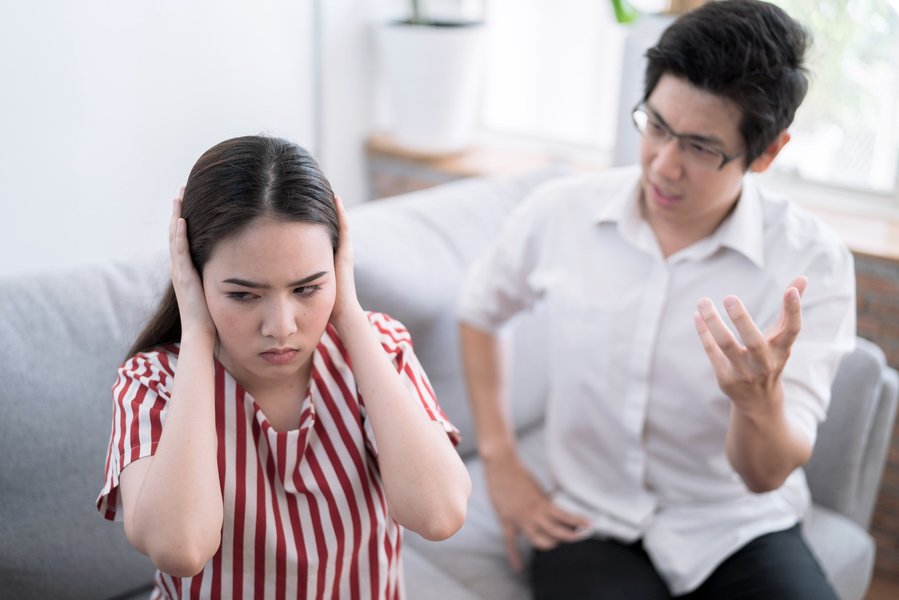
Open and honest conversations are fundamental when exploring new relationship dynamics.
Foundations for an Ethical Approach to Relationship Openness
Transitioning towards or exploring any form of non-monogamy requires a strong relational foundation and a commitment to ethical principles. Here’s how to lay that groundwork:
Step 1: Deep Self-Reflection
Understanding Your Motivations
Before initiating any conversation, it's crucial to understand your own reasons for wanting this. Ask yourself:
- Why do I desire this for my partner and our relationship? Is it genuine curiosity, a specific fantasy, an attempt to solve existing issues (which ENM typically doesn't fix and may exacerbate), or something else?
- Am I prepared for the potential emotional complexities, including my own feelings of jealousy or insecurity?
- Is my relationship currently strong, built on trust and good communication? Opening a struggling relationship often leads to more problems.
Honest self-assessment is key. If your motives stem from a desire to control, manipulate, or avoid addressing deeper issues, it's vital to address these first, perhaps with professional guidance.
Step 2: Initiating Open and Honest Communication
Choosing the Right Time and Approach
This conversation should not be taken lightly. Choose a time when you are both relaxed, can speak privately without interruptions, and are in a good emotional space. Avoid bringing it up during an argument or when either of you is stressed.
- Use "I" Statements: Express your feelings, thoughts, and curiosities from your perspective. For example, "I've been thinking about different relationship structures, and I'm curious about the idea of exploring ethical non-monogamy. I'd like to understand how you feel about this and talk about it together." This is less accusatory than "I want you to..."
- Be Clear About Your Intentions: Explain your reasoning honestly, linking back to your self-reflection.
- Emphasize It's a Discussion, Not a Demand: Make it clear that you are opening a dialogue and that her feelings, thoughts, and boundaries are paramount.
Active and Empathetic Listening
Your partner's reaction might range from curiosity to shock, confusion, hurt, or even anger. It is crucial to listen to her response with empathy and without becoming defensive or dismissive. Validate her feelings, whatever they may be. This is a conversation, and her perspective is equally important. She may need time to process this information, and that should be respected.
Step 3: Upholding Mutual Consent and Respect for Autonomy
This cannot be overstated: any decision to explore non-monogamy must be fully consensual and enthusiastic from both partners. Coercion, pressure, guilt-tripping, or manipulation have no place in an ethical discussion or relationship. Your partner has the absolute right to say no, or to express reservations. Respecting her autonomy means accepting her decision, even if it's not what you hoped for.
Step 4: Building and Maintaining Trust
If your partner is open to exploring the idea, this journey will test and hopefully strengthen your trust. Reassure her of your commitment to your primary bond (if that's your intention) and that this exploration is something you wish to navigate together, transparently. Polyamorous individuals often make extra efforts to show their long-term partners they are valued through dedicated time, affection, and reassurance.
Visualizing Ethical Approaches vs. Manipulative Tactics
The following chart illustrates the stark contrast between key elements in an ethical approach to discussing relationship openness versus manipulative or coercive tactics. An ethical approach focuses on fostering a positive environment where partners can thrive, while manipulation erodes trust and causes harm. The scores (on a scale of 1 to 10, where 1 is lowest and 10 is highest) are conceptual, representing ideal ethical practices versus harmful ones.
As the chart shows, an ethical approach maximizes positive relationship dynamics, while manipulative tactics score very low, indicating their destructive nature.
A Comparative Look: Unethical "Cheating" vs. Ethical Non-Monogamy
To further clarify the path you are considering, the table below contrasts the characteristics and impacts of encouraging "cheating" versus collaboratively exploring ethical non-monogamy.
| Feature | "Cheating" (Unethical Approach) | Ethical Non-Monogamy (Consensual Approach) |
|---|---|---|
| Consent | Absent or violated for at least one partner. Involves deception. | Explicit, informed, and enthusiastic consent from all involved parties. |
| Honesty & Transparency | Characterized by secrecy, lies, and hidden actions. | Built on open communication, honesty about desires, and transparency (as per agreed boundaries). |
| Communication | Avoided or manipulative to enable the deception. | Ongoing, respectful dialogue to establish and maintain agreements. |
| Boundaries | Existing boundaries are broken without discussion. | Clear, mutually agreed-upon boundaries and rules are established and respected. |
| Impact on Trust | Severely erodes or destroys trust. | Can strengthen trust if navigated carefully and respectfully. |
| Emotional Safety | Creates insecurity, betrayal, and emotional pain. | Aims to maintain emotional safety through care, respect, and reassurance. |
| Partner Autonomy | Disregards partner's autonomy and right to know. | Respects and supports each partner's autonomy and choices within the agreed framework. |
Co-Creating Your Relationship Structure (If Consent is Given)
If, after open and heartfelt discussion, your partner expresses genuine interest in exploring non-monogamy, the journey then involves collaboratively shaping what this might look like for your relationship.
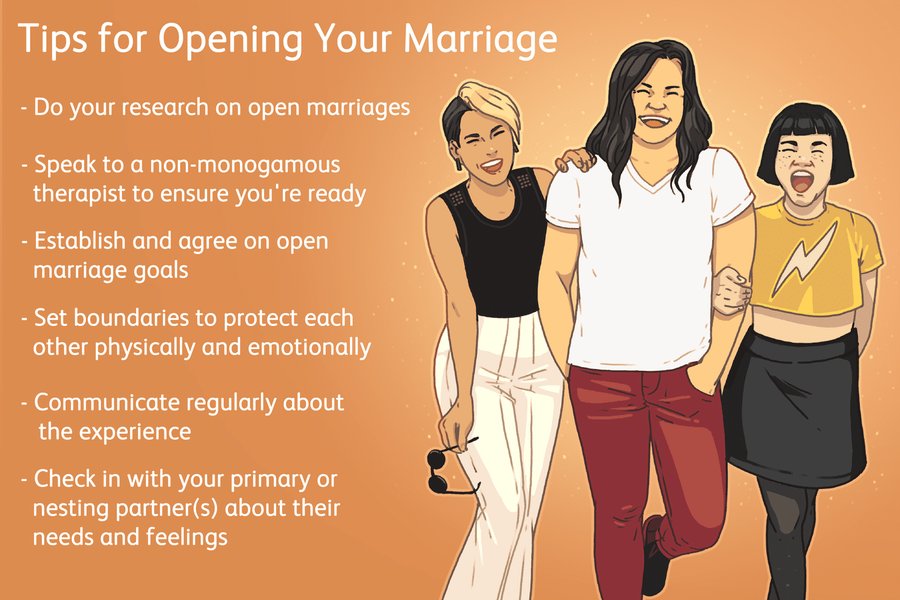
Successfully navigating an open relationship involves careful co-creation of rules and boundaries.
Educating Yourselves Together
There are many forms of ethical non-monogamy (e.g., open relationships, swinging, polyamory, relationship anarchy). Take time to learn about them together. Read books, articles, or listen to podcasts from reputable sources. Understanding the landscape can help you find what might fit your relationship.
Defining Clear Boundaries and Agreements
This is perhaps the most critical part of establishing an ethical non-monogamous relationship. Discuss and agree upon:
- What is permissible? Are only sexual connections with others allowed, or are romantic connections also okay? Are there specific people or types of situations that are off-limits?
- Level of Disclosure: How much information will be shared about other partners or experiences? Some couples prefer full transparency ("tell me everything"), while others might opt for a "don't ask, don't tell" (DADT) approach within agreed limits.
- Safer Sex Practices: This is non-negotiable. Clear agreements on STI testing, condom use, and communication about sexual health with all partners are essential.
- Time and Attention: How will you ensure your primary relationship continues to be nurtured and receives adequate time and emotional connection?
- Managing New Relationship Energy (NRE): Acknowledge that excitement with a new partner can sometimes overshadow existing relationships, and discuss how to manage this respectfully.
Navigating New Relationship Dynamics: A Visual Guide
The mindmap below outlines key considerations and steps involved in ethically exploring and establishing an open relationship structure. It emphasizes the iterative nature of communication, consent, and boundary setting.
(Motives, Readiness, Fears)"] id1_2["Educate Yourself
(ENM Types, Potential Challenges)"] id1_3["Assess Relationship Health
(Trust, Communication Strength)"] id2["Phase 2: The Initial Conversation"] id2_1["Choose Right Time & Place"] id2_2["Use 'I' Statements
(Express desires, not demands)"] id2_3["Active & Empathetic Listening
(Validate partner's feelings)"] id2_4["Emphasize Consent & Autonomy
(No pressure or coercion)"] id3["Phase 3: Collaborative Exploration (If Mutual Interest)"] id3_1["Learn Together About ENM
(Books, Articles, Workshops)"] id3_2["Define Initial Boundaries & Agreements
(What's okay/not okay, disclosure, safer sex)"] id3_3["Address Potential Jealousy
(Strategies for management, reassurance)"] id3_4["Start Slowly & Incrementally"] id4["Phase 4: Ongoing Management & Adaptation"] id4_1["Regular Check-ins
(Feelings, what's working/not, adjustments)"] id4_2["Revisit & Revise Agreements
(Flexibility is key)"] id4_3["Prioritize Primary Relationship (If applicable)
(Nurture connection, manage NRE)"] id4_4["Continued Emotional Support"] id5["Guiding Principles Throughout"] id5_1["Honesty & Transparency"] id5_2["Unwavering Mutual Consent"] id5_3["Respect & Empathy"] id5_4["Patience & Understanding"] id6["Consider Professional Support"] id6_1["ENM-Affirming Therapist/Counselor"] id6_2["To facilitate communication"] id6_3["To navigate complex emotions"]
This mindmap highlights that opening a relationship is not a one-time decision but an ongoing process requiring continuous effort and communication from both partners.
Addressing Potential Challenges (e.g., Jealousy)
Jealousy is a common human emotion and can arise in any relationship structure, including ENM. It's important to acknowledge it, explore its roots (is it fear, insecurity, possessiveness?), and address it constructively through communication and reassurance rather than letting it fester or dictate actions. Some people in ENM relationships also experience "compersion," which is finding joy in your partner's happiness with another.
Regular Check-ins and Flexibility
Agreements are not set in stone. What works initially might need to change over time. Schedule regular check-ins to discuss how things are going, what’s working, what’s not, and if any boundaries or agreements need to be adjusted. Flexibility and a willingness to adapt are crucial.
Practical Guidance: Establishing Rules in Open Relationships
If you and your partner decide to explore an open relationship, establishing clear rules is essential for maintaining trust and respect. The following video offers examples of rules that couples in open relationships might consider. Remember, these are just examples, and your specific rules should be tailored to your unique needs and comfort levels through mutual discussion.
This video discusses examples of rules that can help structure an open relationship. It's important to adapt such rules to your own specific situation through open dialogue.
The Role of Professional Guidance
Navigating discussions about non-monogamy or managing an open relationship can be complex. If you find it difficult to communicate effectively, or if strong emotions like jealousy or insecurity become overwhelming, consider seeking guidance from a therapist or counselor, particularly one experienced in ethical non-monogamy. A professional can provide a neutral space for discussion, help improve communication skills, and offer tools for navigating challenges.
What an Ethical Approach Absolutely Does NOT Involve
To reiterate, an ethical and non-manipulative approach never involves:
- Manipulation: Using tactics like gaslighting, passive-aggression, love bombing, guilt-tripping, or threats.
- Coercion or Pressure: Pushing your partner into something they are not genuinely comfortable with or enthusiastic about.
- Deception or Secrecy: Withholding information, lying, or encouraging your partner to act without full transparency between you.
- Assuming Consent: Believing you know what your partner wants or that they "should" be okay with it. Their explicit consent is non-negotiable.
- Using it to Fix Existing Problems: Opening a relationship is not a solution for infidelity, poor communication, or an unstable foundation. It will likely magnify existing issues.
Frequently Asked Questions (FAQ)
What if my partner says no to an open relationship or dating other men?
How can we ensure fairness and respect if we do decide to open our relationship?
Is jealousy inevitable in open relationships? How can it be managed?
What's the difference between polyamory and an open relationship?
Conclusion
The desire for a partner to connect with others can be navigated ethically, but it fundamentally requires shifting away from the concept of "cheating" towards a model of consensual, ethical non-monogamy. This path is built on a foundation of profound honesty, deep respect for autonomy, unwavering mutual consent, and continuous, open communication. It's about co-creating a relationship dynamic where all individuals feel safe, valued, and heard. Manipulative tactics or encouraging deceit will only lead to harm and erode the trust essential for any healthy relationship. If your partner is not genuinely and enthusiastically willing to explore such dynamics, respecting her decision is the only ethical course of action.
Recommended Queries
- How can I best initiate a respectful conversation with my partner about potentially opening our relationship?
- What are some common rules and boundaries people establish in ethically non-monogamous relationships to ensure everyone feels respected?
- What are effective strategies for managing feelings of jealousy if we decide to explore an open relationship?
- Where can I find reliable books or resources to learn more about polyamory and different forms of ethical non-monogamy?
References
Last updated May 21, 2025