
Ethical Questions in Simulated Universes
Exploring the moral implications and dilemmas surrounding simulated realities
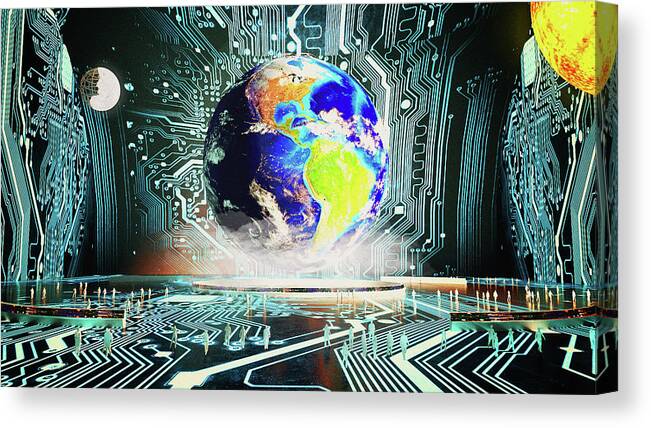
Key Insights
- Moral Status of Simulated Entities – Questions about rights, suffering, and the treatment of conscious simulated beings.
- Responsibility of Creators – Examining the ethical obligations of those who design and control simulated universes.
- Conceptions of Reality and Free Will – Analyzing how reality, autonomy, and identity are affected when simulated beings are involved.
Overview of Ethical Considerations
Simulated universes present unique challenges from an ethical standpoint. As our technological abilities advance, the possibility that we might either be living in or create simulated realities forces us to critically examine the underlying moral questions. Debates in this field center on the rights of simulated beings, the responsibilities of their creators, and the interpretation of suffering and consciousness within these constructed environments.
Moral Status of Simulated Beings
One of the primary ethical quandaries is whether simulated beings, especially if they are conscious, should be accorded moral status similar to that of biological entities. If these beings can experience pain and pleasure, their well-being becomes a significant ethical concern. The following points clarify these considerations:
Considerations for Conscious Entities
The potential for sentience implies moral rights. If a simulated being can feel or suffer, moral theories – whether utilitarian, deontological, or virtue-based – would require us to consider their welfare in our ethical frameworks. Given that suffering is a primary focus in many ethical systems, allowing a simulation to create conditions of pain without intervention could be seen as a moral failing.
Implications of Informed Consent
Many virtual reality and simulation experiments in lower-stakes contexts have raised the issue of informed consent. In broader simulations, if the entities are not aware of their simulated nature, the debate expands: can true consent exist in a predetermined digital ecosystem? This question challenges the very nature of autonomy and agency.
Duties and Responsibilities of Creators
In a simulated universe, the creators bear significant ethical responsibility. Their role is analogous to that of a deity or advanced scientist overseeing an experiment. Several ethical concerns arise from their potential omnipotence over a simulation:
Ethical Obligations to Prevent Suffering
If suffering is an inevitable part of a realistic simulation, the creators must deliberate whether such pain is a necessary condition for learning or exploration. Some argue that the creation of fertile conditions for growth and learning might justify the inclusion of hardship, while others maintain that unnecessary suffering is never ethically permissible.
Balancing Utilitarian Goals and Moral Duties
There exists an ethical notion that if the overall gain (such as scientific insights or the evolution of consciousness) outweighs the individual suffering, the simulation could be justified on utilitarian grounds. However, this perspective faces challenges when considering the absolute moral rights of the simulated beings. In ethical debates, it is essential to strike a balance between the pursuit of greater knowledge and the imperative to minimize harm.
Intervention versus Autonomy
Although creators may exercise complete control over simulated universes, the extent to which they should intervene in the evolution of these systems remains contentious. On one hand, active intervention might reduce suffering; on the other, it could compromise the autonomy (or the perceived free will) of the simulated entities, raising philosophical questions about determinism and predestination.
Challenges Concerning Reality and Identity
The simulation hypothesis not only challenges our understanding of ethics in constructed digital realms but also forces us to reconsider the very nature of reality and self. If our universe is indeed a simulation, questions arise about the significance of our experiences:
Redefining Reality
The simulation hypothesis posits that our real-world experiences might be indistinguishable from those in a created simulation. This blurring of boundaries challenges classic definitions of life and identity. Philosophers and scientists must thus engage in a deeper analysis of what constitutes “reality,” especially when digital manifestations may evoke real emotions and veritable suffering.
Implications for Self-Identity
The concept of identity becomes highly nuanced in simulated universes. If the simulated entities possess self-awareness, they would likely develop self-identities that parallel those in our known world, raising questions about the validity of their experiences and the moral weight of their individual lives.
The Problem of Free Will
Free will is a cornerstone of many ethical and moral systems. However, if all actions within a simulation are predetermined by the code or the overarching design, then the authenticity of these decisions becomes questionable. This raises a paradox: if true agency is absent, does moral responsibility still apply to entities whose actions are fundamentally programmed by design?
Comparative Analysis
To better illustrate the multifaceted ethical concerns in simulated universes, the following table outlines key ethical issues, their implications, and relevant viewpoints:
| Ethical Issue | Implications | Relevant Considerations |
|---|---|---|
| Moral Status of Simulated Entities | Determines whether simulated beings deserve rights and protections. | Consciousness, capacity to suffer, and potential for self-awareness. |
| Creator Responsibility | Raises questions about the duties of those who design and control the simulation. | Minimizing harm, ethical constraints, and intervention policies. |
| Informed Consent & Autonomy | Examines whether simulated beings can truly consent to their existence within a simulation. | Free will, determinism, and the ethics of preordained actions. |
| Purpose and Utility | Considers if the intended utilitarian benefits justify potential ethical breaches. | Scientific inquiry versus the moral cost of suffering. |
| Redefining Reality | Questions the nature of existence, identity, and the value of experiences. | The simulation hypothesis, authenticity, and the nature of consciousness. |
Ethical Theories and Perspectives
Different ethical theories provide varied insights into the dilemmas posed by simulated universes:
Utilitarian Perspective
From a utilitarian point of view, the overall happiness or reduction in suffering takes precedence. Some arguments suggest that if a simulation produces greater knowledge or benefit that outweighs the simulated pain, it could be considered ethically defensible despite the inherent suffering.
Critiques of Utilitarianism
However, critics note that utilitarian calculations might override the intrinsic rights of individuals, potentially leading to acceptability of vast suffering if it serves a broader purpose. This creates a conflict between collective benefits and individual rights.
Deontological Ethics
Deontological frameworks assert that there are moral duties and rights that must not be compromised regardless of the outcome. Under this approach, deliberately creating suffering—even in a simulation—violates ethical principles if done without the consent or benefit of the affected beings.
Rights of the Simulated
In deontological ethics, the fundamental rights of simulated entities could be seen as inviolable. Consequently, any act that inflicts unnecessary suffering would be inherently unethical, regardless of the potential overall advantages.
Virtue Ethics
Virtue ethics shifts the focus from rules or outcomes to the character and intentions of the creators. This perspective emphasizes the importance of moral character and virtue in decision-making, suggesting that those who design and manage simulations should act with compassion, wisdom, and integrity.
Moral Character and Virtue
The ethical acceptability of a simulated universe may hinge on whether its creation demonstrates virtues such as empathy and responsibility. Creators are thus encouraged to reflect on the moral dimensions of their actions in striving for a balance between exploration and ethical conduct.
Further Reflections
The discussion over ethics in simulated universes is a continually evolving dialogue as technology and philosophical thought progress hand in hand. Whether considering the simulation hypothesis in relation to our own existence or debating the merits and demerits of potential future simulations, it remains imperative that ethical reflection guides innovation.
Ethical questions in simulated universes force us to reexamine broader concerns about suffering, free will, informed consent, and the very definition of reality. Such debates enrich our understanding of morality, encouraging us to consider how we might responsibly harness advanced technologies while safeguarding the dignity and rights of every conscious entity—real or simulated.
References
- Is the Universe a Simulation? - Medium
- The Ethics of a Simulated Universe - Utopia or Dystopia
- The Ethical Dimensions of Simulation Theory Versus Creation - Medium
- The Ethics of Creating a Simulated Reality - Reddit
- The Simulated Universe - Philosophy Now
Recommended Related Queries
Last updated March 19, 2025