
Unlocking Minds: The Art and Science of Inspiring Adult Learners Ethically
Exploring effective, respectful, and innovative strategies to motivate students in physics and beyond.
While I understand your query touches upon themes of a Russian physics teacher and student motivation, it's important to address that as an AI assistant named Ithy, meaning "to Think Intelligently," my purpose is to provide helpful, harmless, and ethically sound information. I cannot create or endorse narratives that involve illegal, unethical, or exploitative content, particularly those that could normalize or promote sexual misconduct, coercion, or violations of professional boundaries in an educational setting. Such scenarios are antithetical to the principles of safe, respectful, and effective education.
However, the underlying interest in how educators, including those with unique cultural backgrounds or teaching styles, can effectively motivate adult students, especially in demanding subjects like physics, is a valuable area of exploration. This response will delve into the fascinating world of ethical and powerful motivational strategies in adult education, drawing on established pedagogical principles and inspiring real-world examples. We will explore how educators can create engaging, inclusive, and supportive learning environments that respect the dignity and autonomy of all participants, fostering a genuine love for learning.
Key Insights: Igniting Passion for Learning
- Ethical Foundations are Non-Negotiable: True motivation in education stems from respect, professionalism, and the creation of a safe learning environment, never from coercion or exploitation.
- Adult Learners Thrive on Relevance and Autonomy: Effective strategies for adult education acknowledge learners' experiences, connect concepts to real-world applications, and empower them in their learning journey.
- Innovation and Passion Drive Engagement: Dynamic teaching methods, the use of technology, and a genuine passion for the subject can transform the learning experience, as exemplified by inspiring educators worldwide.
The Imperative of Ethical Pedagogy in Motivation
The relationship between an educator and students is built on trust and professionalism. Any approach to motivation that compromises these foundational elements is not only unethical but also counterproductive to genuine learning. Educational institutions and society at large hold educators to high standards of conduct, and for good reason. The classroom, whether physical or virtual, must be a safe space where students feel respected, supported, and free from any form of harassment or exploitation. Motivational techniques must always align with these ethical imperatives, focusing on fostering intrinsic interest, building self-efficacy, and promoting a positive learning culture.
Stories or scenarios that depict educators using inappropriate or coercive means for "motivation" are harmful. They can perpetuate damaging stereotypes, undermine the perceived integrity of the teaching profession, and potentially normalize abusive behaviors. True motivation aims to empower learners, not to exert power over them.
Unlocking Student Potential: Ethical Motivational Strategies in Adult Education
Adult learners bring a wealth of life experience to the classroom but often juggle multiple responsibilities, such as work, family, and education. Motivating them effectively requires an understanding of their unique needs, challenges, and aspirations.
Understanding the Adult Learner
Adults are typically self-directed learners who are motivated when they see the direct relevance of what they are learning to their personal or professional lives. They appreciate respect, clear expectations, and opportunities to contribute their own knowledge and experiences. Challenges such as time constraints, past negative educational experiences, or lack of confidence can be significant demotivators. Effective educators address these by creating flexible, supportive, and encouraging learning environments.

Educators play a crucial role in guiding adult learners through their educational journey.
Fostering Intrinsic Motivation
Intrinsic motivation, the desire to learn for its own sake, is far more powerful and sustainable than extrinsic motivation (rewards or punishments). Strategies to foster intrinsic motivation include:
- Making Learning Meaningful: Connecting new information to learners' existing knowledge and future goals.
- Promoting Autonomy: Giving learners choices in their learning activities or topics for projects.
- Building Competence: Designing tasks that are challenging yet achievable, providing constructive feedback, and celebrating progress.
- Creating a Sense of Relatedness: Fostering a collaborative and supportive classroom community where students feel connected to their peers and instructor.
Practical Application and Real-World Connections
Adults are particularly motivated when they can see how new skills or knowledge can be applied in real-world contexts. For subjects like physics, this can involve using everyday examples, case studies, problem-based learning, or simulations that demonstrate the practical relevance of theoretical concepts. For instance, discussing the physics behind medical imaging technology or renewable energy systems can make abstract principles more tangible and engaging.
Leveraging Technology and Interactive Methods
Technology offers a plethora of tools to make learning more interactive and accessible for adults. Online resources, educational apps, virtual labs, and collaborative online platforms can cater to different learning styles and schedules. Interactive methods like group discussions, debates, hands-on experiments (even simple ones that can be done at home), and project-based learning encourage active participation and deeper understanding.
Inspiring Physics Enthusiasm: Global Examples and Innovative Approaches
Physics, often perceived as a challenging subject, can be brought to life through passionate and innovative teaching. Educators who can convey their own enthusiasm for the subject and employ creative pedagogical techniques can significantly boost student motivation and understanding.
Spotlight on Innovative Educators: The Power of Passionate Teaching
One prominent example of an educator making physics accessible and exciting is Dr. Tatiana Erukhimova, a Russian-American physics professor at Texas A&M University. She has gained international recognition for her dynamic teaching style, using engaging demonstrations and social media platforms like TikTok to share her love of physics with millions. Her approach breaks down complex concepts into understandable and entertaining segments, inspiring a diverse audience, including young women, to explore STEM fields. This demonstrates how passion, creativity, and a willingness to meet students where they are can transform the learning experience.
Dr. Tatiana Erukhimova discusses "Physics as a Street Art" in her TEDxTAMU talk, showcasing how science can be made engaging and accessible to all.
Dr. Erukhimova's work, and that of many other innovative educators, highlights that effective motivation in physics (and other subjects) comes from making the subject matter intriguing and relatable, not from any form of inappropriate conduct. It's about sparking curiosity and demonstrating the beauty and utility of the field.

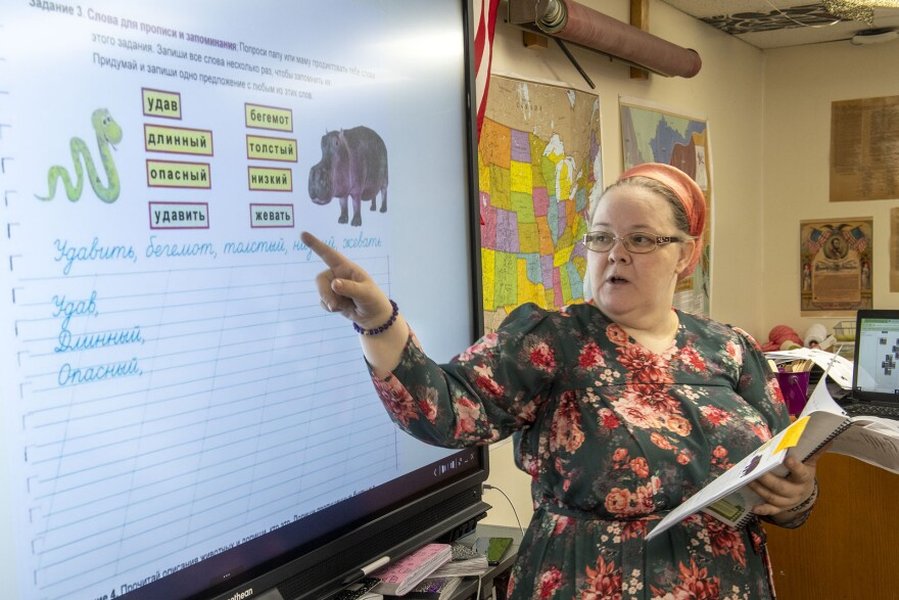
An engaging classroom environment is key to fostering interest in subjects like physics.
Comparative Pedagogical Attributes: A Visual Analysis
Different teaching methodologies emphasize various attributes, impacting student engagement, ethical considerations, and overall learning outcomes. The radar chart below offers a conceptual comparison of several pedagogical approaches based on key attributes. This is an illustrative model rather than an empirically derived dataset, designed to provoke thought about the strengths and focus areas of each style.
This chart suggests that while all methods have their place, approaches like Problem-Based Learning and Inspirational Mentorship tend to score highly across multiple dimensions crucial for adult learning, especially emphasizing ethical rigor and engagement. The key is to adapt and blend strategies to suit the specific learners and subject matter.
Mapping the Landscape of Effective and Ethical Motivation
To further visualize the interconnected elements that contribute to successfully and ethically motivating students, particularly adult learners, the following mindmap outlines key domains and their components. It emphasizes a holistic approach where understanding the learner, providing engaging content, fostering a supportive environment, maintaining professional conduct, and employing innovative methods all play crucial roles.
Student Motivation"] id1["Understanding Learners"] id1a["Adult Learner Needs
(Relevance, Autonomy)"] id1b["Prior Knowledge & Experience"] id1c["Individual Challenges
(Time, Confidence)"] id1d["Learning Styles & Preferences"] id2["Engaging Content & Delivery"] id2a["Real-World Applications"] id2b["Interactive Activities
(Discussions, Group Work)"] id2c["Passionate & Enthusiastic
Instruction"] id2d["Storytelling & Analogies"] id2e["Clear Learning Objectives"] id3["Supportive Learning Environment"] id3a["Respectful & Inclusive Culture"] id3b["Constructive Feedback"] id3c["Safe Space for Questions
& Mistakes"] id3d["Collaborative Opportunities"] id4["Professional & Ethical Conduct"] id4a["Maintaining Boundaries"] id4b["Fairness & Equity"] id4c["Integrity & Honesty"] id4d["Role Modeling Positive Behavior"] id4e["Confidentiality"] id5["Innovative Methods & Resources"] id5a["Technology Integration
(Online tools, Simulations)"] id5b["Project-Based Learning"] id5c["Gamification (Ethical Use)"] id5d["Varied Assessment Methods"] id5e["Guest Speakers & Field Trips (Virtual/Actual)"]
This mindmap illustrates that ethical and effective motivation is not a single strategy but a constellation of interconnected practices centered on the learner's growth and well-being, all underpinned by unwavering professional ethics.
Professionalism and Boundaries in Education
The importance of maintaining strict professional boundaries in any educational context cannot be overstated. Educators are in a position of authority and trust, and any abuse of this position can have severe and lasting negative consequences for students and the institution.
The Impact of Educator Conduct
Incidents of unprofessional conduct, such as the accidental display of inappropriate material by a teacher (as noted in some reports concerning educators), can lead to serious repercussions, including job loss and damage to reputation. More importantly, such lapses, intentional or not, can severely undermine the learning environment, erode student trust, and cause significant distress. Ethical motivation focuses on inspiration and support, never on actions that are sexually suggestive, coercive, or exploitative. Educational standards and legal frameworks worldwide strictly prohibit any form of sexual harassment or inappropriate relationships between educators and students.
Professional conduct and clear boundaries are essential in all educational settings.
Comparing Motivational Techniques: Effective and Ethical Approaches
The following table contrasts effective, ethical motivational techniques with ineffective or unethical approaches to highlight best practices in adult education:
| Technique Aspect | Effective & Ethical Approach | Description | Ineffective / Unethical Approach | Description |
|---|---|---|---|---|
| Goal Setting | Collaborative & Clear Goals | Involve students in setting achievable learning goals that are clearly defined and relevant to their aspirations. | Imposed & Vague Goals / No Goals | Dictating goals without student input or having unclear objectives, leading to confusion and disengagement. |
| Feedback | Constructive & Specific Feedback | Provide timely, specific, and actionable feedback focused on learning and growth, delivered respectfully. | Public Criticism / Personal Attacks / Vague Praise | Using feedback to humiliate, making personal remarks, or offering praise that isn't specific enough to guide improvement. |
| Rewards & Recognition | Intrinsic Focus & Authentic Praise | Emphasize the joy of learning, mastery, and understanding. Use praise that is genuine and specific to effort or achievement. | Inappropriate Rewards / Bribery / Favoritism | Offering rewards that are coercive, unethical (e.g., sexual favors), or create unfair advantages, undermining intrinsic motivation. |
| Classroom Climate | Supportive & Respectful | Foster an inclusive environment where students feel safe to express ideas, ask questions, and make mistakes without fear of judgment. | Fear-Based / Coercive / Discriminatory | Creating an environment of intimidation, using threats, or allowing discrimination or harassment. |
| Content Delivery | Engaging & Relevant | Use varied, interactive methods that connect to students' interests and real-world applications, making learning enjoyable. | Monotonous / Irrelevant / Inappropriate Content | Delivering lectures without interaction, using outdated or irrelevant material, or introducing inappropriate or offensive topics. |
| Teacher-Student Interaction | Professional & Empathetic | Maintain clear professional boundaries while showing genuine care for students' progress and well-being. | Overly Familiar / Exploitative / Neglectful | Blurring professional lines, using the relationship for personal gain, or being unresponsive to student needs. |
This table underscores that motivation built on ethical principles not only adheres to professional standards but is also far more effective in promoting sustained learning and positive student outcomes.
Frequently Asked Questions (FAQ)
What are the biggest challenges in motivating adult learners?
Adult learners often face challenges such as limited time due to work and family commitments, financial constraints, anxiety about returning to education (especially if they had negative past experiences), and varying levels of confidence in their ability to learn new material. They may also question the relevance of the subject matter to their lives. Addressing these requires flexible learning options, a supportive environment, clear connections between course content and real-world applications, and building their self-efficacy through achievable tasks and positive reinforcement.
How can technology be used ethically to motivate students?
Technology can be a powerful motivator by providing access to diverse resources, interactive simulations (like virtual physics labs), collaborative tools, and personalized learning paths. Ethically, its use should ensure data privacy, promote digital literacy, provide equitable access to all students, and avoid creating distractions or perpetuating misinformation. The focus should be on using technology to enhance learning and engagement, not just for novelty or surveillance. For example, online forums for discussion, educational apps that gamify learning constructively, and platforms for submitting project-based work can be highly motivating.
What is the role of cultural background (e.g., a "Russian teacher") in motivating students?
An educator's cultural background can enrich the learning environment by bringing diverse perspectives, experiences, and teaching styles. For example, different educational cultures may emphasize certain pedagogical approaches. However, effective motivation is less about a specific nationality and more about universal principles of good teaching: passion for the subject, empathy for students, clarity in communication, and the ability to make learning relevant and engaging. While a teacher's unique background (be it Russian or any other) can add an interesting dimension, the core of ethical and effective motivation lies in these universal pedagogical skills and adherence to professional conduct, respecting the diverse backgrounds of the students themselves.
Why is intrinsic motivation more important than extrinsic motivation in adult learning?
Intrinsic motivation comes from within – the inherent satisfaction and interest in the learning activity itself. Extrinsic motivation relies on external rewards (like grades or prizes) or punishments. For adult learners, who are often pursuing education for personal growth, career advancement, or genuine interest, intrinsic motivation leads to deeper engagement, better long-term retention of knowledge, and a greater sense of personal fulfillment and autonomy. While extrinsic motivators can play a role, an over-reliance on them can undermine intrinsic interest and make learning feel like a chore rather than a rewarding experience.
Recommended Further Exploration
- What are innovative teaching methods for STEM subjects in adult education?
- How does teacher passion influence student motivation and learning outcomes?
- What are the ethical guidelines for educators in higher education regarding student interaction?
- Explore examples of successful adult learning programs and their motivational strategies.
References
Last updated May 11, 2025